Good welding rods are fundamental to modern infrastructure and manufacturing, impacting everything from towering skyscrapers and complex pipelines to delicate aerospace components and essential repairs. Their quality directly influences the strength, durability, and safety of welded joints, making them a critical element in ensuring the reliability of countless structures and systems worldwide. Understanding the nuances of good welding rods, their composition, and their application is therefore paramount for engineers, fabricators, and anyone involved in projects requiring welded connections.
The global demand for welding consumables, including good welding rods, is substantial and consistently growing, driven by expanding construction industries, burgeoning automotive production, and ongoing infrastructure projects – particularly in developing nations. According to the American Welding Society, the global welding market is a multi-billion dollar industry. This demand necessitates a focus on not only the availability of these rods, but also their adherence to stringent quality standards to prevent failures and ensure long-term performance. Addressing challenges like inconsistent quality control and the need for specialized rods for advanced applications is crucial.
The proper selection and use of good welding rods are not merely technical considerations; they have real-world consequences for public safety, economic stability, and environmental sustainability. Investing in high-quality rods can minimize the risk of structural failures, reduce costly repairs, and contribute to more resilient and long-lasting infrastructure. This underscores the importance of continuous innovation and development in the field of welding consumables.
The Core Principles of good welding rods
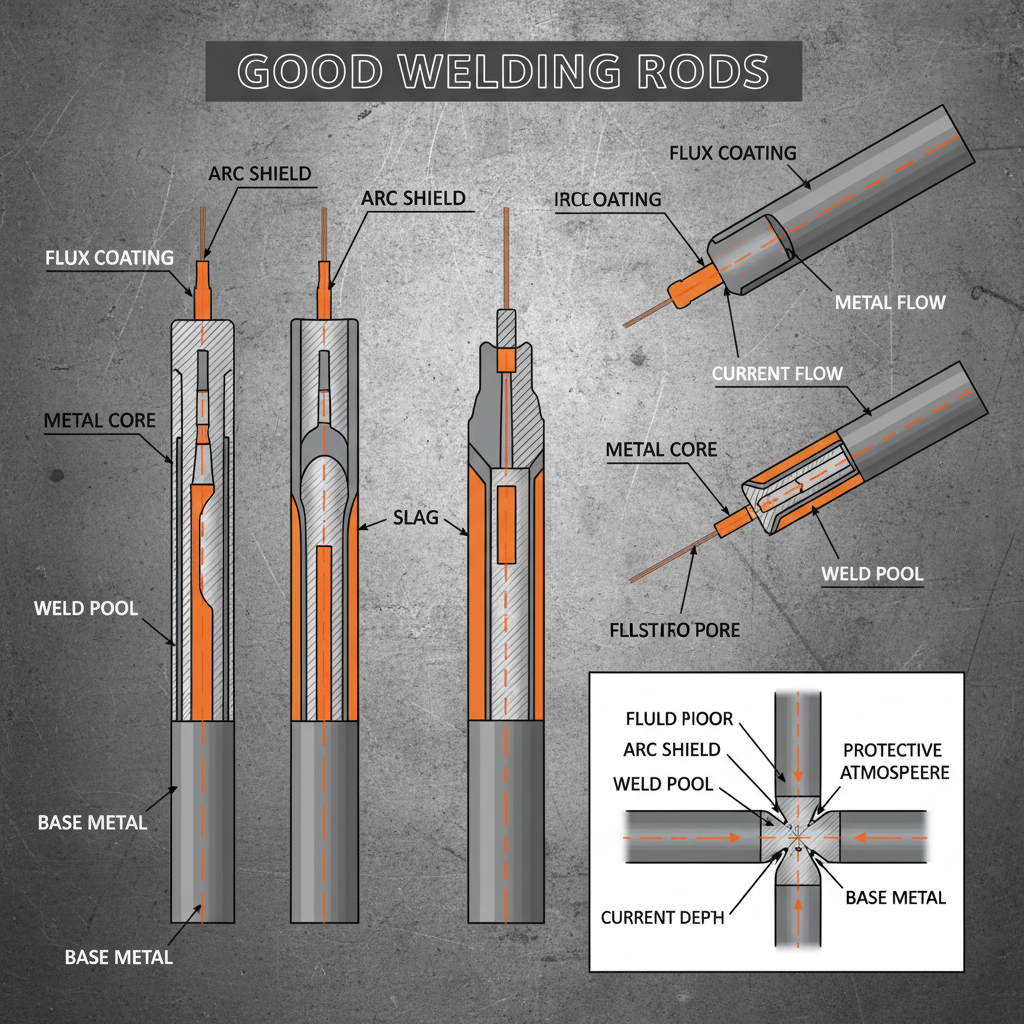
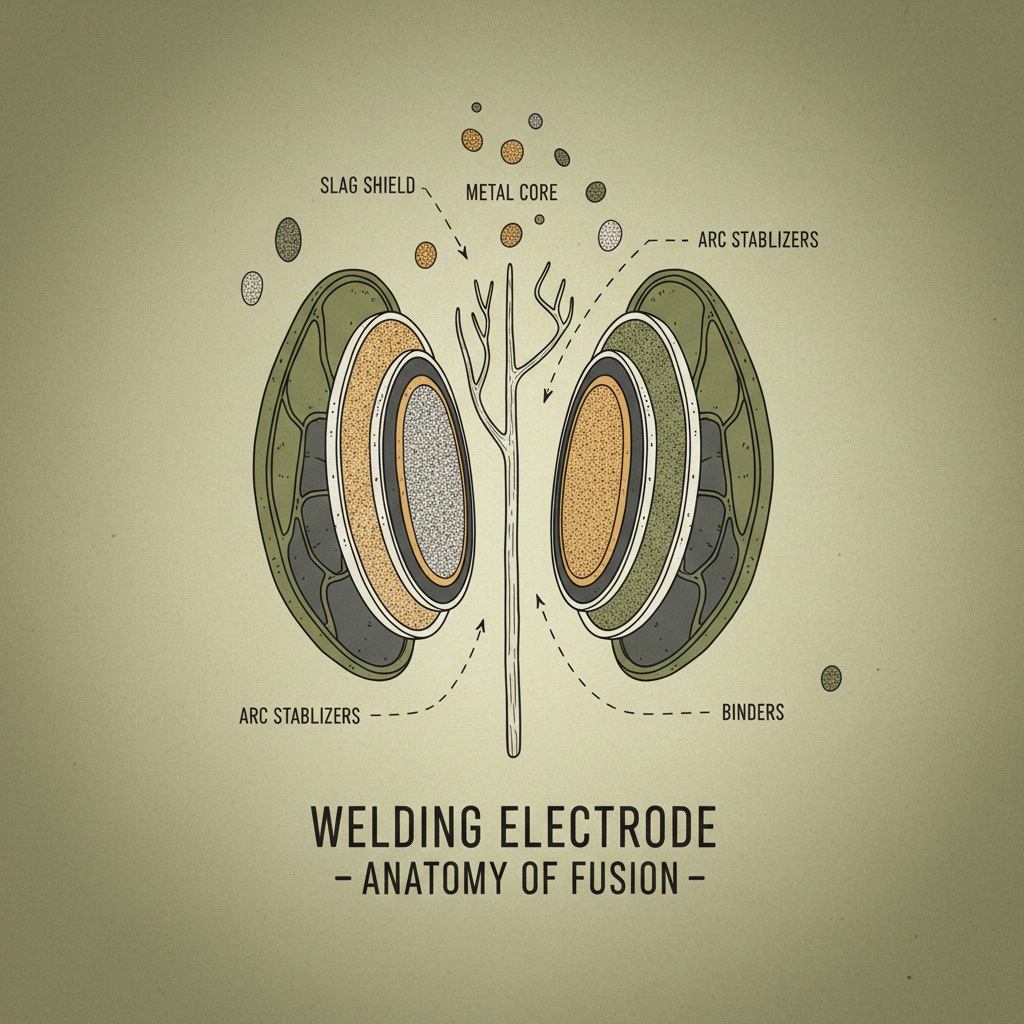
At their core, good welding rods facilitate the fusion of metal parts through the application of heat and, in many cases, a filler material. The rod itself serves as an electrical conductor and provides the necessary metal to create a strong, cohesive bond. The composition of the rod – including the precise percentages of carbon, manganese, silicon, and other alloying elements – dictates its mechanical properties and its suitability for welding different types of metals.
The quality of a welding rod hinges on its ability to consistently deliver a stable arc, create a sound weld bead, and meet specific mechanical requirements, such as tensile strength, yield strength, and ductility. Manufacturing processes play a crucial role, encompassing everything from the selection of raw materials to the extrusion, coating, and packaging of the finished product. good welding rods are those that consistently meet these criteria.
The Global Significance of good welding rods
The demand for good welding rods is intrinsically linked to the health of global economies and the pace of infrastructure development. Emerging markets, experiencing rapid urbanization and industrialization, often require significant investment in new construction, transportation networks, and energy infrastructure – all of which rely heavily on welding. Regions such as Asia-Pacific, Latin America, and Africa are experiencing particularly strong growth in welding consumables demand.
International standards organizations, such as the International Organization for Standardization (ISO) and the American Welding Society (AWS), play a vital role in establishing quality benchmarks and ensuring consistency across different manufacturers and countries. Compliance with these standards is critical for facilitating international trade and guaranteeing the reliability of welded structures worldwide. The UN also recognizes the importance of skilled welding professionals for sustainable development goals.
Beyond economic implications, good welding rods are essential for maintaining the safety and longevity of critical infrastructure, protecting lives and minimizing the risk of costly failures. From bridges and pipelines to pressure vessels and offshore platforms, the integrity of these structures depends on the quality of the welding process and the materials used.
Defining Quality in good welding rods
Defining quality in good welding rods goes beyond simply meeting basic compositional requirements. It encompasses a holistic evaluation of the rod’s performance characteristics, including its arc stability, weldability, mechanical properties, and consistency from batch to batch. A good welding rod will produce a clean, uniform weld bead with minimal spatter and defects.
Critical quality factors also include the rod’s moisture content (for certain types of rods), its coating thickness and adherence, and its resistance to cracking and porosity. Thorough testing and inspection procedures, such as radiographic testing, ultrasonic testing, and tensile testing, are essential for verifying that the rods meet the required specifications. good welding rods undergo rigorous testing.
Furthermore, traceability is a key aspect of quality control. Manufacturers should be able to identify the origin of the raw materials, the manufacturing process used, and the results of all quality control tests for each batch of rods. This allows for swift identification and resolution of any potential issues.
Key Performance Factors of good welding rods
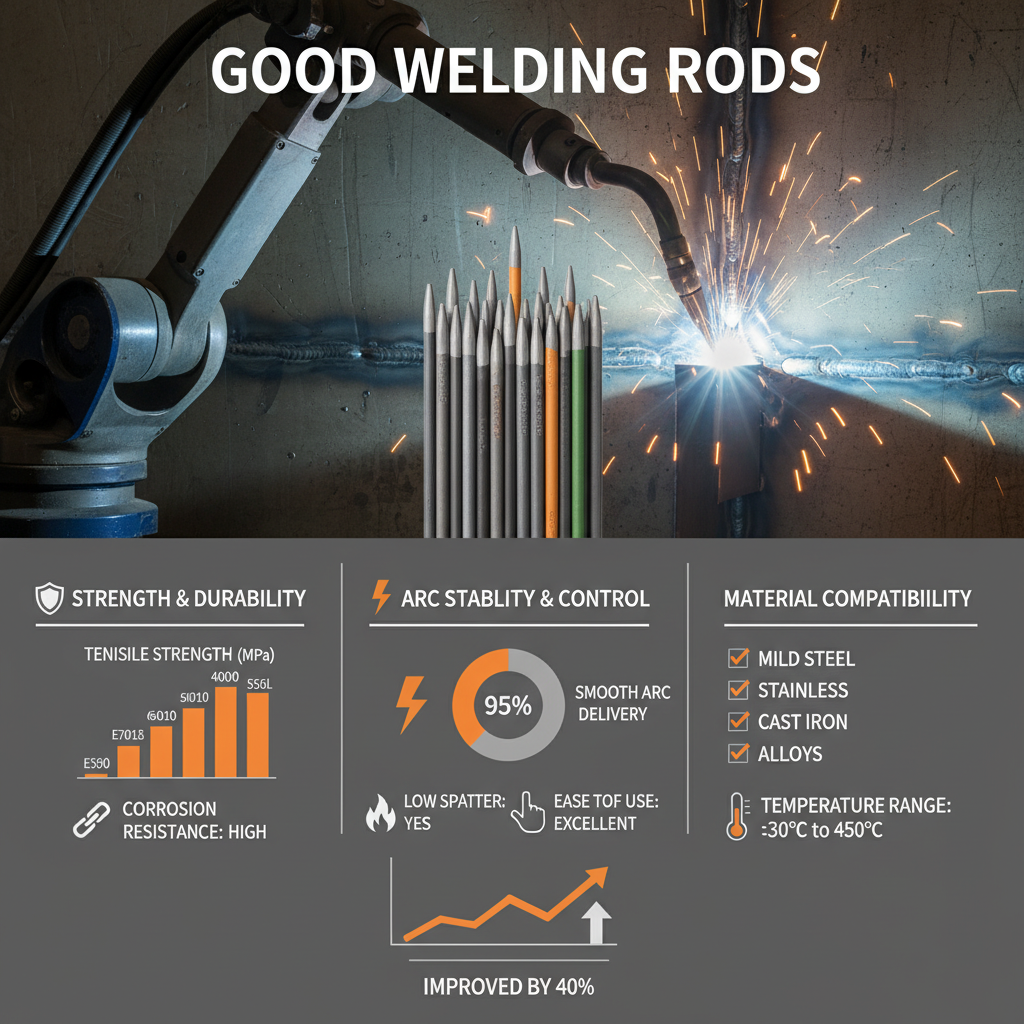
Several key performance factors contribute to the overall effectiveness of good welding rods. One critical aspect is Arc Stability, which refers to the rod’s ability to maintain a consistent and stable arc during welding. A stable arc minimizes spatter, reduces the risk of weld defects, and improves the overall weld quality.
Another key factor is Weld Metal Composition. The chemical composition of the weld metal deposited by the rod must be compatible with the base metal being welded to ensure a strong and durable joint. Mechanical Properties, such as tensile strength, yield strength, and elongation, determine the load-bearing capacity and ductility of the weld.
Comparative Performance of good welding rods Types
Applications Across Industries using good welding rods
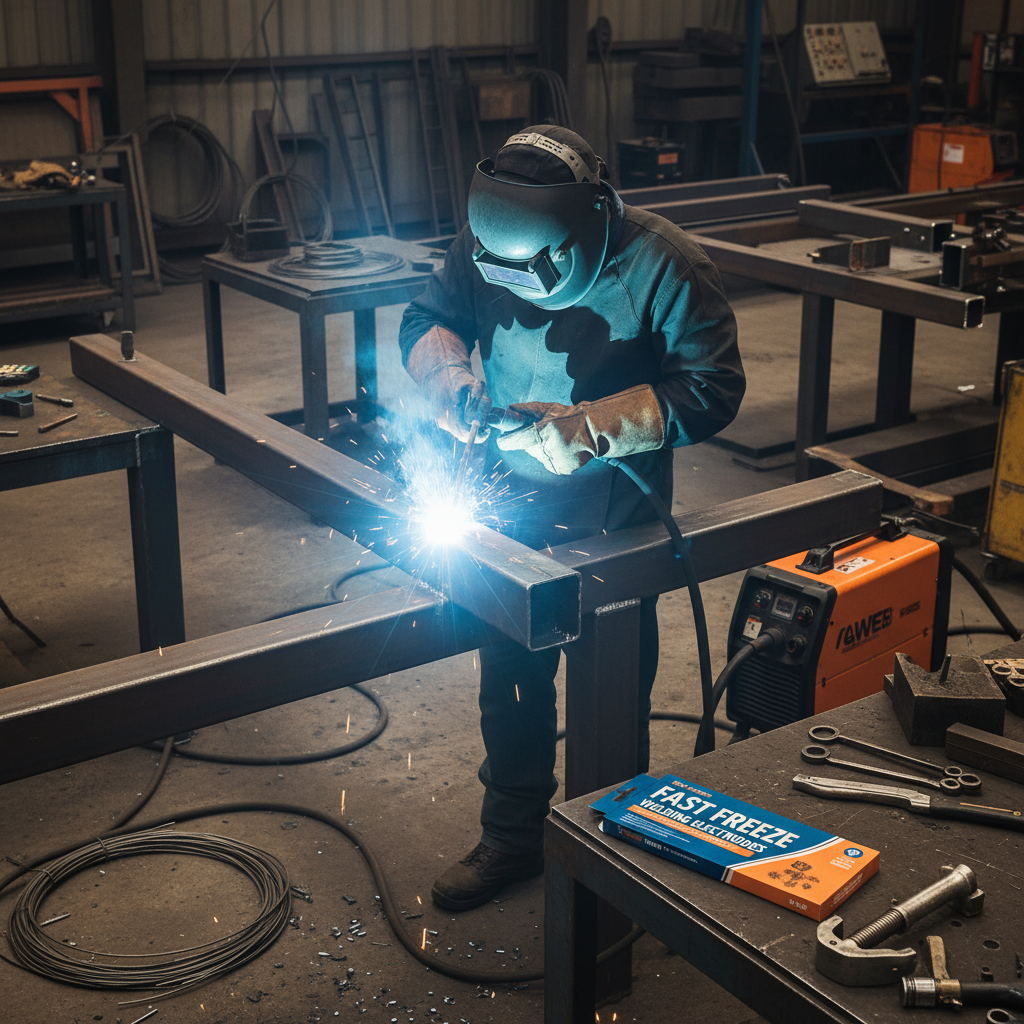
The applications of good welding rods are remarkably diverse, spanning numerous industries. In the Construction sector, they are essential for erecting steel-framed buildings, constructing bridges, and fabricating structural components. The Automotive industry relies heavily on welding for assembling vehicle chassis, bodies, and exhaust systems.
In the Aerospace industry, where safety is paramount, high-strength, specialized welding rods are used to manufacture aircraft components. The Oil and Gas sector utilizes welding rods for constructing pipelines, offshore platforms, and pressure vessels. Even in Art and Sculpture, skilled welders employ good welding rods to create intricate and durable works of art.
The Enduring Value of good welding rods
Investing in good welding rods yields significant long-term benefits. Reduced rework and repair costs are a direct result of fewer weld defects and failures. Increased structural integrity translates into enhanced safety and reliability, minimizing the risk of accidents and costly downtime.
Improved productivity is another key advantage. High-quality rods allow welders to work more efficiently, reducing welding time and increasing throughput. Furthermore, selecting environmentally friendly welding rods can contribute to sustainable practices and reduce the environmental impact of welding operations.
Future Trends and Innovations in good welding rods
The future of good welding rods is focused on several key areas of innovation. The development of new alloy compositions optimized for specific applications, such as high-strength low-alloy steels and advanced aluminum alloys, is a major trend. Advancements in coating technology are improving arc stability, reducing spatter, and enhancing weldability.
Automation and robotics are playing an increasingly important role in welding, demanding welding rods that are specifically designed for automated processes. The integration of digital technologies, such as data analytics and machine learning, is enabling manufacturers to optimize welding parameters and improve quality control.
Sustainability is also a growing focus, with research underway to develop welding rods made from recycled materials and with reduced environmental impact.
Summary of Emerging good welding rods Technologies
| Technology |
Material Focus |
Impact on Welding |
Adoption Rate (1-5) |
| Flux-Cored Arc Welding (FCAW) |
High-strength Steels |
Increased deposition rates, suitable for outdoor welding |
4 |
| Gas Metal Arc Welding (GMAW) - Pulse |
Aluminum Alloys |
Precise heat control, reduced distortion |
3 |
| Shielded Metal Arc Welding (SMAW) - Low Hydrogen |
High-strength Low Alloy Steels |
Improved ductility and toughness |
4 |
| Laser Hybrid Arc Welding (LHAW) |
Various Materials |
Deep penetration, high welding speeds |
2 |
| Friction Stir Welding (FSW) |
Aluminum & Magnesium Alloys |
Solid-state process, minimal distortion |
3 |
| Robotic Welding with AI |
All Materials |
Increased efficiency, reduced errors, adaptable processes |
5 |
FAQS
E6010 rods are often used for root passes due to their deep penetration, while E7018 rods provide a smoother, stronger weld and are better suited for fill and cap passes. E6010 rods require a DC electrode positive polarity, whereas E7018 rods can operate on both AC and DC. The choice depends on the base metal, welding position, and desired weld characteristics. Ensuring you select the right good welding rods for the task is crucial.
Welding rods, particularly those with flux coatings, can absorb moisture from the air, which can lead to hydrogen embrittlement and weld defects. Store them in a dry, sealed container, ideally with a desiccant pack to absorb any residual moisture. If rods have been exposed to humidity, it’s best to bake them at a low temperature (as per the manufacturer’s instructions) before use. Proper storage maintains the quality of good welding rods.
E6010 welding rods are often preferred for welding rusty or dirty steel due to their strong arc force, which can burn through contaminants and establish a good weld pool. However, it's still recommended to clean the steel as much as possible before welding to ensure optimal weld quality. Using good welding rods alone won’t solve a poorly prepared surface.
The numbering system provides information about the rod’s properties. ‘E’ signifies an electrode for arc welding. The first two digits (70) indicate the tensile strength of the weld metal in thousands of pounds per square inch (70,000 psi). The last two digits (18) indicate the welding position and coating type. Understanding these numbers helps in selecting the appropriate good welding rods for a given application.
Yes, each type of welding rod has a recommended amperage range specified by the manufacturer. Using the correct amperage ensures proper arc stability, penetration, and weld bead formation. Using too low an amperage can result in a weak weld, while too high an amperage can cause burn-through. Always consult the rod's data sheet and adjust the amperage accordingly. Good welding rods perform best with proper settings.
Visible signs of defects include cracked or damaged flux coatings, excessive rust, or a discolored appearance. If the rod produces an unstable arc, excessive spatter, or a porous weld, it may be defective. Always inspect rods before use and discard any that show signs of damage. Utilizing reputable sources for good welding rods minimizes this risk.
Conclusion
In conclusion, good welding rods are indispensable components of modern industry and infrastructure, impacting countless aspects of our lives. Their quality directly correlates to the strength, durability, and safety of welded structures, making proper selection and utilization paramount. Understanding the key performance factors, applications, and emerging trends in welding rod technology is essential for engineers, fabricators, and anyone involved in welding processes.
Looking ahead, continued innovation in materials science, coating technology, and automation will drive further advancements in good welding rods, enabling more efficient, reliable, and sustainable welding operations. By embracing these advancements and prioritizing quality, we can ensure the long-term integrity of our infrastructure and the safety of our communities. Visit our website for a wide selection of high-quality welding rods: www.jinlongweldingelectrode.com