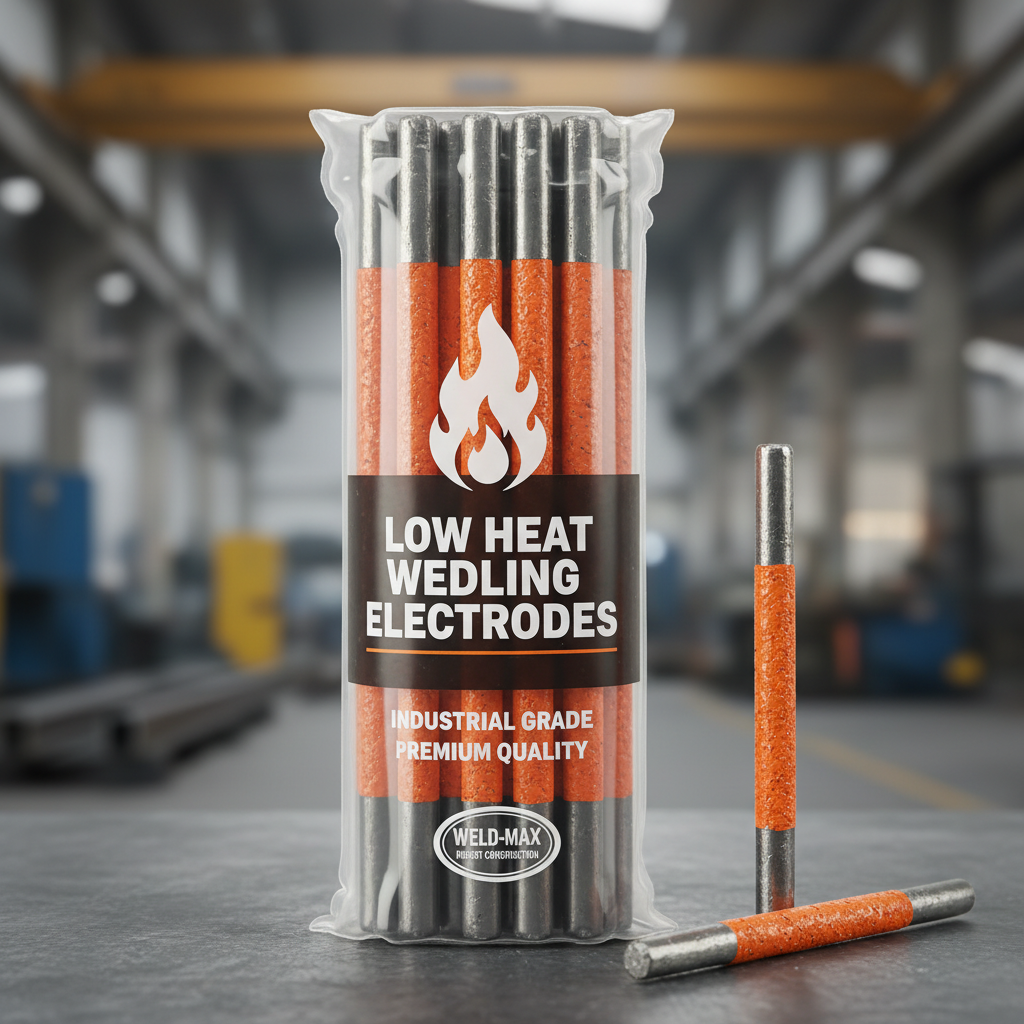
Low heat welding electrode technology represents a significant advancement in the welding industry, offering solutions to challenges faced in joining dissimilar metals, minimizing distortion, and improving weld quality in sensitive applications. Its ability to deposit weld metal with reduced heat input translates to benefits across numerous sectors, from pipeline construction to aerospace manufacturing. Understanding its principles and applications is crucial for engineers, welders, and professionals seeking optimal welding outcomes.
The global demand for efficient and precise welding solutions is steadily increasing, driven by infrastructural development, manufacturing growth, and the need for durable, reliable structures. Traditional welding methods often introduce excessive heat, leading to material property alterations and potential structural weaknesses. Low heat welding electrodes address this issue by facilitating controlled heat input, making them invaluable in industries where maintaining material integrity is paramount, particularly those governed by stringent regulations and safety standards.
The versatility of low heat welding electrode technology extends beyond industrial applications, playing an increasingly important role in repair work, maintenance, and even artistic metal fabrication. Its adaptability to various welding positions and its ability to weld a wide range of materials are key factors contributing to its widespread adoption and continuous innovation.
Introduction to Low Heat Welding Electrodes
Low heat welding electrodes are specifically designed to minimize the amount of heat transferred to the base metal during the welding process. This is achieved through carefully selected chemical compositions and flux coatings that promote efficient arc stability and metal deposition with reduced energy input. These electrodes are vital for preserving the mechanical properties of heat-sensitive materials.
The significance of these electrodes stems from their ability to mitigate common welding challenges, such as distortion, cracking, and changes in material microstructure. Their use results in stronger, more durable welds, particularly in applications where conventional welding methods pose risks to structural integrity. low heat welding electrode are becoming indispensable tools in modern welding practices.
Defining Low Heat Welding Electrodes
A low heat welding electrode is a consumable welding filler metal coated with a flux that, when melted by an electric arc, creates a weld pool that joins two or more pieces of metal. What distinguishes it is its formulation—designed to deposit weld metal quickly with a lower overall heat input compared to standard electrodes. This reduces the heat-affected zone (HAZ) surrounding the weld.
The connection to modern industry lies in the increasing demand for specialized welding solutions that can address the challenges of joining advanced materials, repairing critical components, and constructing complex structures. These electrodes are integral to maintaining the integrity of pipelines, pressure vessels, and other infrastructure crucial to global economies.
In humanitarian contexts, low heat welding electrodes can be essential for rapid repairs of infrastructure damaged by natural disasters, enabling quick restoration of essential services. Their ease of use and reduced skill requirements also make them valuable in field applications where skilled welders may be limited.
Core Characteristics of Low Heat Welding Electrodes
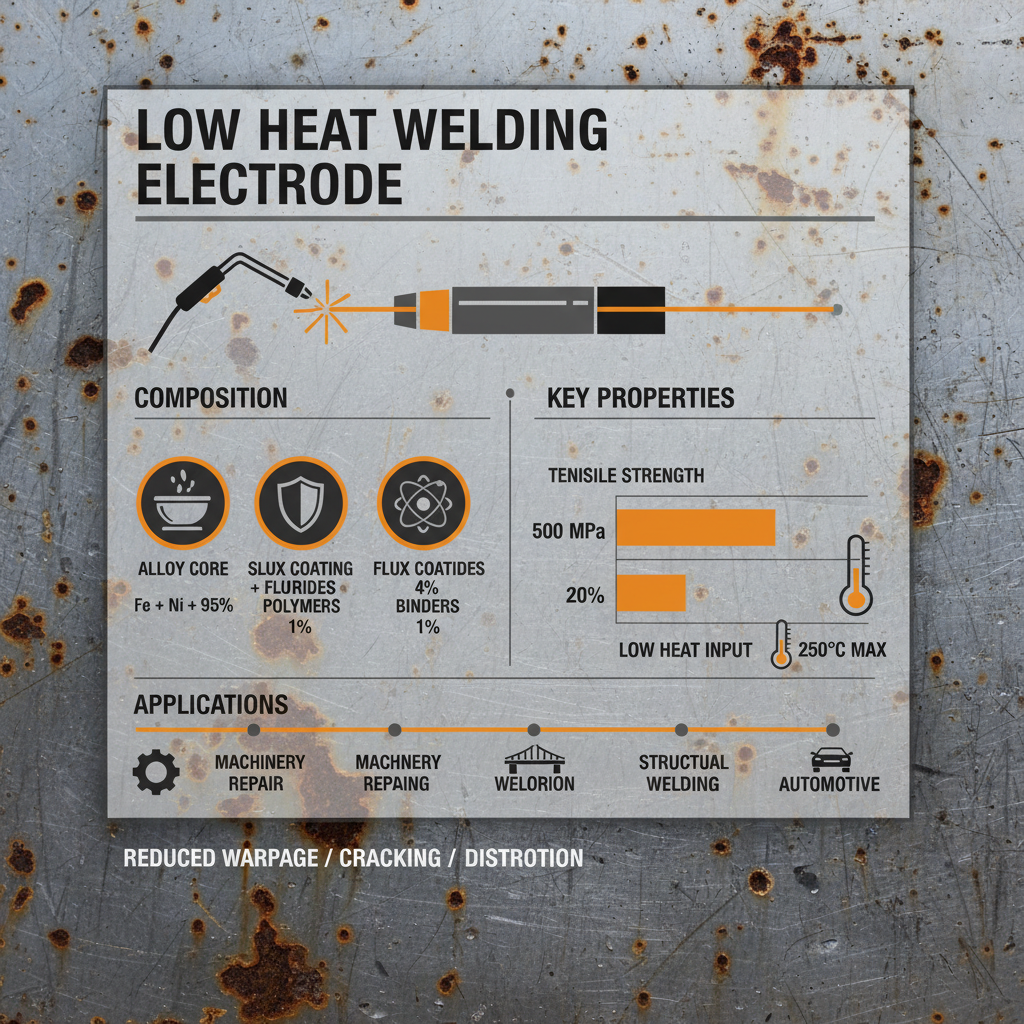
Low heat welding electrodes exhibit several key characteristics. First, they often contain higher levels of manganese and silicon, which promote austenite formation and improve weldability in steels. Second, their flux coatings are optimized for rapid ionization and arc stabilization, allowing for efficient metal transfer at lower currents.
A crucial feature is their ability to provide deep penetration without excessive heat buildup. This is particularly important when welding thicker materials or in confined spaces. Additionally, many low heat electrodes are designed for all-position welding, offering versatility in various applications.
Finally, low heat electrodes generally produce welds with lower residual stresses, reducing the risk of cracking and distortion. These characteristics collectively contribute to their superior performance in applications where minimizing heat input is critical.
Key Factors Influencing Low Heat Welding Electrode Performance
Several factors directly influence the performance of low heat welding electrodes. The electrode's composition—specifically the type and percentage of alloying elements—plays a vital role in determining its welding characteristics and the resulting weld metal properties.
The flux coating is equally important. It controls arc stability, slag formation, and shielding of the weld pool from atmospheric contamination. The type of flux influences the deposition rate, penetration, and overall weld quality.
Comparison of Low Heat Welding Electrode Types
Global Applications of Low Heat Welding Electrodes
Low heat welding electrodes find widespread application in various industries globally. In the pipeline sector, they're crucial for maintaining structural integrity during repairs and new construction, particularly in challenging environments like offshore platforms. They’re also extensively used in the shipbuilding industry for welding high-strength steels with minimal distortion.
In post-disaster relief operations, these electrodes provide a rapid and reliable means of repairing damaged infrastructure, enabling faster recovery efforts. low heat welding electrode are also utilized extensively in the aerospace industry for critical repairs and fabrication of lightweight components.
Advantages and Long-Term Value
The advantages of utilizing low heat welding electrodes are multifaceted. From a cost perspective, reduced heat input translates to lower energy consumption and faster welding speeds, improving overall productivity. Sustainably, lower energy usage lessens the environmental impact of welding operations.
The long-term value lies in enhanced weld quality, increased structural integrity, and reduced maintenance costs. The minimized distortion and cracking inherent in welds made with these electrodes contribute to greater safety and reliability, fostering trust and ensuring the longevity of welded structures.
Future Trends and Innovations in Low Heat Welding Electrodes
Future trends point toward the development of even more sophisticated low heat welding electrodes with optimized compositions and flux coatings. Research is focused on incorporating nanomaterials into electrode formulations to further enhance arc stability, metal transfer efficiency, and weld metal properties.
Digital transformation is also playing a role, with advancements in welding automation and process monitoring enabling precise control of heat input and weld parameters. Integration with artificial intelligence and machine learning could lead to self-adjusting electrodes that optimize performance based on real-time welding conditions.
The pursuit of sustainable welding practices will drive the development of eco-friendly electrode materials and manufacturing processes, reducing the environmental footprint of welding operations.
Summary of Key Considerations for Low Heat Welding Electrode Selection
| Material Compatibility |
Heat Input Sensitivity |
Welding Position |
Application Specifics |
| Carbon Steel |
Low |
All Positions |
General Purpose Welding |
| Stainless Steel |
Medium |
Flat & Horizontal |
Corrosion Resistant Applications |
| Aluminum Alloy |
High |
Flat |
Aerospace Component Repairs |
| High Strength Steel |
Low |
All Positions |
Structural Welding |
| Cast Iron |
Medium |
Flat & Horizontal |
Repair of Castings |
| Nickel Alloys |
High |
All Positions |
High Temperature Applications |
FAQS
Low heat welding electrodes minimize heat input, reducing distortion, cracking, and changes in material properties. This leads to stronger, more durable welds, particularly with heat-sensitive materials. They also offer faster welding speeds and lower energy consumption, improving productivity and reducing costs. Ultimately, they enhance the overall quality and longevity of welded structures.
While versatile, low heat welding electrodes aren't universally suitable for all metals. Their effectiveness depends on the specific alloy composition and welding requirements. They excel with low-carbon steels, high-strength steels, and some stainless steels, but may require specialized electrodes for aluminum or nickel alloys. Careful selection based on material compatibility is crucial.
The initial cost of some low heat welding electrodes can be higher than traditional electrodes. However, this is often offset by reduced energy consumption, faster welding speeds, and lower repair rates due to improved weld quality. Considering the long-term benefits and reduced maintenance costs, they often prove to be more cost-effective.
Many low heat electrodes are designed for all-position welding, meaning they can be used effectively in flat, horizontal, vertical, and overhead positions. However, certain formulations are optimized for specific positions. Always check the electrode manufacturer’s recommendations to ensure optimal performance in your application.
The flux coating plays a critical role in stabilizing the arc, shielding the weld pool from atmospheric contamination, and controlling slag formation. Different flux types provide varying levels of penetration, deposition rates, and weld metal properties. The correct flux coating ensures a smooth, consistent weld with minimal defects.
Standard welding safety precautions apply. Wear appropriate personal protective equipment (PPE), including a welding helmet, gloves, and protective clothing. Ensure adequate ventilation to avoid inhaling welding fumes. Follow the electrode manufacturer’s safety data sheet (SDS) for specific handling and storage instructions.
Conclusion
In conclusion, low heat welding electrodes represent a crucial advancement in welding technology, offering significant benefits in terms of weld quality, efficiency, and material preservation. Their ability to minimize heat input makes them indispensable for a wide range of applications, from critical infrastructure repairs to specialized manufacturing processes. Understanding their characteristics and proper application is essential for achieving optimal welding results.
Looking ahead, continued innovation in electrode materials and welding processes will further enhance their performance and sustainability. Embracing these advancements will not only improve the quality and reliability of welded structures but also contribute to a more environmentally responsible welding industry. For more information and to explore our range of low heat welding electrodes, visit our website today.