Understanding the fluctuations in hard facing electrode price is critical for industrial operators looking to balance operational longevity with procurement budgets. In the world of heavy machinery and metal fabrication, hardfacing is the primary defense against abrasive wear, impact damage, and corrosion, making the cost of these specialized consumables a key variable in total cost of ownership calculations.
Globally, the demand for high-performance welding materials has surged as mining, agriculture, and construction sectors seek to extend the lifecycle of their equipment. When analyzing the hard facing electrode price, one must consider not just the upfront cost per kilogram, but the value provided through reduced downtime and decreased frequency of component replacements.
By optimizing the selection of hardfacing materials—ranging from chromium carbides to cobalt-based alloys—companies can significantly lower their maintenance overhead. This guide provides a comprehensive analysis of what drives the hard facing electrode price and how to select the most cost-effective solution for various industrial applications.
Market Dynamics of Hard Facing Electrode Price
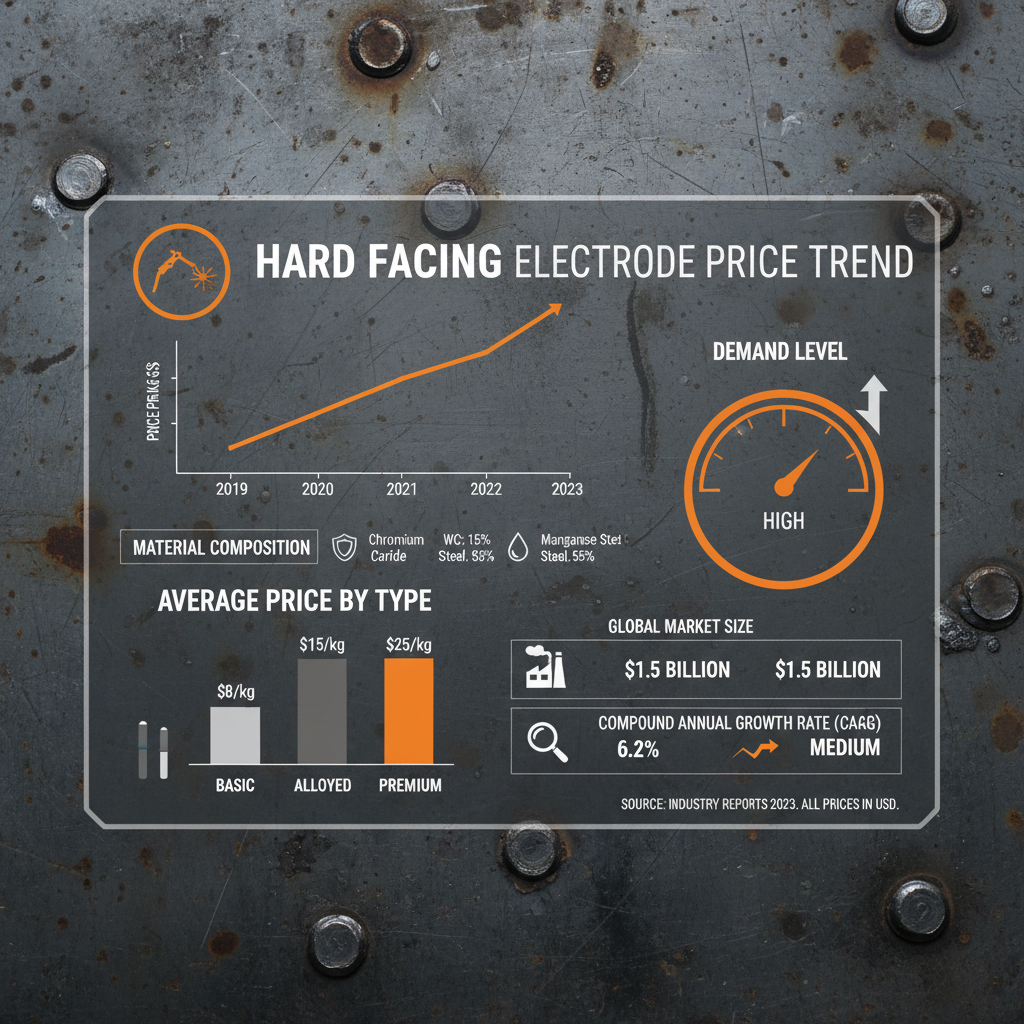
The global market for hardfacing consumables is heavily influenced by the volatility of raw material costs. The hard facing electrode price is primarily driven by the cost of alloying elements such as chromium, tungsten, and molybdenum. When these commodities spike on the global market, manufacturers must adjust their pricing to maintain quality standards, often leading to seasonal fluctuations in wholesale costs.
Furthermore, industry standards set by ISO and AWS ensure that while prices may vary, the performance characteristics remain consistent. Procurement managers often face the challenge of balancing immediate budget constraints with the long-term necessity of high-wear resistance, making it essential to track market trends to time bulk purchases effectively.
Technical Composition and Its Impact on Cost
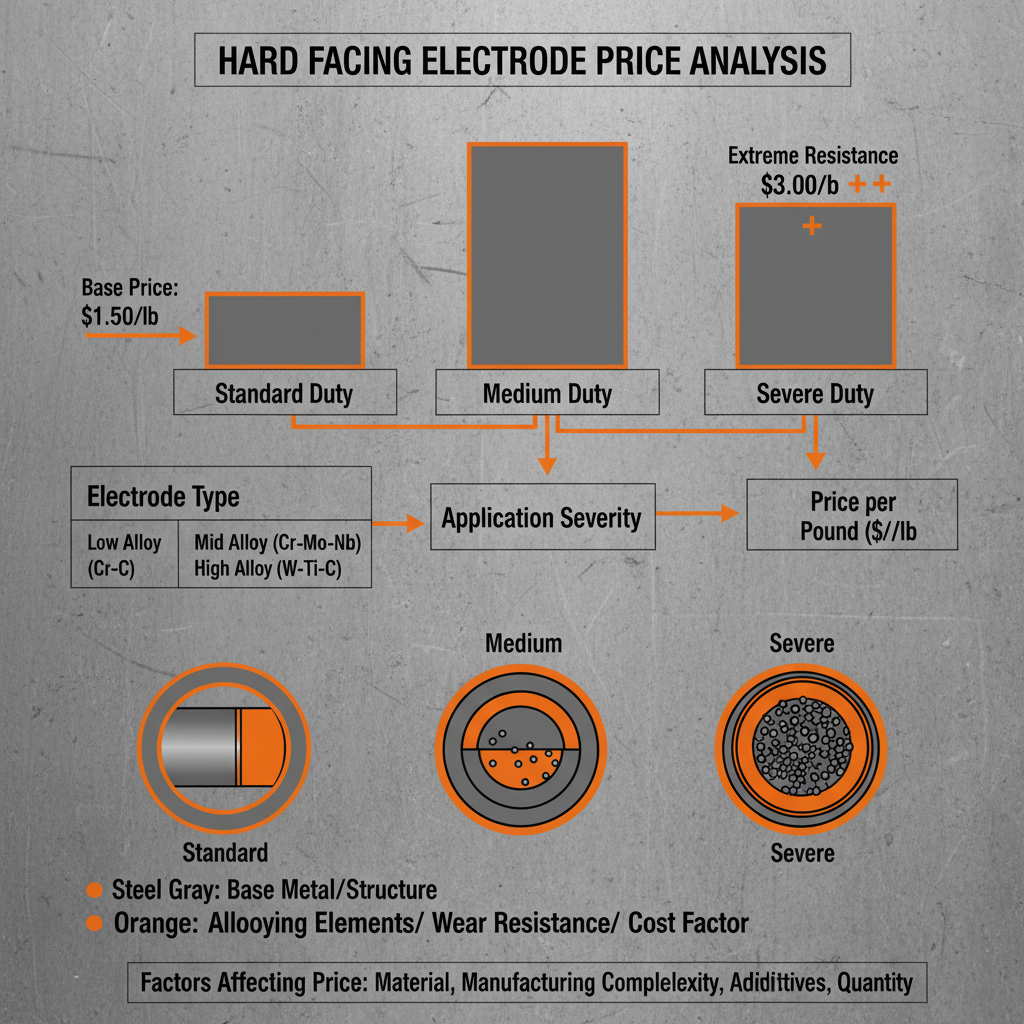
The chemistry of the electrode is the most significant determinant of the hard facing electrode price. For instance, electrodes containing high percentages of tungsten carbide are substantially more expensive than those based on simple chromium carbides. This is due to both the rarity of the materials and the more complex smelting processes required to achieve a homogeneous distribution of hard phases within the metal matrix.
Beyond raw materials, the flux coating plays a vital role in pricing. High-quality fluxes that provide superior slag detachment and lower porosity are more costly to produce but reduce the amount of post-weld grinding required. This "hidden" cost efficiency means that a slightly higher initial purchase price can lead to lower overall labor costs during the application process.
Lastly, the precision of the manufacturing process affects the final cost. Electrodes produced under strict quality control—ensuring consistent diameter and coating thickness—tend to command a premium. This consistency prevents arc instability, which reduces waste and ensures that the hard-facing layer is applied uniformly across the equipment surface.
Comparing Budget vs. Premium Hardfacing Options
When evaluating the hard facing electrode price, many users are tempted by budget-tier options. These electrodes often utilize lower-grade alloys that provide basic wear resistance but may fail prematurely under high-impact conditions, leading to more frequent maintenance cycles.
Premium electrodes, while reflecting a higher hard facing electrode price, utilize advanced metallurgy to create a "composite" effect. This means they offer both high hardness to resist abrasion and sufficient toughness to prevent cracking under heavy shock, which is essential for equipment like excavator buckets or crusher jaws.
The choice between these two tiers should be based on the specific wear environment. For light-duty applications, a budget electrode may suffice; however, for severe abrasive environments, investing in a premium product reduces the total downtime, effectively lowering the "cost per hour of operation" despite the higher initial price.
Cost-Efficiency Analysis in Industrial Applications
To truly understand the value of a specific hard facing electrode price, industries must employ a cost-benefit analysis. This involves measuring the volume of material deposited against the extension of the component's life. In mining operations, for example, using a high-cost cobalt-based electrode can extend the life of a chute by 400%, far outweighing the initial material cost.
Moreover, the efficiency of the application method (such as manual SMAW versus automated processes) impacts the total expenditure. While the electrode price is a fixed unit cost, the labor and energy required to apply it vary. Optimizing the weld bead geometry can reduce the amount of filler metal used, thereby maximizing the utility of every dollar spent on materials.
Comparison of Value Factors Relative to Hard Facing Electrode Price
Global Supply Chain and Regional Pricing Trends
The hard facing electrode price is often subject to regional variations due to logistics and import tariffs. In markets like North America and Europe, prices may include higher overheads for certification and local distribution. Conversely, sourcing directly from manufacturing hubs in Asia can significantly lower the unit price, provided that the quality standards are strictly verified.
Shipping costs and the weight of welding consumables also play a role. Because electrodes are dense and heavy, the freight cost can represent a noticeable percentage of the total delivered price. Companies that implement "just-in-case" inventory management—buying in bulk during market dips—often achieve a much lower average hard facing electrode price over the fiscal year.
Long-Term Value and ROI of Quality Electrodes
Calculating the Return on Investment (ROI) for hardfacing requires looking beyond the invoice. When a company pays a premium hard facing electrode price, they are essentially buying "insurance" against catastrophic equipment failure. A single day of unplanned downtime in a cement plant or a mine can cost tens of thousands of dollars, far exceeding the savings from cheaper electrodes.
Reliability also translates to safety. High-quality hard-facing materials are less likely to spall or flake off, which prevents foreign metal debris from entering the machinery and causing secondary damage. This reliability builds trust between the maintenance team and the production managers, ensuring that schedules are met without fear of unexpected wear-through.
From a sustainability perspective, investing in higher-quality electrodes reduces the volume of scrap metal generated. By extending the life of the base component through effective hardfacing, companies reduce the need to cast entirely new parts, thereby lowering their carbon footprint and aligning with modern ESG (Environmental, Social, and Governance) goals.
Future Innovations and Pricing Forecasts
The trajectory of the hard facing electrode price is expected to be influenced by the rise of nanotechnology and additive manufacturing. New "nano-structured" alloys are being developed that offer extreme hardness with significantly less material volume, potentially lowering the total cost of application even if the per-unit price of the electrode remains high.
Automation is another key driver. As robotic welding becomes more prevalent in hardfacing, the demand for electrodes with extremely consistent chemical properties will increase. This will likely create a bifurcated market: a standard tier for manual repair and a high-precision tier for automated surfacing, each with its own pricing structure.
Lastly, the shift toward "green steel" and sustainable mining will force a re-evaluation of alloying elements. If certain rare earths or heavy metals become restricted due to environmental policies, we may see a shift toward new, synthetic alternatives that could either stabilize or disrupt the current hard facing electrode price.
Comparative Analysis of Hardfacing Material Tiers and Costs
| Material Composition |
Price Index (1-10) |
Wear Resistance |
Recommended Use |
| Mild Steel/Basic |
2 |
Low |
General purpose buildup |
| Chromium Carbide |
5 |
Medium-High |
Agricultural plows |
| High-Tungsten |
8 |
Very High |
Mining drill bits |
| Cobalt-Stellite |
10 |
Extreme |
Valve seats/High heat |
| Nickel-Hard |
7 |
High |
Corrosive wear zones |
| Iron-Based Alloy |
4 |
Medium |
Construction buckets |
FAQS
The price variance is primarily due to the alloying elements used. Basic electrodes use iron and manganese, whereas premium ones use expensive materials like tungsten, cobalt, or high-grade chromium. Additionally, the quality of the flux coating and the precision of the manufacturing process contribute to the price difference.
It is not recommended. Budget electrodes often lack the toughness required for high-impact zones, leading to "spalling" or cracking. While the initial hard facing electrode price is lower, the cost of frequent repairs and unplanned downtime will likely far exceed the savings.
Bulk ordering significantly reduces the per-unit cost by lowering the impact of packaging and shipping. Many manufacturers offer tiered pricing discounts for orders exceeding certain weights, allowing industrial users to hedge against market price spikes.
While the base material cost is per weight, different diameters may have slight price variations due to the manufacturing complexity and the ratio of flux coating to the core wire. However, the chemical composition remains the primary price driver.
Check the certification (AWS/ISO) and the metallurgical report. A high-value electrode will provide a specific hardness (HRC) and impact toughness rating. Compare the "wear rate" in your specific application; if it lasts twice as long, it is worth a price increase of up to 90%.
Alternatives include Hardfacing Cored Wires or Thermal Spraying. While these may offer different cost structures, they often require more expensive equipment. For manual, on-site repair, electrodes remain the most cost-effective solution despite the fluctuating hard facing electrode price.
Conclusion
Navigating the complexities of the hard facing electrode price requires a shift in perspective from "purchase cost" to "operational value." By understanding how material composition, supply chain dynamics, and application efficiency interact, industrial operators can make informed decisions that protect their equipment and their bottom line. The balance of hardness and toughness, backed by reputable manufacturing standards, remains the gold standard for ensuring industrial longevity.
Looking forward, the integration of smarter materials and automated application will likely refine how we perceive welding costs. We suggest that procurement managers maintain a diverse portfolio of electrodes—using budget options for low-wear areas and premium alloys for critical components—to optimize overall spending. For high-quality, cost-effective hardfacing solutions, visit our website: www.jinlongweldingelectrode.com.