The global demand for effective and affordable welding solutions is ever-increasing, particularly as infrastructure develops and industries expand. Understanding the electric welding rod price is crucial for project managers, engineers, and procurement specialists aiming to optimize budgets without compromising quality or structural integrity. This understanding extends beyond simply finding the lowest cost; it necessitates a comprehension of material grades, application requirements, and long-term performance characteristics.
The importance of accurately assessing electric welding rod price lies in its direct impact on project profitability. Fluctuations in raw material costs, manufacturing processes, and international trade policies significantly influence these prices. A thorough knowledge of these factors allows for informed decision-making, minimizing risks associated with budget overruns and ensuring the sustainable execution of projects.
Ultimately, a grasp of the electric welding rod price landscape contributes to safer, more efficient, and more durable welded structures – vital for supporting modern infrastructure and industrial applications worldwide.
Understanding the Factors Influencing Electric Welding Rod Price
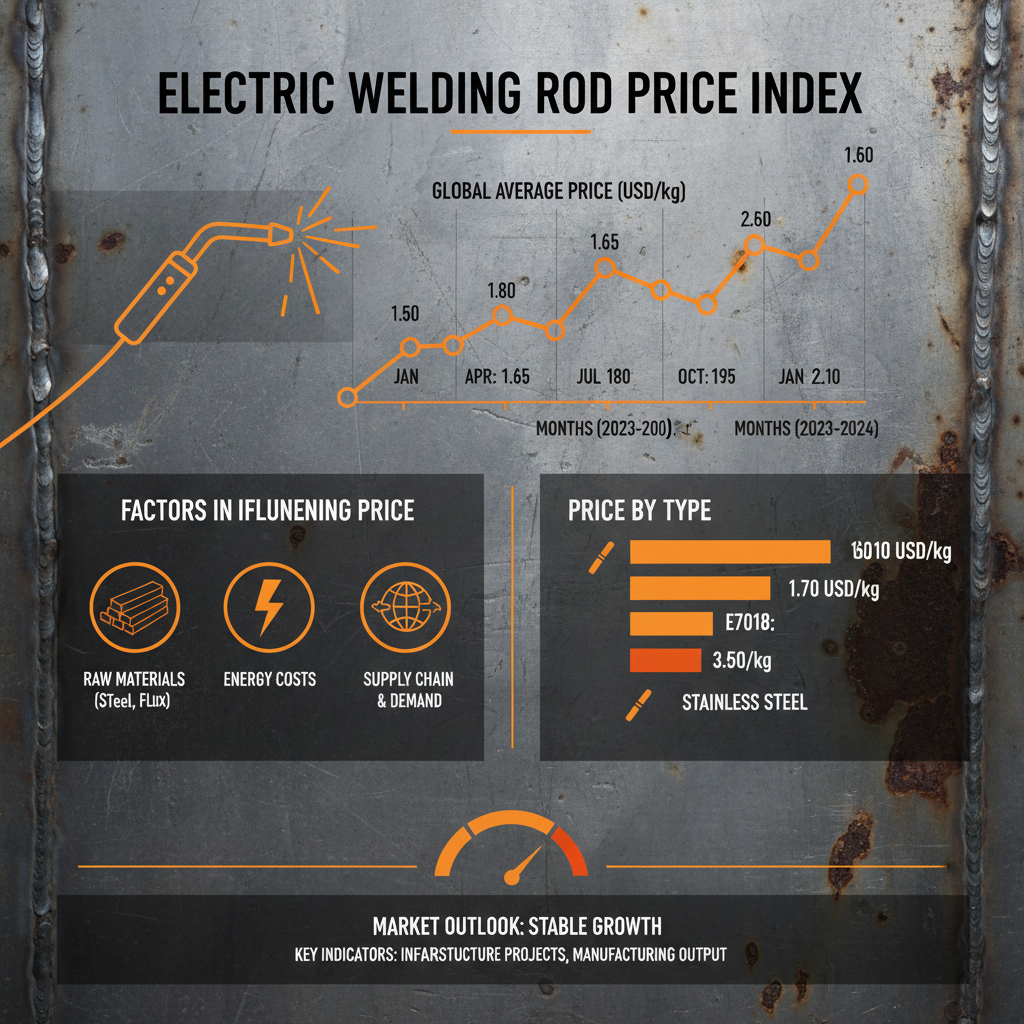
The electric welding rod price isn't simply a number assigned to a product. It's a complex equation influenced by a myriad of factors, beginning with the core raw materials like iron ore, carbon, and alloying elements. Global supply chain dynamics, including transportation costs and geopolitical stability, play a significant role. Demand, driven by industries like construction, automotive, and shipbuilding, directly affects pricing.
Furthermore, manufacturing processes, quality control standards, and certifications (like AWS standards) also contribute to the final cost. Higher quality rods, manufactured with precise control and rigorous testing, will typically command a premium price. Understanding these underlying elements is crucial when comparing quotes and negotiating with suppliers.
Defining Electric Welding Rod Price
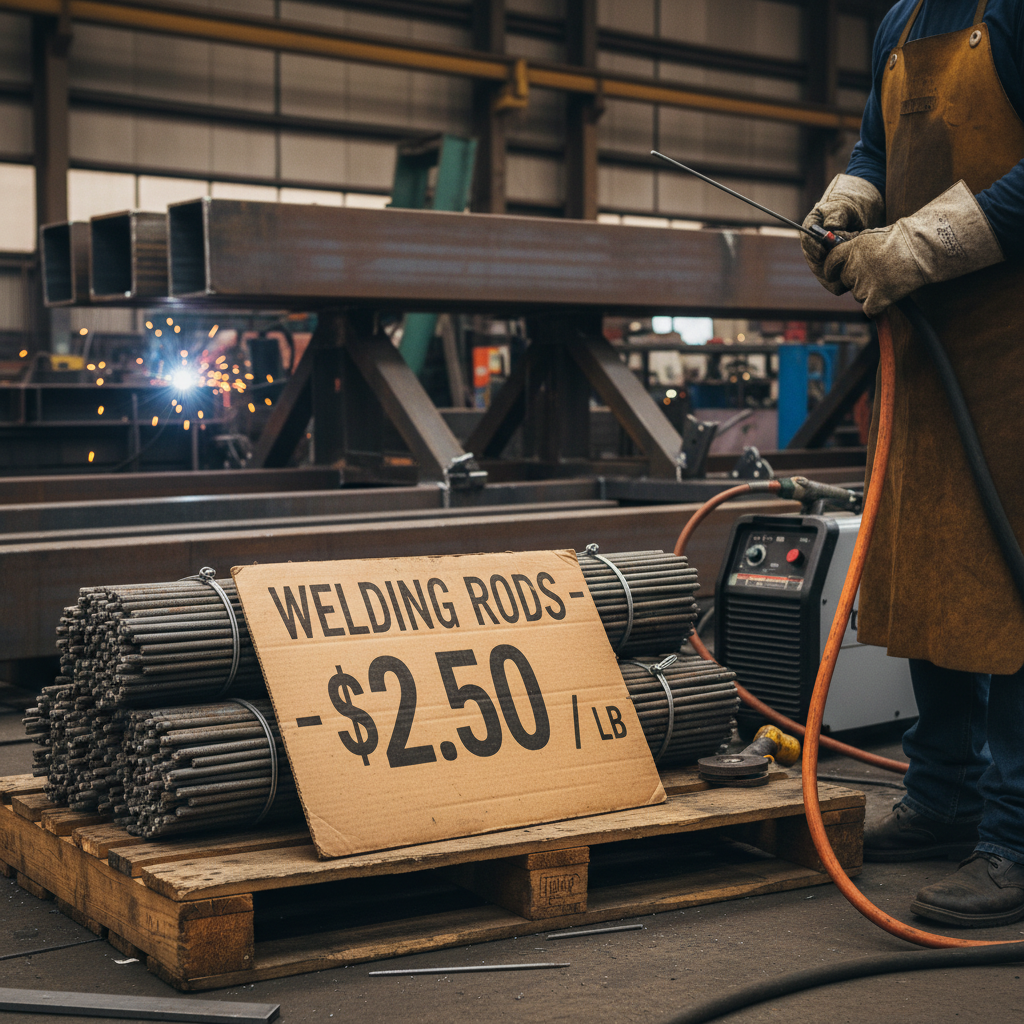
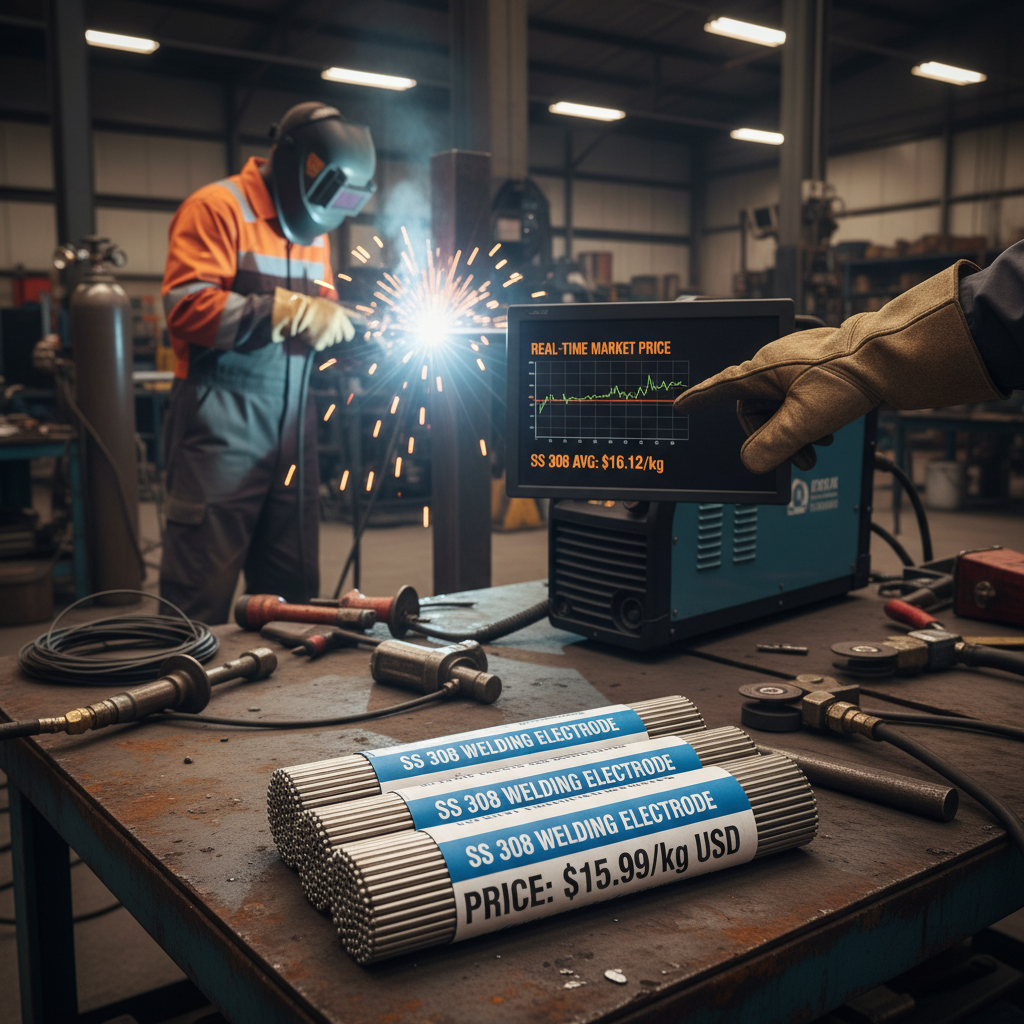
Electric welding rod price refers to the cost associated with purchasing welding electrodes used in shielded metal arc welding (SMAW), commonly known as stick welding. This price is typically quoted per kilogram or per pound, and can vary significantly based on electrode type (e.g., E6010, E7018), diameter, and quantity purchased.
It’s essential to differentiate between the “list price” and the “actual price” paid. List prices often serve as a starting point for negotiation, while actual prices are influenced by volume discounts, long-term contracts, and prevailing market conditions. Beyond the unit price, consider associated costs like shipping, handling, and potential import duties.
The accuracy in understanding electric welding rod price is vital for accurate project budgeting and cost analysis, as it directly impacts the overall economics of welding operations.
Key Components of Electric Welding Rod Pricing
One crucial element influencing electric welding rod price is the type of flux coating applied. Different flux coatings are designed for specific applications and welding positions, impacting material costs and manufacturing complexity. For instance, low-hydrogen electrodes (like E7018) require more stringent production processes and, consequently, tend to be more expensive.
Electrode diameter is another significant factor. Smaller diameter electrodes are generally cheaper per unit weight, but may require more time and skill to use for thicker materials. Conversely, larger diameter electrodes are more expensive but can deposit more weld metal per pass, potentially reducing overall welding time. The optimal diameter depends on the specific application and welding requirements.
Finally, the manufacturer's reputation and quality control standards heavily influence the price. Established brands with a proven track record for producing consistent, high-quality electrodes often charge a premium. However, this investment can translate to reduced rework, fewer defects, and improved weld integrity.
Global Applications & The Impact on Electric Welding Rod Price
The demand for electric welding rod price is globally distributed, reflecting the widespread use of welding in various industries. Massive infrastructure projects in developing nations, such as China, India, and Southeast Asia, drive substantial demand, impacting global pricing trends. In contrast, mature markets like North America and Europe focus on specialized electrodes for high-precision applications.
Industries heavily reliant on welding – including shipbuilding, automotive manufacturing, oil and gas pipelines, and construction – directly influence demand and, subsequently, price. For example, a surge in shipbuilding orders will increase demand for specific electrode types, potentially leading to price increases.
Advantages of Strategic Electric Welding Rod Price Management
Effective electric welding rod price management goes beyond simply seeking the lowest price. It involves a holistic approach that considers long-term cost savings, quality assurance, and supply chain resilience. Negotiating favorable contracts with reliable suppliers, leveraging volume discounts, and exploring alternative electrode types can significantly reduce overall welding costs.
Moreover, investing in high-quality electrodes can minimize rework and improve weld integrity, resulting in long-term cost savings and enhanced structural reliability. A strategic approach to price management ensures project profitability while maintaining the highest standards of safety and quality.
Future Trends in Electric Welding Rod Pricing
The future of electric welding rod price will be shaped by several key trends. Increasing environmental regulations are driving demand for more sustainable welding processes and materials, potentially leading to the development of eco-friendly electrodes and a shift towards lower-fume options.
Advancements in welding technology, such as robotic welding and additive manufacturing, are also influencing electrode demand. These technologies require electrodes with specific characteristics, potentially creating new market segments and pricing structures. Finally, continued geopolitical instability and supply chain disruptions are likely to contribute to price volatility.
Staying informed about these trends is critical for proactive price management and ensuring a stable supply of welding electrodes.
Challenges & Solutions Related to Electric Welding Rod Price
One of the primary challenges in managing electric welding rod price is price volatility driven by fluctuating raw material costs and global economic conditions. Another challenge is maintaining consistent quality while seeking cost-effective options. Counterfeit or substandard electrodes can compromise weld integrity and lead to costly repairs.
To mitigate these challenges, it’s essential to establish strong relationships with reputable suppliers, implement robust quality control procedures, and diversify sourcing options. Long-term contracts and strategic inventory management can also help stabilize prices and ensure a reliable supply of electrodes.
Furthermore, investing in welder training and process optimization can improve welding efficiency, reducing electrode consumption and lowering overall costs.
Analysis of Factors Affecting Electric Welding Rod Price
| Raw Material Costs |
Manufacturing Complexity |
Supplier Reputation |
Market Demand |
| High (Iron Ore Price Surge) |
Moderate (Standard Coating) |
Excellent (Established Brand) |
Stable (Consistent Demand) |
| Low (Stable Market) |
High (Low-Hydrogen) |
Good (Reliable Supplier) |
Increasing (Infrastructure Boom) |
| Moderate (Fluctuating Prices) |
Moderate (General Purpose) |
Average (New Entrant) |
Decreasing (Economic Downturn) |
| High (Geopolitical Instability) |
High (Specialty Alloy) |
Excellent (Certified Quality) |
High (Urgent Project Needs) |
| Low (Long-Term Contracts) |
Low (Simple Design) |
Good (Consistent Performance) |
Moderate (Steady Growth) |
| Moderate (Import Duties) |
Moderate (Automated Production) |
Average (Acceptable Quality) |
Low (Overstocked Market) |
FAQS
Several key factors contribute to fluctuations in electric welding rod price. These include the cost of raw materials like iron ore and carbon, global supply chain disruptions, fluctuations in energy prices, geopolitical events impacting material sourcing, and overall demand from key industries such as construction and manufacturing. Understanding these influences is crucial for predicting potential price changes and budget planning.
When comparing prices, don’t just focus on the unit cost. Consider the total cost of ownership, including shipping, handling, potential import duties, and the supplier’s reputation for quality and reliability. Also, factor in volume discounts, payment terms, and the availability of technical support. Request detailed quotes from multiple suppliers specifying all these elements for an accurate comparison.
Electrode diameter directly impacts welding costs. Smaller diameter electrodes are cheaper per unit weight but may require more passes for thicker materials, increasing labor time. Larger diameters deposit more weld metal per pass, reducing welding time but increasing the initial electrode cost. The optimal diameter depends on the material thickness and welding position, balancing material costs with labor efficiency.
Yes, there's growing demand for eco-friendly electrodes with lower fume emissions and reduced environmental impact. These typically come at a slightly higher price point due to specialized manufacturing processes. However, the long-term benefits—improved worker safety, reduced ventilation costs, and enhanced corporate sustainability—can outweigh the initial price difference. Investing in these options reflects responsible environmental practices.
AWS (American Welding Society) certifications are a strong indicator of quality and performance. Electrodes meeting AWS standards typically command a premium price because manufacturers must adhere to rigorous testing and quality control procedures. These certifications ensure the rods meet specific mechanical and chemical properties, guaranteeing weld integrity and reliability, reducing potential rework and project delays.
Long-term contracts with suppliers can provide price stability and security of supply, mitigating the risks associated with market fluctuations. These contracts typically involve pre-negotiated pricing for a specific period, protecting buyers from sudden price increases. However, it's crucial to carefully evaluate contract terms, including quantity commitments and potential price adjustment clauses, to ensure a mutually beneficial agreement.
Conclusion
In conclusion, understanding the complexities of electric welding rod price is paramount for successful project management and cost control. From raw material fluctuations to manufacturing processes and global market dynamics, numerous factors influence the final cost. A strategic approach that considers quality, supplier relationships, and future trends is essential.
Looking ahead, embracing sustainable welding practices and leveraging technological advancements will be key to optimizing electrode costs and ensuring long-term reliability. We encourage you to explore our wide range of welding electrodes at www.jinlongweldingelectrode.com and contact our expert team for personalized solutions to meet your specific welding needs.