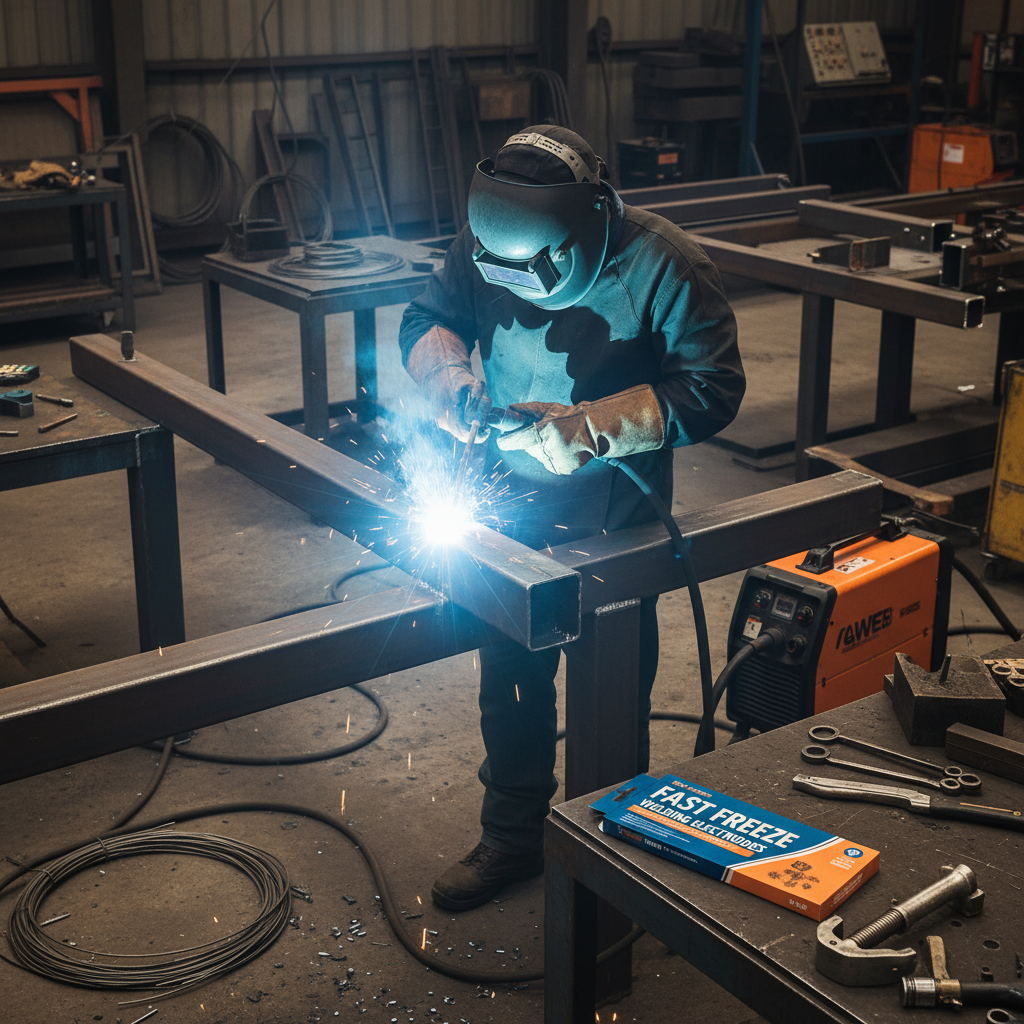
The humble electrode of welding is a cornerstone of modern civilization, silently enabling the construction of bridges, skyscrapers, automobiles, and countless other structures that define our world. Its impact extends far beyond mere construction; it underpins essential infrastructure maintenance, manufacturing processes, and even artistic endeavors. Understanding the principles and advancements in electrode of welding technology is crucial for engineers, technicians, and anyone involved in industries reliant on robust and reliable joining methods.
Globally, the demand for high-quality welding solutions, and thus effective electrodes of welding, continues to rise. Driven by infrastructure projects in developing nations, advancements in automotive manufacturing, and the growing need for renewable energy infrastructure, the welding industry represents a multi-billion dollar market. According to recent ISO reports, welding processes account for a significant portion of the overall fabrication budget in many major industrial sectors, highlighting the economic importance of optimizing electrode performance and selection.
However, challenges remain in optimizing welding processes for diverse materials, reducing environmental impact, and enhancing worker safety. Innovations in electrode composition, coating materials, and automated welding techniques are constantly being developed to address these concerns and unlock new possibilities in fabrication and repair. The effective use of an electrode of welding requires a nuanced understanding of metallurgy, electrical engineering, and process control.
The Foundation of Modern Infrastructure
The electrode of welding isn’t simply a consumable; it's the catalyst for joining materials, creating durable bonds that hold our world together. Its composition and manufacturing process directly impact the integrity of the weld, influencing its strength, ductility, and resistance to corrosion. Without a reliable electrode of welding, large-scale construction projects, pipeline maintenance, and even delicate repair work would be significantly hampered.
The selection of the appropriate electrode of welding is therefore paramount, depending on the materials being joined, the welding environment, and the required mechanical properties of the finished product. Different electrode types cater to specific applications, such as high-strength steel welding, stainless steel fabrication, or aluminum joining. Careful consideration of these factors ensures a successful and long-lasting weld.
Defining the Electrode of Welding
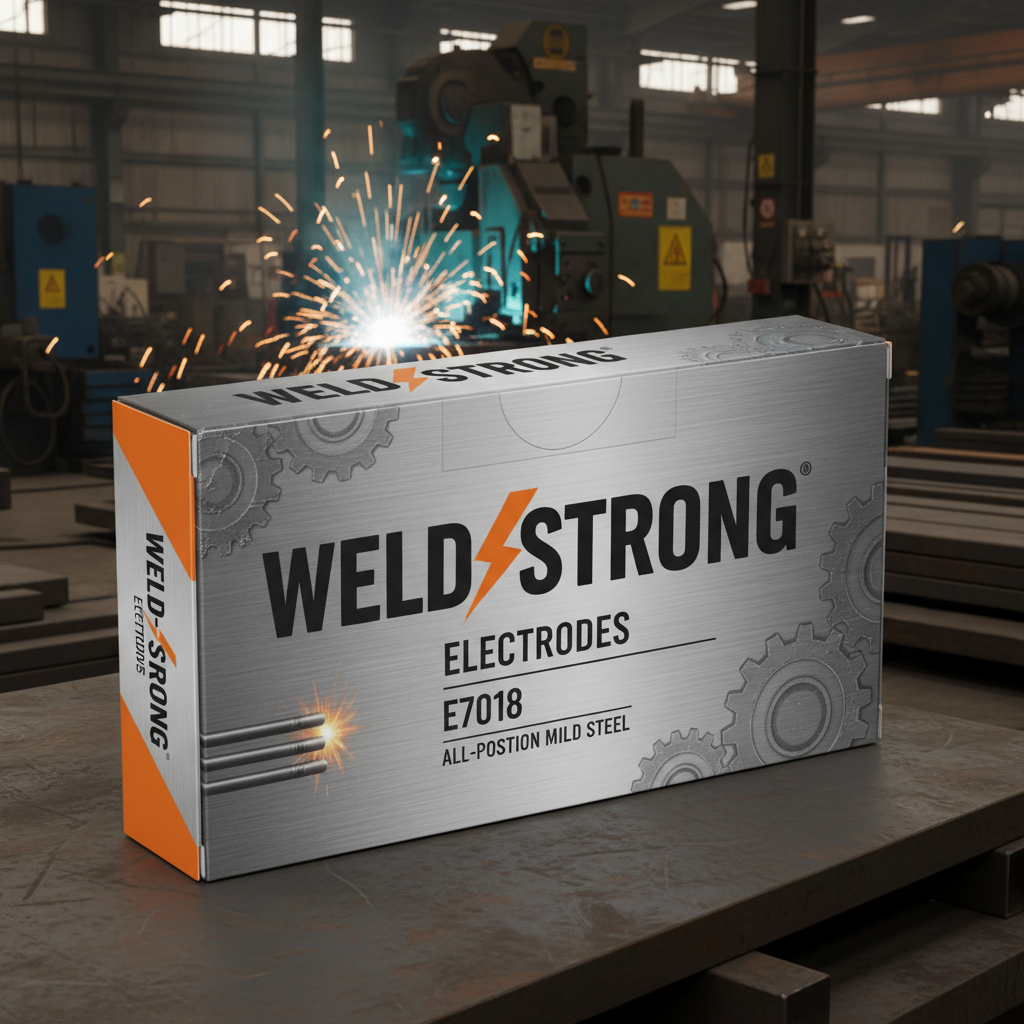
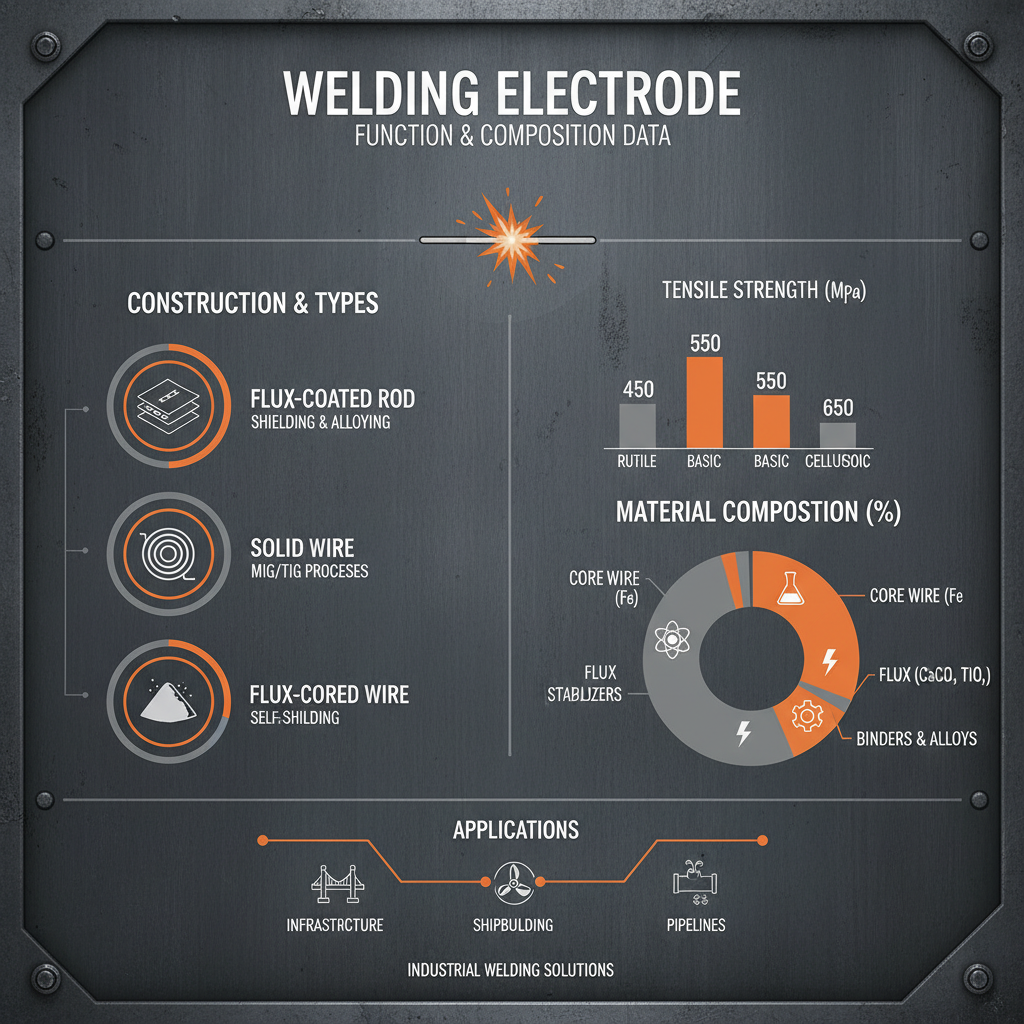
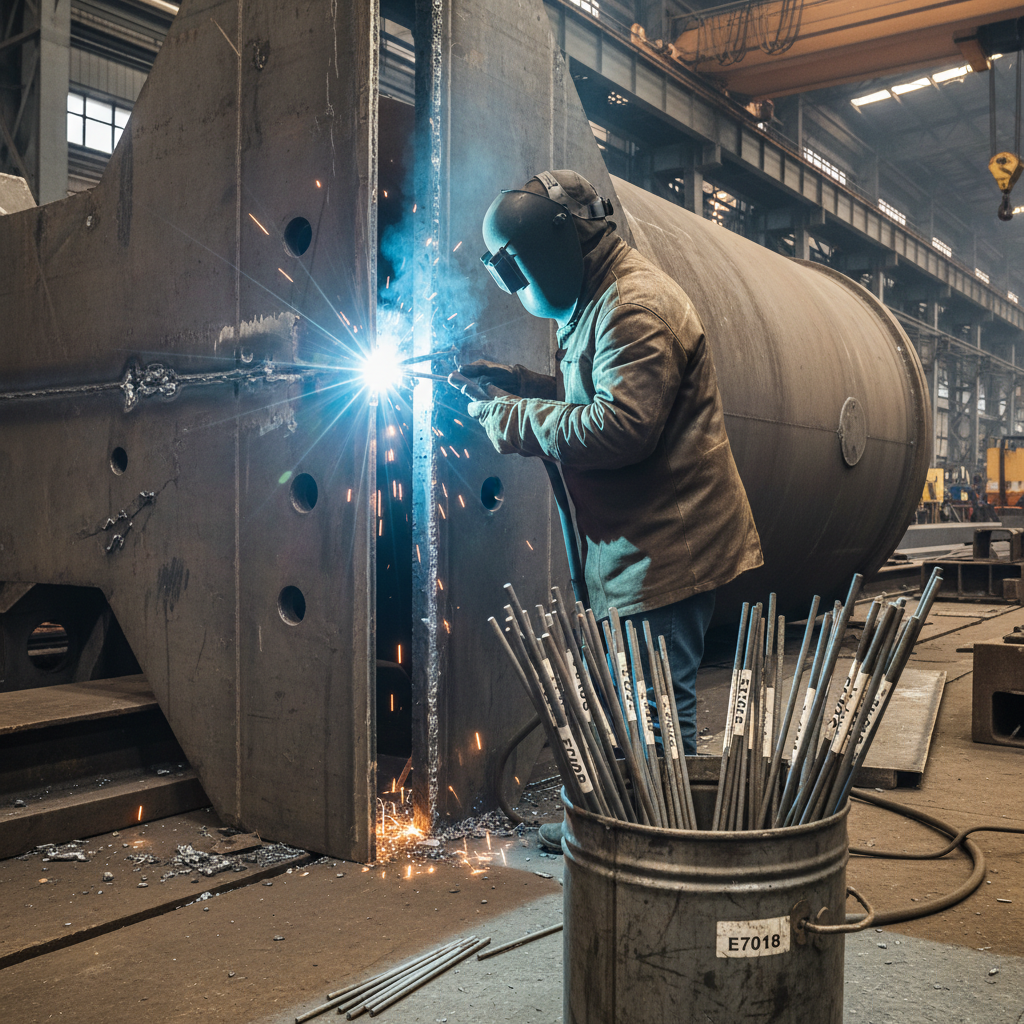
At its core, an electrode of welding is a conductor through which electric current passes to create a weld. It provides the filler metal which, when melted, joins the base materials. Electrodes come in various forms, including stick electrodes (covered in flux), TIG (tungsten inert gas) electrodes, and MIG (metal inert gas) wires. Each type employs a different welding process and is suited to different materials and applications.
The modern electrode of welding is a product of continuous innovation, evolving from simple carbon rods to sophisticated composite materials designed for specific performance characteristics. The flux coating on stick electrodes, for example, not only stabilizes the arc but also introduces alloying elements, deoxidizes the weld pool, and forms a protective slag layer.
This technology directly supports modern industry by providing a cost-effective and efficient method for joining materials, essential in manufacturing, construction, and repair sectors. Furthermore, advancements in electrode of welding technologies have broad humanitarian implications, facilitating rapid repairs of critical infrastructure in disaster-stricken areas and enabling the construction of shelters and essential facilities.
Core Components of Electrode Performance
Several key factors determine the performance and suitability of an electrode of welding. Tensile Strength defines the electrode’s ability to withstand stress without breaking, crucial for structural applications. Ductility refers to its ability to deform under stress, preventing brittle fractures.
Weldability, a measure of how easily the electrode creates a sound weld with specific base materials, is heavily influenced by the electrode's composition and coating. Corrosion Resistance is vital in environments prone to rust or chemical attack, necessitating electrodes with appropriate alloying elements.
Finally, Arc Stability describes the consistency and ease of maintaining a stable welding arc. A stable arc leads to a cleaner, more uniform weld, reducing the need for costly rework. These qualities, and how well an electrode delivers them, dictate its effectiveness in a given welding scenario and influence the overall quality of the finished product.
Practical Applications Across Industries
The applications of electrode of welding are incredibly diverse. In the automotive industry, electrodes are used extensively in the manufacturing of car bodies, chassis, and exhaust systems. The shipbuilding industry relies heavily on high-strength electrodes for constructing ship hulls and internal structures.
The construction sector employs electrode of welding in bridge building, skyscraper construction, and the fabrication of steel frameworks. Pipeline maintenance, vital for transporting oil and gas, frequently requires specialized electrodes for repairing corroded or damaged pipes. Even in the aerospace industry, precise welding with advanced electrodes is essential for constructing aircraft components.
Electrode of Welding Performance by Method
Long-Term Benefits and Value Proposition
Investing in high-quality electrode of welding delivers significant long-term benefits. Reduced rework, increased weld integrity, and longer service life of fabricated structures translate directly into cost savings. The use of electrodes designed for specific materials minimizes the risk of weld defects and premature failure.
Furthermore, advancements in electrode technology contribute to sustainability by reducing material waste and minimizing the need for costly repairs. Employing efficient welding practices enhances worker safety by reducing exposure to hazardous fumes and improving overall working conditions. Trust in a reliable electrode of welding translates to trust in the quality and longevity of the finished product.
Future Trends and Technological Innovations
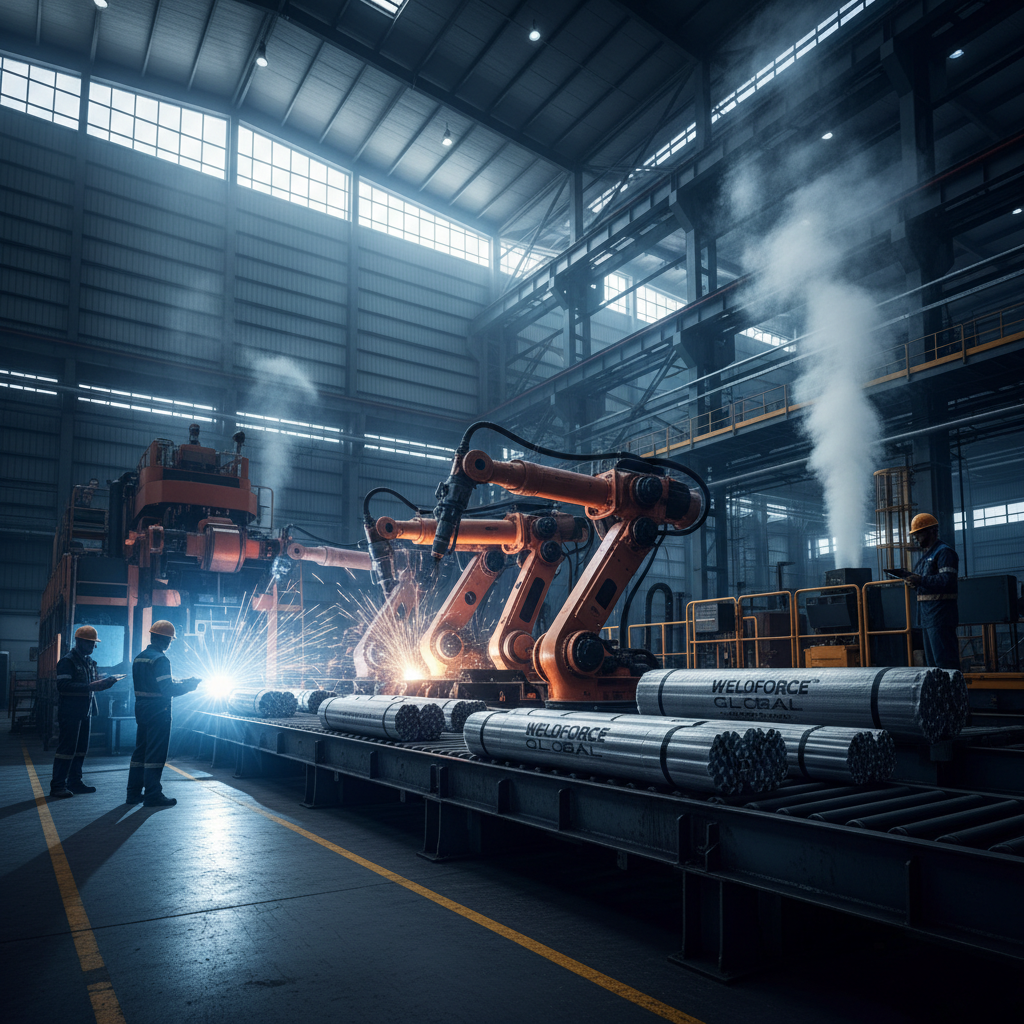
The future of electrode of welding is marked by several exciting trends. The development of self-shielded flux-cored electrodes with improved mechanical properties is gaining traction, offering enhanced performance in challenging environments. Automation and robotic welding, coupled with advanced electrode control systems, are streamlining production processes and increasing efficiency.
Research into novel electrode compositions incorporating nanotechnology and advanced alloys promises to unlock new levels of weld strength, ductility, and corrosion resistance. The integration of digital technologies, such as real-time weld monitoring and data analytics, is enabling predictive maintenance and improved quality control.
Sustainable welding practices, utilizing electrodes with reduced environmental impact and optimized energy consumption, are also becoming increasingly important. This aligns with global initiatives towards green manufacturing and a circular economy.
Challenges and Innovative Solutions
Despite advancements, several challenges remain in the field of electrode of welding. Ensuring consistent electrode quality across different manufacturers and production batches is a continual concern. Welding dissimilar metals, which often require specialized electrodes and techniques, can be particularly complex.
Addressing the skills gap in welding, through comprehensive training programs and certification schemes, is crucial for maintaining a qualified workforce. Innovative solutions, such as adaptive welding control systems that automatically adjust welding parameters based on real-time feedback, are helping to overcome these challenges and improve weld quality.
Furthermore, ongoing research into advanced electrode coatings and filler materials is aimed at mitigating common weld defects, such as porosity and cracking, and enhancing the overall reliability of welded joints. Utilizing advanced modeling and simulation to optimize electrode design is also proving effective.
Summary of Electrode of Welding Performance Characteristics
| Electrode Type |
Material Compatibility |
Arc Stability (1-10) |
Typical Applications |
| E6010 |
Carbon Steel |
8 |
Pipeline Welding, Maintenance |
| E7018 |
Carbon & Low Alloy Steel |
9 |
Structural Steel, General Fabrication |
| ER70S-6 |
Carbon Steel |
7 |
MIG Welding of Sheet Metal |
| EWTh-2 |
Aluminum |
6 |
TIG Welding of Aluminum Alloys |
| E308L-16 |
Stainless Steel |
7 |
Food Processing Equipment, Chemical Tanks |
| E11018 |
High-Strength Low Alloy Steel |
8 |
Heavy Equipment, Construction Machinery |
FAQS
SMAW (Shielded Metal Arc Welding), also known as stick welding, utilizes a flux-coated electrode that creates its own shielding gas. GMAW (Gas Metal Arc Welding), or MIG welding, uses a continuously fed wire electrode and an externally supplied shielding gas. GMAW is typically faster and produces cleaner welds, while SMAW is more versatile for outdoor applications and less expensive equipment-wise.
Selecting the correct electrode for stainless steel is critical to prevent corrosion. E308L-16 is a common choice, providing good corrosion resistance and weldability. The 'L' indicates low carbon content, which minimizes carbide precipitation and preserves corrosion resistance. Consider the specific grade of stainless steel being welded, as different alloys may require specialized electrodes.
Welding presents several hazards, including exposure to fumes, ultraviolet radiation, and electric shock. Mitigation strategies include wearing appropriate personal protective equipment (PPE) such as a welding helmet, gloves, and a respirator. Ensuring proper ventilation is crucial to minimize fume inhalation, and following safe electrical practices prevents shock hazards.
The flux coating performs several vital functions. It creates a shielding gas to protect the weld pool from atmospheric contamination, introduces alloying elements to enhance weld properties, deoxidizes the molten metal, and forms a slag layer that insulates the weld and slows cooling. This all contributes to a stronger, cleaner, and more durable weld.
Electrode diameter significantly affects weld penetration, deposition rate, and amperage requirements. Larger diameter electrodes generally require higher amperage and deliver a faster deposition rate, suitable for thicker materials. Smaller diameter electrodes offer better control and are ideal for thin materials or intricate welds. Choosing the appropriate diameter is essential for achieving the desired weld characteristics.
While some electrodes offer a degree of versatility, it’s generally best to select an electrode specifically designed for the base metal being welded. Using an inappropriate electrode can lead to weld defects, reduced strength, and potential failure. Always consult welding charts and specifications to ensure compatibility between the electrode and the base material.
Conclusion
The electrode of welding stands as a vital, often unsung, component of modern infrastructure and manufacturing. From enabling the construction of towering skyscrapers to facilitating critical repairs in remote locations, its impact is pervasive and profound. Understanding the core principles of electrode selection, performance characteristics, and emerging trends is essential for anyone involved in welding or related industries.
Looking ahead, continuous innovation in electrode technology, coupled with advancements in automation and digital control, will unlock even greater possibilities for efficient, reliable, and sustainable welding practices. We encourage you to explore our comprehensive range of electrodes and solutions at www.jinlongweldingelectrode.com to find the perfect fit for your next project.