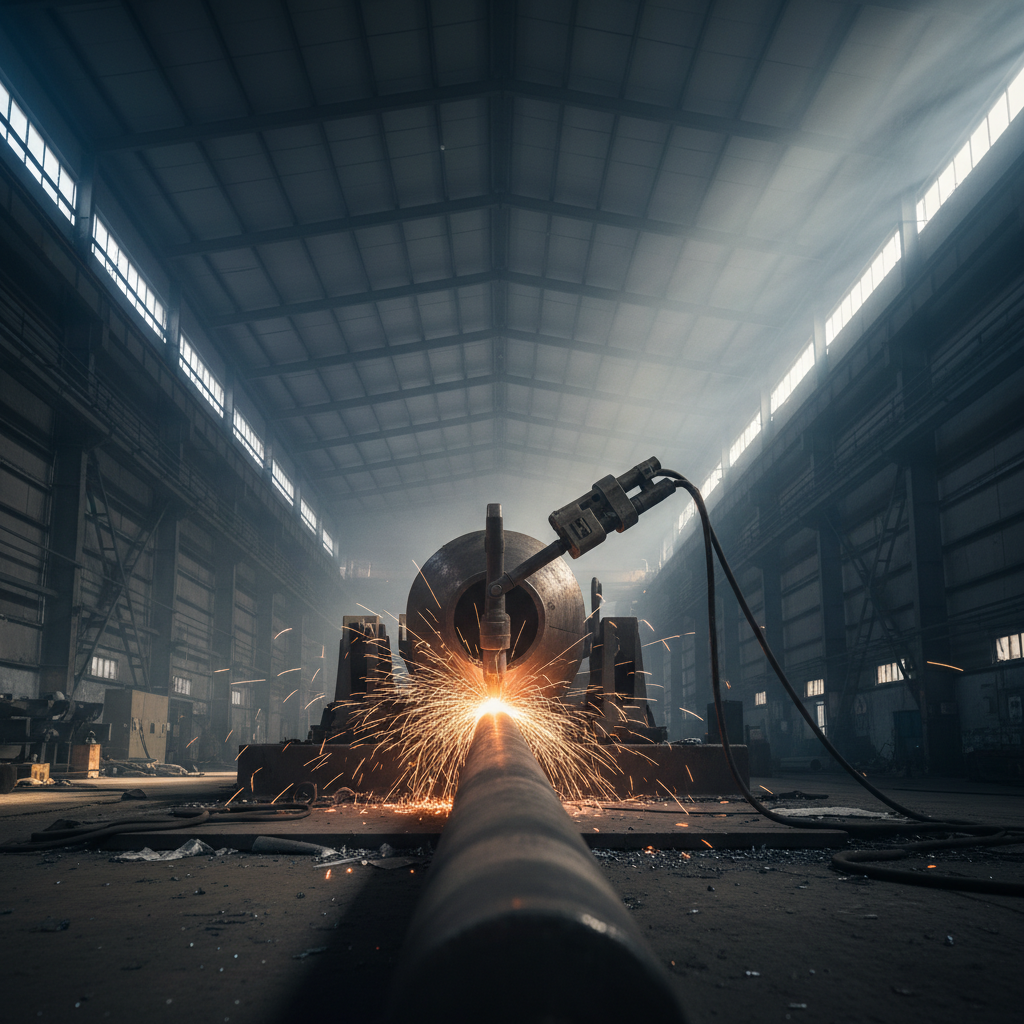
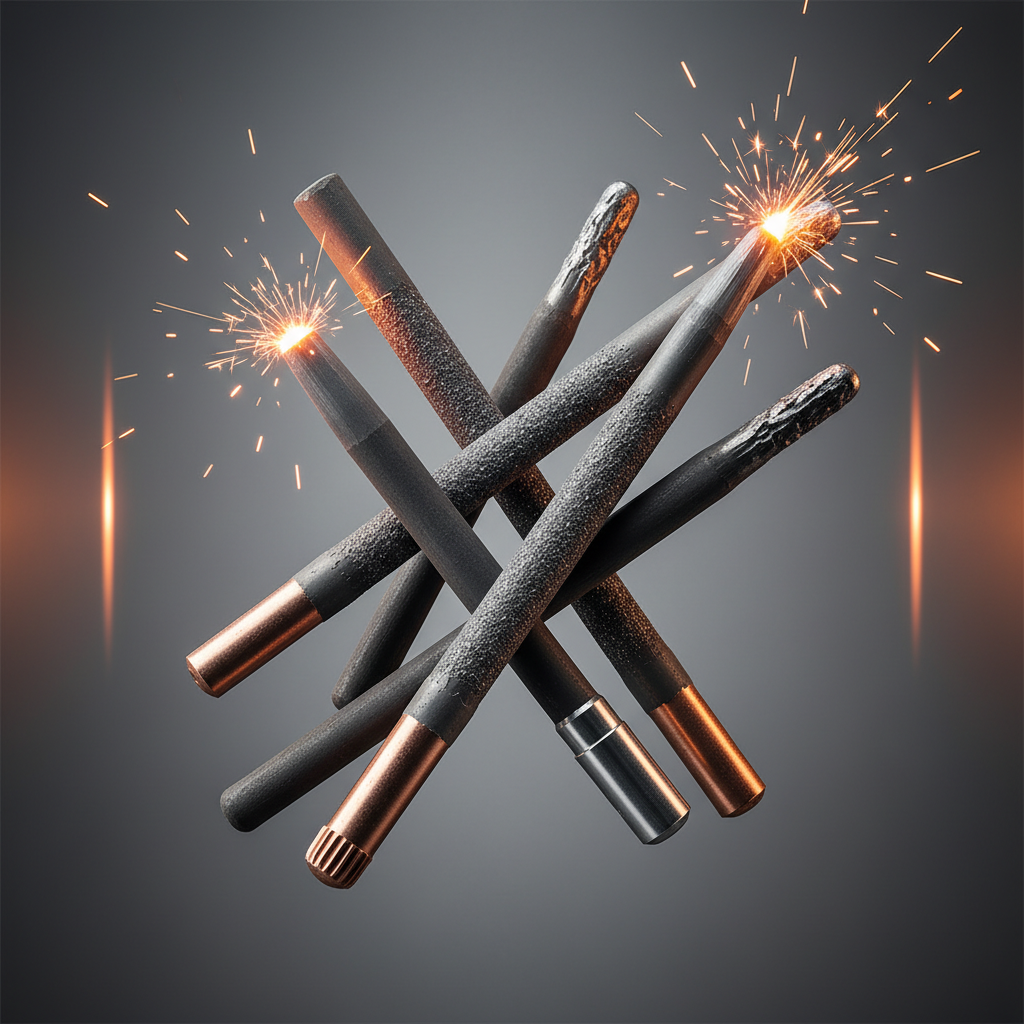
Electrode wire welding is a foundational process in modern manufacturing, construction, and repair. Its ability to join metals efficiently and reliably makes it indispensable across a vast range of industries. Understanding the nuances of electrode wire welding – from material selection to technique optimization – is crucial for ensuring structural integrity, product quality, and operational safety. This knowledge is especially important in a globalized world where interconnected supply chains and complex infrastructure projects rely on consistent and high-performing welding processes. electrode wire welding ensures strong, durable bonds.
The global demand for skilled welders and advanced welding technologies continues to grow, driven by infrastructure development in emerging economies and the increasing need for maintenance and repair in established industrial nations. According to the World Bank, infrastructure investment is a key driver of economic growth, and welding plays a pivotal role in constructing bridges, buildings, pipelines, and transportation systems. Furthermore, the International Organization for Standardization (ISO) sets rigorous standards for welding procedures and materials, emphasizing the importance of quality control and safety.
Challenges like material scarcity, the need for sustainable practices, and the rising cost of energy are pushing innovation in electrode wire welding. Developing more efficient welding techniques, utilizing recycled materials, and adopting automation are key to addressing these challenges and ensuring the long-term viability of this critical process.
The Fundamentals of Electrode Wire Welding
At its core, electrode wire welding relies on creating a strong metallurgical bond between two or more metal pieces. This is achieved by melting the base metals and, in many cases, a filler metal (the electrode wire) using a source of heat – typically an electric arc. The quality of this bond depends on several crucial parameters, including the type of electrode wire used, the welding current, voltage, travel speed, and shielding gas employed. electrode wire welding requires careful control of these variables.
Different electrode wire compositions offer varying mechanical properties, corrosion resistance, and suitability for specific base metals. Understanding these differences is paramount for selecting the appropriate wire for the application. Factors like tensile strength, yield strength, and elongation are critical considerations when choosing an electrode.
Defining Electrode Wire Welding
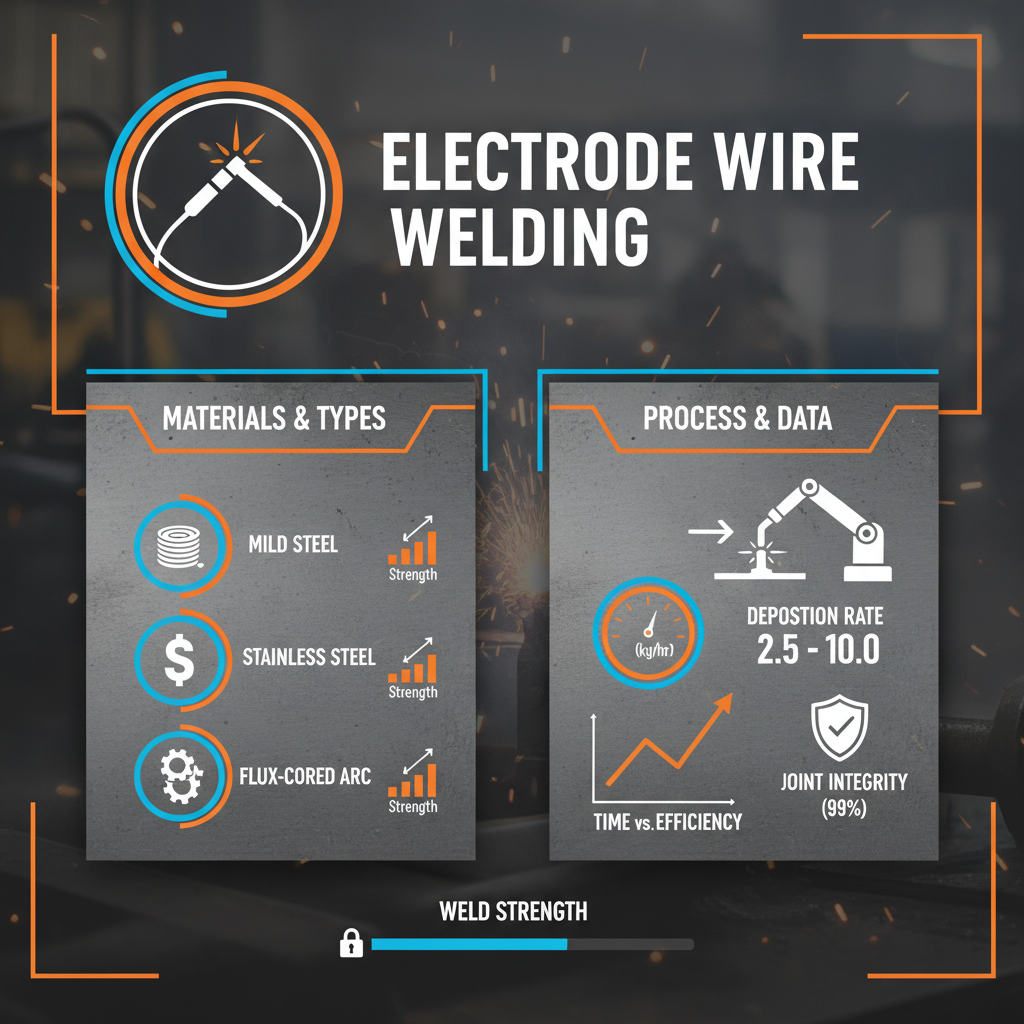
Electrode wire welding encompasses a group of welding processes that utilize a continuously fed electrode wire to join materials. Common types include Gas Metal Arc Welding (GMAW, also known as MIG welding), Flux-Cored Arc Welding (FCAW), and Submerged Arc Welding (SAW). Each method has its unique advantages and disadvantages, making it suitable for different applications and materials. The fundamental principle, however, remains the same: to create a fused joint through the controlled application of heat and filler metal.
This process is deeply connected to modern industry, enabling the mass production of everything from automobiles and aircraft to pipelines and infrastructure. It’s also critical in humanitarian efforts; for instance, rapidly deployable shelters can be constructed using electrode wire welding techniques, providing safe and durable housing in disaster-stricken areas.
The increasing demand for automation in manufacturing is driving further innovation in electrode wire welding, leading to the development of robotic welding systems that enhance precision, efficiency, and safety.
Key Factors Influencing Welding Performance
Durability is a primary concern in electrode wire welding. The weld must withstand the stresses and strains of its intended application without failing. Factors like electrode wire composition, welding parameters, and joint design all contribute to weld durability. Selecting the correct wire for the base metal, along with proper pre- and post-weld heat treatment, is essential.
Scalability refers to the ability to adapt the welding process to different production volumes and project sizes. Automated welding systems offer excellent scalability, allowing for consistent, high-quality welds on large-scale projects. Conversely, manual welding is more suitable for smaller, customized applications.
Cost-efficiency is crucial for maintaining profitability. Electrode wire selection directly impacts cost; some wires are more expensive than others but offer superior performance or longevity. Optimizing welding parameters to minimize material waste and maximize welding speed can also significantly reduce costs.
Global Applications and Industry Sectors
Electrode wire welding finds applications in a diverse array of industries. The automotive sector heavily relies on it for chassis assembly, body panel fabrication, and exhaust system welding. The shipbuilding industry utilizes it for constructing massive hulls and superstructures. The aerospace industry employs specialized welding techniques for creating lightweight, high-strength components.
In post-disaster relief operations, electrode wire welding is utilized for building temporary shelters, repairing infrastructure, and fabricating essential equipment. In remote industrial zones like oil and gas platforms, it’s essential for pipeline construction and maintenance. Across North America, Europe, and Asia, infrastructure projects – bridges, tunnels, and high-speed rail lines – depend on the robust joining capabilities of electrode wire welding.
Furthermore, the energy sector – particularly renewable energy – utilizes electrode wire welding for constructing wind turbine towers, solar panel mounting structures, and hydroelectric power plants.
Comparison of Electrode Wire Welding Methods
Advantages and Long-Term Value Proposition
The primary advantage of electrode wire welding is its efficiency. Continuous wire feed allows for faster welding speeds compared to manual processes. This translates directly into reduced labor costs and increased productivity. Furthermore, the consistent weld quality achievable with automated systems minimizes rework and scrap. electrode wire welding can also promote sustainability.
From a long-term perspective, electrode wire welding contributes to the reliability and longevity of structures and products. Properly executed welds ensure structural integrity, reducing the risk of failure and extending service life. This not only saves on maintenance and repair costs but also enhances safety and minimizes environmental impact.
Future Trends and Innovations in Welding
The future of electrode wire welding is heavily influenced by advancements in automation, artificial intelligence, and materials science. Robotic welding systems are becoming increasingly sophisticated, incorporating sensors and machine learning algorithms to optimize welding parameters in real-time. This leads to improved weld quality, reduced defects, and increased efficiency.
The development of new electrode wire alloys with enhanced properties – such as higher strength, improved corrosion resistance, and better weldability – is also a key trend. Furthermore, research into additive manufacturing techniques, like wire arc additive manufacturing (WAAM), is expanding the possibilities for creating complex geometries and customized components.
Sustainability is another driving force. Developing welding processes that minimize energy consumption, reduce waste, and utilize recycled materials is crucial for reducing the environmental footprint of manufacturing and construction.
Common Challenges and Innovative Solutions
One of the major challenges in electrode wire welding is maintaining consistent weld quality in varying environments and with different base metals. Factors like wind, temperature, and surface contamination can all affect weld performance. Innovative solutions include advanced shielding gas systems, real-time monitoring of welding parameters, and automated cleaning procedures.
Another challenge is the potential for defects, such as porosity, cracks, and incomplete fusion. These defects can compromise the structural integrity of the weld. Techniques like preheating, post-weld heat treatment, and non-destructive testing (NDT) are used to mitigate these risks.
A critical ongoing challenge is addressing the shortage of skilled welders. Investing in training programs, promoting welding as a viable career path, and developing user-friendly robotic welding systems are essential for closing this skills gap.
Analysis of Common Electrode Wire Welding Challenges and Solutions
| Challenge Area |
Severity (1-10) |
Current Mitigation Techniques |
Potential Future Solutions |
| Weld Porosity |
7 |
Shielding gas optimization, surface cleaning |
AI-powered arc control, advanced gas mixtures |
| Cracking |
8 |
Preheating, post-weld heat treatment, material selection |
Self-healing alloys, laser-assisted welding |
| Incomplete Fusion |
6 |
Increased heat input, joint preparation |
Ultrasonic welding assistance, adaptive welding parameters |
| Weld Distortion |
5 |
Clamping, backstepping, balanced welding |
Real-time distortion monitoring and correction |
| Skilled Labor Shortage |
9 |
Training programs, apprenticeship initiatives |
Automated welding robots, remote welding assistance |
| Material Costs |
7 |
Optimized wire selection, waste reduction |
Recycled materials, alternative wire compositions |
FAQS
MIG (Gas Metal Arc Welding) is generally faster and more suitable for thicker materials and production environments due to its continuous wire feed. TIG (Gas Tungsten Arc Welding) offers more precision and control, making it ideal for intricate work and thinner materials. TIG also doesn't produce slag, resulting in cleaner welds. Both rely on shielding gas, but MIG uses a consumable electrode wire as filler, while TIG uses a non-consumable tungsten electrode and separate filler material. Selecting the appropriate process depends on the specific application and desired weld quality.
Choosing the correct electrode wire is crucial for a successful weld. Consider the base metal's composition, the desired weld strength, and the welding position. Factors like tensile strength, yield strength, and elongation should be matched to the application's requirements. Different wires are optimized for specific materials like carbon steel, stainless steel, and aluminum. Always consult material data sheets and welding guidelines to ensure compatibility and optimal performance. electrode wire welding benefits from correct wire selection.
Porosity, or the presence of gas pockets in the weld, is a common defect. It’s often caused by contamination on the base metal, insufficient shielding gas, or moisture in the electrode wire. To prevent porosity, thoroughly clean the base metal before welding, ensure adequate shielding gas coverage, and store electrode wire in a dry environment. Using a high-quality electrode wire and properly maintaining your welding equipment can also minimize the risk of porosity.
Electrode wire welding involves several hazards. Always wear appropriate personal protective equipment (PPE), including a welding helmet with auto-darkening filter, welding gloves, a flame-resistant jacket, and safety glasses. Ensure adequate ventilation to avoid inhaling fumes. Be aware of the risk of electric shock and fire. Follow proper grounding procedures and keep flammable materials away from the welding area. A safe work environment is paramount.
Improving welding skills requires practice and dedication. Start with fundamental techniques and gradually increase complexity. Take advantage of welding courses, workshops, and online resources. Seek feedback from experienced welders and analyze your welds to identify areas for improvement. Experiment with different parameters and electrode wires to understand their effects on weld quality. Consistent practice is the key to mastery.
Electrode wire welding generates fumes, noise, and waste. Minimizing fume exposure through proper ventilation and PPE is essential. Reducing waste through efficient wire usage and recycling scraps helps lower environmental impact. Utilizing energy-efficient welding equipment and exploring alternative welding processes with lower emissions are also important considerations. Sustainable welding practices contribute to a greener future.
Conclusion
Electrode wire welding stands as a cornerstone of modern industry, enabling the fabrication and repair of countless structures and products. Its adaptability, efficiency, and continuous innovation make it a vital process for a wide range of applications, from automotive manufacturing to infrastructure development. Understanding the key factors influencing weld quality, embracing new technologies, and prioritizing safety and sustainability are crucial for maximizing the benefits of this essential technique. electrode wire welding secures a brighter, more durable future.
Looking ahead, the integration of automation, artificial intelligence, and advanced materials promises to further enhance the capabilities of electrode wire welding. Investing in training programs and fostering collaboration between industry, academia, and government will be essential for addressing the skills gap and driving innovation. By embracing these advancements, we can unlock the full potential of electrode wire welding and continue to build a stronger, more resilient world.