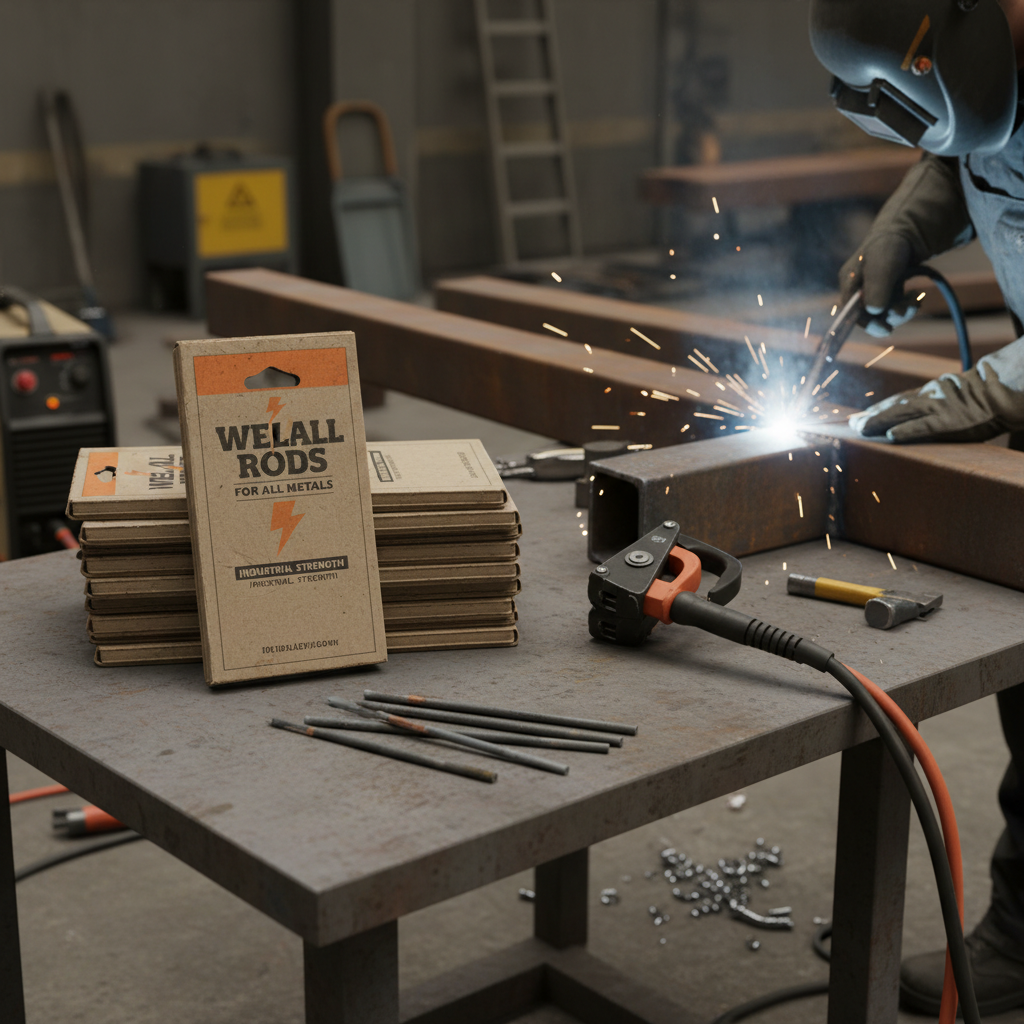
Fast freeze welding electrodes represent a significant advancement in welding technology, offering a unique combination of speed, strength, and portability. These electrodes are particularly vital in situations demanding rapid and reliable joining of materials, from critical infrastructure repairs to large-scale industrial fabrication. Understanding the nuances of fast freeze welding electrodes is crucial for professionals seeking efficient and high-quality welding solutions, especially in demanding environments where traditional methods fall short.
The global demand for efficient and reliable welding solutions is consistently increasing, driven by growth in sectors like construction, automotive, and energy. Fast freeze welding electrodes address critical needs in these industries, providing a cost-effective and time-saving alternative to conventional welding processes. Their ability to quickly create strong, durable welds makes them invaluable in situations where downtime must be minimized and structural integrity is paramount.
Moreover, the adaptability of fast freeze welding electrodes extends to various materials, including carbon steel, stainless steel, and low alloy steels. This versatility positions them as a core component in modern manufacturing and repair strategies, contributing to enhanced productivity and reduced operational costs across a wide spectrum of applications.
The Core Principles of fast freeze welding electrodes
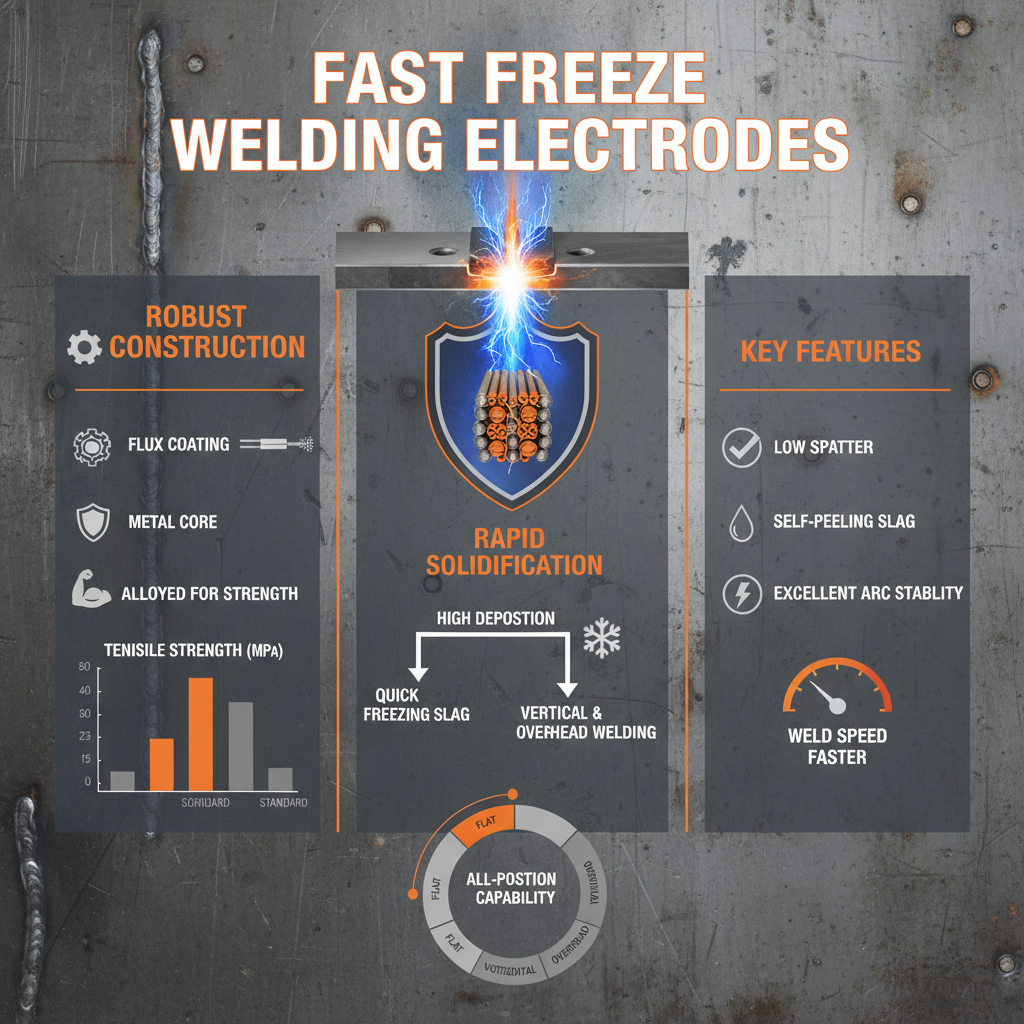
The fundamental principle behind fast freeze welding electrodes lies in their specialized composition. These electrodes are engineered to create a weld pool that solidifies rapidly, minimizing heat-affected zones and reducing the risk of distortion. This rapid solidification is achieved through a controlled chemical makeup, resulting in a stronger, more ductile weld.
The quick freeze also reduces the formation of undesirable microstructures, ultimately improving the weld's overall mechanical properties, making them ideal for high-stress applications. This inherent strength and resistance to cracking make fast freeze welding electrodes a superior choice in many situations.
The Global Significance of fast freeze welding electrodes
Globally, the demand for robust and efficient welding solutions is propelled by massive infrastructure projects, manufacturing growth, and the need for consistent repair and maintenance across various industries. Fast freeze welding electrodes play a critical role in meeting these demands, providing a rapid, reliable, and cost-effective welding process.
According to recent reports from the World Bank, global infrastructure investment is projected to reach trillions of dollars in the coming years, requiring substantial welding capacity. Fast freeze welding electrodes enable faster project completion times and reduced labor costs, crucial factors in large-scale developments.
Furthermore, industries operating in remote or challenging environments, like offshore oil & gas or arctic construction, particularly benefit from the portability and efficiency of these electrodes. Their ability to perform consistently under harsh conditions makes them an indispensable tool for maintaining critical infrastructure worldwide.
Defining fast freeze welding electrodes
Fast freeze welding electrodes are consumable welding rods specifically designed to create welds that solidify at a remarkably rapid rate. Unlike conventional electrodes that allow for a slower cooling process, these electrodes are formulated with unique chemical compositions to accelerate solidification, leading to superior mechanical properties and reduced distortion.
Their application extends beyond simply joining metals; they enhance the overall structural integrity of the weld, making them invaluable in applications where reliability and durability are paramount. This rapid solidification process significantly minimizes the heat-affected zone, a crucial factor in preventing material degradation.
Connecting this technology to modern industry and humanitarian needs is straightforward. In manufacturing, fast freeze welding electrodes accelerate production timelines. In disaster relief, they allow for rapid repair of damaged infrastructure, restoring essential services and aiding recovery efforts.
Key Characteristics of fast freeze welding electrodes
The exceptional performance of fast freeze welding electrodes stems from a combination of key characteristics. First, their high cooling rate reduces the formation of martensite, a brittle microstructure prone to cracking. Secondly, the optimized chemical composition enhances the weld’s strength and toughness.
Another critical characteristic is their low hydrogen content, minimizing the risk of hydrogen-induced cracking, particularly in high-strength steels. Finally, their excellent arc stability ensures consistent and reliable welding performance, reducing the need for rework and improving overall efficiency.
Comparative Analysis of fast freeze welding electrodes Characteristics
Practical Applications of fast freeze welding electrodes
The applications of fast freeze welding electrodes are diverse and impactful. They are widely used in shipbuilding for repairing and constructing hull structures, ensuring the vessels can withstand harsh marine environments.
Furthermore, these electrodes are integral to the maintenance and repair of pipelines, particularly in the oil and gas industry, where quick and reliable repairs are crucial for minimizing disruptions. They are also increasingly utilized in the automotive sector for fabricating chassis components and performing body repairs.
The Benefits of Utilizing fast freeze welding electrodes
Employing fast freeze welding electrodes yields numerous tangible benefits. Cost savings are realized through reduced rework, lower energy consumption, and faster project completion times. Sustainability is enhanced by minimizing material waste and reducing the need for additional heat treatment.
Beyond the practical advantages, there's a significant social impact. Rapid repairs mean quicker restoration of essential services in disaster-stricken areas, ensuring community resilience. The reliability and safety offered by these electrodes instill confidence and trust in the integrity of the structures they join.
Future Trends in fast freeze welding electrodes Technology
The future of fast freeze welding electrodes is poised for significant advancements. Research into new alloy compositions aims to further enhance their mechanical properties and extend their application range to even more challenging materials. Automation and robotic welding systems are being integrated to increase efficiency and precision.
Moreover, the development of 'smart' electrodes with embedded sensors could provide real-time feedback on weld quality, enabling proactive adjustments and ensuring optimal performance. These innovations will align with the growing demand for sustainable and energy-efficient welding solutions.
The intersection of artificial intelligence and welding technology promises even more sophisticated control and optimization of the welding process, driven in part by the inherent advantages offered by fast freeze welding electrodes.
FAQS
Fast freeze welding electrodes are uniquely formulated to promote rapid solidification of the weld pool. This rapid cooling minimizes the heat-affected zone, reduces distortion, and improves the mechanical properties of the weld compared to standard electrodes, which allow for slower cooling and can create brittle microstructures. This makes them ideal for applications demanding high strength and ductility.
While versatile, fast freeze welding electrodes are most effective on carbon steel, stainless steel, and low alloy steels. Specific electrode compositions are tailored to optimize performance for different metal types. It's crucial to select the appropriate electrode for the base metal to achieve optimal weld quality. Consulting a welding engineer or electrode manufacturer is recommended.
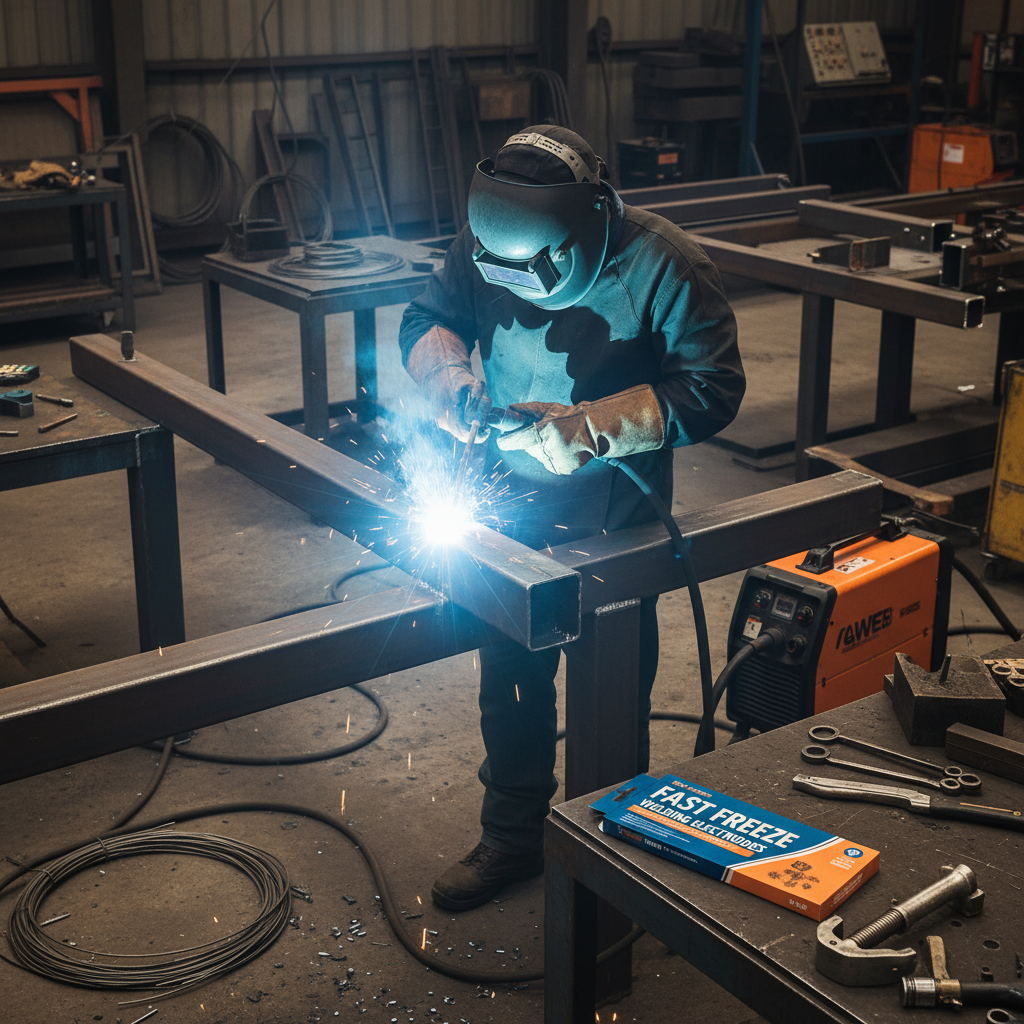
Standard welding safety precautions apply. Wear appropriate personal protective equipment (PPE), including a welding helmet, gloves, and protective clothing. Ensure adequate ventilation to avoid inhaling fumes. Follow proper electrical safety procedures, and be mindful of the risk of burns from hot metal and sparks. Always adhere to the manufacturer's safety guidelines.
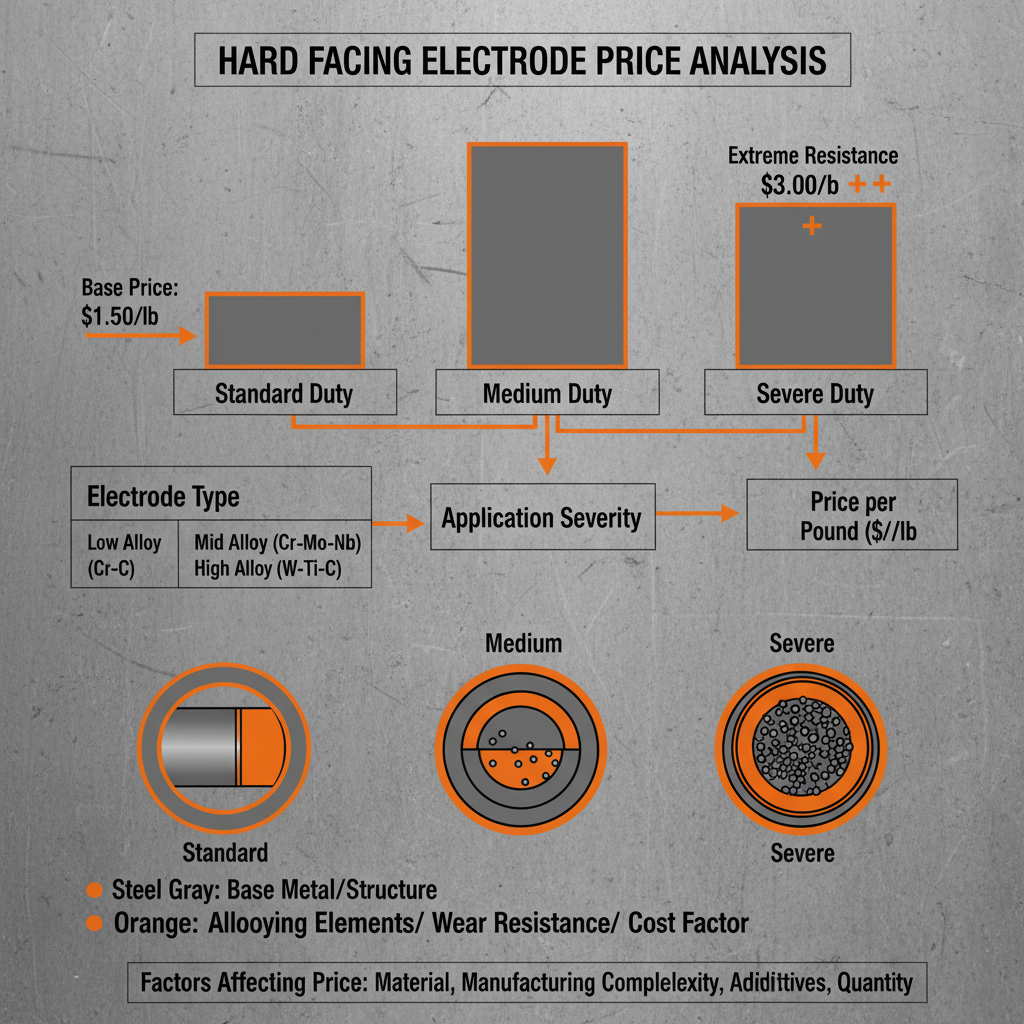
Despite potentially being slightly more expensive upfront, fast freeze welding electrodes can reduce overall project costs. Their speed and reduced rework needs lower labor expenses, and their enhanced weld quality minimizes the need for costly repairs. They also often require less post-weld heat treatment, adding further savings.
Compared to some traditional welding methods, fast freeze welding electrodes can be more environmentally friendly. They often produce less fume, reducing air pollution. Their efficient welding process minimizes energy consumption and material waste, contributing to a smaller environmental footprint.
Store fast freeze welding electrodes in a dry, cool place, protected from moisture and contaminants. Ensure the electrode packaging is sealed when not in use to prevent oxidation and maintain their welding properties. Following the manufacturer’s storage recommendations will help preserve the electrodes' effectiveness.
Conclusion
Fast freeze welding electrodes represent a significant advancement in welding technology, offering a compelling combination of speed, strength, reliability, and cost-effectiveness. Their unique ability to create rapidly solidifying welds minimizes distortion and enhances mechanical properties, making them invaluable across a broad range of industries and applications, from large-scale infrastructure projects to critical repairs.
Looking ahead, ongoing innovations in alloy composition, automation, and ‘smart’ electrode technology will further expand the capabilities and benefits of fast freeze welding electrodes. We encourage you to explore the advantages these electrodes offer and consider incorporating them into your welding processes for improved efficiency, quality, and sustainability. Visit our website at www.jinlongweldingelectrode.com to learn more.