0%

Table of Contents

Welding rod factories play a critical role in modern infrastructure and manufacturing, supplying the essential consumables for joining metals across a vast array of industries. The demand for high-quality welding rods is constantly increasing globally, driven by growth in construction, automotive, shipbuilding, and energy sectors. Understanding the intricacies of these factories – from raw material sourcing to quality control – is paramount for ensuring structural integrity and project success. This article provides a comprehensive overview of welding rod factories, their impact, and future trends.

The global welding rod market is a multi-billion dollar industry, with significant regional variations in demand and production. Asia-Pacific currently dominates the market, owing to rapid industrialization in countries like China and India. North America and Europe represent mature markets with a focus on specialized welding rods for high-precision applications. The availability of reliable welding rods is crucial for maintaining safety standards and preventing costly failures in vital infrastructure projects. welding rod factory plays a key role in meeting these demands.

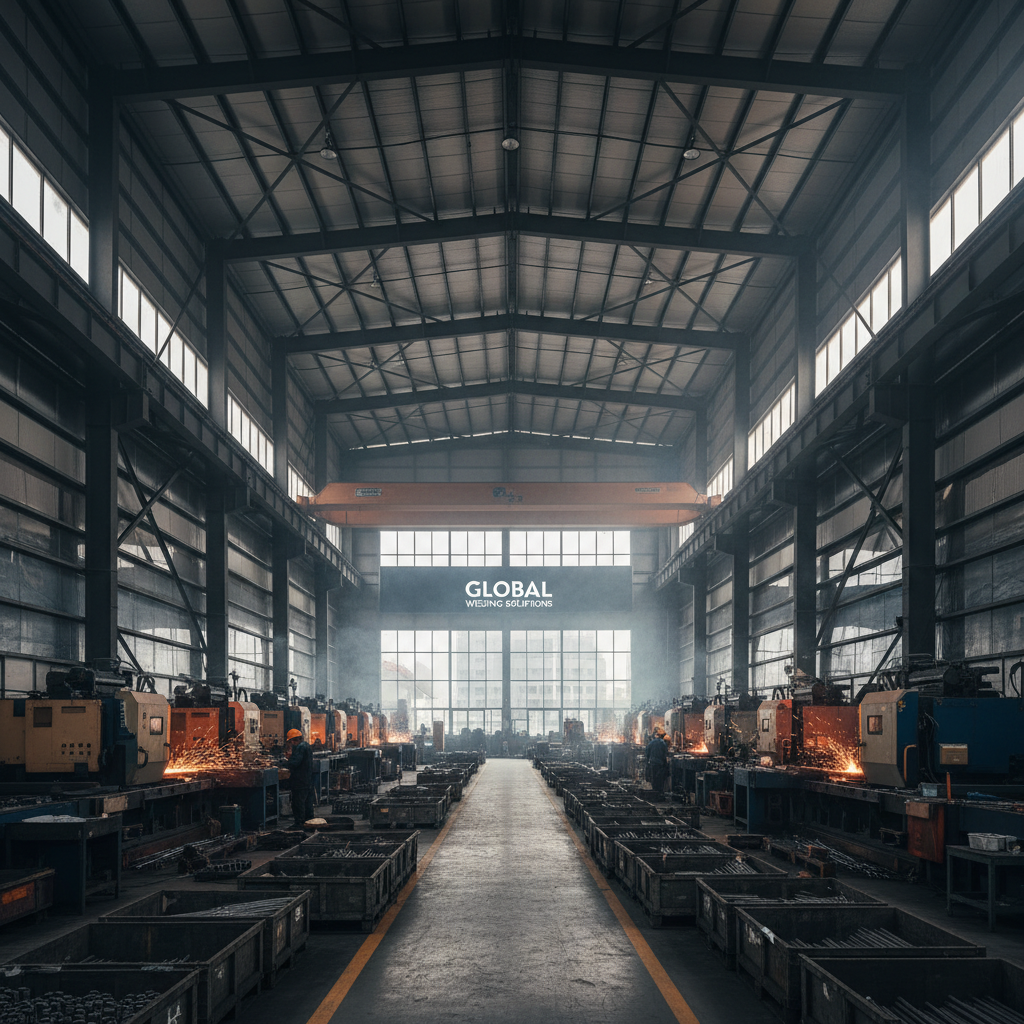
A welding rod factory is a specialized manufacturing facility dedicated to the production of welding electrodes. These electrodes are used in various welding processes – such as shielded metal arc welding (SMAW), gas metal arc welding (GMAW), and flux-cored arc welding (FCAW) – to create strong and durable joints between metal pieces. Efficient and consistent production within a welding rod factory is vital to the health of global manufacturing and construction.
Comprehensive Guide to Welding Rod Factories and Their Global Impact

The Global Significance of welding rod factory

Comprehensive Guide to Welding Rod Factories and Their Global Impact

Welding rod factories are the backbone of countless industries worldwide. According to the World Bank, infrastructure investment continues to rise globally, creating a sustained demand for welding consumables. The International Organization for Standardization (ISO) sets stringent quality standards for welding rods, emphasizing the need for reliable and consistent production. The ability to efficiently manufacture and distribute welding rods impacts everything from bridge construction to pipeline maintenance.

Without a robust network of welding rod factories, numerous vital projects would face delays and potential structural failures. The economic impact of a disrupted supply chain for welding rods can be substantial, particularly in regions heavily reliant on manufacturing and construction. Therefore, investing in and improving welding rod factory capabilities is crucial for sustained economic growth and global infrastructure development.

Defining a welding rod factory

A welding rod factory isn't simply a place where metal sticks are made. It’s a complex operation encompassing material science, chemical engineering, and precise manufacturing processes. It involves procuring raw materials – typically various metal alloys and flux compounds – and transforming them into consistent, high-performance welding electrodes. This process demands specialized equipment and skilled personnel.

The factory’s role extends beyond just production; it includes rigorous quality control checks at every stage, from incoming materials to finished products. This is vital to ensure the rods meet industry standards and deliver reliable welding performance. A modern welding rod factory often integrates automation and digital monitoring systems to enhance efficiency and traceability.

Ultimately, a welding rod factory contributes directly to the safety and longevity of structures and products used in everyday life. It's an essential component of modern industry and humanitarian efforts involving infrastructure rebuilding and repair.

Core Components of Welding Rod Production

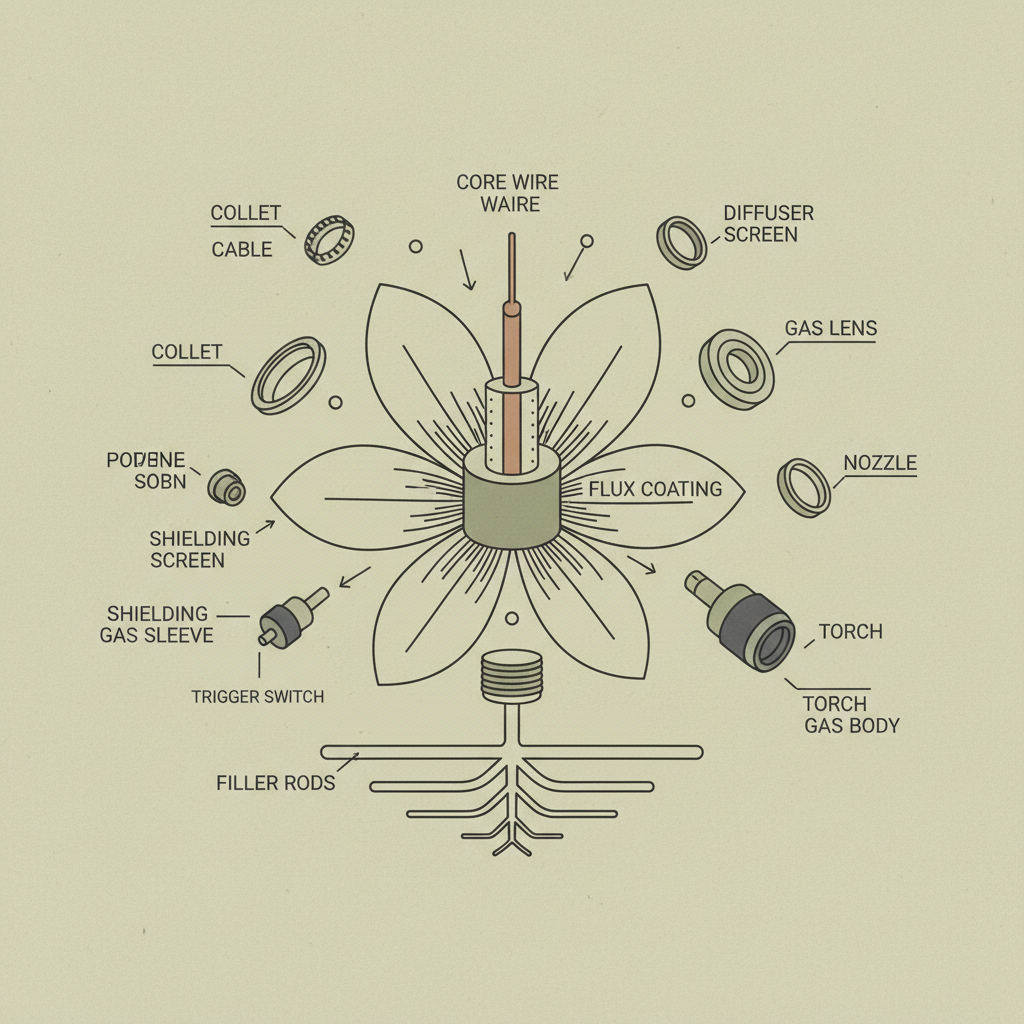
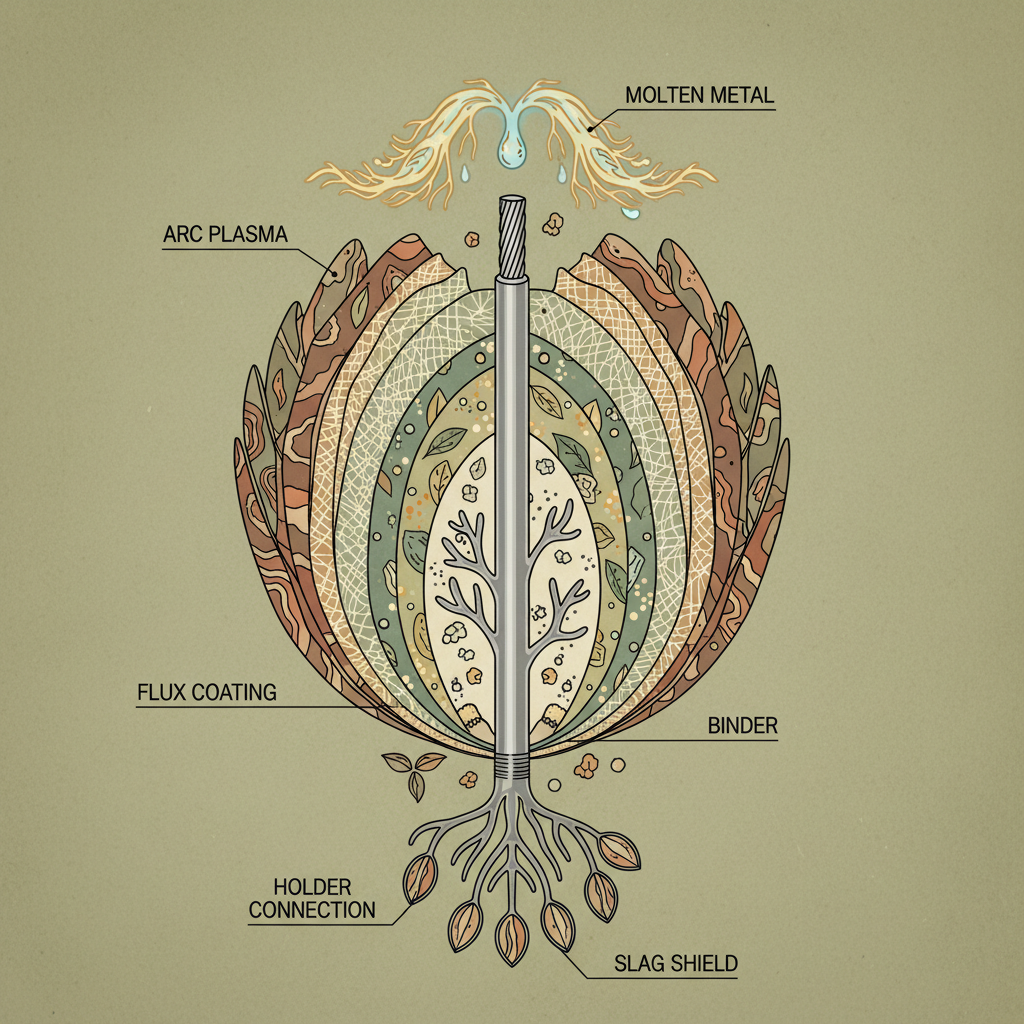
Several key factors determine the quality and performance of welding rods. One critical aspect is the composition of the core wire. Different metal alloys are used to achieve specific welding characteristics, such as strength, ductility, and corrosion resistance. Another vital component is the flux coating, which provides shielding gas during welding, stabilizes the arc, and adds alloying elements to the weld pool.

Manufacturing Process Control is paramount. This includes precise extrusion of the flux coating onto the core wire, followed by drying and baking to ensure proper adhesion and performance. Maintaining consistent coating thickness and composition is crucial for reliable weld quality. Furthermore, Quality Assurance and Testing are indispensable, involving rigorous checks for chemical composition, mechanical properties, and welding performance.

Finally, Packaging and Storage are vital to prevent moisture absorption and contamination, which can compromise the welding rod's integrity. Proper storage conditions ensure that the rods maintain their performance characteristics until they are used. welding rod factory must control these elements rigorously.

Real-World Applications of Welding Rods

Welding rods are indispensable in a vast range of applications. In the construction industry, they’re used to erect steel structures for buildings, bridges, and other infrastructure projects. The automotive sector relies heavily on welding rods for assembling vehicle frames and components, ensuring structural integrity and safety.

In the shipbuilding industry, welding rods are vital for joining steel plates to create durable and watertight hulls. The energy sector utilizes welding rods extensively in the construction and maintenance of pipelines, power plants, and offshore platforms. In post-disaster relief operations, welding rod factories often contribute significantly to rapid infrastructure repair.

Welding Rod Factory Production Capacity (Units/Year)


Advantages and Long-Term Value

The benefits of utilizing high-quality welding rods from a reputable welding rod factory are substantial. In terms of cost-effectiveness, durable welds reduce the need for frequent repairs and replacements. This minimizes downtime and lowers long-term maintenance expenses. Sustainability is also a key advantage, as strong welds extend the lifespan of structures and components, reducing waste and resource consumption.

From a safety perspective, reliable welding rods contribute to the structural integrity of critical infrastructure, preventing accidents and protecting lives. Reliability and consistency in welding performance build trust between manufacturers, contractors, and end-users. Ultimately, investing in quality welding rods fosters innovation and drives progress across various industries.

Future Trends in Welding Rod Manufacturing

The future of welding rod manufacturing is being shaped by several emerging trends. Automation and Robotics are increasingly being implemented to enhance production efficiency and reduce labor costs. Green Manufacturing Practices are gaining prominence, with a focus on reducing waste, conserving energy, and utilizing sustainable materials.

Digital Transformation is enabling real-time monitoring of production processes, improved quality control, and enhanced traceability. The development of advanced welding rod materials with improved strength, corrosion resistance, and welding characteristics is ongoing. welding rod factory are exploring these innovations constantly.

Challenges and Solutions in Welding Rod Factories

Welding rod factories face several challenges. Maintaining consistent quality across large production volumes can be difficult. Sourcing high-quality raw materials at competitive prices is an ongoing concern. Adapting to evolving industry standards and customer requirements demands continuous innovation.

To address these challenges, manufacturers are investing in advanced quality control systems, establishing strong relationships with reliable suppliers, and implementing flexible manufacturing processes. Employing skilled technicians and engineers is crucial for ensuring consistent product quality and driving innovation.

Implementing robust supply chain management strategies and investing in research and development can help welding rod factories overcome these hurdles and maintain a competitive edge.

Summary of Challenges and Solutions in Welding Rod Factories

Challenge Area Impact on Production Potential Solution Implementation Cost (1-10)
Raw Material Sourcing Fluctuating Prices & Quality Long-Term Supplier Contracts 5
Quality Control Consistency High Defect Rates Automated Inspection Systems 8
Production Efficiency Low Output Robotic Automation 9
Compliance with Standards Regulatory Issues ISO 9001 Certification 6
Skilled Labor Shortage Lack of Expertise Employee Training Programs 4
Supply Chain Disruptions Material Delays Diversified Supplier Network 7

FAQS

What are the key quality certifications to look for in a welding rod factory?

When selecting a welding rod factory, prioritize certifications like ISO 9001 (quality management), ISO 14001 (environmental management), and relevant industry-specific certifications like AWS (American Welding Society). These certifications demonstrate a commitment to consistent quality control, environmental responsibility, and adherence to established welding standards. Verified certifications provide assurance that the factory's processes are robust and reliable, minimizing the risk of defects and ensuring consistent weld performance.

How does a welding rod factory ensure consistent chemical composition of its products?

Ensuring consistent chemical composition relies on rigorous quality control throughout the manufacturing process. This includes meticulous sourcing of raw materials from reputable suppliers, precise blending and mixing of alloy components, and frequent chemical analysis using techniques like spectroscopy. Automated monitoring systems and statistical process control (SPC) are also employed to detect and correct any deviations from established specifications, guaranteeing the chemical consistency of each welding rod batch.

What is the typical lead time for custom welding rod orders from a factory?

Lead times for custom welding rod orders vary depending on the complexity of the specifications, the quantity required, and the factory's current production schedule. Generally, expect a lead time of 4-8 weeks for custom formulations or specialized sizes. Larger orders may require longer lead times. Clear communication with the factory regarding your specific requirements and deadlines is essential for accurate lead time estimation and timely delivery.

How does a welding rod factory manage waste and environmental impact?

Responsible welding rod factories implement various waste management and environmental protection measures. These include recycling metal scrap, treating wastewater to remove pollutants, and minimizing energy consumption through efficient manufacturing processes. Many factories are also adopting sustainable sourcing practices for raw materials and implementing initiatives to reduce their carbon footprint. ISO 14001 certification often signifies a strong commitment to environmental responsibility.

What are the common types of welding rods produced by a typical factory?

A typical welding rod factory produces a range of rods catering to different welding processes and materials. Common types include SMAW (shielded metal arc welding) rods in various grades (E6010, E7018, etc.), GMAW (gas metal arc welding) wires, FCAW (flux-cored arc welding) wires, and specialized rods for stainless steel, aluminum, and other alloys. The factory's product catalog typically includes rods designed for different applications, such as structural steel, pipeline welding, and maintenance repair.

How does a welding rod factory ensure the rods remain dry and prevent moisture absorption?

Moisture absorption significantly degrades welding rod performance. Factories address this by thoroughly drying the rods during manufacturing and packaging them in airtight containers with desiccant packets to absorb any residual moisture. They also provide storage recommendations to customers, emphasizing the importance of keeping the rods in a dry environment. Some factories offer re-drying ovens for customers to restore rods that have been exposed to humidity.

Conclusion

In conclusion, welding rod factories are indispensable components of modern infrastructure and manufacturing. The ability to produce consistent, high-quality welding rods is crucial for ensuring structural integrity, safety, and long-term reliability across a multitude of industries. Factors like raw material sourcing, manufacturing process control, and quality assurance are paramount to success.

Looking ahead, the future of welding rod factories lies in embracing automation, sustainable practices, and digital transformation. Investing in research and development to create advanced welding rod materials will also be critical for meeting the evolving needs of the industry. For reliable welding rod solutions, visit our website: www.jinlongweldingelectrode.com.

David Chen

David Chen

David Chen serves as the International Sales Manager for Dingzhou Jinlong Metal Production Co., Ltd., focusing on the South American and African markets. He joined the company in 2016 and has been pivotal in expanding our presence in regions like Brazil, Argentina, Nigeria, and Kenya, including establishing our direct sales
Previous High Quality Welding Electrodes for Sale Ensuring Durable Metal Connections
Next Finding a Reliable Welding Rod Wholesale Supplier for Quality and Cost Savings