Electrode welding is a cornerstone of modern manufacturing, construction, and repair across the globe. From the towering steel structures of metropolises to the intricate pipelines transporting vital resources, this process joins metals with precision and strength. Understanding the principles and advancements in electrode welding is critical for engineers, technicians, and anyone involved in industries reliant on robust metallic connections. Its widespread applicability and continuous innovation make it a fundamentally important field impacting countless aspects of our daily lives.
Globally, the demand for skilled welding professionals is consistently high, indicating the sustained importance of this technology. Organizations like the International Institute of Welding (IIW) promote collaboration and standardization in welding processes, reflecting a global commitment to quality and safety. The economic impact of electrode welding is substantial, enabling infrastructure development, automotive production, and the creation of countless consumer goods. Furthermore, advancements in welding technologies are crucial for supporting sustainable practices in industries like renewable energy and electric vehicle manufacturing.
At its core, electrode welding involves using an electric current to create a localized heat source that melts and fuses metal pieces together. A consumable electrode, typically a metal wire or rod, serves as both the heat source and the filler material. This process isn’t just about joining metal; it’s about creating a strong, reliable bond essential for structural integrity and functionality. It’s vital for supporting both industrial progress and addressing humanitarian needs, such as rapid infrastructure rebuilding after natural disasters, and is closely linked to developments in electrode welding technology.
The Fundamentals of Electrode Welding
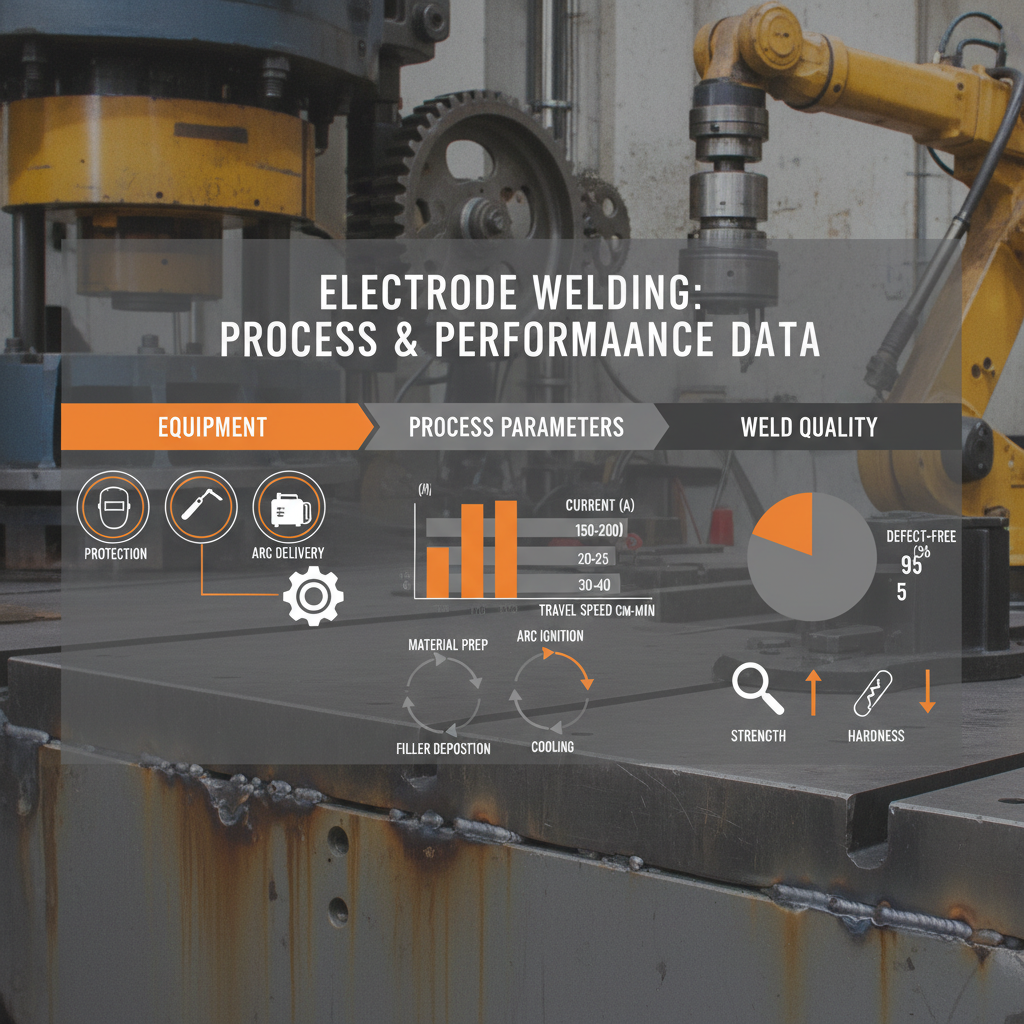
Electrode welding relies on a carefully controlled electrical circuit. This circuit delivers the necessary amperage and voltage to melt both the base metal and the electrode. The molten materials then fuse together, creating a weld pool that solidifies to form a permanent joint. Understanding the intricacies of these electrical parameters is crucial for achieving optimal weld quality and preventing defects. A solid grasp of this foundation is essential for anyone working with electrode welding.
Different electrode welding processes, such as shielded metal arc welding (SMAW), gas metal arc welding (GMAW), and flux-cored arc welding (FCAW), vary in their techniques and applications. Each method utilizes different types of electrodes and shielding gases to protect the weld pool from atmospheric contamination, ultimately influencing the strength, ductility, and corrosion resistance of the finished weld.
Global Relevance and Industry Impact
Electrode welding is a global industry, with significant activity in industrialized nations like China, Japan, Germany, and the United States. According to data from the World Steel Association, steel production—heavily reliant on welding—reached nearly 1.9 billion tonnes in 2022, demonstrating the massive scale of this demand. This highlights the critical role of welding in supporting infrastructure development, manufacturing, and economic growth worldwide.
The automotive industry is a major consumer of electrode welding services, utilizing it in the assembly of vehicle frames, bodies, and components. The construction sector relies heavily on welding for building skyscrapers, bridges, and other large-scale structures. The energy sector employs welding in the construction of pipelines, power plants, and renewable energy installations. Addressing the global demand for these sectors requires constant innovation in electrode welding techniques and materials.
A current challenge is a growing skills gap in qualified welding professionals. As experienced welders retire, there’s a pressing need to train a new generation to meet industry demands. Addressing this requires investments in vocational training programs and the promotion of welding as a viable and rewarding career path.
Defining Electrode Welding: A Core Industrial Process
Electrode welding is a fabrication process that joins materials, usually metals or thermoplastics, by causing coalescence. It’s fundamentally different from mechanical fastening methods like bolting or riveting, as it creates a metallurgical bond between the materials, resulting in a stronger, more integrated structure. This makes it indispensable in applications where structural integrity is paramount.
The connection to modern industry is undeniable. Without electrode welding, the construction of modern infrastructure – from skyscrapers to bridges – would be significantly more challenging and costly. In humanitarian efforts, it's used to rapidly repair critical infrastructure after disasters, providing essential services to affected communities. It's a technology that enables progress and resilience.
The process is deeply intertwined with global supply chains. Components manufactured using electrode welding are shipped around the world, contributing to international trade and economic interdependence. The ongoing development of more efficient and sustainable welding techniques directly impacts the environmental footprint of these supply chains, encouraging greener manufacturing practices.
Key Aspects of Effective Electrode Welding
Strength and Durability: The quality of a weld significantly impacts the structural integrity of the finished product. Properly executed welds must withstand stress, fatigue, and environmental factors. Careful selection of electrode type and welding parameters is crucial for achieving optimal strength.
Precision and Accuracy: Many applications, particularly in aerospace and precision manufacturing, demand high levels of accuracy. Maintaining consistent weld bead geometry and minimizing distortion are vital for meeting stringent quality standards.
Electrode Welding Process Comparison
Real-World Applications of Electrode Welding
In post-disaster relief operations, mobile welding units are deployed to quickly repair damaged infrastructure, such as bridges, pipelines, and buildings. This rapid response capability is critical for restoring essential services to affected communities.
In remote industrial zones, such as oil and gas platforms or mining operations, welding is essential for maintaining equipment and constructing new facilities. The durability and reliability of welds are paramount in these challenging environments.
Advantages and Long-Term Value Proposition
Electrode welding offers significant cost savings compared to alternative joining methods, particularly for large-scale projects. The materials used are generally readily available and relatively inexpensive. Furthermore, the ability to repair and modify welded structures extends their lifespan, reducing the need for costly replacements.
Sustainability is also a key benefit. Welding can utilize recycled materials, reducing waste and conserving resources. Innovations in welding techniques are leading to lower energy consumption and reduced emissions, contributing to a smaller environmental footprint. Ultimately, proficient electrode welding promotes both economic efficiency and environmental responsibility.
The long-term value lies in the creation of robust, reliable infrastructure and products. Properly welded structures are designed to withstand decades of use, minimizing maintenance and ensuring safety. This resilience contributes to economic stability and improved quality of life.
Future Trends and Innovation in Electrode Welding
Automation and robotics are revolutionizing electrode welding, enabling faster, more precise, and more consistent welds. Robotic welding systems are increasingly used in manufacturing to improve productivity and reduce labor costs.
The development of new electrode materials with enhanced properties, such as increased strength, corrosion resistance, and weldability, is driving innovation in this field. These advancements are enabling the welding of increasingly challenging materials and the creation of more durable products.
Green welding technologies, such as laser beam welding and friction stir welding, are gaining traction due to their lower energy consumption and reduced emissions. These technologies align with the growing global focus on sustainability and environmental responsibility.
Core Challenges and Potential Solutions in Electrode Welding
| Challenge Area |
Impact on Welding Quality |
Potential Solution |
Implementation Complexity |
| Skills Gap |
Increased defects, inconsistent weld quality |
Expanded vocational training programs, industry apprenticeships |
Medium |
| Material Compatibility |
Difficulty achieving strong, durable welds between dissimilar metals |
Development of specialized filler materials, advanced welding techniques |
High |
| Weld Defects |
Reduced structural integrity, potential for failure |
Non-destructive testing methods (e.g., ultrasonic testing, radiography) |
Medium |
| Process Control |
Variations in weld parameters leading to inconsistent results |
Automated welding systems with real-time monitoring and control |
High |
| Environmental Impact |
Emissions from welding processes, waste generation |
Adoption of green welding technologies, optimized material usage |
Medium |
| Cost of Materials |
Fluctuations in metal prices impacting project budgets |
Strategic sourcing, exploration of alternative materials |
Low |
FAQS
The most prevalent types include Shielded Metal Arc Welding (SMAW), Gas Metal Arc Welding (GMAW), Flux-Cored Arc Welding (FCAW), Gas Tungsten Arc Welding (GTAW), and Submerged Arc Welding (SAW). Each process offers unique advantages for different applications and materials. SMAW is versatile and cost-effective, GMAW is efficient for production welding, FCAW is suitable for outdoor applications, GTAW provides high-quality precision welds, and SAW is used for thick materials in automated settings.
Selecting the right electrode depends on factors like the base metal, welding position, desired weld properties, and application requirements. Consider the electrode’s composition, diameter, coating type, and current-carrying capacity. Consult welding charts and specifications to ensure compatibility and optimal performance. Using the incorrect electrode can lead to weld defects and compromise structural integrity.
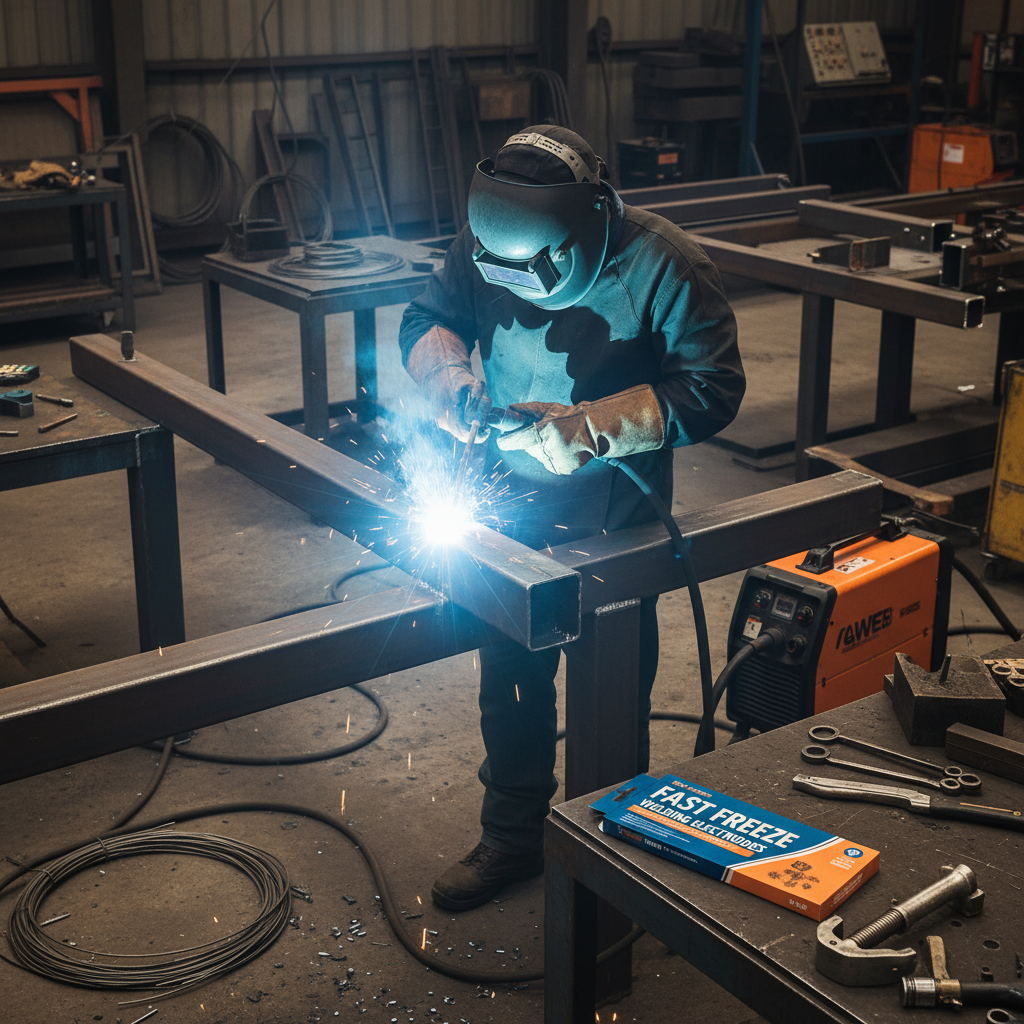
Welding poses several safety hazards. Always wear appropriate personal protective equipment (PPE), including a welding helmet with a dark lens, welding gloves, a fire-resistant jacket, and safety boots. Ensure adequate ventilation to avoid inhaling fumes. Be aware of fire hazards and have a fire extinguisher nearby. Proper grounding of equipment is also crucial to prevent electric shock. Prioritize safety above all else.
Preventing weld defects requires careful attention to detail. Ensure the base metal is clean and free of contaminants. Control welding parameters like current, voltage, and travel speed. Use appropriate shielding gas coverage to prevent atmospheric contamination. Proper joint preparation and electrode selection are also critical. Regularly inspect welds for defects and address any issues promptly.
Shielding gas protects the weld pool from atmospheric contamination, such as oxygen and nitrogen, which can cause porosity and weaken the weld. Common shielding gases include argon, helium, carbon dioxide, and mixtures thereof. The choice of shielding gas depends on the base metal, welding process, and desired weld properties. Proper gas coverage is essential for achieving high-quality, defect-free welds.
Automation, particularly through robotic welding systems, is increasing efficiency, precision, and consistency in electrode welding. Robots can perform repetitive tasks with greater speed and accuracy, reducing labor costs and improving weld quality. Automated systems also enable the welding of complex geometries and challenging materials. As technology advances, expect to see even more sophisticated automation solutions in the field.
Conclusion
Electrode welding remains a vital technology underpinning modern industry and infrastructure. Its versatility, cost-effectiveness, and continuous innovation ensure its continued relevance in a wide range of applications. From large-scale construction projects to intricate repairs, the ability to join metals securely and efficiently is paramount. The ongoing development of new materials, automation technologies, and sustainable practices will further enhance the capabilities and value of electrode welding in the years to come.
Looking ahead, investing in training and education to address the skills gap is crucial for sustaining the industry's growth. Embracing automation and green welding technologies will promote efficiency and environmental responsibility. Ultimately, a commitment to quality, safety, and innovation will ensure that electrode welding continues to play a critical role in shaping a more resilient and sustainable future. For more information on cutting-edge electrode welding solutions, visit our website today.