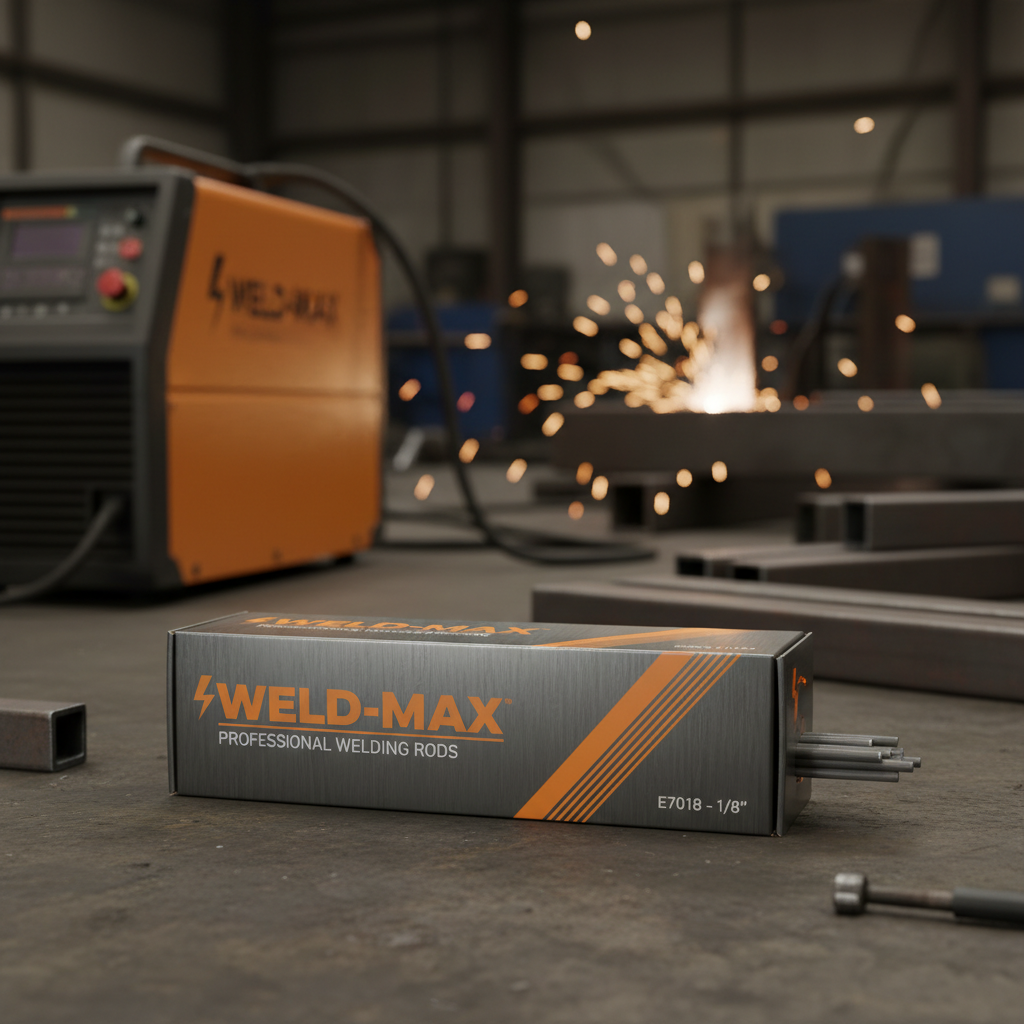
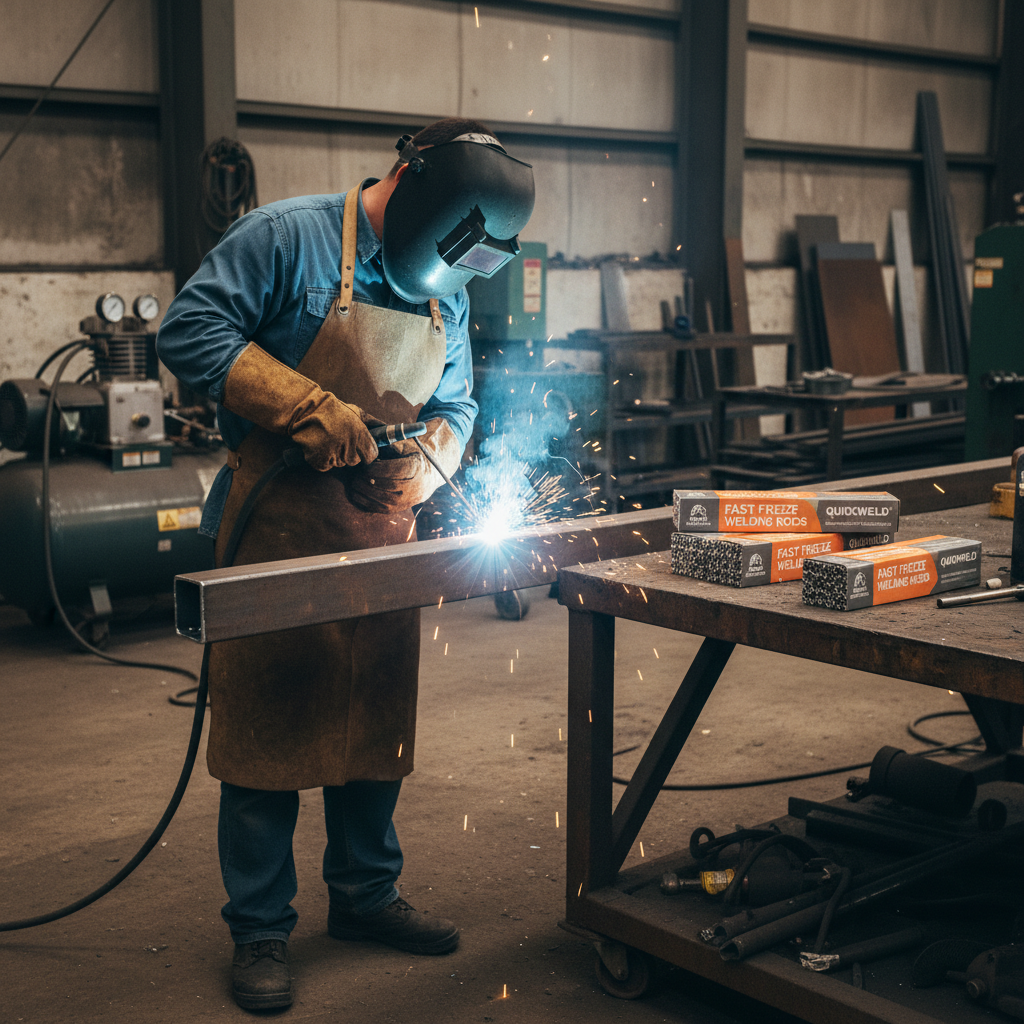
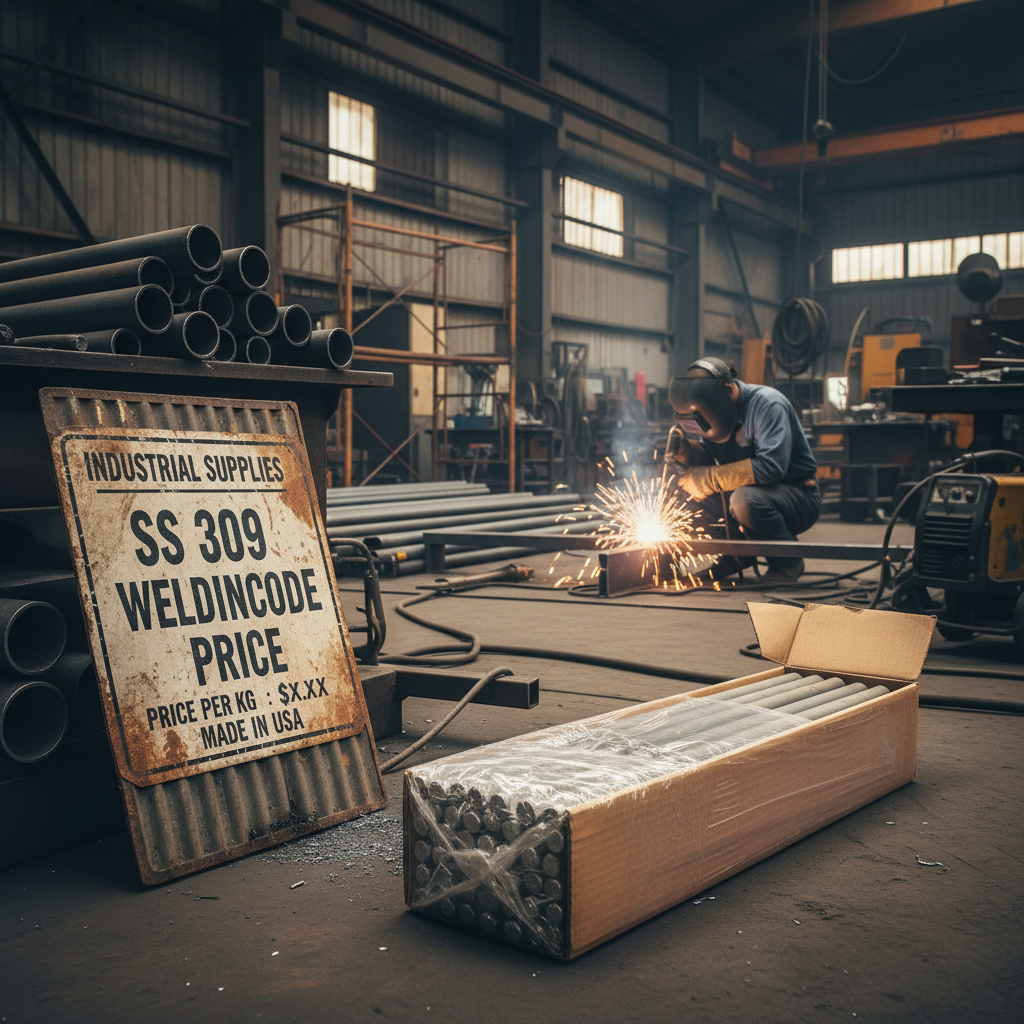
Simple welding rods are foundational tools in a vast array of industries and applications, from large-scale construction and manufacturing to intricate repair work and even emergency response. Their accessibility, relative ease of use, and cost-effectiveness make them indispensable for both professionals and hobbyists alike. Understanding their properties, applications, and limitations is crucial for ensuring safe, efficient, and high-quality welding results.
Globally, the demand for welding solutions, and specifically simple welding rods, is steadily increasing, driven by infrastructural development in emerging economies, a growing emphasis on maintenance and repair in established industrial nations, and the increasing need for rapid-response solutions in disaster relief scenarios. The simplicity and portability of these rods make them vital for on-site repairs where complex equipment is impractical.
The significance of understanding simple welding rods extends beyond mere technical proficiency. It impacts safety protocols, project budgets, and the overall durability and longevity of welded structures. A comprehensive grasp of these materials empowers individuals and organizations to tackle welding challenges confidently and effectively, leading to more robust and reliable infrastructure and products.
The Foundational Role of simple welding rods
Simple welding rods, at their core, facilitate the joining of metal parts through the application of heat and, often, filler material. They are the fundamental tool in a process crucial to countless industries. The selection of the right rod type is paramount, dictated by the metals being joined, the desired weld strength, and the operating environment.
The longevity and reliability of welded structures – bridges, pipelines, machinery – fundamentally depend on the quality of the welding rod used and the skill of the welder. Understanding the composition and characteristics of different simple welding rods allows for informed decision-making, leading to stronger, safer, and more durable welds.
Global Relevance and Industry Impact
The global welding industry is a multi-billion dollar market, with simple welding rods representing a significant segment. According to the American Welding Society, the demand for skilled welders and associated materials continues to outpace supply in many regions. This demand is fueled by infrastructure projects in developing nations, coupled with maintenance and repair needs in mature economies.
The shipbuilding industry, for example, relies heavily on simple welding rods for constructing and repairing vessels. Similarly, the oil and gas sector utilizes them extensively in pipeline construction and maintenance. Beyond these large industries, simple welding rods are essential in automotive repair, construction, and even artistic metalworking.
A critical challenge facing the industry is ensuring consistent quality and availability of simple welding rods, especially in remote or disaster-stricken areas. Disruptions in supply chains can significantly impact project timelines and costs. Therefore, robust and reliable sourcing of these materials is vital.
Defining simple welding rods
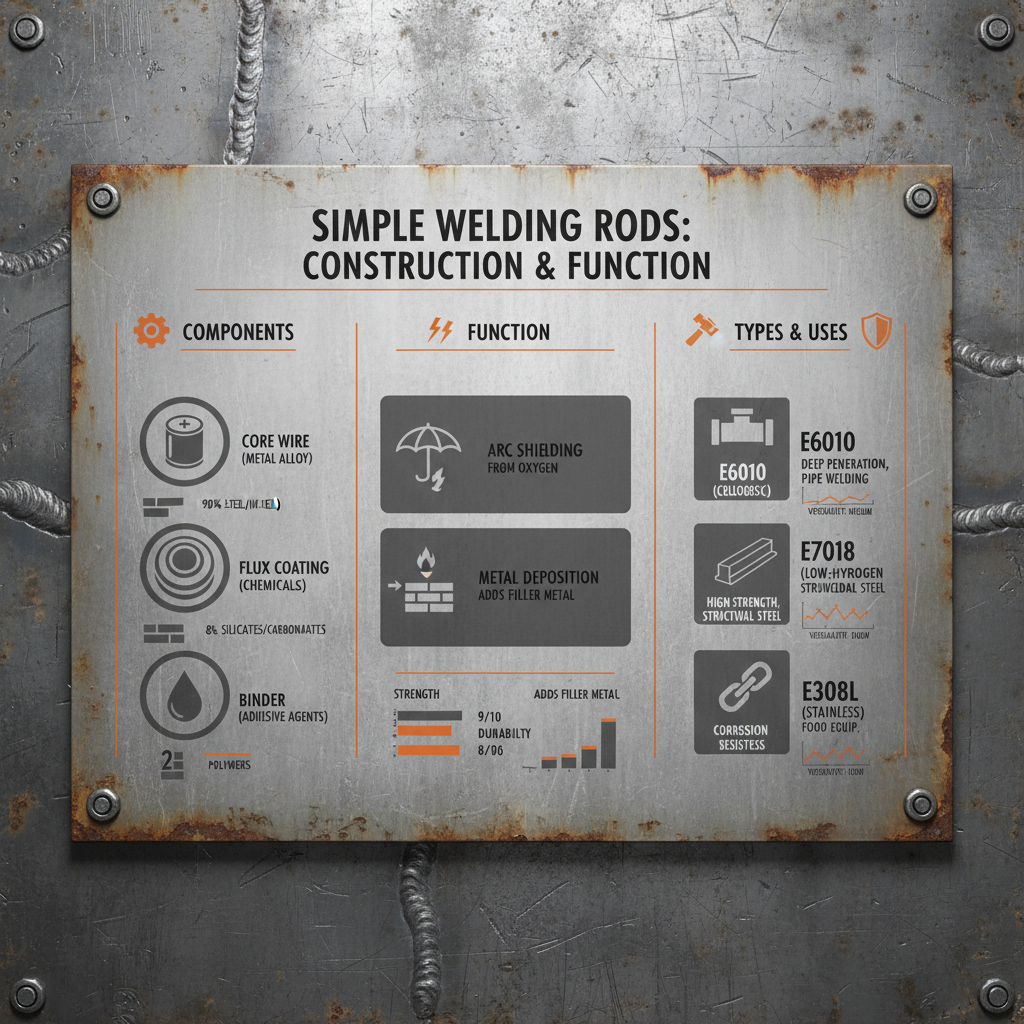
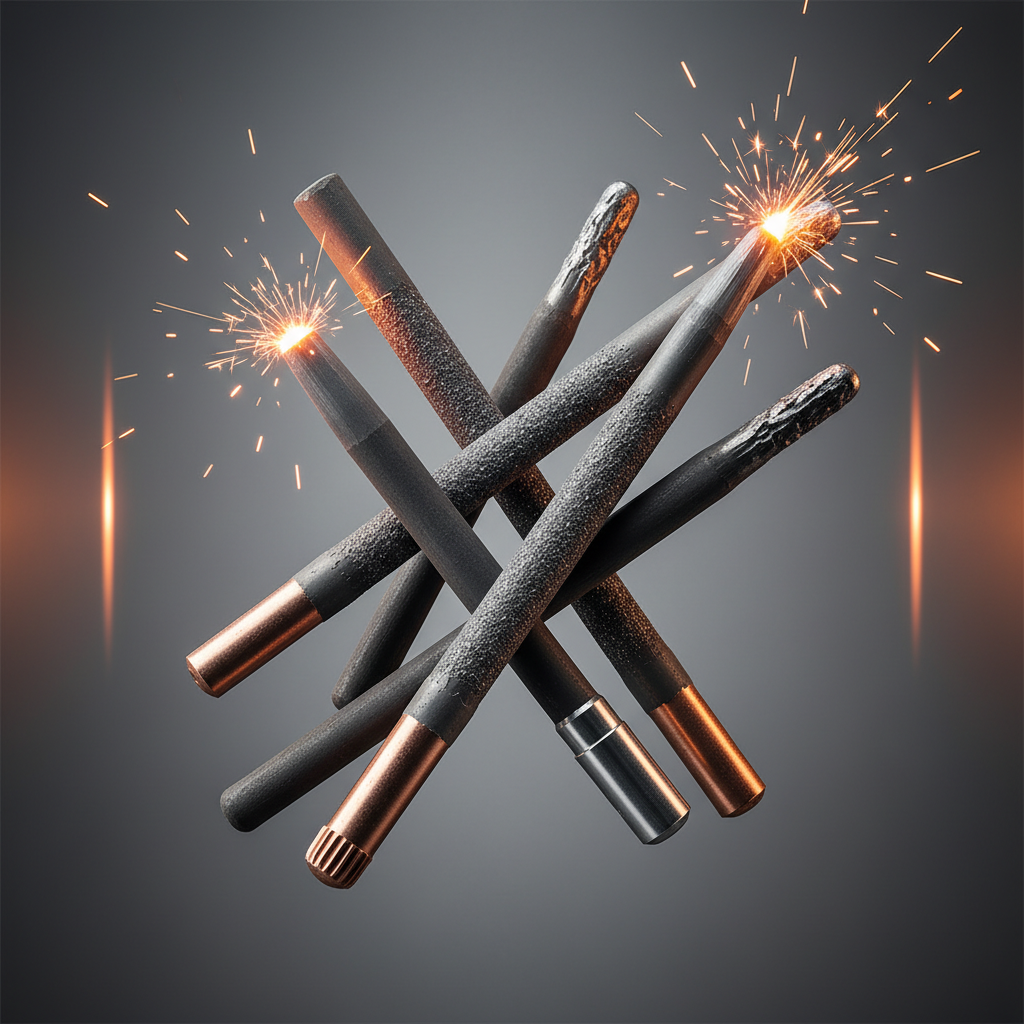
Simple welding rods, also known as stick electrodes, are consumable rods used in shielded metal arc welding (SMAW), often referred to as stick welding. They consist of a metal wire coated in a flux. When an electric current passes through the rod, it creates an arc between the rod and the base metal, melting both and forming a weld pool.
The flux coating serves multiple purposes: it shields the weld pool from atmospheric contamination, it provides alloying elements to enhance weld properties, and it creates a slag that protects the weld as it cools. The simplicity of this process—requiring relatively inexpensive equipment—makes simple welding rods an accessible solution for a wide range of applications.
Their connection to modern industry and humanitarian needs is profound. From constructing vital infrastructure to providing rapid repair capabilities in disaster relief, simple welding rods offer a versatile and dependable method for joining metals in almost any environment.
Core Characteristics of simple welding rods
Several core characteristics define the performance and suitability of simple welding rods. First, Tensile Strength dictates the load-bearing capacity of the weld, ensuring structural integrity. Higher tensile strength rods are required for applications involving significant stress.
Secondly, Ductility refers to the weld’s ability to deform under stress before fracturing. Higher ductility is crucial for welds subjected to vibration or impact. Third, Corrosion Resistance is paramount in environments exposed to harsh chemicals or saltwater. Specific coatings on the rod contribute to this resistance.
Simple Welding Rod Performance Metrics
Applications Across Diverse Sectors
Simple welding rods find application across a remarkably diverse range of sectors. In construction, they are essential for erecting steel structures, repairing damaged components, and joining reinforcing bars in concrete. In the automotive industry, they are used for body repairs, exhaust system fabrication, and chassis modifications.
Furthermore, the agricultural sector utilizes them for repairing farm equipment, constructing fences, and fabricating custom tools. In post-disaster relief operations, simple welding rods are invaluable for repairing damaged infrastructure, such as water pipelines and support structures for temporary shelters. Their portability and lack of reliance on complex power sources make them ideal for emergency situations.
Advantages and Long-Term Value Proposition
The primary advantage of simple welding rods lies in their cost-effectiveness. Compared to other welding processes, the equipment required is relatively inexpensive and readily available. This makes them accessible to a wider range of users, from small workshops to large industrial facilities. They also offer portability and versatility, enabling welding in various positions and environments.
From a long-term perspective, utilizing the correct simple welding rods contributes to the durability and reliability of welded structures. Properly welded joints, achieved with high-quality rods, minimize the risk of failure, reducing maintenance costs and extending the lifespan of assets. This equates to significant savings over time and enhances overall safety.
The simplicity of the process also lends itself to readily available training, ensuring a sustainable workforce capable of maintaining and repairing infrastructure across generations. The resulting dignity of skilled labor and self-sufficiency contribute to societal well-being.
Future Trends and Innovations in simple welding rods
The future of simple welding rods involves several promising trends. One significant area of innovation is the development of low-hydrogen rods with improved mechanical properties and reduced susceptibility to cracking. These rods are crucial for high-strength applications. Another trend is the focus on eco-friendly formulations, minimizing the release of harmful fumes and reducing environmental impact.
Furthermore, advancements in flux coatings are leading to rods with improved arc stability, easier slag removal, and enhanced weld appearance. Digitalization is also playing a role, with the development of smart rods equipped with sensors to monitor welding parameters and provide real-time feedback. This integration with Industry 4.0 principles promises greater process control and quality assurance.
The increasing adoption of automation in welding processes will further drive innovation in simple welding rod technology, leading to more efficient and reliable welding solutions.
FAQS
For beginners, E6013 rods are often recommended due to their ease of use, stable arc, and forgiving nature. They are relatively easy to strike and maintain an arc with, and produce a visually appealing weld with minimal spatter. These rods are suitable for general-purpose welding on mild steel and are readily available at most welding supply stores. While they aren't ideal for all applications, they offer a great starting point for developing fundamental welding skills.
Selecting the correct rod depends on the base metal's composition. Mild steel typically uses E6010, E6011, E6013, or E7018 rods. For high-strength steel, E7018 is often preferred. Aluminum requires specialized aluminum rods. Stainless steel needs stainless steel electrodes. Always consult a welding chart or expert to ensure compatibility. Using the wrong rod can result in a weak or brittle weld prone to failure.
Porosity, or the presence of small holes in the weld, can be caused by several factors. These include contamination on the base metal (rust, oil, paint), moisture in the flux coating, insufficient shielding gas (from the flux), too much arc length, or a welding current that is too high or too low. Thorough cleaning of the base metal and proper storage of the rods are crucial to prevent porosity.
Moisture absorption significantly degrades the quality of simple welding rods. Always store rods in a tightly sealed container, preferably in a cool, dry place. If rods have been exposed to moisture, baking them in an oven at a low temperature (typically 200-300°F for 30-60 minutes) can help restore their usability. However, follow the manufacturer's recommendations for baking times and temperatures.
E6010 rods are known for their deep penetration and are often used for root passes and welding dirty or rusty steel. They require a DC+ polarity. E7018 rods offer a smoother arc, less spatter, and higher ductility, making them suitable for multi-pass welds and general fabrication. They can be used with both AC and DC+ polarity. E7018 rods typically produce a stronger, more reliable weld.
Welding generates intense heat, ultraviolet radiation, and potentially harmful fumes. Always wear appropriate personal protective equipment (PPE), including a welding helmet with a shaded lens, welding gloves, a fire-resistant jacket, and safety glasses. Ensure adequate ventilation to avoid inhaling fumes. Be aware of fire hazards and have a fire extinguisher readily available. Never weld near flammable materials.
Conclusion
Simple welding rods remain a cornerstone of modern fabrication, construction, and repair. Their accessibility, versatility, and cost-effectiveness continue to make them an indispensable tool across a wide spectrum of industries and applications. Understanding their properties, limitations, and proper usage is paramount for ensuring safe, efficient, and high-quality welding results.
Looking ahead, continued innovation in rod formulations, coupled with advancements in welding technology, will further enhance their performance and sustainability. Embracing these developments will be crucial for maintaining a skilled welding workforce and building a more robust and resilient infrastructure for the future. For all your simple welding rod needs, visit our website: www.jinlongweldingelectrode.com.