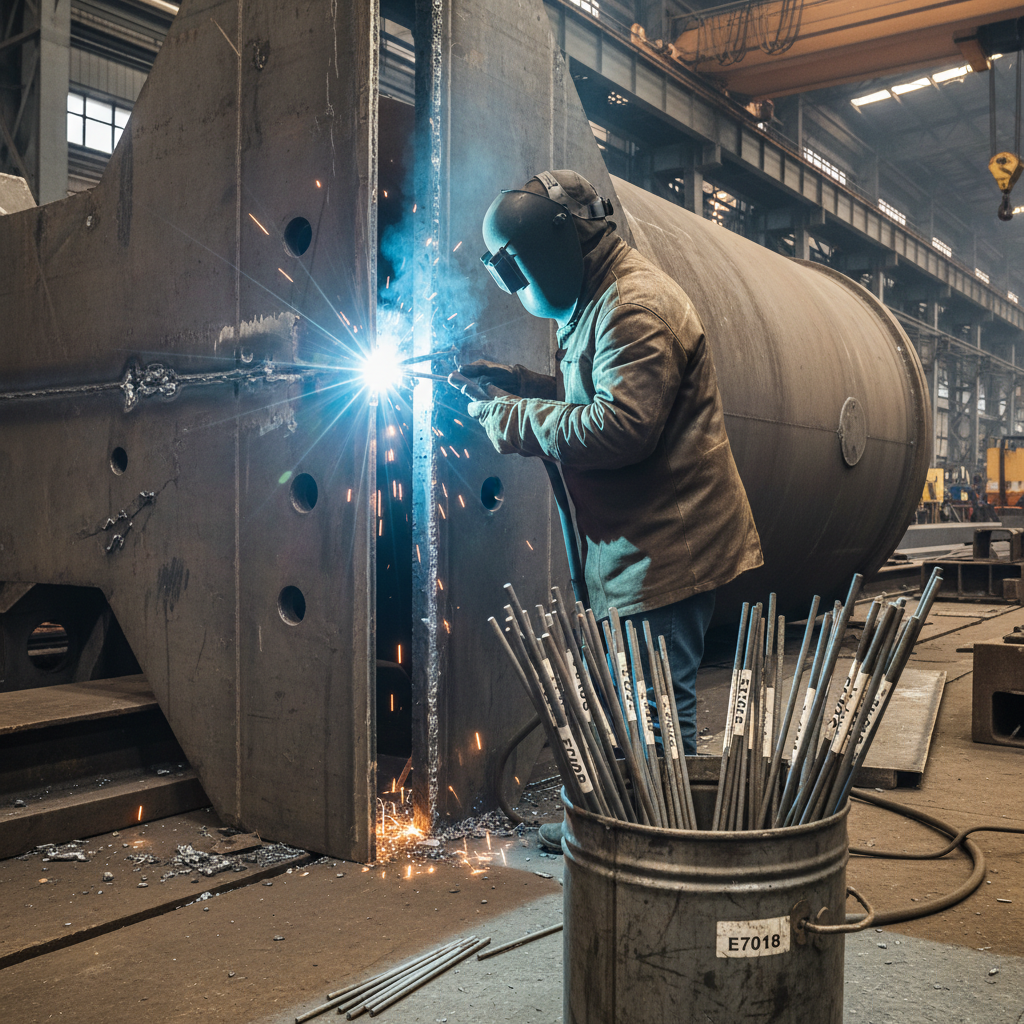
The field of welding is crucial to modern infrastructure and manufacturing, and within it, the versatility of the all around welding rod stands out. This robust tool plays a vital role in industries ranging from construction and automotive to aerospace and energy, facilitating the joining of metals across a diverse spectrum of applications. Understanding the capabilities and nuances of the all around welding rod is therefore essential for professionals and enthusiasts alike.
Globally, the demand for efficient and reliable welding solutions continues to rise, fueled by infrastructure development in emerging economies and the increasing need for repair and maintenance in established nations. According to the World Steel Association, steel consumption is projected to grow, driving demand for welding consumables like the all around welding rod. This growth isn’t merely about quantity; it’s about quality, efficiency, and adaptability—qualities the all around welding rod delivers.
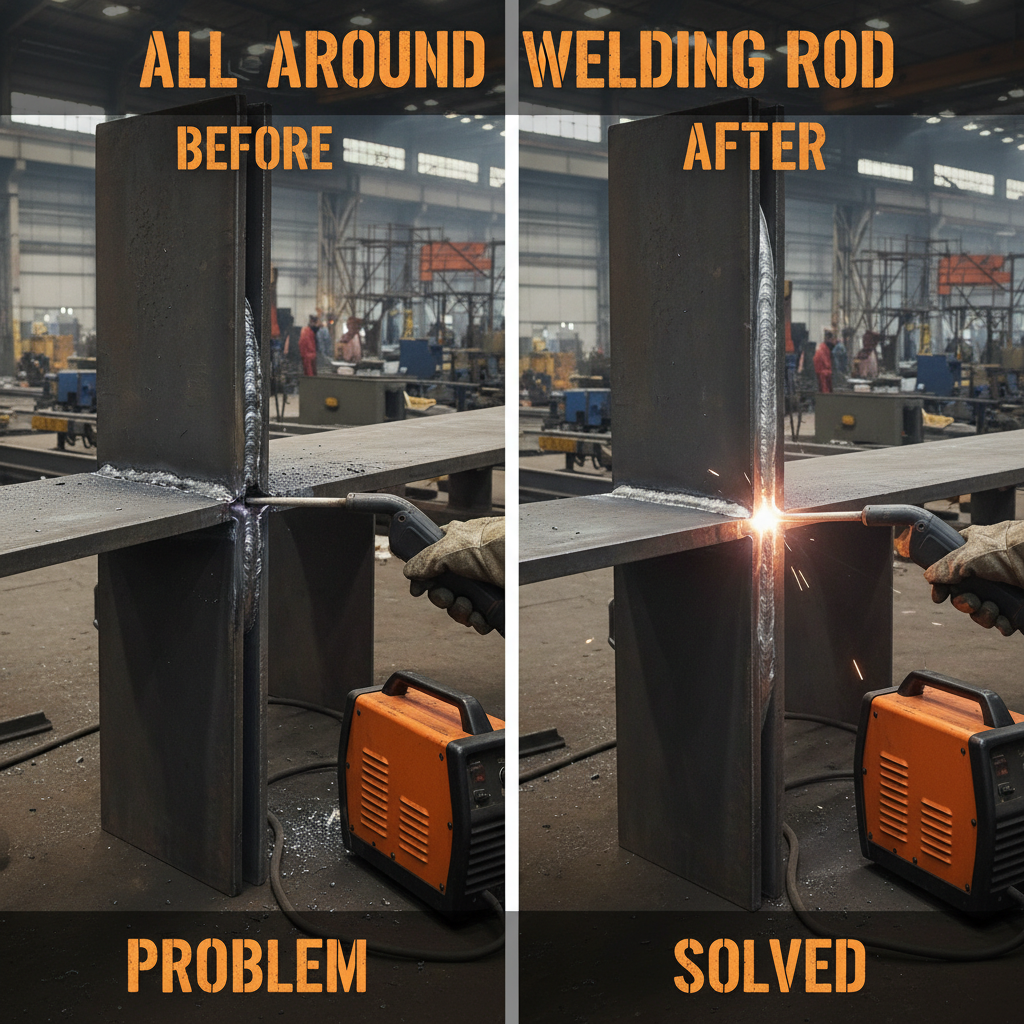
The all around welding rod offers a solution to many welding challenges, providing a single consumable capable of handling various welding positions and materials. This simplifies operations, reduces costs, and improves productivity, making it a valuable asset for projects large and small. Its adaptability to different applications contributes significantly to its global relevance and growing adoption.
The Importance of all around welding rod
The all around welding rod is not simply a welding consumable; it’s a cornerstone of countless industries. Its ability to perform reliably in diverse conditions—from demanding construction sites to intricate fabrication workshops—makes it indispensable. Proper selection and use of an all around welding rod directly influence the structural integrity, durability, and safety of finished products.
Its widespread adoption reflects a growing understanding of its economic and practical benefits. By reducing the need for multiple specialized rods, it streamlines welding processes, minimizing downtime and labor costs. This efficiency is particularly valuable in situations requiring rapid repairs or on-site fabrication, furthering the importance of the all around welding rod.
Defining all around welding rod
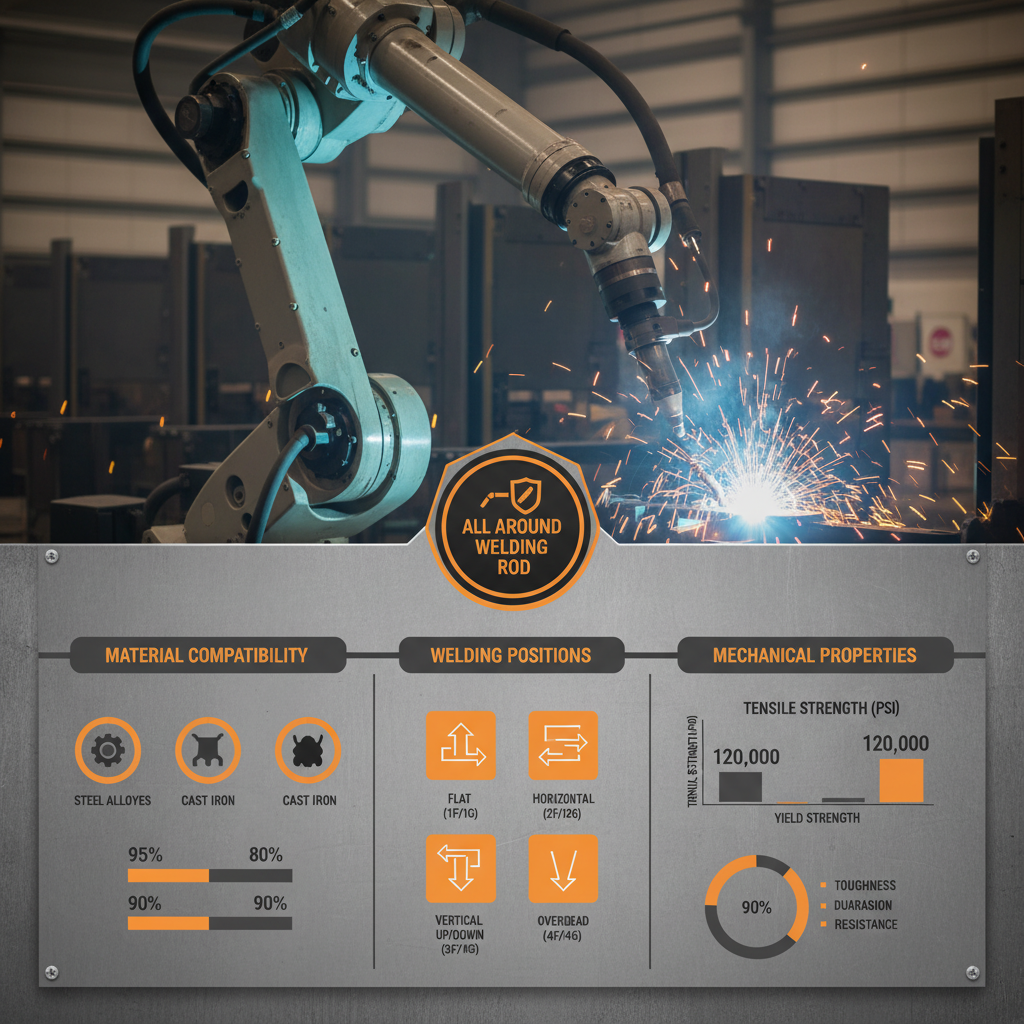
An all around welding rod is a versatile consumable used in various welding processes, primarily shielded metal arc welding (SMAW), also known as stick welding. Unlike specialized rods designed for specific materials or positions, the all around welding rod is formulated to perform adequately in a wide range of applications, including flat, horizontal, vertical, and overhead positions, and on various steel types.
The key to its adaptability lies in its carefully balanced composition, typically including iron powder, flux coatings, and alloying elements. This combination provides acceptable arc stability, weld metal properties, and usability across multiple scenarios. While it may not achieve the absolute peak performance of specialized rods in specific conditions, its flexibility makes it a preferred choice for general-purpose welding.
Its connection to modern industry lies in its ability to reduce complexity and cost. For maintenance crews, field repairs, and smaller fabrication projects, the convenience of a single, dependable rod is highly valued, making it crucial for keeping infrastructure and machinery operational, both in developed and developing nations.
Core Characteristics of all around welding rod
Durability is a defining characteristic. All around welding rods are designed to withstand the rigors of various welding environments, maintaining their structural integrity even under demanding conditions. This robustness minimizes the risk of breakage or inconsistencies during the welding process, crucial for consistent weld quality.
Versatility is paramount. Their formulation allows for effective welding in multiple positions – flat, horizontal, vertical, and overhead. This eliminates the need to switch between different types of rods for varying joint configurations, saving time and reducing operator error.
Ease of use is a significant benefit. All around welding rods generally exhibit good arc starting and stability, making them suitable for both beginner and experienced welders. This reduces the learning curve and improves overall welding efficiency. The lower skill requirement associated with these rods makes them valuable in situations with less skilled labor.
Key Performance Indicators for all around welding rod
Assessing the performance of an all around welding rod requires considering several key indicators. Tensile strength directly correlates to the weld's ability to withstand stress, while yield strength indicates its resistance to permanent deformation. Impact toughness determines its resilience in low-temperature environments, particularly important for outdoor applications.
Another crucial KPI is deposition rate—the amount of weld metal deposited per unit of time. A higher deposition rate increases welding speed and reduces overall project time. Finally, usability—encompassing arc stability, slag removal ease, and re-strike capability—influences welder efficiency and weld quality.
all around welding rod Performance Comparison
Global Applications of all around welding rod
The all around welding rod finds applications in a vast range of industries worldwide. In construction, it's used for structural steel erection, pipe welding, and repair of heavy machinery. The automotive sector relies on it for chassis fabrication, body panel repairs, and exhaust system welding.
In post-disaster relief operations, the all around welding rod's versatility is crucial for quick repairs of damaged infrastructure. Its adaptability allows aid workers to address diverse welding needs with a single consumable. Likewise, in remote industrial zones lacking specialized welding resources, it serves as a reliable and cost-effective solution.
Advantages and Long-Term Value
The cost-effectiveness of the all around welding rod is a significant advantage. Its ability to substitute multiple specialized rods translates to lower inventory costs and reduced procurement efforts. Sustainability is also a benefit, as minimizing waste and maximizing resource utilization aligns with environmentally conscious practices.
The long-term value extends beyond immediate economic gains. Reliable welds created with this rod contribute to the structural integrity of buildings, bridges, and vehicles, enhancing safety and extending the lifespan of critical infrastructure. This fosters trust in the quality and longevity of finished products.
Future Trends in all around welding rod Technology
Innovations in flux coatings and metal powder compositions are driving improvements in all around welding rod performance. Research into low-hydrogen formulations is aimed at enhancing weld ductility and reducing the risk of cracking. The integration of digital technologies—such as smart sensors embedded within the rod—could provide real-time data on welding parameters and quality control.
Sustainability is a major driving force. Manufacturers are exploring the use of recycled materials in rod production and developing eco-friendly flux coatings. The rise of automation and robotic welding is also influencing rod design, requiring formulations optimized for automated processes.
These advancements promise to deliver all around welding rods with superior performance, reduced environmental impact, and increased efficiency, furthering their role in a rapidly evolving industrial landscape.
FAQS
All around welding rods are primarily designed for low and medium carbon steels. They can also be used on some alloy steels, although specialized rods often provide better results for those materials. It's crucial to check the rod's specifications to ensure compatibility with the base metal. Proper preparation of the base metal is also key to a successful weld.
As the name suggests, all around welding rods are formulated to work in all positions: flat, horizontal, vertical, and overhead. However, it's important to note that weld quality may vary slightly depending on the position and welder skill. Lower amperage settings are typically used for overhead and vertical welding to control the weld pool.
The diameter of the rod influences the penetration depth and weld bead size. Thicker rods (e.g., 3/32", 1/8") are used for thicker materials and require higher amperage settings. Thinner rods (e.g., 1/16") are better suited for thinner materials and provide more precise control. Choosing the correct diameter is critical for achieving a sound weld.
Welding generates hazardous fumes, ultraviolet radiation, and molten metal. Always wear appropriate personal protective equipment (PPE), including a welding helmet, gloves, safety glasses, and fire-resistant clothing. Ensure adequate ventilation to avoid inhaling fumes. Follow all safety guidelines outlined in the rod's material safety data sheet (MSDS).
All around welding rods should be stored in a dry, cool place, protected from moisture and contamination. Moisture can cause flux coatings to deteriorate, leading to poor weld quality. It's best to store rods in their original packaging or in a sealed container. If rods become damp, they should be baked according to the manufacturer’s instructions before use.
While it’s possible to use an all around welding rod for cast iron repair, it is generally not recommended. Cast iron requires specialized rods designed for its unique metallurgical properties. Using a general-purpose rod can result in a brittle weld prone to cracking. Cast iron rods with nickel or other alloys offer much better results.
Conclusion
The all around welding rod remains a cornerstone of welding operations worldwide, offering a versatile and cost-effective solution for a broad spectrum of applications. Its adaptability, ease of use, and reliable performance make it an invaluable tool for professionals and hobbyists alike. Continuous innovations in materials and manufacturing processes promise to further enhance its capabilities, ensuring its continued relevance in the evolving landscape of welding technology.
Looking ahead, embracing advancements in rod formulations, coupled with a commitment to safety and sustainability, will be critical for maximizing the benefits of the all around welding rod. Further research into automated welding processes and digital quality control will also play a pivotal role in optimizing its performance and expanding its applications. For more information on our welding products, including high-quality all around welding rods, visit our website: www.jinlongweldingelectrode.com.