0%

Table of Contents

Welding rod types 7018 are a cornerstone of modern fabrication and repair across numerous industries. Their ability to deliver high-strength, ductile welds makes them invaluable in applications ranging from pipeline construction to aerospace engineering. Understanding the nuances of these rods – their composition, proper usage, and potential limitations – is crucial for ensuring the integrity and longevity of welded structures. This knowledge impacts everything from infrastructure projects to critical repairs, making the mastery of welding rod types 7018 a vital skill for professionals and a subject of considerable interest for anyone involved in related fields.

The global demand for high-quality welding consumables, including welding rod types 7018, is steadily increasing, driven by the expansion of infrastructure projects in emerging economies and the ongoing need for maintenance and repair in developed nations. According to recent reports from the World Steel Association, global steel demand continues to grow, directly impacting the consumption of welding materials. This surge in demand highlights the importance of efficient and reliable welding processes, where the selection of the right rod is paramount. Effective utilization of 7018 electrodes contributes significantly to the overall safety and economic viability of these endeavors.

Beyond industrial applications, welding rod types 7018 play a crucial role in disaster relief and humanitarian aid. In situations where rapid repairs are needed, or makeshift structures require reinforcement, the portability and ease of use of these rods make them an essential tool. Skilled welders equipped with 7018 electrodes can quickly address critical infrastructure damage, restoring vital services and providing temporary shelter. This versatile application underscores the wider societal impact of mastering this core welding technology.
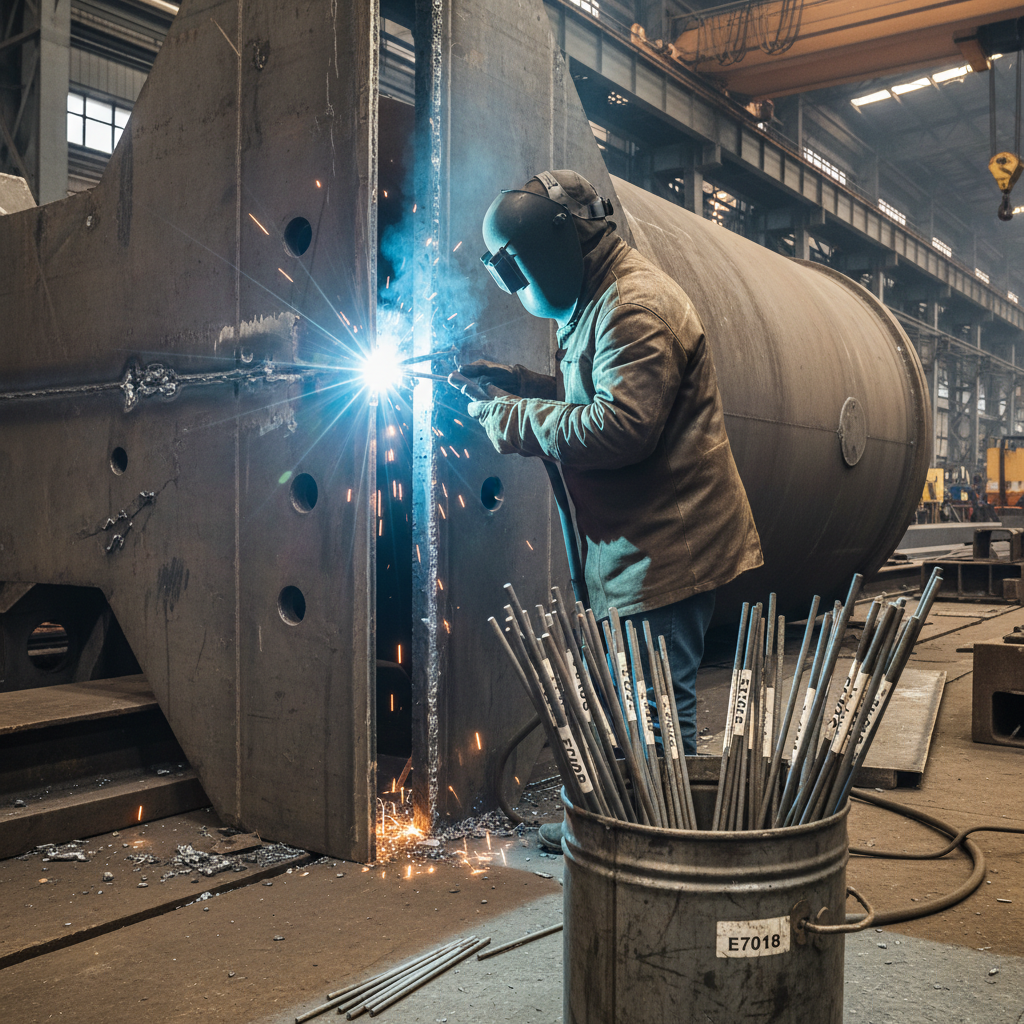
Understanding Welding Rod Types 7018 For Superior Fabrication And Repair

The Significance of welding rod types 7018

Understanding Welding Rod Types 7018 For Superior Fabrication And Repair

Welding rod types 7018 represent a specific classification within the broader family of welding electrodes, defined by their chemical composition and mechanical properties. This designation – 7018 – signifies a tensile strength of at least 70,000 psi and a specific welding position capability (all positions). The ‘18’ indicates a low-hydrogen electrode, requiring specific storage and handling procedures to maintain its efficacy. Their importance stems from their ability to create strong, ductile welds suitable for a wide range of materials, including low and medium carbon steels.

The consistent performance and predictable results offered by welding rod types 7018 contribute directly to project success and cost-effectiveness. Selecting the correct electrode for a given application minimizes the risk of weld defects, reduces rework, and ensures the structural integrity of the finished product. This is particularly critical in high-stress applications where failure could have catastrophic consequences. Choosing welding rod types 7018 correctly means a safer, longer-lasting and cost effective solution.

Global Relevance and Industrial Context

The demand for welding rod types 7018 is intrinsically linked to global economic activity, particularly in sectors such as construction, manufacturing, and energy. The development of infrastructure projects – including bridges, pipelines, and power plants – in both developed and developing countries drives significant consumption of these electrodes. Furthermore, the maintenance and repair of existing infrastructure rely heavily on the availability of reliable welding consumables like 7018 rods.

Consider the shipbuilding industry, where welding rod types 7018 are extensively used in hull construction and repair. Similarly, the oil and gas sector relies on these electrodes for pipeline welding and maintenance, particularly in challenging environments. The automotive industry utilizes 7018 rods for manufacturing chassis components and performing repairs. These examples illustrate the pervasive role of these electrodes across multiple industries, contributing significantly to global supply chains and economic growth.

The ISO standards governing welding consumables ensure consistent quality and performance, facilitating international trade and collaboration. Adherence to these standards is crucial for maintaining consumer confidence and ensuring the safety and reliability of welded structures worldwide. The standardization impacts the production and distribution of welding rod types 7018 globally.

Defining welding rod types 7018

Welding rod types 7018 are coated with a carefully formulated flux that serves multiple purposes during the welding process. The flux shields the weld pool from atmospheric contamination, stabilizes the arc, and adds alloying elements to enhance the weld's properties. This low-hydrogen coating is a key characteristic, minimizing the risk of hydrogen-induced cracking, a common defect in high-strength steels.

The ‘7018’ designation provides a concise summary of the electrode's capabilities. The '70' signifies a minimum tensile strength of 70,000 pounds per square inch (psi). The first digit of the last two, '1', indicates that it can be used in all welding positions – flat, horizontal, vertical, and overhead. The '8' denotes the type of flux coating, a low-hydrogen iron powder coating. Understanding this coding system is vital for selecting the correct electrode for a specific application.

Their connection to modern industry extends beyond mere fabrication. These rods are instrumental in maintaining critical infrastructure – power plants, bridges, and pipelines – ensuring the continued functionality of essential services. In essence, welding rod types 7018 underpin the reliability and safety of much of the modern world around us.

Core Components and Key Factors

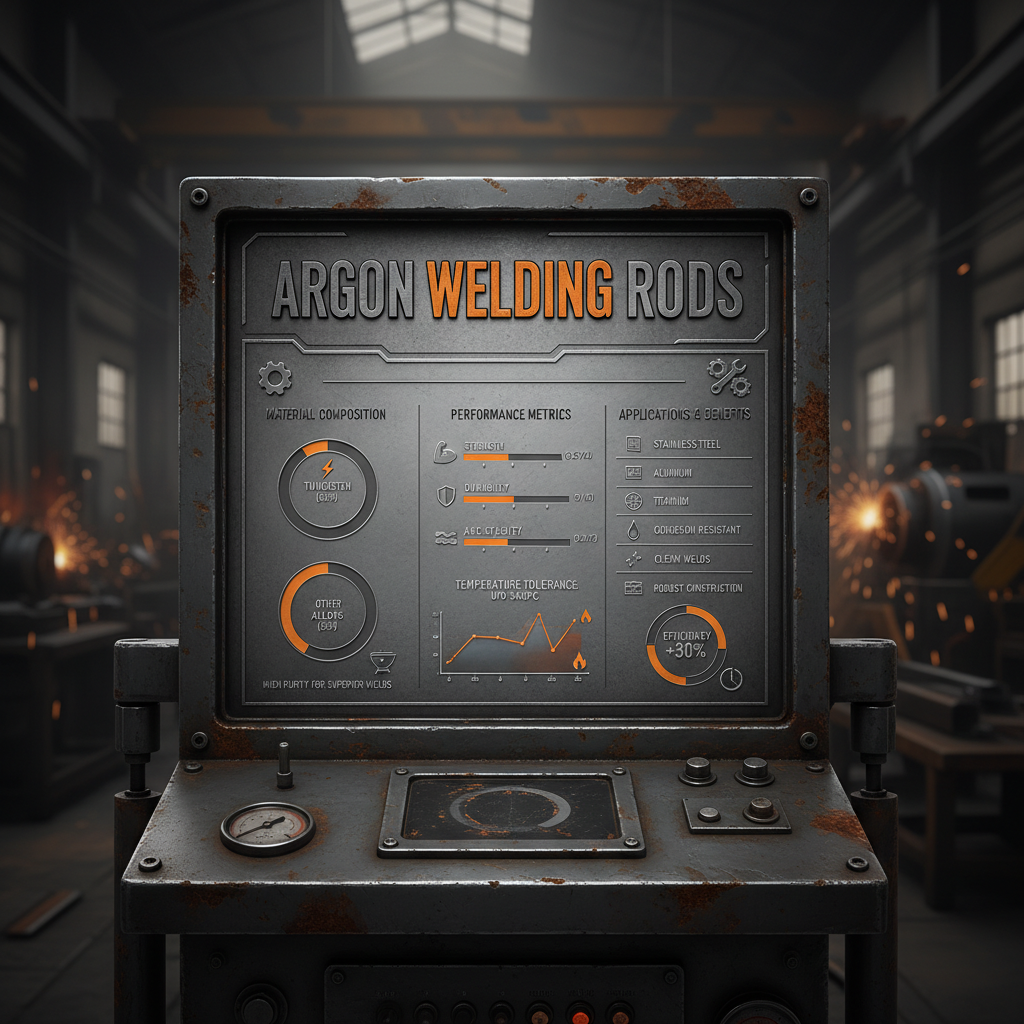
Several key factors define the performance characteristics of welding rod types 7018. Tensile Strength dictates the weld's ability to withstand pulling forces. Ductility, or the weld's capacity to deform without fracturing, is crucial for applications subject to stress and vibration. Weldability – how easily the electrode can be used to create a sound weld – depends on factors like arc stability and slag removal.

Low Hydrogen Content is paramount, minimizing the risk of hydrogen embrittlement and cracking. All-Position Capability allows for welding in any orientation, increasing versatility. Finally, Chemical Composition, including the specific alloying elements present, influences the weld's mechanical properties and corrosion resistance. These components interact to produce the overall performance characteristics of the electrode.

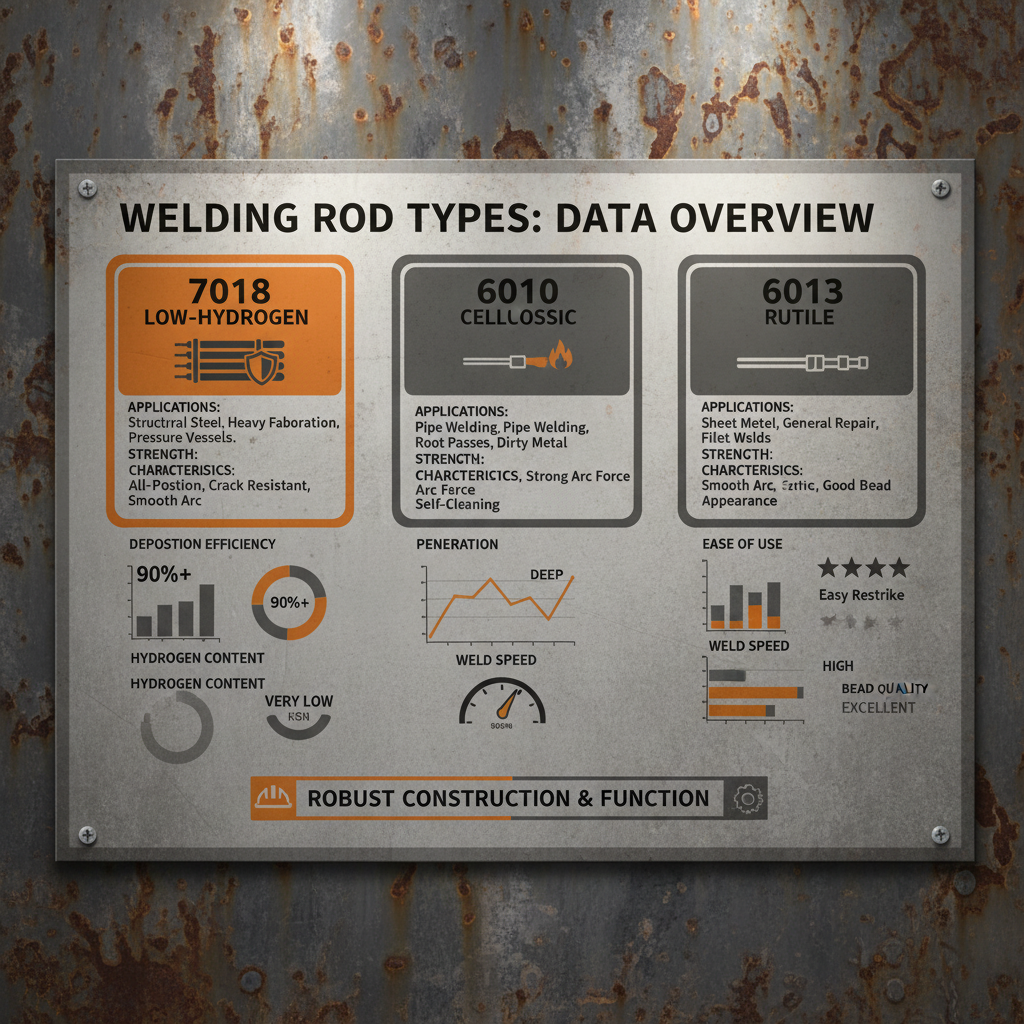
Performance Metrics of welding rod types 7018 Variations


Applications Across Industries

Welding rod types 7018 are ubiquitous across various industries. In the construction sector, they are used for structural steel welding in buildings, bridges, and other infrastructure projects. The oil and gas industry utilizes them for pipeline construction, repair, and maintenance, often in harsh offshore environments. Power generation plants rely on these rods for welding boiler tubes, pressure vessels, and other critical components.

In remote industrial zones, such as mining operations or research facilities in Antarctica, the robustness and reliability of welding rod types 7018 are invaluable. Their ability to perform consistently in extreme conditions ensures that vital repairs can be completed efficiently and effectively. Similarly, in post-disaster relief operations, skilled welders can use 7018 electrodes to repair damaged infrastructure and create temporary shelters, providing crucial support to affected communities.

Advantages and Long-Term Value

The advantages of using welding rod types 7018 extend beyond their immediate welding performance. The low-hydrogen coating minimizes the risk of weld cracking, enhancing the long-term durability and reliability of the welded structure. This translates to reduced maintenance costs and extended service life, providing a significant return on investment. The consistent quality and predictable results also contribute to increased productivity and reduced rework.

From a safety perspective, the high tensile strength and ductility of 7018 welds contribute to the structural integrity of critical components, reducing the risk of catastrophic failures. This is paramount in industries where safety is paramount, such as aerospace and nuclear power. The emotional benefit of knowing a structure is built with robust, reliable welds fosters trust and confidence in the engineering process.

Future Trends and Innovation

The future of welding rod types 7018 is intertwined with advancements in materials science and welding technology. Research into new flux coatings and alloying elements aims to further enhance weld properties, such as strength, toughness, and corrosion resistance. Automation and robotic welding systems are increasingly being used to improve efficiency and consistency, particularly in large-scale projects.

The drive towards sustainability is also influencing the development of environmentally friendly welding consumables. Reducing the environmental impact of welding processes – through lower fume emissions and reduced energy consumption – is a growing priority. Moreover, the integration of digital technologies, such as data analytics and machine learning, is enabling better process control and predictive maintenance, optimizing the use of welding rod types 7018 and maximizing their long-term value.

The development of new methods for hydrogen control in low-hydrogen electrodes will be crucial. Further advances in understanding the metallurgy of welding rod types 7018 will also lead to improved performance and extended lifespan in diverse applications.

FAQS

What storage practices are essential for maintaining the quality of welding rod types 7018?

Welding rod types 7018 are low-hydrogen electrodes and are extremely hygroscopic, meaning they readily absorb moisture from the air. To maintain their quality, they must be stored in a sealed container, such as the original package, in a dry environment. If the container is opened and the rods are not used immediately, they should be stored in a heated holding oven at around 150-200°F (65-93°C) to drive off any absorbed moisture. Always follow the manufacturer’s recommendations for storage and re-drying procedures.

What is the best welding technique to use with welding rod types 7018?

Welding rod types 7018 typically uses the Shielded Metal Arc Welding (SMAW) or 'stick welding' process. A low amperage setting, a short arc length, and a weaving technique are generally recommended to achieve optimal penetration and weld quality. It’s also crucial to maintain a consistent travel speed to ensure a uniform bead. Proper arc striking and extinguishing techniques are also important to minimize defects. Always follow certified welding procedures for your specific application.

Can welding rod types 7018 be used on rusty or dirty metal?

It’s generally not recommended to weld directly onto rusty or dirty metal with welding rod types 7018. Contaminants like rust, oil, and mill scale can introduce defects into the weld and reduce its strength and ductility. Before welding, the metal surface should be thoroughly cleaned using methods such as wire brushing, grinding, or chemical cleaning to remove all traces of contaminants. Proper surface preparation is critical for achieving a sound, high-quality weld.

What safety precautions should be taken when welding with welding rod types 7018?

Welding with welding rod types 7018 generates fumes that can be harmful to your health. Always wear appropriate personal protective equipment (PPE), including a welding helmet with a proper shade lens, welding gloves, a welding jacket, and a respirator. Ensure adequate ventilation in the welding area to remove fumes. Additionally, be aware of the risk of electrical shock and fire hazards, and take appropriate precautions to prevent them.

What is the typical tensile strength achieved with welding rod types 7018?

Welding rod types 7018 are designed to achieve a minimum tensile strength of 70,000 psi (pounds per square inch) in the weld metal. However, the actual tensile strength can vary depending on the welding process, base metal composition, and heat treatment. Proper welding techniques and adherence to qualified welding procedures are essential to consistently achieve the desired tensile strength and mechanical properties.

How do I identify if welding rod types 7018 have absorbed moisture?

Visually inspecting welding rod types 7018 can reveal signs of moisture absorption. The flux coating may appear discolored or speckled. If the rods are bent, a cracked or flaky coating indicates moisture content. A more definitive method is to use a moisture meter designed for welding electrodes. If there's any doubt, re-drying the electrodes in a heated holding oven is recommended to restore their welding characteristics.

Conclusion

Welding rod types 7018 remain a vital component of countless industries, offering a reliable and cost-effective solution for joining and repairing metal structures. Their low-hydrogen characteristics, all-position capability, and predictable performance make them an indispensable tool for welders worldwide. Understanding their proper usage, storage, and the underlying principles of welding with these electrodes is crucial for ensuring the safety, durability, and longevity of welded components.

As technology continues to evolve, innovations in flux coatings, welding processes, and automation will further enhance the capabilities of welding rod types 7018. Investing in ongoing training and adopting best practices will be essential for welders to maximize the benefits of these materials and contribute to the continued success of critical infrastructure projects. Visit our website at www.jinlongweldingelectrode.com to learn more about our range of high-quality welding consumables.

James Rodriguez

James Rodriguez

James Rodriguez is the Regional Sales Director for the United Arab Emirates and Saudi Arabia, representing Dingzhou Jinlong Metal Production Co., Ltd. He is responsible for driving sales growth and building long-term relationships with key clients in the region. James has a proven track record of success in the welding
Previous Advancements in Electrode Welding Technology and its Global Industrial Impact
Next Understanding Pipe Welding Rod Types for Robust Industrial Applications