The cost of welding electrodes is a critical factor influencing project budgets and overall welding efficiency across various industries. Understanding these costs involves considering not just the price per electrode, but also factors like material type, diameter, coating, and supplier. Accurately assessing the cost of welding electrodes is crucial for optimizing welding processes and ensuring project profitability.
Globally, the demand for welding electrodes remains consistently high, driven by infrastructure development, manufacturing, and repair operations. Fluctuations in raw material prices, like steel and flux ingredients, directly impact electrode costs. Consequently, businesses need to stay informed about market trends and employ strategic sourcing practices to maintain competitive pricing. The efficient utilization of welding electrodes, minimizing waste and maximizing deposition rates, further contributes to controlling the overall cost of welding electrodes.
The ability to properly evaluate and manage welding electrode expenses directly translates to enhanced project outcomes. Selecting the appropriate electrode type for the specific application, coupled with skilled welding techniques, not only ensures weld quality but also minimizes rework and associated costs. Understanding the long-term implications of electrode selection is paramount for sustainable and cost-effective welding operations.
The Significance of Understanding cost of welding electrodes
Understanding the cost of welding electrodes extends beyond simply the initial purchase price. It’s a strategic consideration that impacts the total cost of a welding project, encompassing labor, energy consumption, and potential rework due to poor weld quality caused by using inadequate materials. A comprehensive grasp of these factors allows for better budgeting and resource allocation.
Effective cost management of welding electrodes also contributes to the overall competitiveness of a manufacturing business. By minimizing expenses associated with welding, companies can offer more competitive pricing on their products and services, securing a larger market share. This understanding is particularly vital in sectors like construction, automotive, and shipbuilding where welding plays a crucial role.
Global Market Dynamics of Welding Electrode Costs
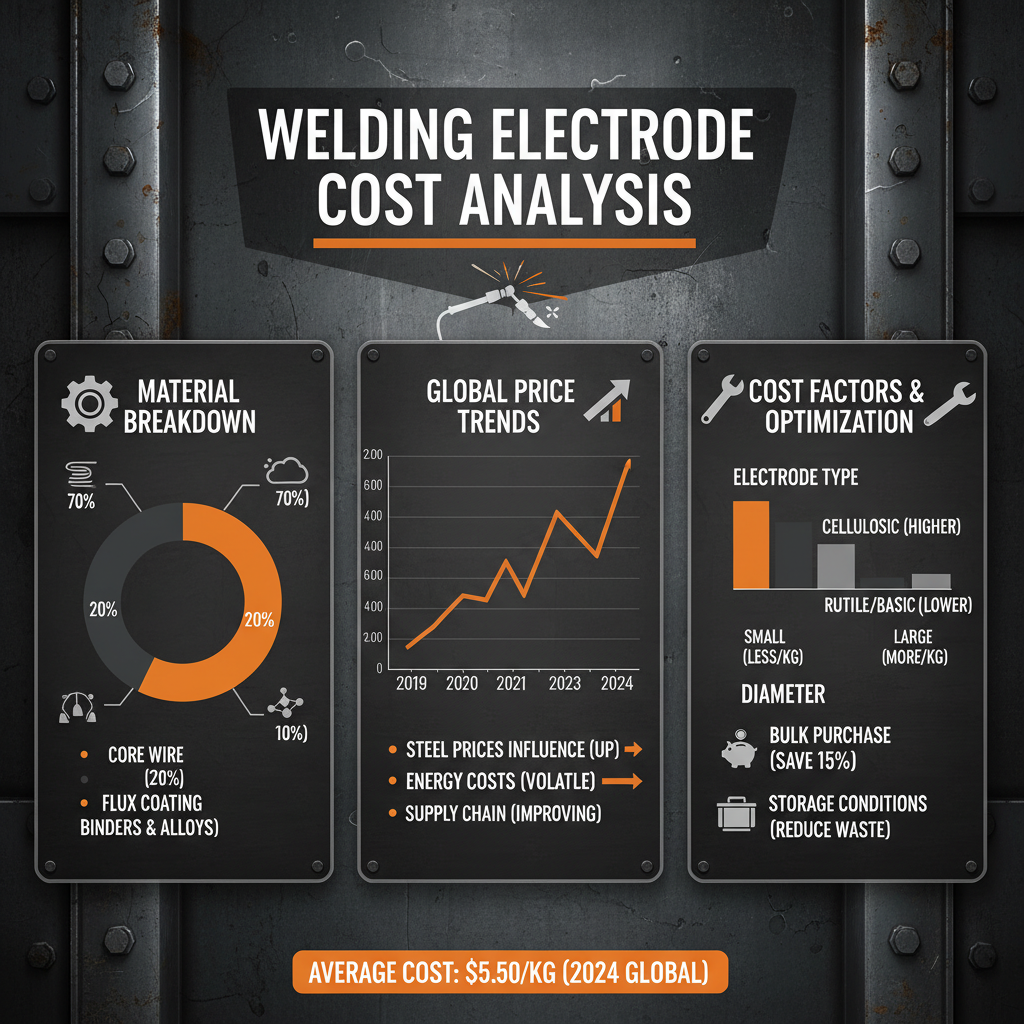
The global market for welding electrodes is highly sensitive to economic fluctuations and geopolitical events. Changes in steel prices, energy costs, and transportation fees directly influence the cost of welding electrodes worldwide. Disruptions in supply chains, like those experienced during recent global crises, can lead to price volatility and shortages.
Demand also varies significantly by region. Emerging economies with rapid infrastructure development, such as those in Southeast Asia and Africa, exhibit higher demand for welding electrodes, potentially impacting global pricing. Mature markets in North America and Europe focus more on specialized electrodes and advanced welding technologies.
Competition among electrode manufacturers is intense, with companies continually striving to optimize production processes and offer competitive pricing. This competition benefits end-users, but also necessitates careful evaluation of product quality and supplier reliability to avoid compromising weld integrity while seeking cost savings.
Defining and Calculating the Cost of Welding Electrodes
The cost of welding electrodes isn’t simply the price listed on an invoice. It’s a multifaceted calculation encompassing the initial purchase cost, shipping fees, taxes, and potential storage expenses. Accurate cost tracking requires detailed record-keeping and a clear understanding of all associated expenditures.
A more comprehensive calculation considers the 'cost per weld.' This metric accounts for the number of welds produced per electrode and the overall welding time. It's calculated by dividing the total electrode cost (including all associated expenses) by the number of successful welds. This provides a more accurate representation of the true welding cost.
Furthermore, the cost of waste and rejects must be factored in. Electrodes that are damaged, improperly stored, or used with incorrect welding parameters contribute to wasted materials and increased costs. Implementing proper handling procedures and welder training can significantly reduce these losses and improve the overall cost of welding electrodes.
Key Factors Influencing Electrode Pricing
Several key factors directly influence the cost of welding electrodes. The type of electrode, such as carbon steel, stainless steel, or cast iron, significantly impacts the price, with specialized alloys generally commanding higher costs. The diameter of the electrode also plays a role, as larger diameters typically require more material.
The coating type applied to the electrode further influences pricing. Electrodes with specialized coatings, like those offering corrosion resistance or enhanced weld properties, are typically more expensive than standard coated electrodes. Furthermore, the quantity purchased can affect the price, with bulk orders often qualifying for discounts.
Comparison of cost of welding electrodes based on Electrode Type
Global Applications & Cost Considerations
The cost of welding electrodes varies significantly depending on the application. In large-scale infrastructure projects, such as bridge construction or pipeline welding, the total electrode cost can represent a substantial portion of the overall project budget. Conversely, in smaller repair jobs, the electrode cost may be a relatively minor expense.
Different industries have unique requirements that influence electrode selection and associated costs. The automotive industry demands high-strength, low-alloy electrodes for chassis and body welding, while the shipbuilding industry utilizes electrodes designed for marine environments and corrosion resistance. The aerospace industry utilizes specialized, high-performance electrodes.
Advantages of Efficient Welding Electrode Cost Management
Efficient management of welding electrode costs yields numerous advantages. Reduced expenses contribute directly to increased profitability and improved project margins. Minimizing waste through proper handling and storage practices reduces material consumption and lowers overall costs.
Optimized electrode selection, based on specific application requirements, ensures weld quality and reduces the need for costly rework. Strategic sourcing from reliable suppliers secures competitive pricing and consistent product availability, preventing project delays.
Future Trends and Cost Optimization Strategies
Emerging trends in welding technology are poised to impact the cost of welding electrodes. The adoption of robotic welding systems can improve efficiency, reduce labor costs, and minimize material waste. The development of new electrode formulations with enhanced welding properties could lead to faster deposition rates and improved weld quality.
Furthermore, advancements in data analytics and supply chain management will enable more accurate cost forecasting and optimize inventory control. Implementing sustainable welding practices, such as using recycled materials and minimizing energy consumption, will not only reduce environmental impact but also contribute to long-term cost savings.
The integration of digital platforms for electrode ordering and tracking can streamline the procurement process and enhance transparency, leading to improved cost control. Exploring alternative welding processes, like friction stir welding, may offer cost advantages for specific applications.
Overview of Cost Factors in Welding Electrode Selection
| Electrode Type |
Material Cost (USD/kg) |
Application Suitability |
Long-Term Cost Impact |
| E6010 |
5 |
Root passes, dirty/rusty steel |
Low initial cost, but potential for higher rework if not used properly. |
| E7018 |
7 |
General purpose, multi-pass welding |
Moderate cost, high weld quality, reduced rework. |
| E6013 |
6 |
Sheet metal, maintenance welding |
Easy to use, but potentially lower weld strength. |
| Stainless Steel 308 |
12 |
Stainless steel welding, corrosion resistance |
High initial cost, but long-term corrosion resistance reduces maintenance costs. |
| Cast Iron |
8 |
Cast iron repair, joining |
Specialized application, can be brittle if not welded correctly. |
| Flux-Cored |
6.5 |
Heavy fabrication, outdoor welding |
Higher deposition rates, but generates more slag. |
FAQS
The primary contributors to the overall cost of welding electrodes include the type of electrode (material composition), diameter, coating, quantity purchased, shipping expenses, and applicable taxes. Additionally, indirect costs like storage, handling, and potential waste due to improper storage or use can significantly impact the total expenditure. Carefully evaluating all these components is crucial for accurate cost assessment.
Several strategies can help reduce electrode costs without sacrificing quality. These include bulk purchasing to leverage discounts, implementing proper storage procedures to prevent damage, providing welder training to minimize waste, and selecting the most appropriate electrode type for each specific application. Regularly evaluating supplier pricing and exploring alternative brands can also lead to cost savings.
Electrode diameter directly impacts welding speed and deposition rate. Larger diameter electrodes generally allow for faster welding and higher deposition rates, potentially reducing labor costs. However, they may require higher amperage and more powerful welding machines. Smaller diameter electrodes are suitable for thinner materials and more precise welds but may take longer to complete, increasing labor costs. Choosing the optimal diameter for the specific application is key.
Electrode coatings play a crucial role in arc stability, weld properties, and slag removal. Specialized coatings, such as those providing corrosion resistance or improved weld strength, generally increase the electrode cost. However, these coatings can significantly enhance weld quality and reduce the need for rework, potentially offsetting the higher initial expense. Selecting the appropriate coating for the application is vital for optimizing both cost and performance.
Automated welding systems, such as robotic welding, can significantly reduce electrode costs by improving welding efficiency, minimizing waste, and ensuring consistent weld quality. Robots can maintain optimal welding parameters, reducing the likelihood of defects and rework. They also eliminate the variability associated with manual welding, leading to more predictable electrode consumption and lower overall costs.
It’s recommended to review your welding electrode purchasing strategy at least annually, or more frequently if there are significant changes in market conditions or project requirements. This review should involve evaluating supplier pricing, assessing electrode performance, and identifying opportunities for cost optimization. Staying informed about new electrode technologies and industry trends can also help maintain a competitive edge.
Conclusion
In conclusion, understanding the cost of welding electrodes is crucial for any organization involved in welding operations. It's a multifaceted consideration extending beyond the initial purchase price to encompass material selection, usage efficiency, and overall project impact. By embracing strategic sourcing, optimizing welding processes, and staying abreast of emerging technologies, businesses can effectively manage these costs and maximize profitability.
Looking ahead, adopting innovative solutions like robotic welding, data-driven inventory management, and sustainable welding practices will be paramount for achieving long-term cost savings and enhancing competitiveness. We encourage you to explore our range of high-quality welding electrodes at www.jinlongweldingelectrode.com to find the optimal solutions for your specific welding needs.