Understanding welding rod price per kg is crucial for anyone involved in fabrication, construction, repair, or maintenance. It’s not just about the upfront cost; it's about optimizing project budgets, ensuring weld quality, and mitigating potential risks. Globally, the demand for welding consumables is driven by infrastructure development, manufacturing growth, and increasing maintenance needs in existing structures. Staying informed about these prices helps professionals plan effectively and deliver projects on time and within budget.
The price fluctuations of welding rods directly impact the cost of large-scale projects, from bridges and skyscrapers to pipelines and shipbuilding. According to the International Iron and Steel Institute, global steel production is a key indicator influencing welding consumables demand, and thus, pricing. The current global supply chain challenges and geopolitical instability add another layer of complexity. Ignoring these factors can lead to significant budget overruns and project delays, which is something I've seen happen far too often on job sites.
Ultimately, knowing the true cost of welding materials – represented by the welding rod price per kg – is about responsible project management. It’s about minimizing waste, choosing the right rod for the application, and ensuring long-term structural integrity. It's a fundamental aspect of delivering quality work and building a sustainable future.
The Importance of Understanding Welding Rod Price Per Kg
I've spent years walking steel, and I can tell you this: understanding the price of your welding rods isn’t just a numbers game. It's about practical realities. A seemingly small difference in the welding rod price per kg can quickly add up on a large project. We're talking about the difference between staying under budget and facing costly overruns. It affects everything from bidding accurately to maximizing profitability.
Often, folks focus solely on the initial cost, but a cheaper rod doesn’t always equate to savings. A lower-quality rod can lead to increased rework, more downtime for repairs, and ultimately, a compromised weld. And trust me, when a weld fails, the cost of fixing it far outweighs any initial savings. That’s why evaluating the total cost of ownership – including efficiency, quality, and reliability – is key when considering welding rod price per kg.
Defining Welding Rod Price Per Kg
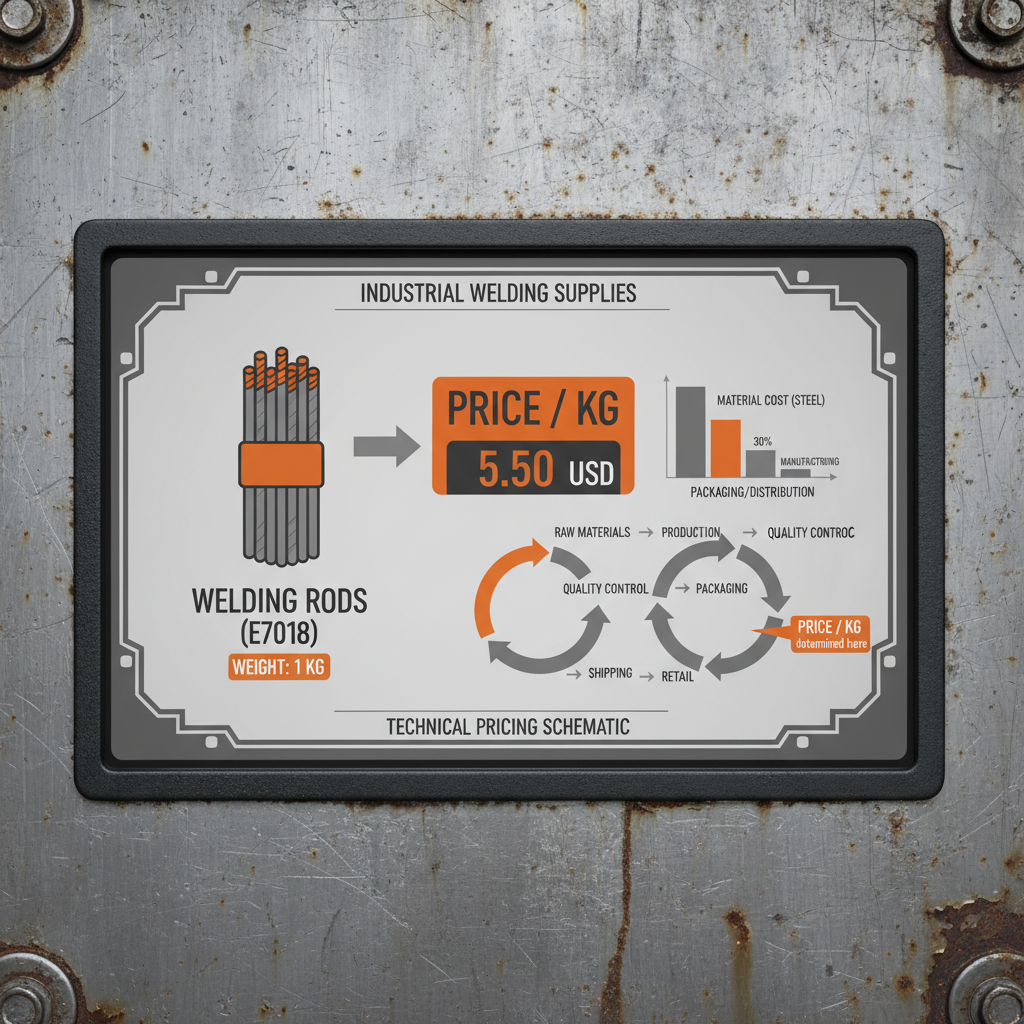
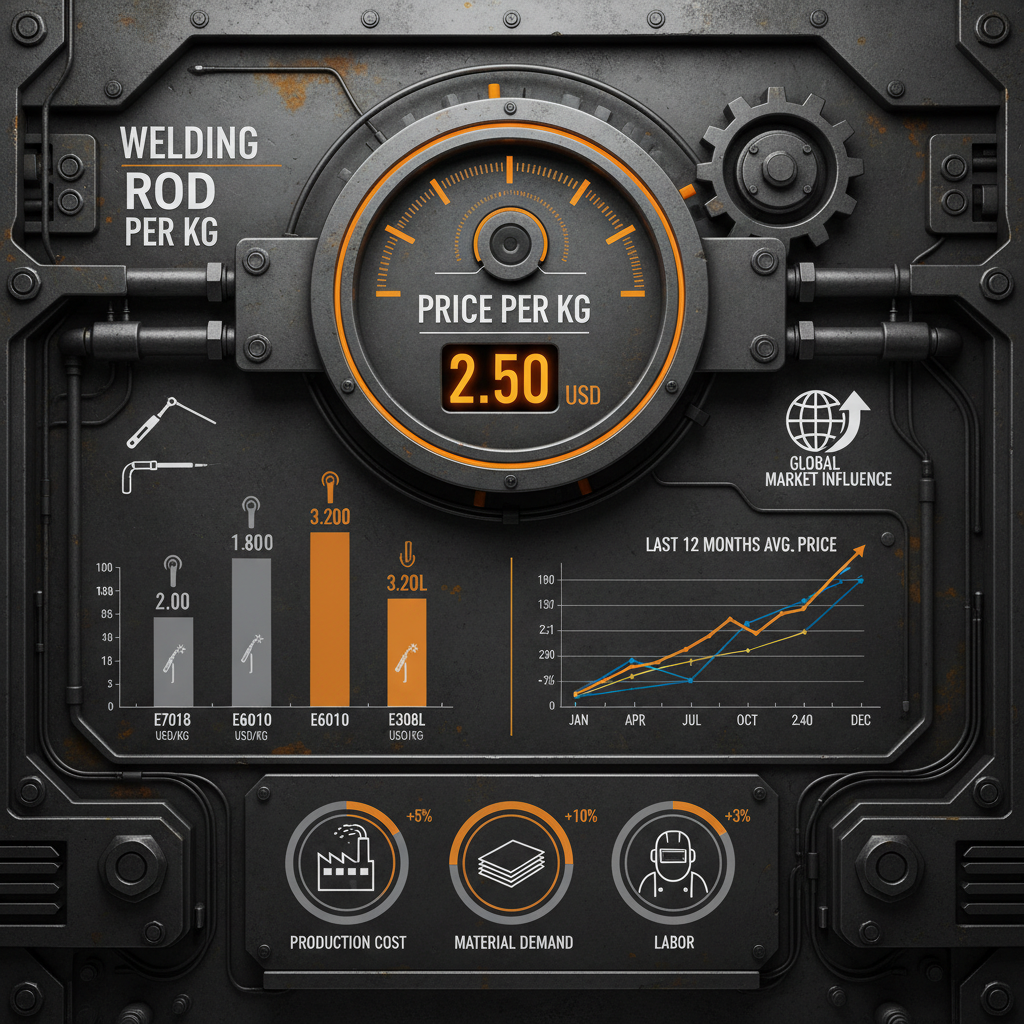
The welding rod price per kg simply refers to the cost of a kilogram of welding rod. However, it’s rarely that straightforward. Prices vary significantly based on the rod’s composition (E6010, E7018, etc.), diameter, manufacturer, quantity purchased, and current market conditions. It's not just a single price point; it's a dynamic value.
In today’s complex manufacturing and construction landscapes, accurate cost tracking of welding consumables is vital. It allows for detailed project budgeting, accurate cost analysis, and better resource allocation. We use it to determine if we're getting a fair price, to negotiate with suppliers, and to identify potential cost-saving opportunities.
It’s also a critical metric for tracking material usage and identifying potential waste. Knowing the cost per kilogram helps us minimize scrap and optimize welding processes, contributing to overall project efficiency and profitability.
Key Factors Influencing Welding Rod Price Per Kg
Several factors drive fluctuations in welding rod price per kg. Raw material costs, particularly iron ore, steel scrap, and alloying elements, are major influencers. Global economic conditions and trade policies also play a significant role; tariffs and supply chain disruptions can quickly impact prices.
Demand is another crucial element. Large infrastructure projects or sudden increases in manufacturing activity can create a surge in demand, leading to price increases. Conversely, economic slowdowns can lead to decreased demand and lower prices. Supplier availability and competition within the welding consumable market also affect price points. I’ve seen prices jump overnight when a major supplier had production issues.
Finally, the type of welding rod itself is a significant factor. Specialized rods, designed for specific applications (like high-strength steel or stainless steel), are typically more expensive than general-purpose rods. The diameter of the rod also impacts the price, with larger diameters generally costing more per kilogram.
Global Applications and Use Cases
Welding rods are ubiquitous. You'll find them in shipbuilding in South Korea, constructing skyscrapers in the Middle East, repairing pipelines in North America, and building infrastructure in developing nations. Everywhere steel is joined, welding rods are essential.
In post-disaster relief operations, for example, readily available and affordable welding rods are critical for repairing damaged infrastructure and providing temporary shelters. The ability to quickly repair bridges, buildings, and utilities depends heavily on a reliable supply of these materials. I saw this first hand after the recent earthquakes in Turkey.
And in remote industrial zones, like oil and gas fields or mining operations, where access to resources is limited, the cost-effectiveness of welding rod price per kg becomes even more crucial. Companies operating in these areas need to optimize their supply chains and find reliable sources of affordable welding consumables.
Welding Rod Cost Comparison by Application
Advantages of Optimizing Welding Rod Costs
Optimizing welding rod costs translates to tangible benefits. Reduced material expenses directly impact project profitability, allowing businesses to offer more competitive bids and increase their margins. It's not just about saving money; it's about winning more work.
Furthermore, efficient welding practices, driven by informed material selection, improve welding speed and reduce rework. This boosts productivity, minimizes downtime, and ensures projects are completed on schedule. And, a well-chosen rod reduces the risk of weld defects, enhancing the overall quality and longevity of the finished product.
Future Trends in Welding Consumable Pricing
I'm seeing a shift towards more sustainable welding consumables, with manufacturers exploring eco-friendly materials and processes. This is likely to influence pricing in the future, as "green" rods may command a premium. Digitalization and automation are also playing a role, with smart welding systems optimizing rod usage and minimizing waste.
We'll also likely see more price transparency in the market, driven by online platforms and data analytics. This will empower buyers to make informed decisions and negotiate better deals. The integration of AI-powered forecasting tools will help predict price fluctuations and manage supply chain risks more effectively.
Expect to see more research and development in advanced welding alloys, designed for specific applications and offering superior performance. These innovations will likely come with a higher price tag, but the long-term benefits in terms of durability and reliability may justify the investment.
Challenges and Solutions in Managing Welding Rod Costs
One of the biggest challenges is price volatility. Market fluctuations can make it difficult to budget accurately. To mitigate this, build strong relationships with multiple suppliers and consider long-term contracts to lock in favorable pricing.
Another issue is quality control. Counterfeit or substandard welding rods can compromise weld integrity and lead to costly failures. Always purchase from reputable suppliers and verify the authenticity of the products. Proper storage and handling are also essential to prevent corrosion and maintain rod quality.
Finally, accurately tracking material usage can be a challenge on large projects. Implementing a robust inventory management system and utilizing barcode scanning technology can help monitor consumption, identify waste, and optimize procurement.
Summary of Strategies for Effective Welding Rod Cost Management
| Mitigation Strategy |
Implementation Difficulty (1-5) |
Potential Cost Savings (%) |
Long-Term Impact |
| Supplier Diversification |
3 |
5-10 |
High |
| Long-Term Contracts |
4 |
8-15 |
Medium |
| Inventory Management System |
4 |
3-7 |
High |
| Quality Control Protocols |
2 |
10-20 |
Very High |
| Bulk Purchasing |
3 |
5-10 |
Medium |
| Waste Reduction Training |
2 |
2-5 |
Medium |
FAQS
The biggest drivers are raw material costs (iron ore, steel scrap), global economic conditions, and supply chain disruptions. Things like tariffs, geopolitical events, and sudden increases in demand can all cause prices to jump. We've seen significant volatility in recent years due to these factors, impacting project budgets significantly. Staying informed about these external pressures is crucial for effective cost management.
Accurate forecasting is tough, but crucial. Start by analyzing historical price data. Look at trends over the past few years, and identify any seasonal patterns. Then, factor in current market conditions, including raw material prices, global demand, and potential supply chain risks. Consider using price forecasting tools and consulting with industry experts for insights. And, always build a contingency buffer into your budget to account for unexpected price increases.
Buying in bulk almost always results in a lower price per kilogram. Suppliers offer discounts for larger orders. However, you need to consider storage costs and the risk of obsolescence. If you don't have the storage space or the demand to use the rods quickly, bulk purchasing may not be the best option. Carefully weigh the cost savings against these other factors.
Always purchase from reputable suppliers with a proven track record. Verify the authenticity of the rods and check for certifications that meet industry standards. Don't be tempted by significantly lower prices from unknown sources; it could be a sign of counterfeit or substandard products. A small investment in quality can save you significant costs in the long run by preventing weld defects and rework.
Generally, larger diameter rods cost more per kilogram than smaller diameter rods. This is because larger rods require more material and more complex manufacturing processes. However, the cost per weld may be lower with larger rods, as they can deposit more weld metal in a single pass. Consider the specific application and the efficiency of the welding process when choosing a rod diameter.
Yes, depending on the application, you might consider flux-cored arc welding (FCAW) wire or submerged arc welding (SAW) wire. These alternatives can sometimes be more cost-effective and efficient, especially for larger projects. However, they require different equipment and welding techniques. Evaluate the total cost, including equipment, training, and material costs, before making a switch.
Conclusion
In conclusion, understanding welding rod price per kg is far more than just knowing a number. It’s about proactive cost management, quality assurance, and ultimately, project success. By considering the factors that influence pricing, implementing smart procurement strategies, and prioritizing quality, you can optimize your welding operations and maximize your return on investment.
Looking ahead, staying informed about market trends, embracing sustainable practices, and leveraging digital technologies will be crucial for navigating the evolving landscape of welding consumables. I encourage you to view welding rods not just as a commodity, but as a vital component of your overall project strategy. For competitive pricing and expert advice, visit our website at welding rod price per kg.