You know, I've been running around construction sites for over a decade, and things have really changed. Used to be, everything was just… robust. Overbuilt, maybe. Now? Everyone wants lighter, stronger, cheaper. The big push lately is definitely towards high-strength welding electrodes in china – specifically, low-hydrogen ones. Makes sense, right? Less cracking, better penetration. But honestly, it’s not always a straight upgrade.
I swear, the spec sheets these engineers hand me... They look great on paper, all the tensile strengths and yield points. But have you noticed how easily some of these ‘high-performance’ electrodes can burn back? It's a nightmare. You get a little bit of moisture in the flux, a slightly dirty base metal, and poof - you’re grinding a mess.
And don't even get me started on the different coatings. It’s a whole world. You got your rutile-coated, your basic, your cellulosic… Each one has its quirks. The rutile ones, they’re forgiving, good for general work. Smell like burning plastic, though. The basic ones, well, they're… basic. They need a seriously clean surface and a skilled welder. Cellulosic? Those are for high-strength steel, especially vertical or overhead. They’re a pain to strike, but man, the welds they make are tough. They feel different in your hand too, kinda gritty.
The Current Landscape of Welding Electrodes in China
Honestly, the welding electrodes in china market is booming. It's not just about quantity anymore, though. There’s a huge focus on quality control now. The Chinese manufacturers are stepping up their game, investing in better equipment and processes. It's still a bit of a mixed bag, though. You get some amazing stuff, and then… well, some stuff that's best left for scrap metal projects. To be honest, the sheer volume coming out of China impacts global prices, which is good for us end-users, but it also puts pressure on quality.
You’re seeing a lot more specialized electrodes, too. For shipbuilding, for aerospace, for high-pressure pipelines… They’re catering to niche markets, which is pretty smart. I encountered this at a factory in Jiangsu province last time - they were making electrodes specifically for offshore wind turbine construction. Very precise stuff, very expensive.
Design Pitfalls and Common Mistakes
Strangely enough, a lot of these new designs fall into the same old traps. Overly complex flux compositions, for example. They try to cram in too many alloying elements, thinking it'll make a super-electrode. It usually just makes it harder to weld and more prone to defects. Another thing – inconsistent core wire quality. The steel itself has to be good, uniform, without inclusions. You’d think that would be obvious, but… it isn't always. And the packaging! I swear, some of these electrodes arrive on-site rusty because the packaging isn't airtight.
I’ve also seen electrodes designed with ridiculously long arc lengths in mind. Great for a robot in a factory, terrible for a guy trying to weld a pipe in a tight space. They forget who's actually using the damn things.
Then there’s the labeling. Sometimes it's just… wrong. Misleading information about tensile strength, incorrect welding parameters. It’s infuriating. It leads to rework, delays, and a lot of frustrated welders.
Material Deep Dive: What's Actually Inside
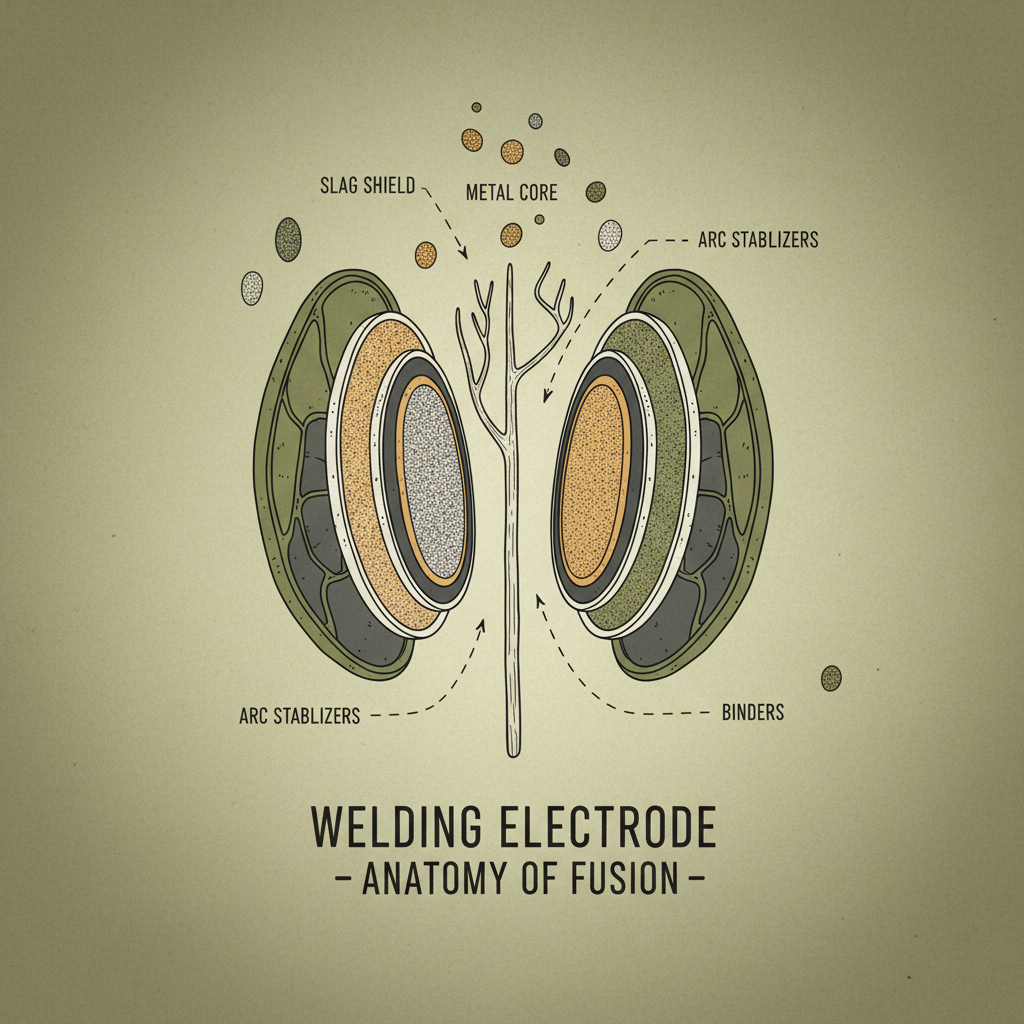
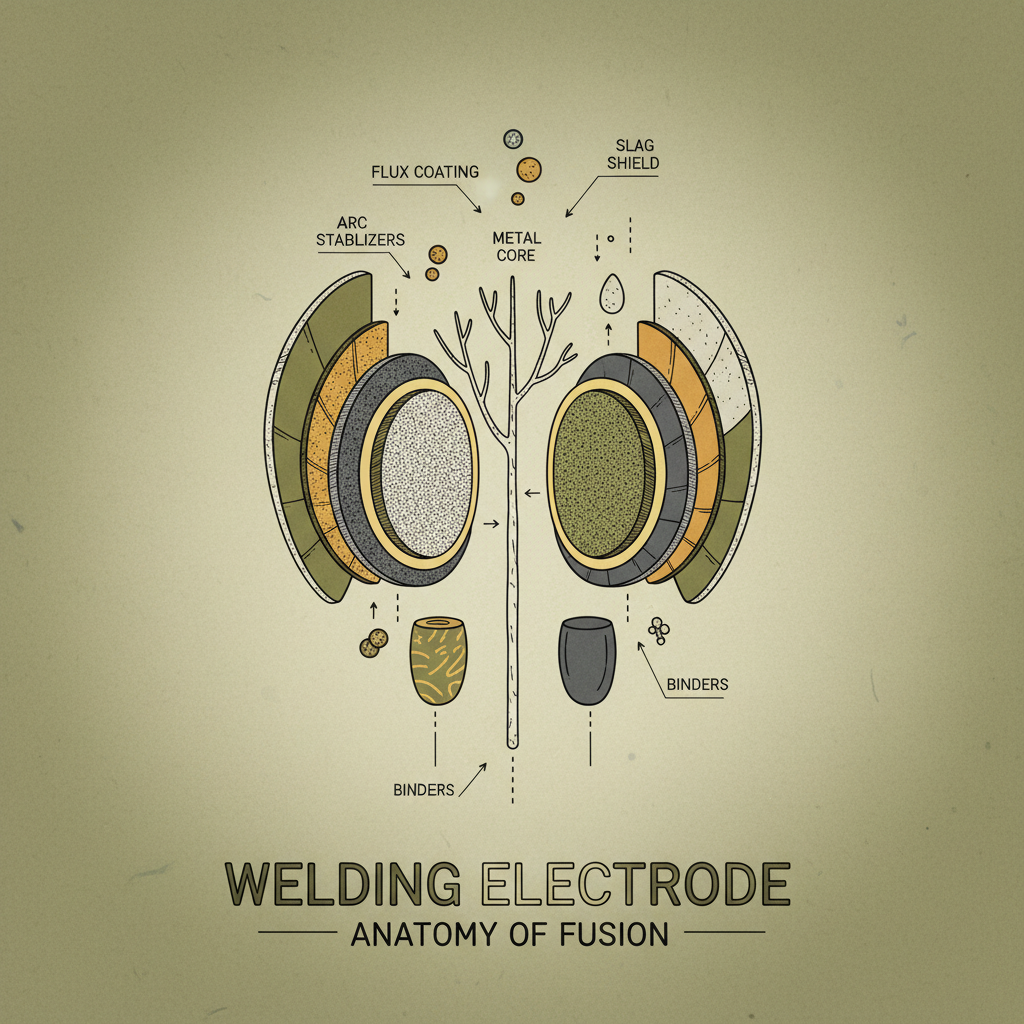
The core wire is obviously crucial. Low carbon steel is the standard, but the exact composition matters. You want something ductile, with good toughness. Then you’ve got the flux coating. That’s where the magic happens. It's a complex mixture of binders, stabilizers, deoxidizers, and alloying elements. The binders hold everything together, the stabilizers prevent moisture pickup, the deoxidizers clean the weld pool, and the alloying elements add strength and other properties.
I once saw a batch of electrodes where the flux contained too much potassium. The welds looked beautiful, but they were incredibly brittle. Cracking everywhere. Turns out, potassium makes the weld susceptible to hydrogen-induced cracking. Lesson learned: don't mess with the flux recipe unless you really know what you're doing. And you can smell the differences sometimes, too. Some fluxes have a faint, sweet odor; others reek of sulfur. It's a good indicator of the ingredients, if you know what to look for.
Anyway, I think understanding the interplay between the core wire and the flux is key. It's not just about the individual materials; it's about how they work together.
Real-World Testing Beyond the Lab
Lab tests are fine, but they don’t tell you much about how an electrode will perform in the real world. I prefer to see them used on a real jobsite, under real conditions. That means dealing with dirty steel, variable temperatures, inexperienced welders… the works. We typically do bend tests, tensile tests, and impact tests. But we also do visual inspections, looking for porosity, cracking, and undercut.
We’ve started doing more radiography, too – X-raying the welds to check for internal defects. It’s expensive, but it’s the best way to catch problems you wouldn't otherwise see. And honestly, the best test is just time. If a weld holds up for a year, exposed to the elements, then you know you've got a good electrode.
Welding Electrodes in China Performance Metrics
How Welders Actually Use Them
This is where things get interesting. You can design the perfect electrode, but if the welders don’t know how to use it, it’s worthless. They often adjust the amperage and voltage based on feel, not on the spec sheet. And they’ll use different techniques depending on the position – flat, horizontal, vertical, overhead. They also have their preferred brands and types, and they’re often resistant to change.
I’ve seen guys grind away the flux coating to get a better arc strike. Don’t ask me why, they just do it. It’s frustrating, but you gotta understand, they’re trying to get the job done quickly and efficiently.
Pros, Cons, and Customization Options
The advantages of these newer welding electrodes in china are obvious: higher strength, better toughness, less cracking. But there are downsides. They’re often more expensive, more sensitive to contamination, and require more skill to weld with.
Customization is definitely possible. You can request different flux compositions, different core wire diameters, different coating thicknesses. I had a customer last month, a small boss in Shenzhen who makes smart home devices, insisted on changing the interface to on a batch of electrodes. Said it was for “future-proofing”. It was a nightmare to implement, drove up the cost, and honestly, I don’t think it made a difference. He was very adamant about it, though. It's this kind of stuff...
A Look at Performance Characteristics
Ultimately, it all boils down to consistency. You want an electrode that performs the same way every time, regardless of the conditions. That means consistent arc starting, consistent weld bead profile, and consistent mechanical properties. It is quite hard to guarantee.
We analyze several key parameters: deposition rate, tensile strength, yield strength, elongation, impact toughness, and hydrogen content. We also look at the weld metal chemistry, making sure it meets the required specifications.
Here’s a quick rundown of what we typically see:
Key Performance Indicators of Welding Electrodes in China
| Electrode Type |
Tensile Strength (MPa) |
Hydrogen Content (%) |
Arc Stability (1-5) |
| E7018 (Low Hydrogen) |
570-700 |
|
4 |
| E6013 (Rutile) |
480-600 |
0.010-0.015 |
5 |
| E7014 (Iron Powder) |
550-680 |
0.008-0.012 |
4 |
| E6010 (Basic) |
440-550 |
0.015-0.020 |
3 |
| SS308L (Stainless Steel) |
520-650 |
0.006-0.010 |
4 |
| ENi-CI (Cast Iron) |
380-500 |
0.010-0.015 |
3 |
FAQS
For high-pressure pipelines, you absolutely need low-hydrogen electrodes like E7018. The lower hydrogen content minimizes the risk of hydrogen-induced cracking, which is a critical failure mode in these applications. Also, ensure the electrodes meet the relevant API standards and have excellent ductility and toughness. Preheating the base metal is also crucial. The electrode needs to have consistent chemical composition.
Moisture is the enemy. Always store electrodes in a sealed container, preferably with a desiccant. If the electrodes have been exposed to humidity, you must bake them according to the manufacturer's instructions before use. This drives out the absorbed moisture and prevents porosity in the weld. I've seen projects ruined by neglecting this simple step.
Arc length is HUGE. Too long an arc leads to porosity and reduced penetration. Too short, and you get spatter and a narrow, unstable weld. The ideal arc length is typically equal to the diameter of the electrode. It takes practice to maintain a consistent arc length, but it's fundamental to good welding.
The coating dictates a lot. Rutile coatings are forgiving but generally produce welds with lower strength and toughness. Basic coatings yield higher strength and better ductility, but are more sensitive to contamination. Iron powder coatings increase deposition rate, which speeds up the welding process. It’s a balancing act, choosing the right coating for the job.
Porosity usually means moisture or contamination. Undercut is often caused by too high a current or too fast a travel speed. Visual inspection is the first step. If you find defects, you need to remove them by grinding and re-weld. Sometimes radiography is needed to find hidden defects. Prevention is always better than cure – proper electrode storage, clean base metal, and correct welding parameters.
Not directly. Stick electrodes are for SMAW (Shielded Metal Arc Welding), which is manual. MIG and TIG use different types of filler metal – wire for MIG, and rods for TIG. However, the base metal chemistry needs to be compatible with the chosen filler metal, so understanding electrode compositions helps even in those processes. It's all connected, you see.
Conclusion
So, there you have it. Welding electrodes in china have come a long way, but they’re still just a tool. A good tool, yes, but a tool nonetheless. It all comes down to understanding the materials, the processes, and the limitations. And remembering that the spec sheet is just a starting point.
Ultimately, whether this thing works or not, the worker will know the moment he tightens the screw. And that's the truth of it. If you want to learn more about finding the right welding electrodes for your project, visit our website: www.jinlongweldingelectrode.com