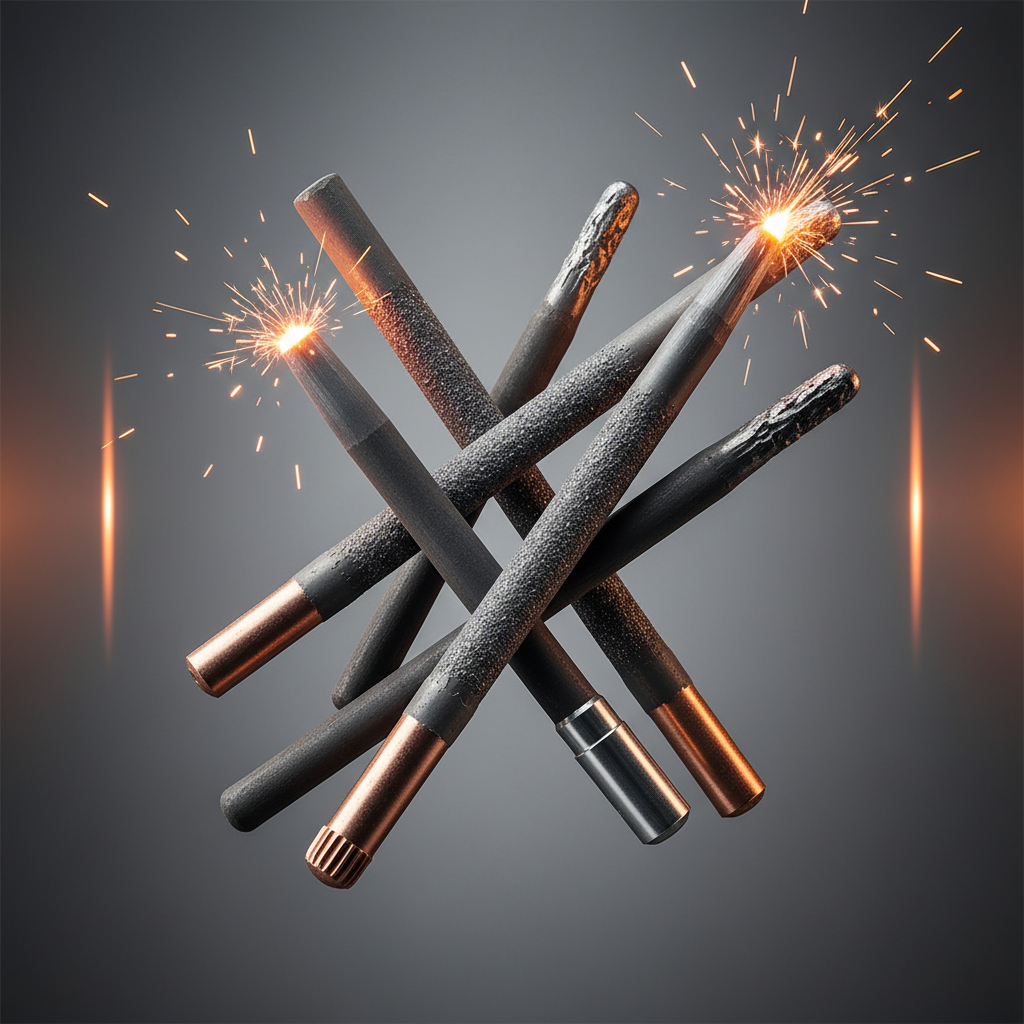
The world of welding is vast and complex, relying heavily on the correct selection and application of welding electrodes. Understanding the different kinds of electrode in welding is crucial for ensuring strong, reliable, and safe joints in a wide range of industries, from construction and manufacturing to aerospace and automotive. This knowledge impacts not only the quality of the finished product but also the efficiency and cost-effectiveness of the welding process itself.
Globally, the demand for skilled welders and high-quality welding materials is consistently high. According to the American Welding Society, there’s a significant shortage of qualified welders in many countries, highlighting the need for improved training and access to the right tools and materials. The increasing use of automation in welding, coupled with the development of new and advanced electrode types, is driving innovation in this field. kinds of electrode in welding play a key role in adapting to these new technologies.
The proper selection of welding electrodes directly contributes to infrastructure development, resource management, and overall industrial progress. As industries evolve and demand increasingly specialized welding applications, a thorough understanding of kinds of electrode in welding is more critical than ever before.
The Core Fundamentals of kinds of electrode in welding
At the heart of any welding operation lies the electrode, the consumable component that provides the filler metal and, in some processes, the shielding gas. Understanding the core fundamentals of kinds of electrode in welding—their composition, classifications, and intended applications—is paramount for achieving successful welds. Different electrode types are designed to work with specific metals, thicknesses, and welding positions, and selecting the wrong electrode can lead to defects and structural failures.
The chemical composition of an electrode significantly influences its mechanical properties, such as tensile strength, yield strength, and ductility. Electrodes are categorized by their welding process (SMAW, GMAW, GTAW, etc.), the type of metal they deposit, and their usability characteristics. These classifications, often governed by standards organizations like the AWS (American Welding Society), provide a clear and consistent way to identify and select the appropriate electrode for a given application.
The Global Significance of Electrode Selection
The selection of appropriate kinds of electrode in welding carries immense global significance, impacting industries across continents. In rapidly developing nations, efficient and reliable welding is critical for infrastructure projects – building bridges, pipelines, and power plants. The quality of these structures directly impacts the safety and economic progress of these countries. The choice of electrodes influences project timelines, material costs, and long-term durability.
Similarly, in established industrial economies, advanced welding techniques employing specialized electrodes are essential for maintaining competitiveness in sectors like aerospace, automotive, and shipbuilding. The demand for lightweight, high-strength materials drives the need for innovative electrode formulations capable of producing welds with exceptional mechanical properties. Global trade relies heavily on the integrity of welded structures, making proper electrode selection a matter of international standards and quality control.
Furthermore, the environmental impact of welding is increasingly important. Choosing electrodes that minimize fume emissions and waste contributes to sustainable manufacturing practices. The development of “green” electrodes that reduce environmental hazards is a growing trend globally, demonstrating the interconnectedness of welding technology with broader sustainability goals.
Defining kinds of electrode in welding: A Comprehensive Overview
Kinds of electrode in welding refer to the diverse range of consumable materials used to join metal parts through the welding process. They act as both the source of filler metal and, in many cases, the means of shielding the weld pool from atmospheric contamination. These electrodes come in various forms, including coated electrodes (SMAW), solid wires (GMAW), and tungsten electrodes (GTAW), each suited to specific welding applications and metal types.
The classification of electrodes is critical for ensuring compatibility with the base metal and achieving desired weld properties. Standards organizations like the AWS provide a standardized system for categorizing electrodes based on their tensile strength, welding position capability, and flux composition. These classifications allow welders to quickly and accurately select the appropriate electrode for a given job, minimizing the risk of weld defects.
Modern advancements have led to the development of specialized electrodes designed for specific alloys, such as stainless steel, aluminum, and nickel alloys. These electrodes often incorporate unique alloying elements in their composition to match the properties of the base metal, ensuring a strong and corrosion-resistant weld. The continued innovation in electrode technology is driving improvements in weld quality, efficiency, and overall productivity across various industries.
Key Characteristics Influencing Electrode Performance
Several key characteristics significantly influence the performance of kinds of electrode in welding. One crucial factor is the tensile strength, which determines the weld's ability to withstand stress and load. Yield strength, indicating the point at which the metal begins to deform permanently, is also essential for structural integrity. Ductility, the metal’s ability to stretch or deform before fracturing, impacts the weld’s resistance to cracking.
Furthermore, the deposition rate—the amount of filler metal deposited per unit of time—affects welding speed and efficiency. The electrode's usability, including its arc starting ease, slag removal characteristics, and welding position capability, impacts the welder's comfort and productivity. Electrode stability and resistance to porosity are also vital for achieving sound, defect-free welds.
Electrode Performance Ratings (1-10)
Diverse Applications of Welding Electrodes Worldwide
The application of kinds of electrode in welding is incredibly diverse, spanning nearly every sector of the global economy. In the construction industry, electrodes are essential for erecting steel-framed buildings, bridges, and infrastructure projects. Different electrode types are chosen based on the steel grade, welding position, and environmental conditions.
The automotive industry relies heavily on welding to assemble vehicle chassis, bodies, and components. Robotic welding systems, often utilizing specialized GMAW electrodes, ensure precise and repeatable welds for high-volume production. In the aerospace sector, where structural integrity is paramount, advanced electrodes are used to weld lightweight alloys like titanium and aluminum.
Advantages and Long-Term Value Proposition
Selecting the correct kinds of electrode in welding offers significant advantages and long-term value. Cost savings are realized through reduced rework, minimized weld defects, and increased welding efficiency. The enhanced mechanical properties of properly welded joints contribute to the durability and longevity of structures and products, reducing maintenance costs over time.
Furthermore, the use of high-quality electrodes enhances safety by reducing the risk of structural failures. Choosing electrodes with low fume emissions improves worker health and safety, contributing to a more positive and productive work environment. The overall long-term value extends beyond economic benefits to include environmental sustainability and social responsibility.
Future Trends and Innovations in Electrode Technology
The future of kinds of electrode in welding is marked by continuous innovation. Research and development are focused on creating “smart” electrodes with embedded sensors that provide real-time feedback on welding parameters, enabling greater process control and quality assurance. The development of self-shielded electrodes that require no external shielding gas is gaining traction, particularly in field applications.
Advancements in powder metallurgy and nanotechnology are leading to electrodes with improved mechanical properties and deposition characteristics. The drive for sustainable welding practices is fueling the development of eco-friendly electrodes with reduced fume emissions and lower environmental impact. Digitalization and automation are also playing a crucial role, with electrodes optimized for use in robotic welding systems.
The integration of artificial intelligence (AI) and machine learning (ML) promises to revolutionize electrode selection, predicting optimal electrode types based on specific welding parameters and application requirements. These innovations are poised to enhance weld quality, reduce costs, and improve the overall efficiency of welding operations worldwide.
Key Analysis Dimensions of Electrode Performance
| Electrode Type |
Mechanical Strength (MPa) |
Application Suitability |
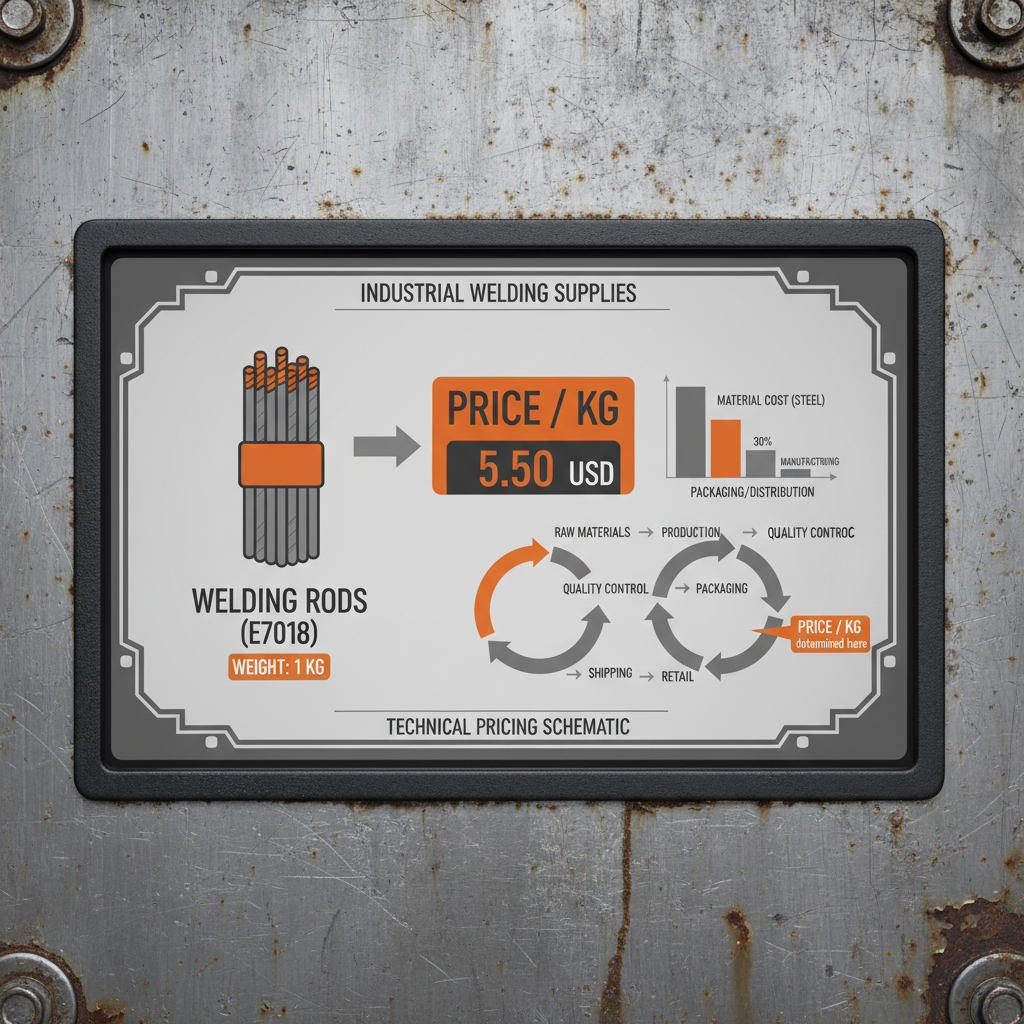
Cost per Kilogram ($) |
| E7018 (SMAW) |
485 |
General purpose, low alloy steel |
2.50 |
| ER70S-6 (GMAW) |
550 |
Carbon steel, high deposition rate |
3.00 |
| EWTh-2 (GTAW) |
620 |
Aluminum, precision welding |
5.00 |
| E71T-1 (FCAW) |
520 |
Heavy plate, outdoor welding |
3.50 |
| ESAB 81Q (SAW) |
690 |
Thick section welds, automated processes |
2.00 |
| ENi-CI (SMAW) |
415 |
Cast iron, joining dissimilar metals |
4.00 |
FAQS
Shielded Metal Arc Welding (SMAW) electrodes are manually fed and utilize a flux coating for shielding, while Gas Metal Arc Welding (GMAW) electrodes are continuously fed from a wire spool and rely on an external shielding gas. SMAW offers versatility in various positions and environments, but GMAW generally provides faster welding speeds and higher deposition rates, making it ideal for production environments. The choice depends on the application’s specific needs and welder skill level.
Welding stainless steel requires specific electrodes to maintain corrosion resistance and prevent sensitization. Electrodes with low carbon content and additions of chromium and nickel are crucial. Common choices include ER308L and ER309L for GMAW and E308L-16 for SMAW. It's vital to match the electrode composition to the base metal's grade to ensure a strong and durable weld that maintains the stainless steel's protective properties.
Porosity, or the presence of gas pockets in the weld, can arise from contaminated base metal, insufficient shielding gas, or moisture in the electrode coating. Selecting low-hydrogen electrodes (like E7018) and properly storing electrodes to prevent moisture absorption can significantly reduce porosity. Additionally, ensuring a clean weld area and using the correct welding parameters are critical for achieving sound, pore-free welds.
The flux coating on SMAW electrodes serves multiple crucial purposes. It provides a shielding gas to protect the weld pool from atmospheric contamination, creates a slag layer to insulate the weld and slow cooling, and adds alloying elements to the weld metal. The flux also stabilizes the arc and influences the welding characteristics, such as penetration and deposition rate. Different flux compositions are designed for specific applications and welding positions.
Yes, the welding industry is increasingly focused on developing environmentally friendly electrode options. These electrodes typically feature low-fume emissions, reduced levels of hazardous substances, and improved energy efficiency. Manufacturers are exploring alternative flux compositions and electrode coatings to minimize environmental impact while maintaining weld quality and performance. Choosing these electrodes supports sustainable welding practices.
The electrode diameter significantly impacts welding parameters and weld characteristics. Smaller diameter electrodes generally provide lower heat input, enabling better control for thin materials and intricate welds. Larger diameter electrodes offer higher deposition rates, making them suitable for thicker materials and faster welding speeds. Selecting the appropriate electrode diameter is crucial for achieving optimal penetration, bead profile, and overall weld quality.
Conclusion
In conclusion, understanding the nuances of kinds of electrode in welding is paramount for success in a vast array of industrial applications. From ensuring structural integrity and improving efficiency to promoting sustainability and worker safety, the careful selection and application of the correct electrode are critical. Mastering this knowledge empowers welders and engineers to deliver high-quality, reliable results that contribute to the advancement of numerous industries globally.
Looking ahead, continued innovation in electrode technology promises to further enhance welding processes. The development of smart electrodes, environmentally friendly formulations, and automated welding solutions will undoubtedly shape the future of the industry. Investing in education, training, and research in this field is essential for ensuring continued progress and maintaining a skilled workforce capable of meeting the evolving demands of the 21st century. Visit our website at www.jinlongweldingelectrode.com to explore our comprehensive range of welding electrodes and solutions.