Welding rods, encompassing all types of welding rods, are fundamental to modern infrastructure and manufacturing. Their significance extends globally, underpinning construction, transportation, energy production, and countless other industries. From towering skyscrapers to intricate pipelines, robust and reliable welding is paramount, and the quality of the welding rod directly impacts the structural integrity and longevity of these projects. The increasing demand for skilled welders and advanced materials highlights the ongoing importance of understanding and optimizing welding processes.
The global welding rods market is a multi-billion dollar industry, driven by continuous infrastructure development, particularly in emerging economies. According to the World Steel Association, global steel demand remains strong, fueling the need for efficient and effective joining technologies. The ISO standards related to welding consumables ensure consistent quality and safety across international borders. However, challenges remain in ensuring accessibility to quality rods in remote locations and addressing environmental concerns associated with certain welding processes.
Understanding all types of welding rods is not merely a technical pursuit but also a critical component of sustainable development. Reliable welding enables the creation of durable infrastructure, reduces material waste, and supports economic growth, ultimately contributing to a higher quality of life for communities worldwide. This understanding is vital for engineers, fabricators, inspectors, and anyone involved in the creation and maintenance of the built environment.
The Core Properties of all types of welding rods
The fundamental properties of all types of welding rods determine their suitability for specific applications. These properties include tensile strength, yield strength, elongation, and impact toughness. Different compositions and manufacturing processes yield rods with varying characteristics, allowing welders to select the optimal rod for the material being joined and the desired weld quality. Understanding these properties is crucial for ensuring the structural integrity of welded structures.
Furthermore, the electrode coating plays a significant role in the welding process. Coatings influence arc stability, slag formation, weld metal composition, and corrosion resistance. Different coatings are designed for specific welding positions, materials, and environmental conditions. Careful consideration of these factors ensures a clean, strong, and durable weld.
The Global Landscape of Welding Rod Production
The production of all types of welding rods is concentrated in several key regions globally. China is currently the world's largest producer, followed by the United States, Japan, and Germany. These countries possess advanced manufacturing capabilities, access to raw materials, and established supply chains. However, emerging economies such as India and Brazil are rapidly increasing their production capacity to meet growing domestic and international demand.
Supply chain dynamics are increasingly complex, influenced by geopolitical factors, raw material costs, and transportation logistics. Global events can significantly impact the availability and price of welding rods, highlighting the importance of diversification and strategic sourcing. Manufacturers are actively exploring new technologies and materials to improve efficiency and reduce reliance on limited resources.
The international trade of welding rods is governed by various regulations and standards, ensuring quality control and safety compliance. Organizations like the American Welding Society (AWS) and the International Organization for Standardization (ISO) play a vital role in setting industry benchmarks and promoting best practices.
Defining all types of welding rods and their Significance
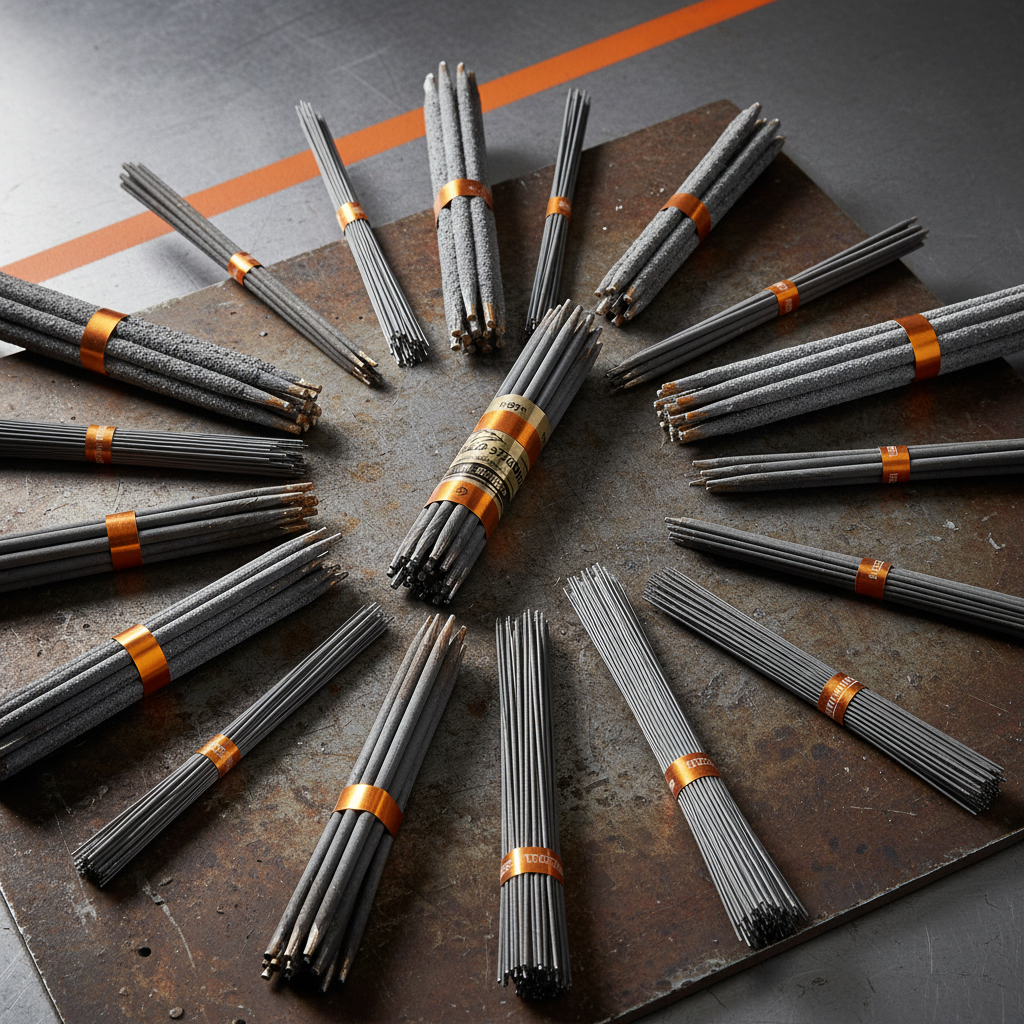
all types of welding rods are consumable metal electrodes used in various welding processes to join metal pieces. They serve as the filler metal, providing the material that melts and fuses the base metals together. These rods come in a wide variety of compositions, sizes, and coatings, each tailored to specific welding applications and materials.
The significance of welding rods extends far beyond simply joining metal parts. They are critical for creating durable and reliable structures in numerous industries, including construction, shipbuilding, automotive, aerospace, and energy. Properly selected and utilized welding rods contribute to the safety, longevity, and performance of essential infrastructure and manufactured goods.
In the context of modern industry and humanitarian needs, all types of welding rods are vital for repairing critical infrastructure, constructing emergency shelters, and providing essential services in disaster-stricken areas. Their portability and versatility make them indispensable tools for rapid response and long-term recovery efforts.
Key Factors Influencing Welding Rod Performance
The performance of all types of welding rods is influenced by several key factors, including the chemical composition of the electrode, the type of coating applied, and the welding process used. The chemical composition determines the weld metal's strength, ductility, and corrosion resistance, while the coating provides arc stability, slag protection, and deoxidizing agents.
Environmental factors also play a significant role. Moisture, contamination, and wind can all affect weld quality. Proper storage and handling of welding rods are essential to maintain their integrity and ensure optimal performance. Understanding these factors allows welders to adapt their techniques and select the appropriate rods for challenging conditions.
Welding Rod Performance Comparison
Applications Across Industries and Regions
all types of welding rods find applications across a diverse range of industries and regions. In the construction sector, they are essential for erecting steel-framed buildings, bridges, and infrastructure projects. The automotive industry relies heavily on welding for assembling vehicle bodies and chassis.
In remote industrial zones, such as oil and gas pipelines or offshore platforms, welding rods are critical for maintaining and repairing vital infrastructure. In post-disaster relief operations, they are used to construct temporary shelters and restore essential services. Different regions prioritize specific types of welding rods based on local material availability, skill levels, and regulatory requirements.
Advantages and Long-Term Value Proposition
The advantages of using high-quality all types of welding rods are numerous. They contribute to increased structural integrity, reduced material waste, improved weld quality, and enhanced corrosion resistance. These benefits translate into lower maintenance costs, extended service life, and enhanced safety for welded structures.
From a long-term perspective, investing in reliable welding rods fosters trust, innovation, and sustainability. Durable infrastructure reduces the need for frequent repairs or replacements, minimizing environmental impact and contributing to economic stability. Properly welded structures enhance public safety and provide a foundation for continued growth and development.
Future Trends and Innovations in Welding Rod Technology
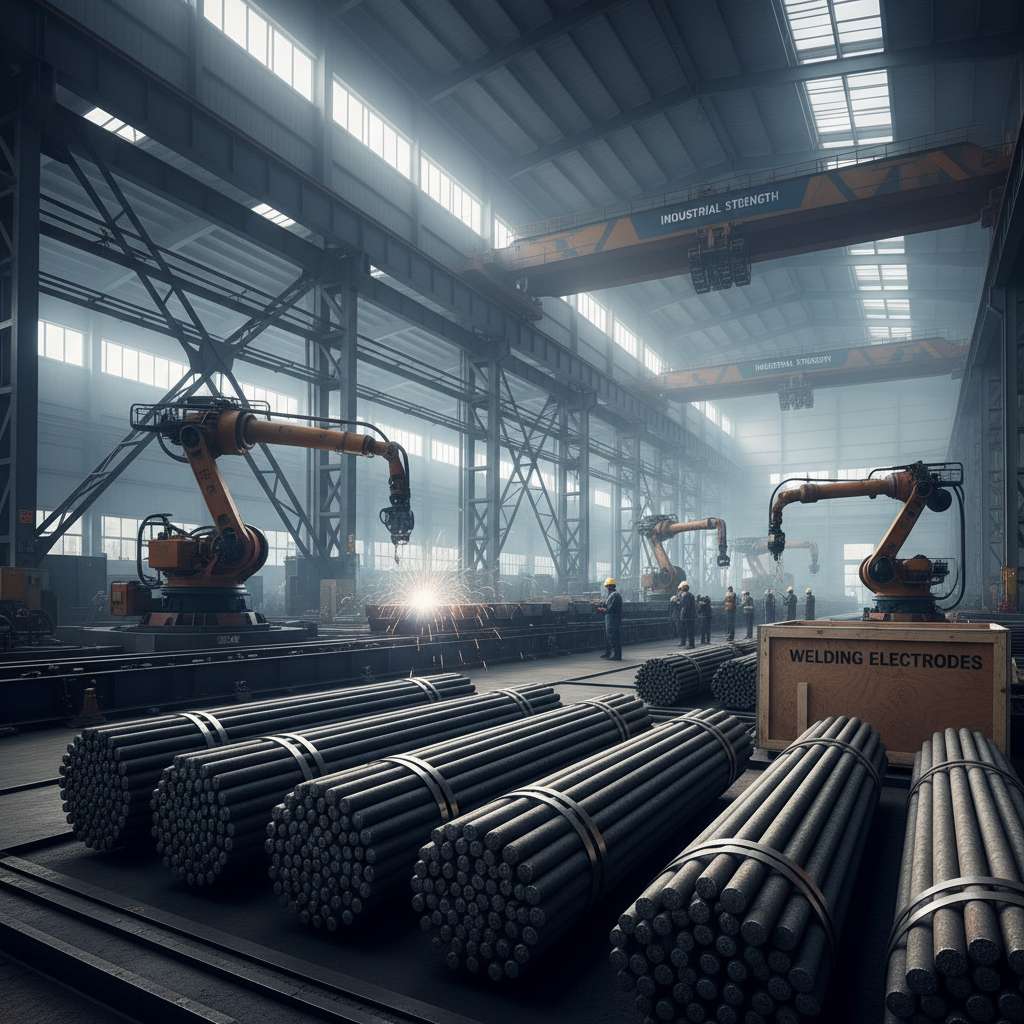
The future of welding rod technology is focused on developing more efficient, sustainable, and automated solutions. Researchers are exploring new materials, such as high-strength low-alloy steels and advanced coatings, to improve weld performance and reduce environmental impact. Automation and robotics are increasingly being integrated into welding processes, enhancing precision and productivity.
Green energy initiatives are driving demand for welding rods that can be used in the construction of wind turbines, solar panels, and other renewable energy infrastructure. Digital transformation is also playing a role, with the development of smart welding rods equipped with sensors and data analytics capabilities to monitor weld quality in real-time.
Furthermore, innovations in flux-cored arc welding (FCAW) and submerged arc welding (SAW) are expanding the range of applications for all types of welding rods, offering increased efficiency and versatility for large-scale projects.
Key Performance Indicators for Welding Rod Selection
| Weld Strength (MPa) |
Ductility (%) |
Corrosion Resistance (Rating 1-5) |
Cost per Kilogram ($) |
| 550 |
22 |
3 |
2.50 |
| 680 |
18 |
4 |
3.20 |
| 480 |
25 |
2 |
2.00 |
| 720 |
15 |
5 |
4.00 |
| 500 |
20 |
3 |
2.30 |
| 650 |
17 |
4 |
3.50 |
FAQS
Low hydrogen welding rods contain minimal moisture and produce less hydrogen gas during welding, leading to stronger, more crack-resistant welds, particularly in high-strength steels. Regular rods may contain more moisture, increasing the risk of hydrogen embrittlement and weld defects. Selecting the appropriate rod depends on the base metal and the required weld properties.
Welding rods should be stored in a dry, cool, and sealed container to prevent moisture absorption. Exposure to humidity can degrade the coating and compromise weld quality. For low hydrogen rods, it's crucial to keep them in a heated holding oven until immediately before use. Proper storage ensures consistent performance and reduces the risk of defects.
The 'E' in welding rod classifications (like E7018) stands for "electrode" and indicates that it's a covered arc welding electrode. The subsequent numbers define the electrode’s tensile strength, welding position, and coating type. Understanding these classifications is essential for selecting the correct rod for a specific application and ensuring optimal weld properties.
While it’s possible to use different types of welding rods on the same material, it’s generally not recommended unless specifically approved by a welding engineer or code. Different rods have varying chemical compositions and properties, which can lead to inconsistent weld quality or even failure. Compatibility should always be verified before mixing rod types.
Arc length significantly impacts weld quality. A short arc length generally results in a narrower, more concentrated weld with higher penetration. A long arc length can lead to a wider, flatter weld with reduced penetration and increased spatter. Maintaining the recommended arc length for the specific rod and welding process is crucial for achieving a strong, sound weld.
Signs of a defective welding rod include cracked or damaged coatings, excessive rust, or moisture absorption. If a rod exhibits any of these characteristics, it should not be used. Additionally, rods that have been improperly stored or exposed to extreme temperatures may also be compromised. Always inspect rods carefully before use.
Conclusion
In conclusion, all types of welding rods are indispensable components of modern industry and infrastructure. Their selection and proper application are critical for ensuring the safety, durability, and reliability of welded structures. Understanding the core properties, global market dynamics, and future trends in welding rod technology is essential for professionals across a wide range of disciplines.
Looking ahead, continued innovation in materials science, automation, and sustainable practices will shape the future of welding rod technology. By embracing these advancements, we can unlock new possibilities for efficient, cost-effective, and environmentally responsible welding solutions, ultimately contributing to a more robust and sustainable built environment. Visit our website at www.jinlongweldingelectrode.com to learn more about our comprehensive range of welding rods.