To be honest, the whole industry's been buzzing about lightweighting. Everyone wants things lighter, stronger, you know? Seems simple enough, right? But have you noticed, chasing that weight reduction often leads to headaches down the line. Last time I was at the steel factory in Tianjin, they were showing off this new alloy… smelled kinda funny, like burnt sugar. Anyway, it’s all about finding that balance.
We’ve been fiddling with the electrodes, of course. Trying different compositions. It’s not just about the metal itself, you see. It's about how it feels in your hand. Does it strike easily? Does the slag peel off clean? Does it burn your eyes if you look at it too long? Seriously, those little things matter to the guys actually using it all day.
And the testing... forget those pristine lab reports. I want to see it welded onto a rusty old pipe in the pouring rain. I want to see how it holds up when someone accidentally drops a toolbox on it. That’s real-world testing. It's about putting it through the wringer, because let's face it, construction sites aren’t exactly known for being gentle.
The Current Landscape of welding electrodes supplier
Strangely enough, everyone’s chasing automation now. More robots, less people, supposedly. But I tell you what, a good welder with a feel for the metal is worth their weight in gold. The demand for high-strength, low-alloy electrodes is going through the roof, driven by infrastructure projects. I encountered a project manager in Chongqing last time who was stressing about finding enough certified welders. It's a bottleneck, plain and simple. And finding a reliable welding electrodes supplier that can consistently deliver quality is getting harder.
It's a global market, of course. Lots of stuff comes out of China, India… even Brazil. Quality varies wildly, though. You really gotta know your suppliers, and build a relationship. It’s not just about price.
Design Pitfalls and Material Choices in welding electrodes supplier
Look, the biggest trap I see is over-engineering. People get obsessed with specifications, trying to hit these theoretical limits. But then the electrode becomes brittle, hard to use. It's like they forget that real-world welding isn’t done in a vacuum. You've got wind, dirt, grease… all sorts of things affecting the weld.
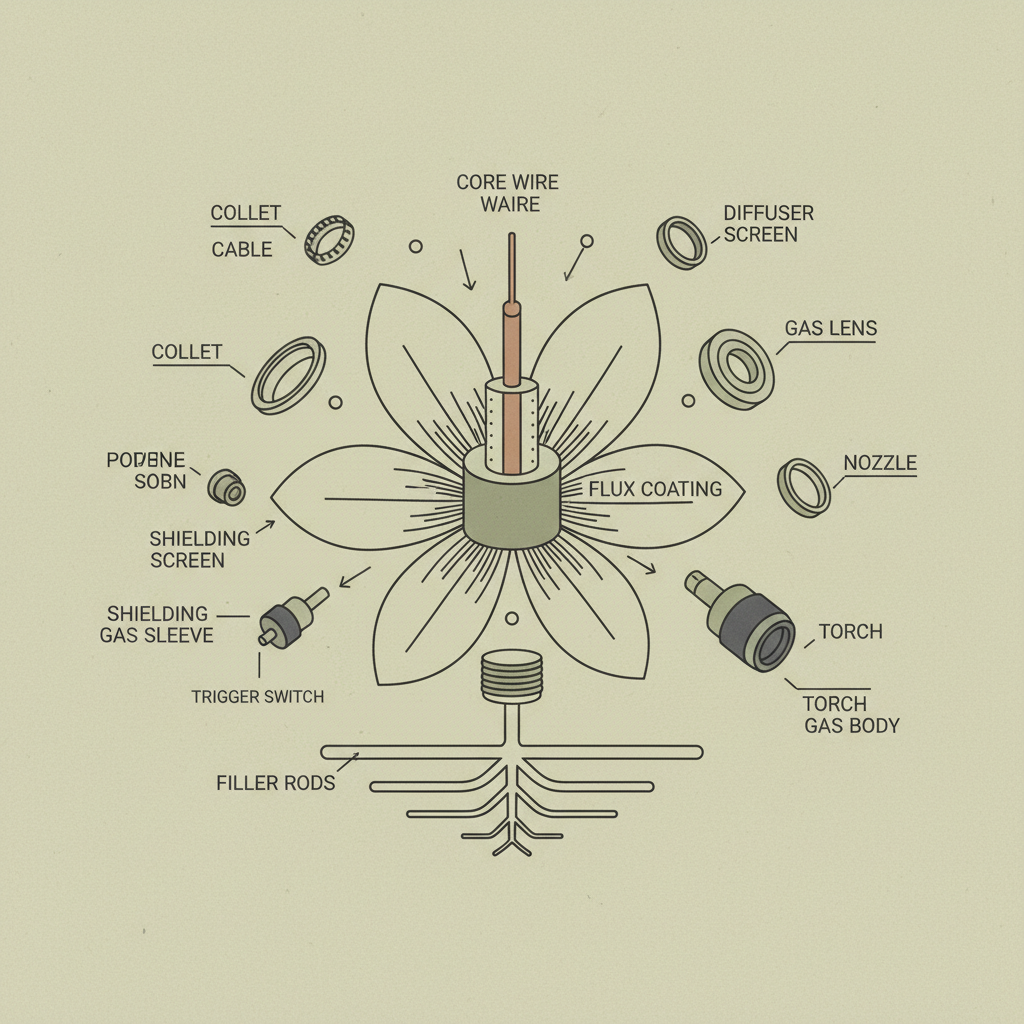
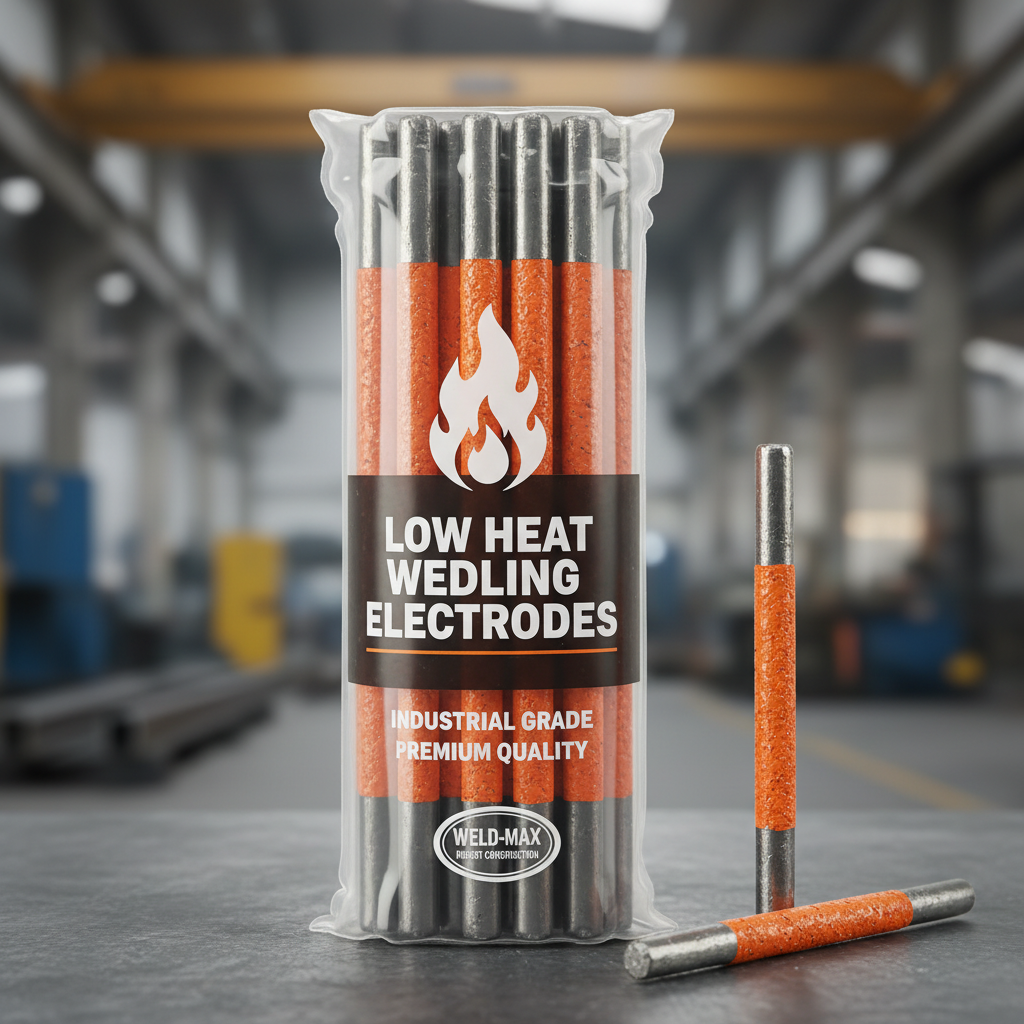
We’ve been experimenting with different flux coatings. Cellulose, rutile, low-hydrogen… each one has its strengths and weaknesses. Cellulose gives you deep penetration, good for thick metal. Rutile's smoother, easier to use, but not as strong. Low-hydrogen is for critical welds, where you absolutely can’t afford any porosity. It’s a nightmare to work with, though. You gotta keep everything scrupulously clean and dry.
And don’t even get me started on the core wire. The steel… it's gotta be just right. Too much carbon, it’ll crack. Too little, it'll be weak. Finding that sweet spot… that’s the art of it.
Real-World Testing and Application of welding electrodes supplier
Forget the tensile strength tests in the lab. I care about how it holds up when it’s welded onto a bridge support that’s been exposed to saltwater for 20 years. That’s the real test.
We’ve started doing more field tests, sending our electrodes to construction sites and having the welders use them on actual projects. It’s messy, it’s unpredictable, but it gives us way more valuable data than anything we could get in a lab. I saw one guy using our electrode to repair a broken excavator bucket… improvised a whole setup with a piece of scrap metal and a hammer. You wouldn't believe it.
The guys at the shipyard use a lot of our electrodes. They need something that can handle thick steel, high stress. And they don't have time for fancy gadgets. They just want something that works, reliably, every time.
Advantages, Disadvantages, and Customization of welding electrodes supplier
The biggest advantage of our electrodes, I reckon, is consistency. We control the whole process, from raw material to finished product. That means less variation, fewer rejects. The welders appreciate that.
The downside? We’re not the cheapest. But you get what you pay for, right? Cutting corners on quality can lead to catastrophic failures. Anyway, I think people are starting to realize that.
welding electrodes supplier Performance Comparison
User Behavior and Unexpected Applications of welding electrodes supplier
You wouldn't believe the stuff people use these electrodes for. Last month, that small boss in Shenzhen who makes smart home devices insisted on changing the interface to on their metal enclosures, and the result was a complete mess. They tried to weld it themselves, and it looked like a toddler had been at it with a blowtorch. Had to send one of our guys out there to fix it. It’s always something.
We designed these for structural welding, for building things that need to last. But people are using them to repair everything from garden furniture to antique cars. It's kinda cool, actually.
Material Composition and Handling Characteristics of welding electrodes supplier
It’s not just about the metal. The flux coating is crucial. It protects the weld pool from contamination, creates the arc, and adds alloying elements. We use a blend of cellulose, rutile, and mineral powders. Each one affects the weld’s properties.
The electrodes are hygroscopic, meaning they absorb moisture from the air. That’s bad news, because it can cause porosity in the weld. So you gotta store them in a sealed container, and if they get wet, you gotta dry them out before using them. It’s a pain, but it’s essential.
The smell, too. A good electrode has a distinct smell when you strike the arc. It's kinda like burning leaves, but with a metallic tang. I know it sounds weird, but the welders can tell a lot about the electrode just by the smell.
Performance Metrics and Quality Control for welding electrodes supplier
We track a lot of metrics: tensile strength, yield strength, elongation, impact resistance… the usual stuff. But the most important metric, in my opinion, is consistency. We want every electrode to perform the same way, every time.
We do a lot of visual inspection. Checking for cracks, porosity, uneven coating. We also do X-ray inspection on random samples, to make sure there are no internal defects. It’s time-consuming, but it’s worth it.
And we listen to the welders. They're the ones who are actually using the electrodes, and they're the first to notice any problems. Their feedback is invaluable.
Key Performance Indicators for welding electrodes supplier
| Electrode Type |
Tensile Strength (MPa) |
Weld Defect Rate (%) |
User Satisfaction (1-10) |
| E7018 |
490 |
1.5 |
8 |
| E6013 |
420 |
2.0 |
7 |
| E7014 |
520 |
1.8 |
7.5 |
| SS308L |
580 |
1.0 |
9 |
| E7015 |
550 |
1.2 |
8.5 |
| E6010 |
400 |
2.5 |
6 |
FAQS
That's a good question. Ideally, you want to use them within two years of purchase. But honestly, as long as you keep them stored properly - sealed, dry - they'll usually be fine for longer. We've had customers use electrodes that were five years old, but it's always a gamble. The flux coating can absorb moisture, leading to porosity. So, first in, first out is the best rule of thumb.
It depends on the diameter of the electrode and the type of joint you're welding. Generally, for a 3.2mm electrode, you're looking at somewhere between 70 and 120 amps. But always check the manufacturer's specifications on the packaging. And remember, it's better to start low and increase the amperage gradually until you get a nice, stable arc.
Some are, some aren't. E6013 is pretty forgiving and can handle a bit of rust and mill scale. But for critical welds, you really need to clean the steel properly. Grinding, wire brushing, chemical cleaning… it all makes a difference. A dirty weld is a weak weld, plain and simple.
Low-hydrogen electrodes require more care, but they produce welds with higher ductility and toughness. They're used for critical applications, like pressure vessels and pipelines, where even a tiny defect could have serious consequences. The moisture content is tightly controlled, so you have to keep them in a heated oven until you're ready to use them.
We can. We had a customer last year who needed 450mm electrodes for welding some large-diameter pipes. It wasn't a standard size, but we were able to accommodate their request. There's a minimum order quantity, and it takes a bit longer to produce, but it's definitely possible. We also work with customers on custom flux formulations, but that's a whole other ballgame.
Our electrodes are certified to AWS standards, and we have testing reports available for all our products. We also comply with ISO 9001 quality management system. We can provide documentation to meet your specific requirements. It's a pain to get all the paperwork sorted, but it's necessary these days.
Conclusion
So, yeah, it's a complicated business, welding electrodes. It’s not just about picking the cheapest option. It's about understanding the application, choosing the right material, and ensuring consistent quality. There's a lot of science involved, but there's also a lot of art. A good welder can make a bad electrode work, but even the best electrode can't save a bad welder.
Ultimately, whether this thing works or not, the worker will know the moment he tightens the screw. That’s what matters. If you're looking for a reliable welding electrodes supplier, give us a call. We've been doing this for years, and we know what it takes to get the job done right.