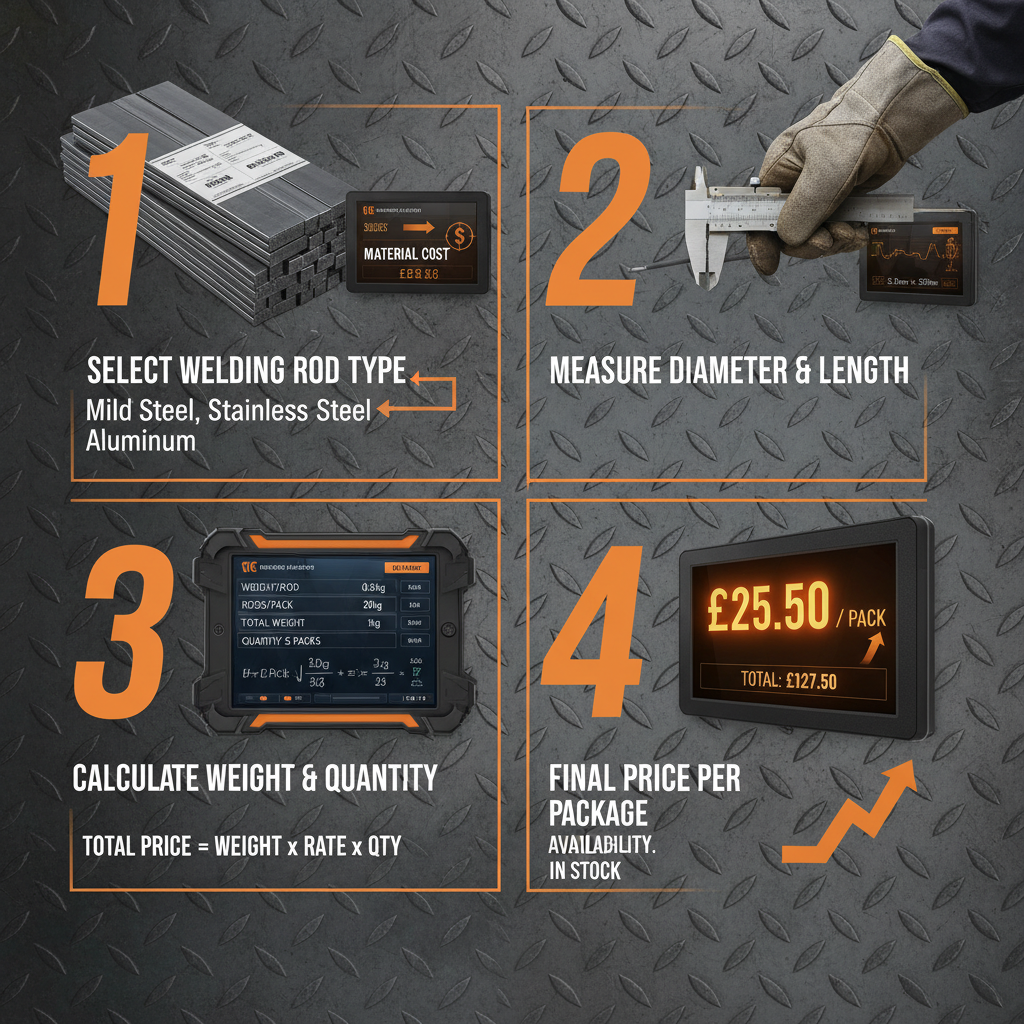
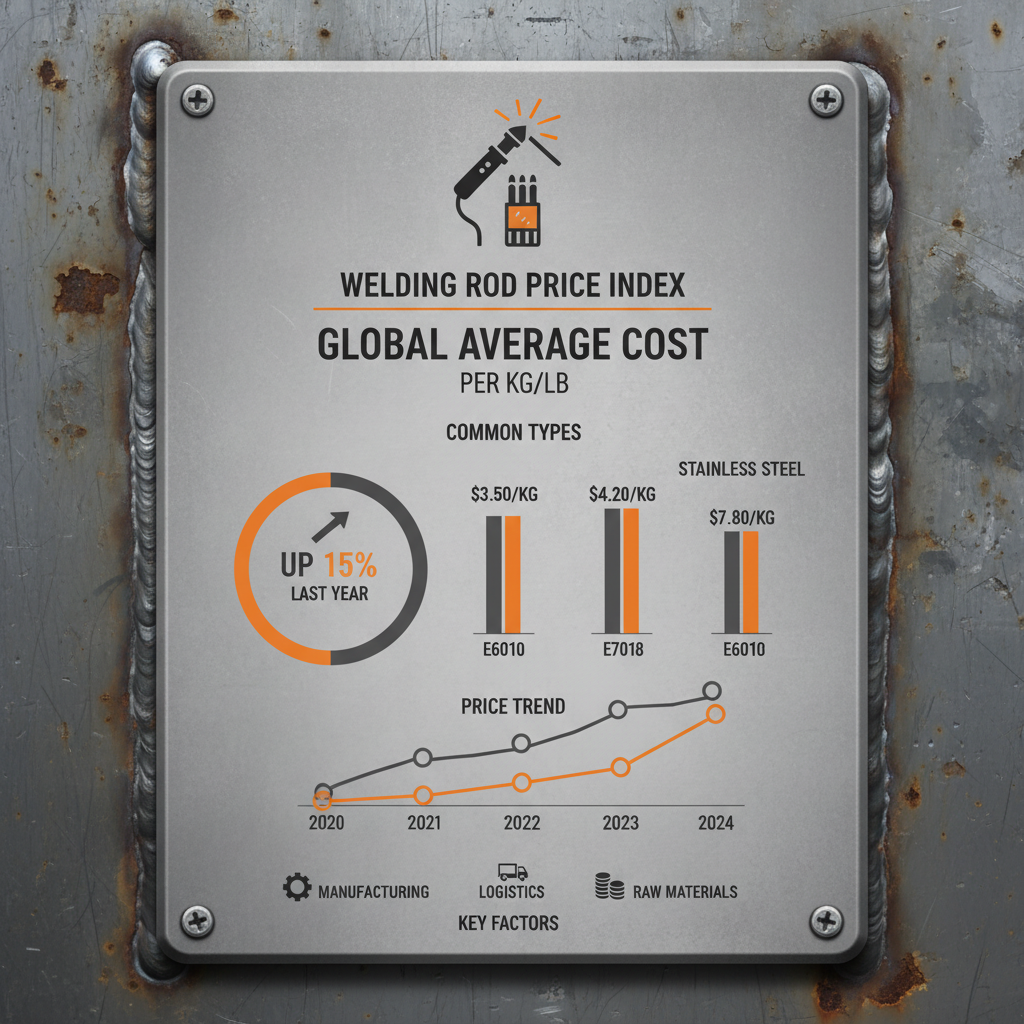
Navigating the complexities of industrial procurement often begins with a simple yet critical question: what is the current price for welding rods? In the global metal fabrication market, the cost of consumables like E6013 or E7018 electrodes is not just a line item in a budget; it is a reflection of raw material volatility, manufacturing precision, and logistical efficiency. Understanding these pricing dynamics allows project managers and engineers to optimize their operational costs without compromising the structural integrity of their welds.
Globally, the demand for high-quality welding materials continues to rise, driven by infrastructure expansion in emerging economies and the stringent safety requirements of the aerospace and automotive sectors. When evaluating the price for welding rods, stakeholders must consider the trade-off between initial expenditure and long-term performance. A cheaper rod that leads to higher slag inclusion or porosity can exponentially increase the overall project cost through expensive rework and failed inspections.
By analyzing the factors that influence the market rate—from the cost of nickel and chromium to the energy intensity of flux coating—businesses can make informed purchasing decisions. This guide provides a comprehensive deep dive into the pricing structures of various electrode types, including carbon steel, stainless steel, and specialized cast iron rods, ensuring you achieve the best balance of cost-efficiency and metallurgical excellence.
Global Market Dynamics of Welding Rod Pricing
The global economy exerts a profound influence on the price for welding rods, with fluctuations in the commodities market acting as the primary driver. For instance, the cost of carbon steel electrodes is tightly coupled with the price of iron ore and coking coal. According to industry benchmarks and ISO standards, supply chain disruptions in key exporting regions can lead to rapid price volatility, forcing manufacturers to implement dynamic pricing models to maintain viability.
Furthermore, geopolitical shifts and trade tariffs significantly impact the landed cost of imported welding materials. In regions where infrastructure development is accelerating, such as Southeast Asia and Africa, the demand for AWS E6013 and E7018 rods often spikes, creating a seller's market that pushes the average price for welding rods upward. Companies that leverage long-term procurement contracts typically mitigate these risks more effectively than those relying on spot-market purchases.
Defining the Components of Consumable Costs
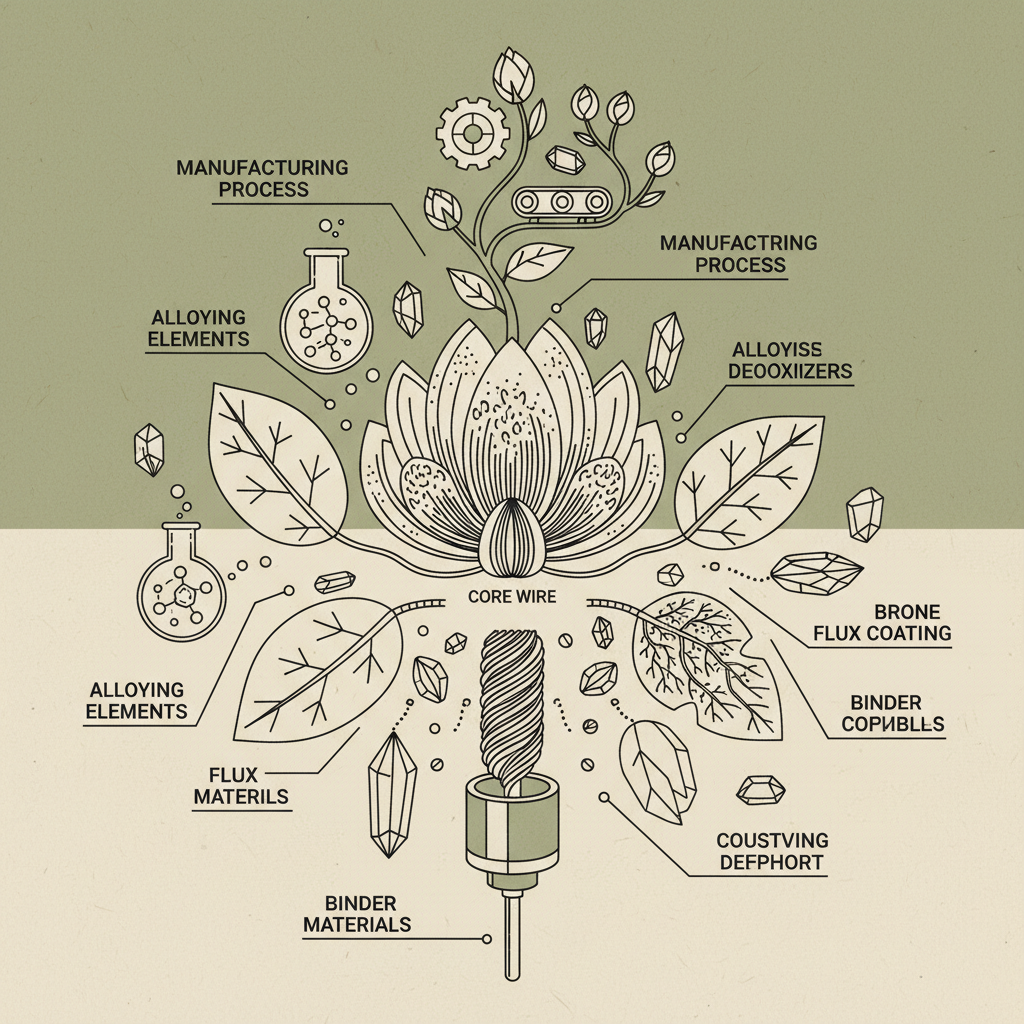
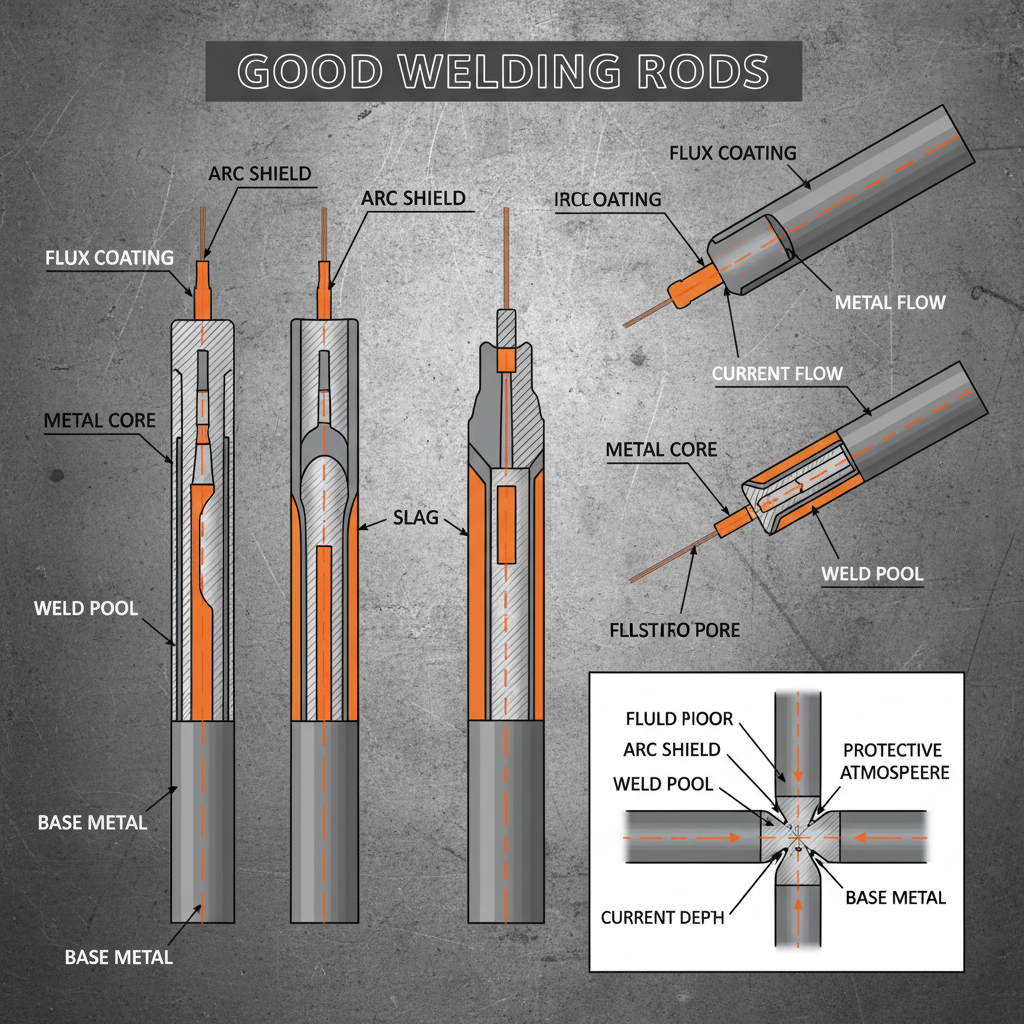
When we discuss the price for welding rods, we are essentially talking about the sum of metallurgical input, chemical coating processes, and manufacturing overhead. A welding electrode is not merely a piece of wire; it is a sophisticated composite. The core wire provides the filler metal, while the flux coating manages the arc stability, protects the weld pool from atmospheric contamination, and controls the cooling rate of the bead.
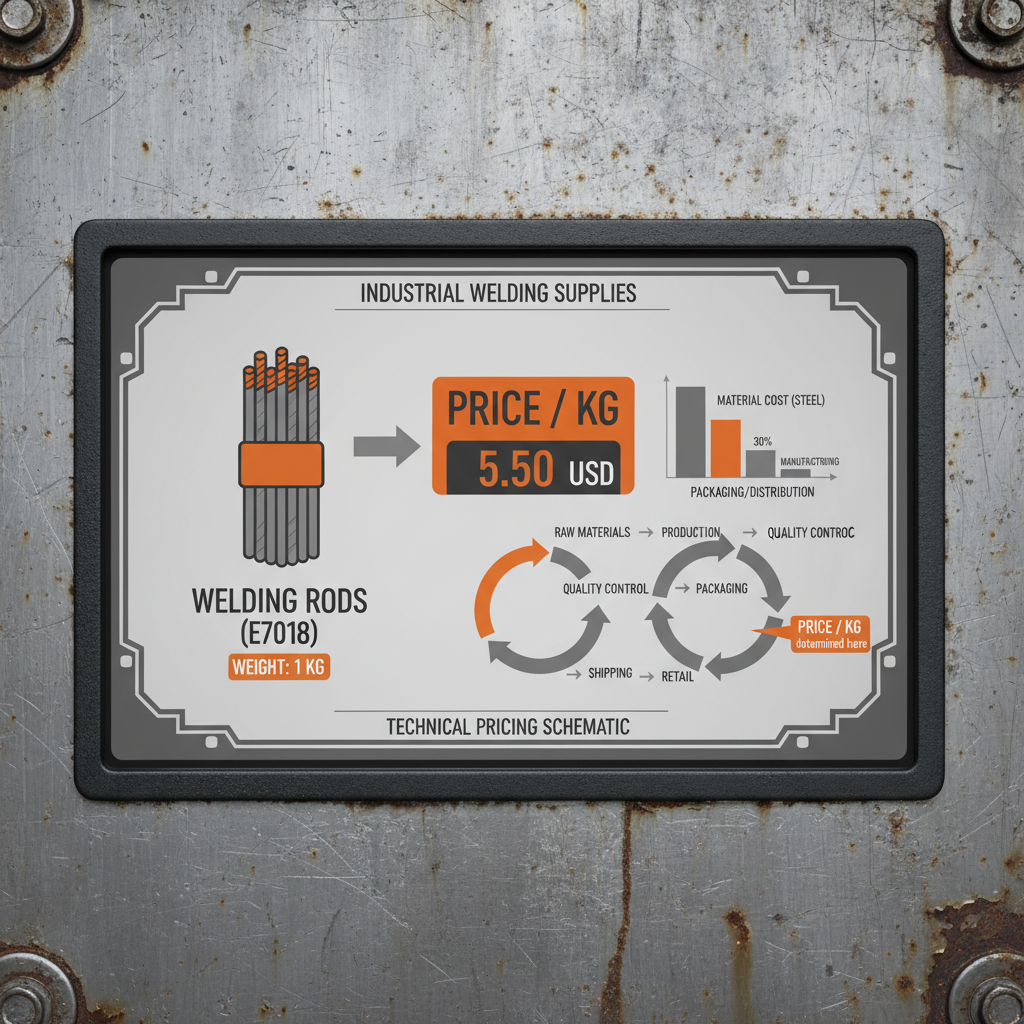
The distinction between a "universal" rod and a specialized alloy rod is where the pricing diverges most sharply. For example, the price for welding rods like AWS E6011 (high cellulose) differs from E7018 (low hydrogen) because the latter requires a much more rigorous drying and packaging process to prevent moisture absorption. This added quality control adds a premium to the final cost.
Ultimately, the "price" is a metric of value. In the context of modern industrial needs, the cost of a rod is measured against its deposition rate and the amount of waste (stub loss). A rod that is 10% more expensive but offers a 20% higher deposition rate actually reduces the total cost per kilogram of welded joint, illustrating why a simple price comparison can be misleading.
Core Factors Influencing Material Expenses
One of the most significant drivers of the price for welding rods is the chemical composition of the alloy. Stainless steel electrodes, such as E308L or E316L, contain high percentages of chromium and nickel, which are significantly more expensive than the iron used in carbon steel rods. These elements are essential for corrosion resistance, and their market price directly dictates the electrode's retail cost.
Manufacturing scalability and quality certification also play a role. Electrodes that meet AWS (American Welding Society) or DIN standards require stringent testing and consistent raw material sourcing. The price for welding rods that carry these certifications reflects the cost of laboratory verification and the adherence to precise chemical tolerances, ensuring that the weld meets safety codes for pressure vessels or structural bridges.
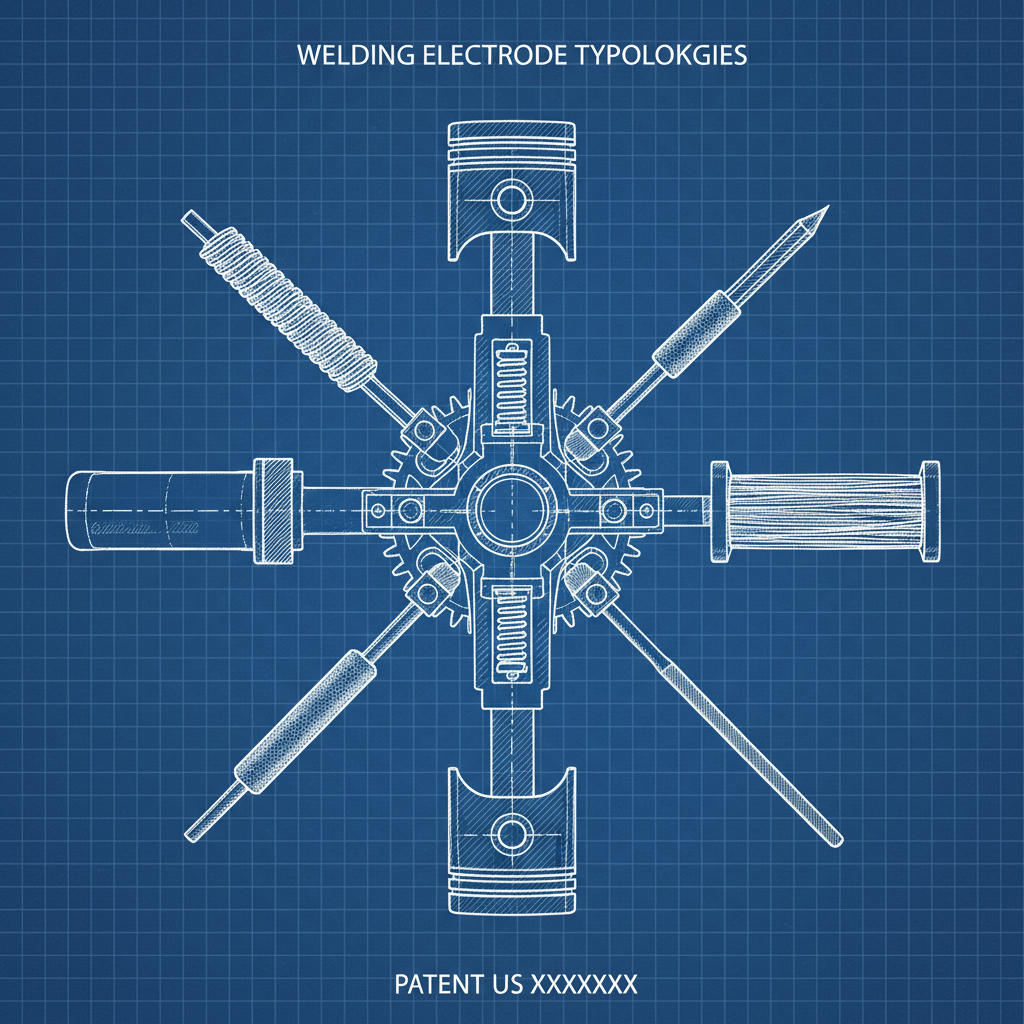
Lastly, the coating technology impacts the final cost. Rutile coatings (as seen in E6013) are generally more cost-effective to produce, leading to a lower price for welding rods in this category. In contrast, basic coatings used in low-hydrogen rods require specialized raw materials and energy-intensive baking processes, which elevates the price point but provides superior mechanical properties.
Comparative Analysis of Electrode Value
To truly understand the price for welding rods, one must look beyond the per-kilogram cost and evaluate the "cost-in-use." This involves calculating the efficiency of the electrode in terms of slag removal time, arc stability, and the frequency of defects. For example, a low-cost generic rod may cause more spatter, increasing the labor cost spent on grinding and cleaning the weld.
When comparing various grades, such as the difference between a standard carbon steel electrode and a specialized NiFe-1 cast iron alloy, the price gap is substantial. However, the NiFe-1 rod prevents cracking in high-carbon cast iron, a failure that would be catastrophically expensive to repair. Thus, the investment in a higher-priced rod is an insurance policy against structural failure.
Efficiency Rating vs. Price for Welding Rods
Industrial Applications and Budgeting Use Cases
In real-world applications, the price for welding rods is managed differently depending on the project scale. For small-scale repair shops, the focus is often on versatility and low initial cost, leading them toward AWS E6013 universal rods. These are ideal for general fabrication where the stress loads are moderate and the aesthetic finish is prioritized over extreme tensile strength.
Conversely, in heavy industrial zones—such as shipbuilding or oil rig construction—budgeting revolves around reliability and certification. In these environments, the price for welding rods like E7018 is a secondary concern compared to the cost of a weld failure. Project managers here often buy in bulk to hedge against price spikes, ensuring a steady supply of certified consumables to meet strict maritime or petroleum safety standards.
Long-Term Economic Advantages of Premium Rods
Investing in premium welding materials offers a tangible return on investment (ROI) through the reduction of operational downtime. While the upfront price for welding rods might be higher for top-tier brands, the decrease in weld defects and the ease of slag removal significantly lower the total man-hours required per project. This efficiency is critical in high-pressure environments where every hour of downtime equates to thousands of dollars in lost revenue.
From a sustainability perspective, premium rods often exhibit better arc stability and less spatter, which means less material waste and lower energy consumption. By reducing the amount of scrap metal and the need for repeated grinding, companies can lower their carbon footprint, aligning their procurement strategy with modern ESG (Environmental, Social, and Governance) goals.
Furthermore, there is an emotional component to quality: trust. Welders prefer tools that work consistently. When a company provides high-quality electrodes, it boosts welder confidence and morale, leading to higher precision and a stronger culture of safety and excellence within the workshop.
Future Trends in Welding Material Procurement
The landscape of the price for welding rods is being reshaped by digital transformation and automation. The rise of robotic welding has shifted demand toward high-efficiency wires and specialized flux-cored electrodes. These materials are engineered for high deposition rates and minimal spatter, and while they carry a higher unit price, they drastically reduce the cost per linear meter of weld through extreme speed.
Green energy transitions are also influencing material science. We are seeing an increase in demand for corrosion-resistant alloys used in hydrogen storage tanks and wind turbine foundations. This specialization is creating a tiered pricing structure where "commodity" rods remain stable, but "technology-driven" rods see price premiums based on their unique metallurgical properties.
As supply chains become more transparent through blockchain and AI-driven forecasting, buyers will be able to predict price fluctuations with greater accuracy. This will allow for "just-in-time" procurement, reducing warehousing costs and optimizing the financial impact of the price for welding rods on the overall balance sheet.
Comparison of Welding Rod Categories and Cost Drivers
| Electrode Category |
Primary Cost Driver |
Price Volatility |
Value Proposition |
| Carbon Steel (E6013) |
Iron Ore / Energy |
Low to Medium |
Versatility & Low Entry Cost |
| Low-Hydrogen (E7018) |
Drying & Packaging |
Medium |
High Structural Integrity |
| Stainless Steel (E316L) |
Nickel / Chromium |
High |
Extreme Corrosion Resistance |
| Cast Iron (NiFe-1) |
Nickel Content |
High |
Prevention of Cold Cracking |
| Flux-Cored Wire |
Composite Chemistry |
Medium |
High Deposition Speed |
| Aluminum Alloy |
Aluminum Market |
Medium to High |
Lightweight Strength |
FAQS
Price variations are primarily due to raw material purity, the quality of the flux coating, and the rigor of quality control. Premium brands invest more in ensuring that every batch meets AWS specifications, reducing the risk of weld defects. Additionally, brand overhead and specialized packaging (like vacuum sealing for low-hydrogen rods) contribute to a higher price point compared to generic alternatives.
Yes, bulk purchasing typically reduces the price per kilogram through economies of scale and lower shipping costs per unit. However, for materials like E7018, bulk storage requires specialized ovens to prevent moisture absorption. If you lack the infrastructure to store them correctly, the "savings" from bulk buying can be lost to material degradation and subsequent weld failures.
The price of iron, nickel, chromium, and manganese directly correlates with the cost of the electrode core. For instance, a spike in global nickel prices will immediately drive up the cost of stainless steel and cast iron electrodes. Because these are global commodities, manufacturers often adjust their pricing quarterly to reflect these market shifts.
Not necessarily. The "best" rod is the one that matches the base metal and the mechanical requirements of the joint. Using an expensive NiFe-1 rod on mild steel is a waste of money. However, using a cheap E6013 on a high-pressure steam pipe is a safety hazard. The goal is to match the electrode's properties to the application's needs for optimal cost-efficiency.
Certification ensures that the rod performs consistently across different environments. The cost of maintaining these certifications—including periodic auditing, chemical analysis, and mechanical testing—is built into the price for welding rods. While non-certified rods are cheaper, they lack the guaranteed performance required for legal and safety compliance in industrial construction.
Monitoring the LME (London Metal Exchange) for base metal trends and keeping an eye on energy costs in manufacturing hubs (like China) provides strong indicators. Additionally, tracking shipping indices can help you anticipate logistical surcharges. Establishing a relationship with a transparent supplier who shares market insights is the most effective way to manage procurement budgets.
Conclusion
Understanding the price for welding rods requires a holistic view that integrates metallurgical science, global economics, and operational efficiency. From the basic utility of carbon steel electrodes to the high-performance requirements of stainless and cast iron alloys, the cost of a consumable is always tied to the value it provides in terms of strength, durability, and safety. By shifting the focus from "lowest price" to "lowest total cost of ownership," businesses can optimize their production cycles and ensure the longevity of their structures.
Looking forward, the integration of sustainable materials and automated procurement will further refine how we perceive the cost of welding consumables. We recommend that procurement officers prioritize suppliers who offer both technical certification and price transparency. For those seeking the ideal balance of industrial quality and competitive pricing, we invite you to explore our professional range of welding solutions. Visit our website: www.jinlongweldingelectrode.com