To be honest, the welding electrode game has been… hectic. Everyone's chasing higher strength, lower fumes, you name it. Seems like every other week there’s a new alloy popping up. But honestly, a lot of it’s just marketing fluff. What really matters is consistency. I’ve seen too many supposedly “advanced” electrodes fail on a cold, rainy jobsite.
You know what gets me? People overcomplicating the design. They want to add all these fancy coatings, make it look all high-tech, but forget the basics. Like, if the slag is too hard to remove, it doesn't matter how strong the weld is, the worker's going to hate it. I encountered this at a factory in Jiangsu last time, beautiful facility, everything automated… but the slag removal was a nightmare.
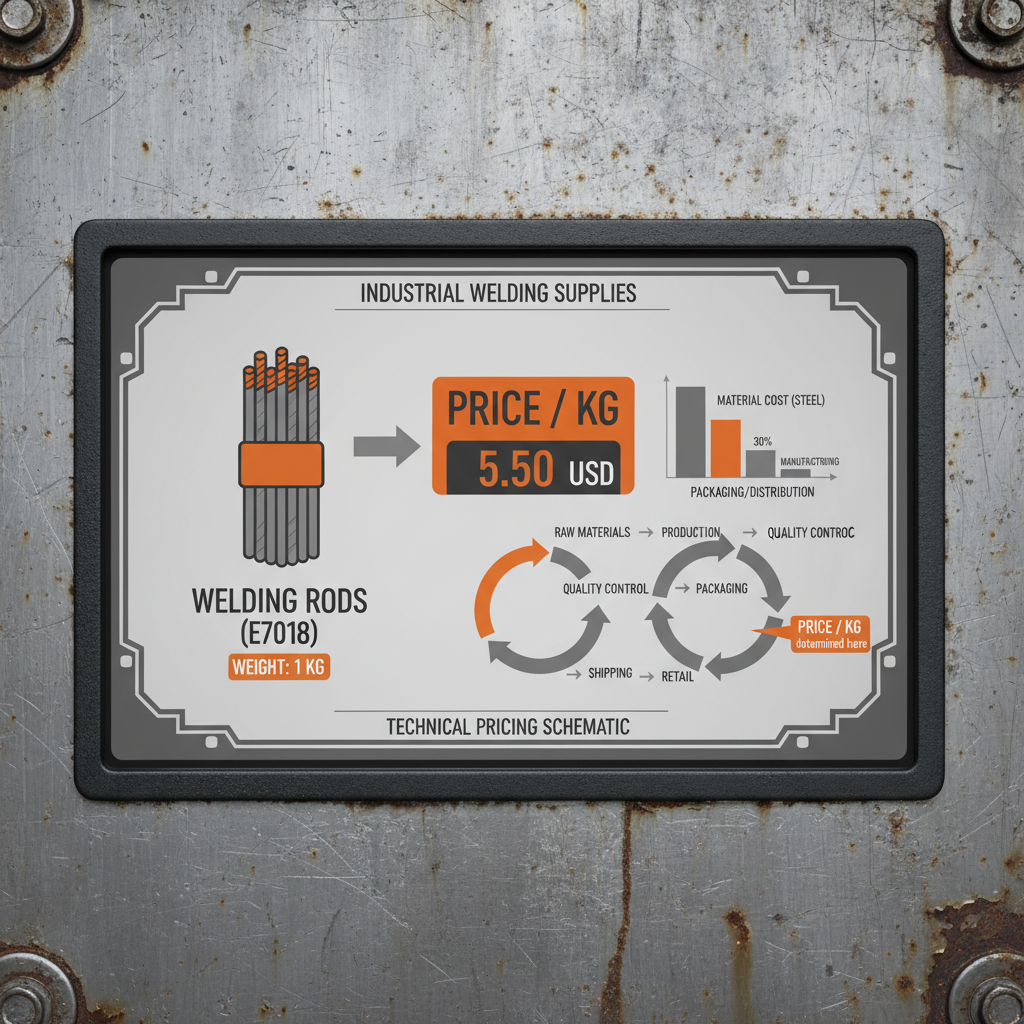
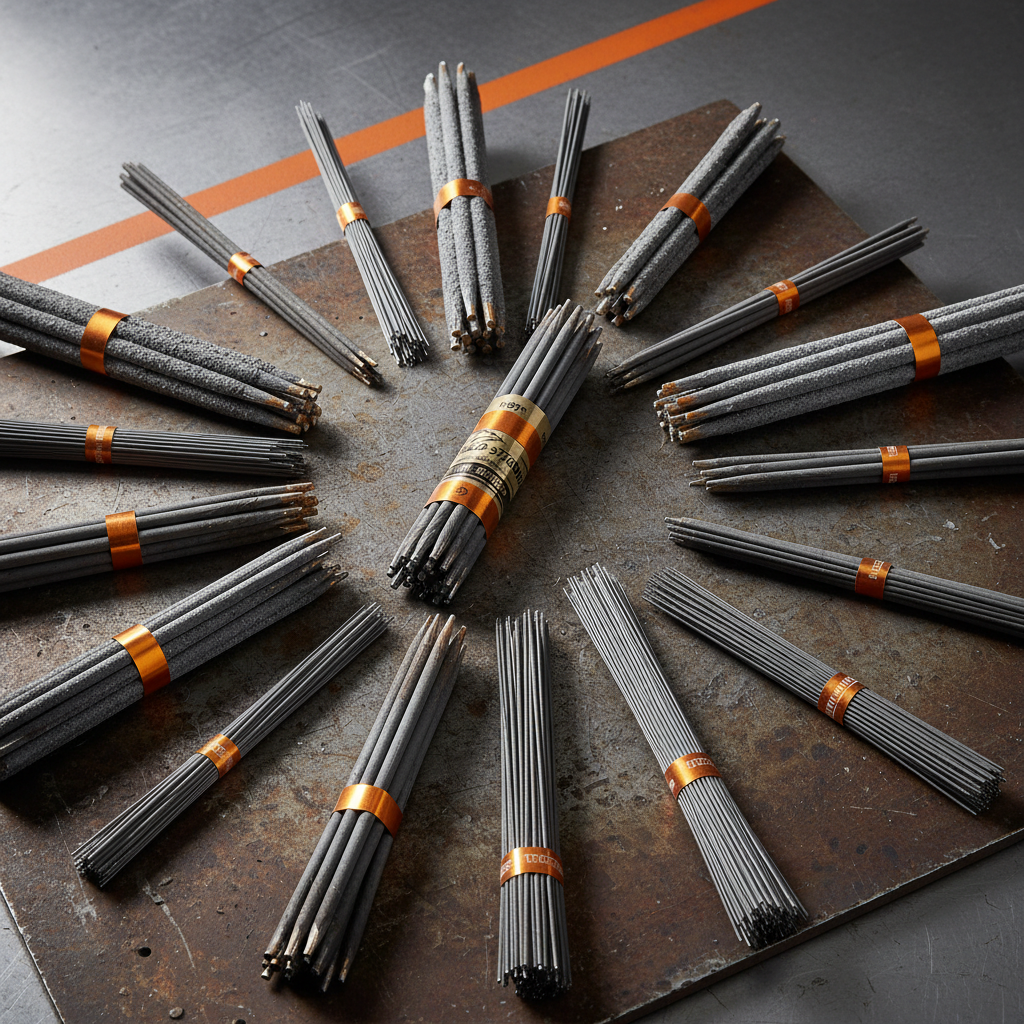
We primarily work with low-hydrogen electrodes – E7018, mostly. Feels… substantial, you know? Not flimsy like some of the cheaper ones. They smell kind of metallic when you strike an arc, that’s a good sign, means they’re properly fluxed. And the packaging is key, gotta keep them dry! Moisture’s the enemy. We also use a fair bit of E6010 for root passes – gives a deep penetration. It's a bit more finicky to use, but it's worth it when you need a solid foundation.
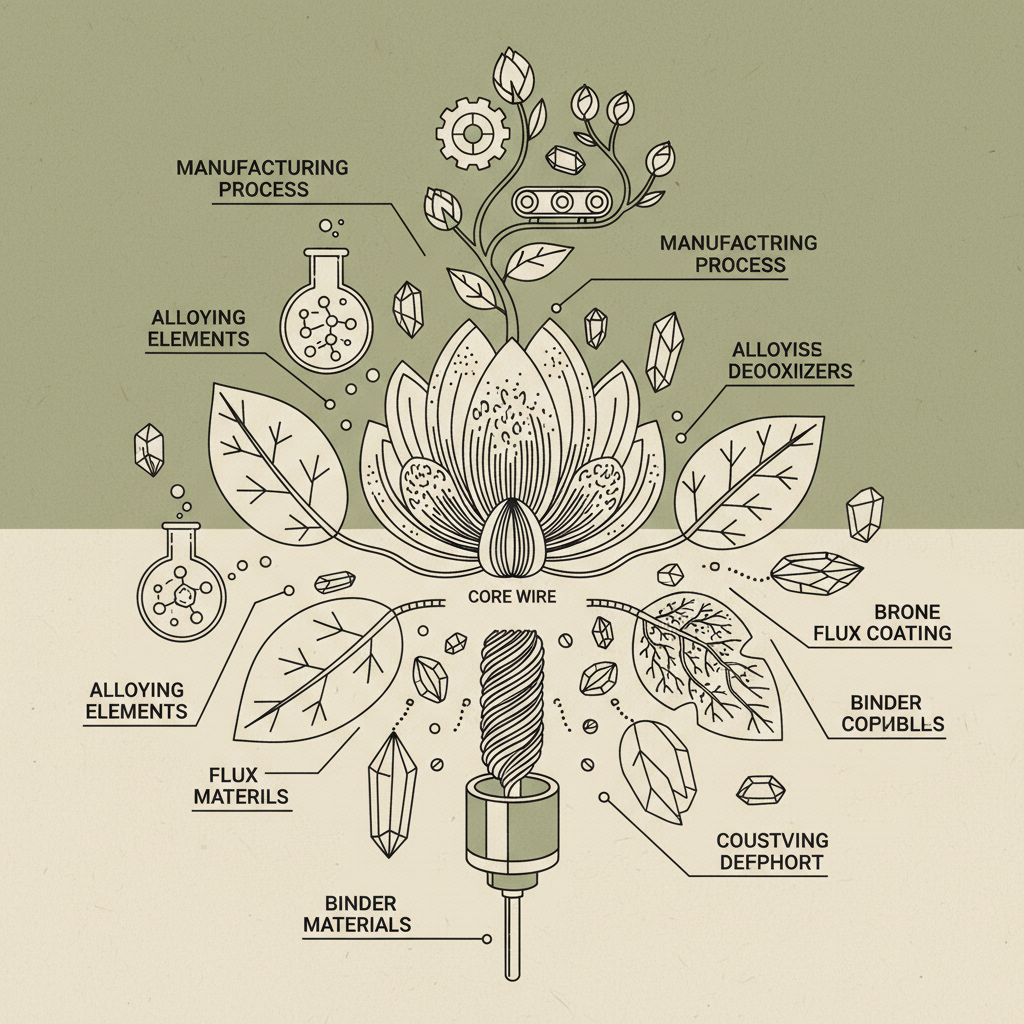
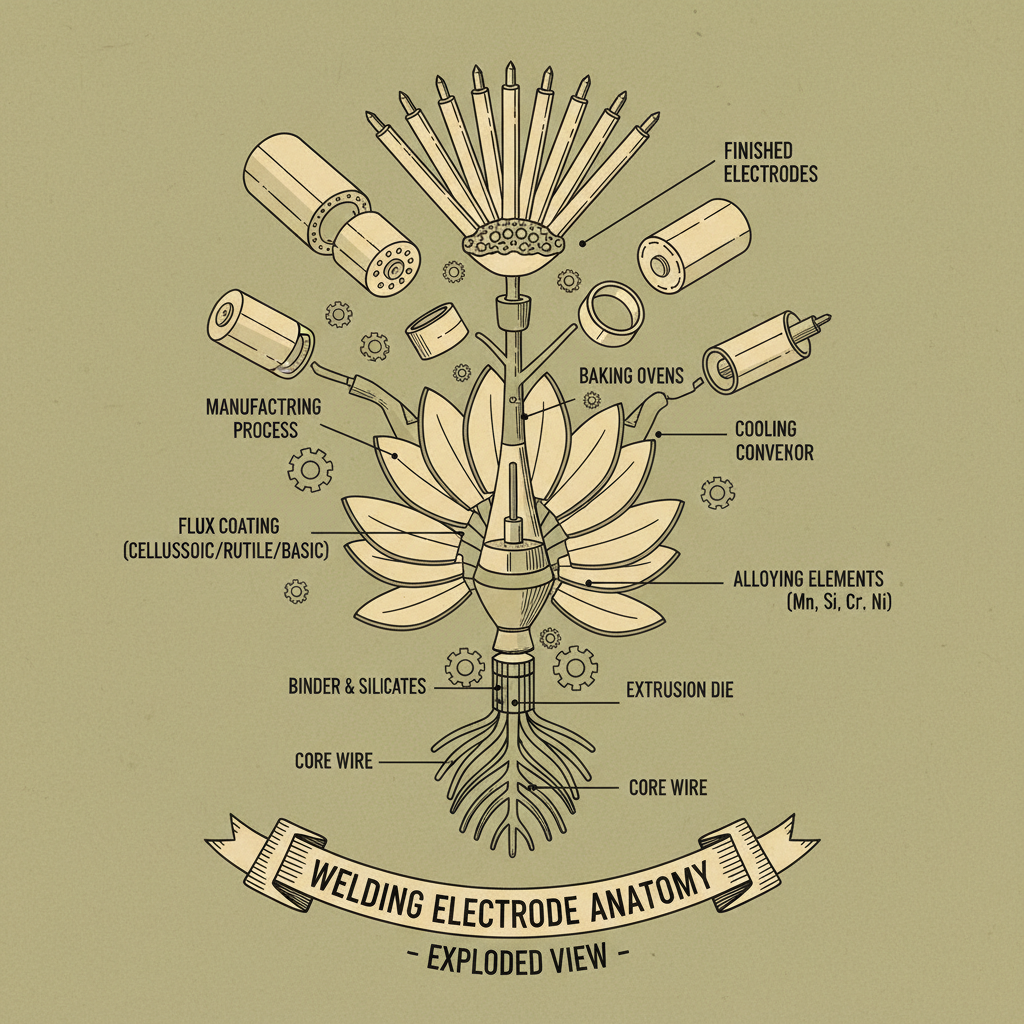
Have you noticed how many small manufacturers are popping up in Southeast Asia? It's a race to the bottom sometimes, honestly. They churn out a lot of product, but quality control is... questionable. The established welding electrodes manufacturers, like the ones in Japan and Germany, they're still setting the standard. They’re expensive, sure, but you're paying for reliability. It’s not just about the metal itself, it’s the consistency of the flux, the coating, the whole package.
The demand’s definitely up, driven by infrastructure projects globally. China, India, Africa… everyone's building. And with that comes a need for robust, dependable electrodes. It’s a good time to be in the business, but you gotta stay on top of things.
That's a good question. Technically, they don't "expire" in the traditional sense, but the flux can absorb moisture from the air, which degrades performance. If they've been stored properly – in a sealed container, in a dry place – they can last for years. But if they've been exposed to humidity, it's best to rebake them to drive out the moisture. Follow the manufacturer’s instructions for rebaking temperature and time. Generally, it’s around 200-300°F for an hour or two.
You can usually tell by the color. If they’re rusty or discolored, they’ve absorbed moisture. Also, if they’re difficult to strike an arc with, or if the weld is porous or contains a lot of spatter, that’s a sign they’re wet. A simple test is to strike an arc and observe the arc characteristics. A stable, smooth arc indicates dry electrodes. A sputtering, unstable arc suggests moisture contamination. Don’t risk a bad weld, rebake them!
Big difference! E6010 is a fast-freezing electrode, great for root passes and out-of-position welding. It requires a DC+ polarity and a short arc length. E7018 is a low-hydrogen electrode, designed for high-strength, ductile welds. It’s typically used for multi-pass welds and requires a DCEN polarity and a longer arc length. The 7018 is more forgiving, but the 6010 gives you deeper penetration.
That depends on the joint configuration and material thickness, but generally, you're looking at somewhere between 60-90 amps. It's always best to consult the manufacturer’s recommendations on the electrode packaging. Start low and increase the amperage until you get a stable arc and good weld penetration. Too low, and you'll get lack of fusion. Too high, and you’ll burn through the metal.
Porosity is a common problem. Make sure your metal is clean – free of rust, oil, and paint. Use dry electrodes, as we discussed. Maintain a proper arc length. And ensure adequate shielding gas coverage. Sometimes, porosity is caused by contamination in the base metal, so proper preparation is key. Also, preheating can help reduce porosity in thicker materials.
There's no hard and fast rule, but it’s generally not recommended. The flux coating degrades over time, even with proper storage. While they might still weld, the weld quality and mechanical properties might be compromised. It’s better to be safe than sorry. If you absolutely have to use them, rebake them thoroughly and do a test weld to verify performance. But honestly, just buy new ones.
So, at the end of the day, it all boils down to consistency and proper technique. There’s a lot of fancy technology out there, but a skilled welder with a good electrode will always produce a better weld than a novice with the latest and greatest equipment. It’s about understanding the materials, knowing your machine, and paying attention to detail.
Ultimately, whether this thing works or not, the worker will know the moment he tightens the screw. Don’t underestimate the importance of real-world experience and feedback from the guys on the ground. They're the ones who are actually putting these welds to the test. And if you’re serious about welding, get your hands dirty, spend time on a jobsite, and learn from the best. Check out welding electrodes manufacturers for more info.