Look, been running around construction sites all year, sniffing concrete dust and arguing with engineers. Honestly, the biggest thing I’m seeing now is everyone chasing “smart” and “modular”. Everything’s gotta be connected, gotta be pre-fabbed. It's good, I guess. Makes things faster, supposedly. But have you noticed, sometimes ‘faster’ just means more problems down the line?
I remember being at that factory in Shanghai last year, watching them try to automate welding on these big steel beams… total disaster. Robots kept glitching, weld quality was all over the place. Turned out, the steel they were using had slightly different alloy composition than what the robots were programmed for. Little things, you know? That’s what gets you.
Anyway, we’re talking about welding electrodes, right? The heart of the whole operation. Forget the fancy robots, if your electrodes are garbage, you're sunk.
The Current Landscape of welding electrodes suppliers
These days, finding reliable welding electrodes suppliers isn’t just about price. It’s about consistency. I’ve seen too many projects delayed because a supplier sent a batch of electrodes with slightly different flux composition. A tiny difference, but enough to cause porosity in the weld. The market is flooded with options, from the big names to smaller, regional suppliers. You gotta dig deep, check certifications, and frankly, build a relationship with someone you trust. A lot of these suppliers are starting to offer more specialized electrodes too, for things like stainless steel and aluminum. It’s a good thing, but it adds another layer of complexity.
Strangely, a lot of these smaller suppliers have surprisingly good quality control. They’re nimble, they can respond quickly to issues, and they often have engineers who actually understand welding.
Common Pitfalls in Electrode Design
One thing I’ve noticed – and this is a big one – is a tendency to over-engineer the flux coating. People think more is better, but it's not true. Too much flux can cause excessive spatter and make it harder to control the arc. Another common mistake is using the wrong type of electrode for the material you’re welding. Seems obvious, but you'd be surprised. I encountered this at a shipbuilding yard last time. They were using an electrode designed for mild steel on a high-strength alloy... needless to say, it didn’t end well.
Another sneaky issue is electrode diameter. A slightly off diameter can throw off your amperage settings and lead to weak welds. It’s a detail, but those details add up.
And don’t even get me started on storage. If you don't keep electrodes dry, you’re asking for trouble. Moisture absorbed into the flux can cause hydrogen embrittlement, making the weld brittle and prone to cracking. I’ve seen entire projects halted because of that.
Material Matters: A Hands-On Look
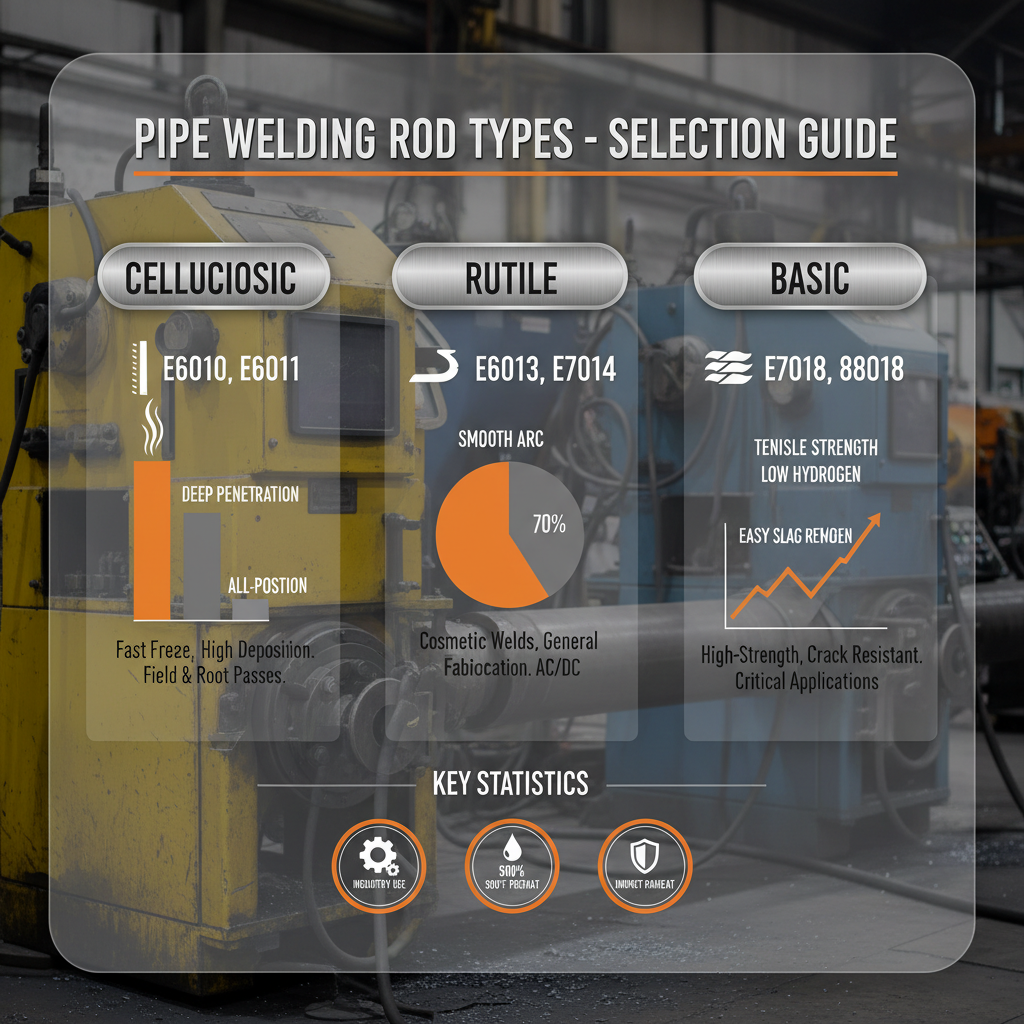
Now, let’s talk about the materials. E7018 electrodes, the workhorse of the industry. You can smell the potassium in the flux when you break one open – that’s a good sign. It means it’ll provide good arc stability and penetration. But they’re sensitive to moisture. Then you’ve got your E6010s, great for dirty or rusty steel. They cut right through the grime, but they’re a bit more difficult to control. You need a skilled welder for those.
The core wire is crucial too. Low-hydrogen electrodes use a special wire drawing process to minimize inclusions. You can feel the difference – it’s smoother, more consistent. I’ve seen some cheap electrodes where the wire is rough and pitted. Just… avoid those. You’re asking for trouble.
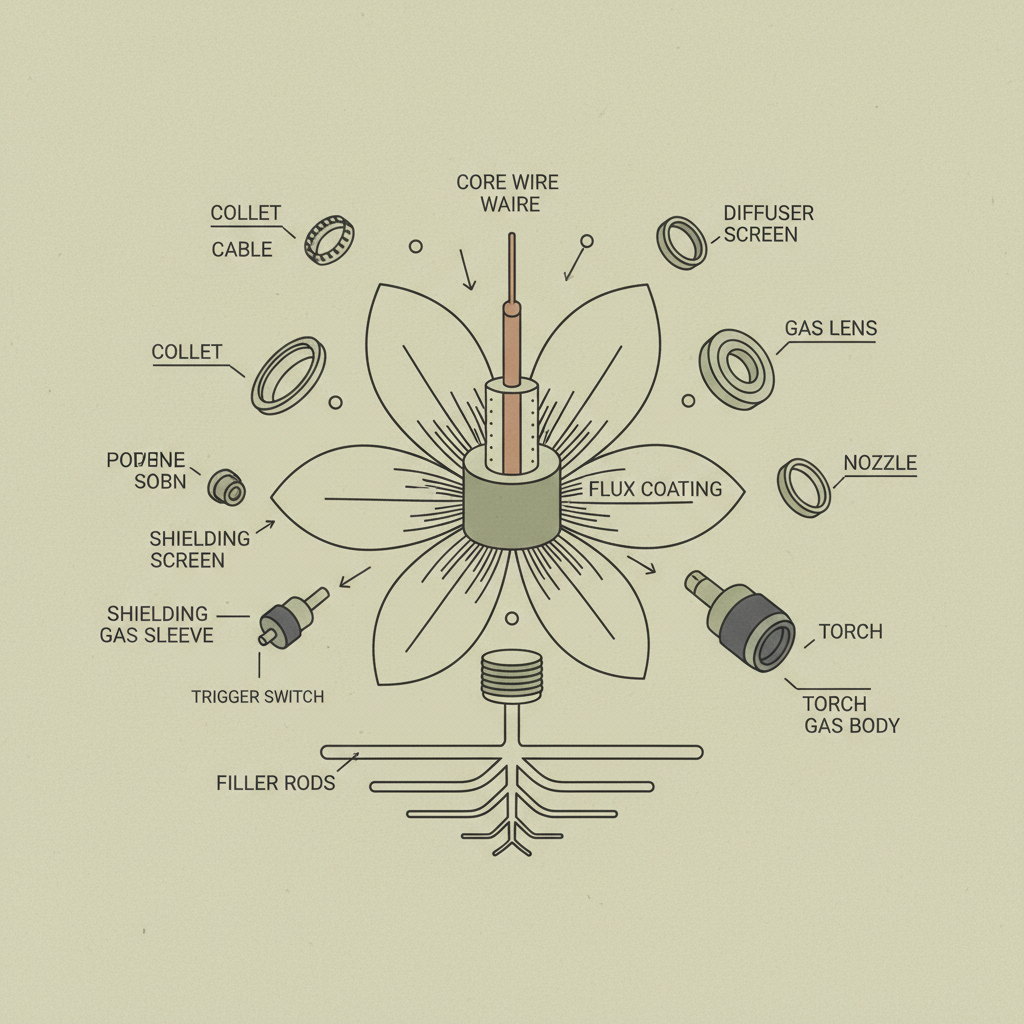
And the flux itself... that's where the magic happens. It controls the arc, shields the weld pool from contamination, and adds alloying elements to the weld metal. It's a complex chemical cocktail. Different fluxes produce different weld properties. Understanding that is key.
Real-World Testing: Beyond the Lab
Forget the lab reports. Those are fine for basic specs, but they don’t tell the whole story. I want to see electrodes tested in real conditions. That means bending tests, tensile tests, impact tests, all done on welds made in the field. I’ve seen electrodes pass all the lab tests but fail miserably when used on a windy construction site.
We do a lot of visual inspection, of course. Look for porosity, cracks, undercut, anything that indicates a poor weld. But you also need to do some destructive testing to really know what you’ve got. It's not pretty, but it’s necessary.
Welding Electrode Performance Metrics
How Welders Actually Use Them
This is where things get interesting. You design an electrode to be used in a certain way, but then you go out to a job site and see welders doing things... differently. Some guys like to weave, some like to stringer bead. Some use a short arc, some use a long arc. It depends on their experience, their preference, and the specific application.
I’ve seen guys grind the flux coating off to get a different arc characteristic. Don’t ask me why, they just do. They’ve got their own tricks. You gotta respect that.
Pros, Cons, and Customization Options
Good electrodes are consistent, reliable, and produce strong, ductile welds. They're easy to use, even for less experienced welders. But they can be expensive. And some types are really sensitive to moisture. Customization? Absolutely. We've had customers request different flux compositions for specific alloys. We even had one guy who wanted a slightly larger diameter electrode for a particularly thick piece of steel. It’s doable, but it adds to the cost and lead time.
Honestly, sometimes it’s easier to just find a standard electrode that works well enough. Don't get bogged down in trying to optimize every single parameter.
A Customer Story & Material Breakdown
Last month, that small boss in Shenzhen who makes smart home devices insisted on changing the interface to on some steel enclosures. He said it looked more “modern.” Fine, whatever. But the guy then demanded we use a lower-cost electrode to save a few bucks. Result? A bunch of cracked welds and a delayed production run. He learned his lesson. Sometimes you gotta spend a little more to get it right.
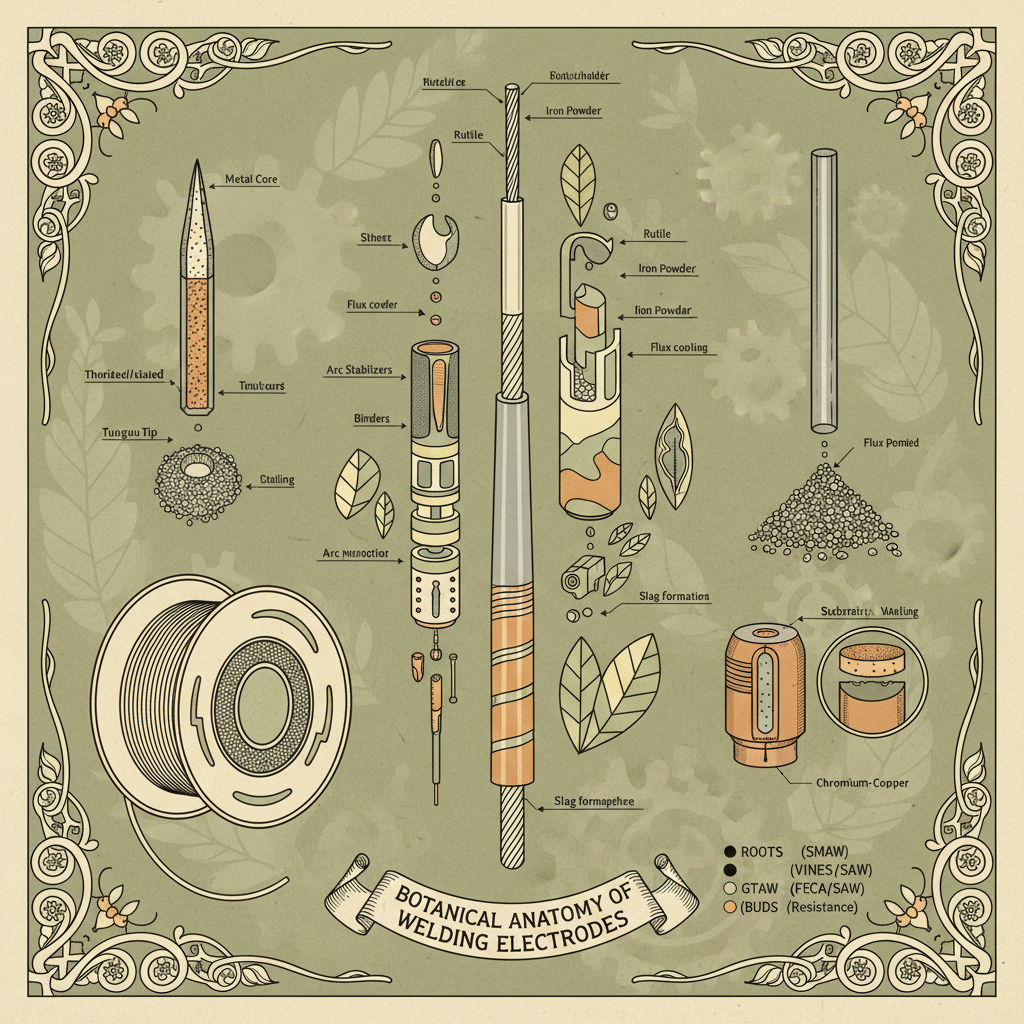
As for the materials, it’s a mix. Iron powder is the main component of the flux, gives it strength and weldability. Then you’ve got things like potassium, sodium, and calcium carbonates, which create the shielding gas. Cellulose helps with arc stability. And then there are the alloying elements, like manganese and silicon, which add strength and toughness to the weld.
It's a delicate balance, and finding the right combination is what separates the good welding electrodes suppliers from the bad.
Summary of Common Welding Electrode Materials & Their Properties
| Material |
Primary Function |
Impact on Weld Quality |
Typical Percentage Composition |
| Iron Powder |
Provides weld metal, increases deposition rate |
Higher strength, improved ductility |
20-40% |
| Potassium Carbonate |
Ionizes the arc, stabilizes the arc column |
Smoother arc, reduced spatter |
5-15% |
| Cellulose |
Gas shielding, arc stabilization |
Improved weld penetration |
10-20% |
| Manganese |
Deoxidizer, strengthens weld metal |
Increased toughness, improved corrosion resistance |
0.5-1.5% |
| Silicon |
Deoxidizer, improves fluidity |
Easier weld pool control |
0.5-1.0% |
| Calcium Fluoride |
Slag forming, arc stability |
Easy slag removal, smooth weld bead |
2-8% |
FAQS
Honestly, it’s not keeping them dry. Moisture is the enemy. Even if you just leave them sitting in a humid environment for a few days, they can absorb enough moisture to cause problems. Always store them in a sealed container, and consider using a drying oven if you're worried about moisture absorption. A lot of suppliers will even sell electrode ovens alongside their products. It's a worthwhile investment.
Stainless steel is tricky. You need an electrode specifically designed for it, usually one with a high chromium and nickel content. E308L-16 is a common choice for general stainless steel welding. But there are different grades for different alloys, so always check the compatibility chart. And be careful with heat input – too much heat can ruin the corrosion resistance.
Low-hydrogen electrodes are designed to minimize the amount of hydrogen in the weld metal. Hydrogen can cause cracking and other defects, especially in high-strength steels. They’re made with special core wires and fluxes, and they need to be stored very carefully to prevent moisture absorption. They are more expensive, but they're often worth it for critical applications.
Look for cracks or damage to the flux coating. If the coating is broken or chipped, the electrode is likely compromised. Also, check for rust on the core wire. And if the electrodes have been exposed to moisture, it’s best to discard them. It's cheap insurance against a failed weld.
Polarity refers to the electrical charge of the electrode and the workpiece. Some electrodes require DC+, others DC-, and some can be used with AC. Using the wrong polarity can cause a unstable arc, poor penetration, and a weak weld. Always check the electrode manufacturer's recommendations.
Not necessarily. Sometimes you're paying for features you don't need. It depends on the application. For a simple repair job, a cheaper electrode might be perfectly adequate. But for critical welds on high-strength steel, it's worth investing in a high-quality electrode. It's about finding the right balance between cost and performance.
Conclusion
So, there you have it. Welding electrodes aren’t glamorous, but they’re the foundation of everything we build. Choosing the right electrode, storing it properly, and using it correctly can make all the difference between a strong, reliable weld and a catastrophic failure. It’s about understanding the materials, the processes, and the real-world conditions.
Ultimately, whether this thing works or not, the worker will know the moment he tightens the screw. That's it. Forget all the fancy talk and lab tests. The guy on the ground, he's the judge. If he's happy, you're good. If not… well, you got work to do. If you need reliable welding electrodes suppliers, visit our website: www.jinlongweldingelectrode.com