The price of welding rods, plain and simple, dictates a lot on a jobsite. It's not just about the initial cost; it's about downtime, rework, and ultimately, whether a project stays on budget. I’ve spent twenty years walking steel, and I can tell you, a few cents difference per rod adds up fast when you're talking about thousands of welds. Understanding where those price fluctuations come from – the raw material costs, the manufacturing processes, even global demand – is critical for any project manager. It's a surprisingly dynamic market, and keeping a finger on the pulse of welding rod price can save you a whole heap of trouble.
We’re talking about more than just a commodity here. Welding rod price impacts everything from small repairs to massive infrastructure projects. A spike in price can delay construction, increase maintenance costs, and even affect the safety of a structure if teams try to cut corners with cheaper, lower-quality rods. I've seen projects stalled because of unforeseen cost increases, and the ripple effect is brutal. That's why understanding the factors that influence welding rod price is crucial for proactive planning and risk management.
And it’s not just about the price tag either. The quality directly correlates, and scrimping on rod quality to save a few bucks almost always ends up costing more in the long run. A good weld is an investment, a bad weld is a liability. Knowing the market allows for informed purchasing decisions based on quality and cost.
The Significance of Welding Rod Price
Welding rod price isn’t some abstract economic indicator; it's a fundamental element of construction and manufacturing costs. From the bustling shipyards of Asia to the remote pipelines of North America, the cost of joining metal is a constant concern. Global events, supply chain disruptions, and raw material availability all directly impact the price, which in turn, impacts project budgets and timelines. Failing to understand this connection can lead to significant financial losses and project delays.
Consider the sheer volume used in major infrastructure projects. A bridge, a skyscraper, even a large industrial plant requires tons of welding rod. Even a small percentage increase in price can translate into tens of thousands, or even millions, of dollars in added expense. This is why savvy project managers treat welding rod price as a critical variable in their cost models.
Defining Welding Rod Price in the Modern Industry
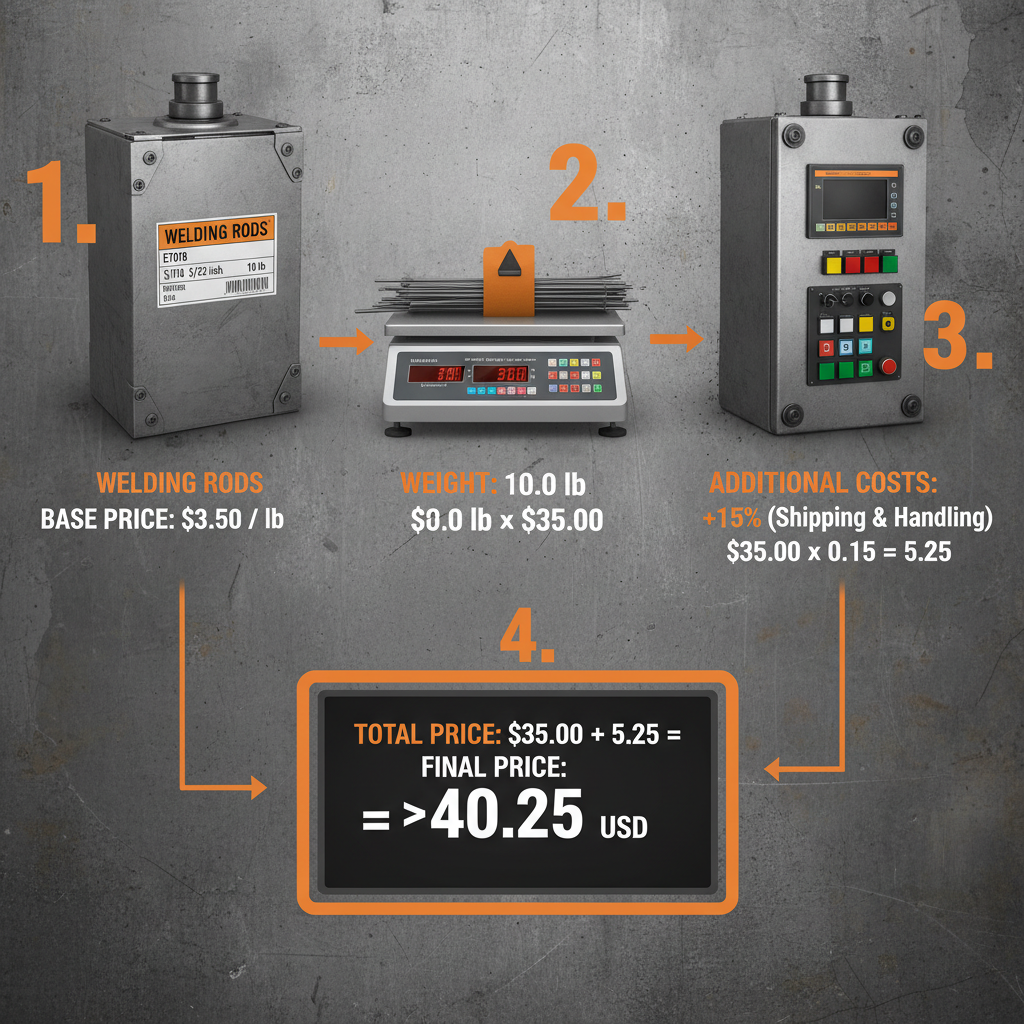
Welding rod price, at its core, represents the cost of the consumable electrode used in various welding processes. It encompasses not just the raw materials (steel, fluxes, alloys), but also manufacturing, packaging, transportation, and distributor margins. But it’s more nuanced than a simple per-pound cost. Different types of rods – E6010, E7018, stainless steel, etc. – have drastically different price points based on their composition and application.
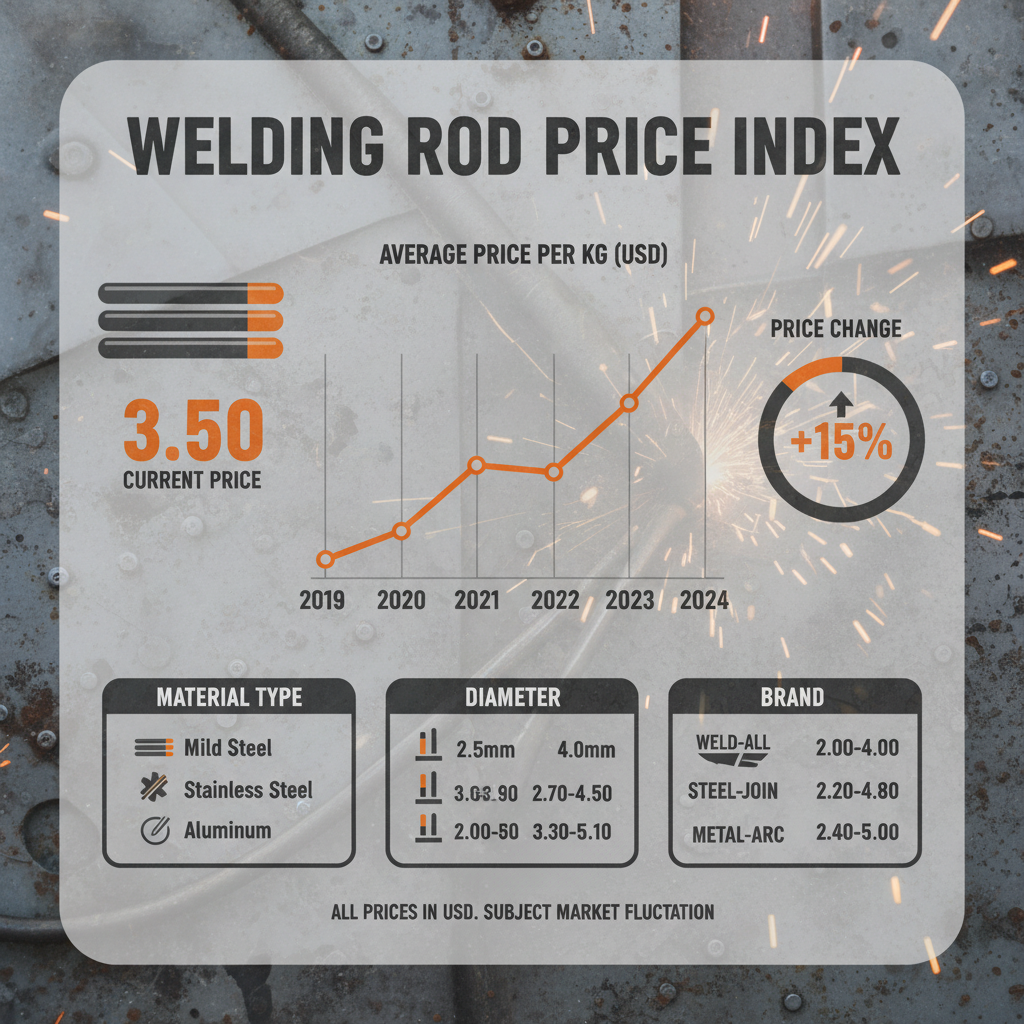
In today’s interconnected world, welding rod price is heavily influenced by global steel markets and geopolitical events. Supply chain bottlenecks, tariffs, and currency fluctuations can all cause significant price volatility. It’s a dynamic market that demands constant monitoring and proactive purchasing strategies. Understanding these dynamics is vital for maintaining project profitability.
It's essential to view welding rod price as an investment in the integrity and longevity of a weld. Choosing cheaper rods to save money upfront can often lead to costly repairs and potential safety hazards down the line. That’s why focusing on value, not just price, is paramount.
Key Factors Influencing Welding Rod Price
Several key factors contribute to fluctuations in welding rod price. Raw material costs, particularly iron ore and alloying elements, are a major driver. Demand from industries like construction, automotive, and shipbuilding also plays a significant role. Global economic conditions and trade policies add another layer of complexity. When steel prices go up, rod prices inevitably follow.
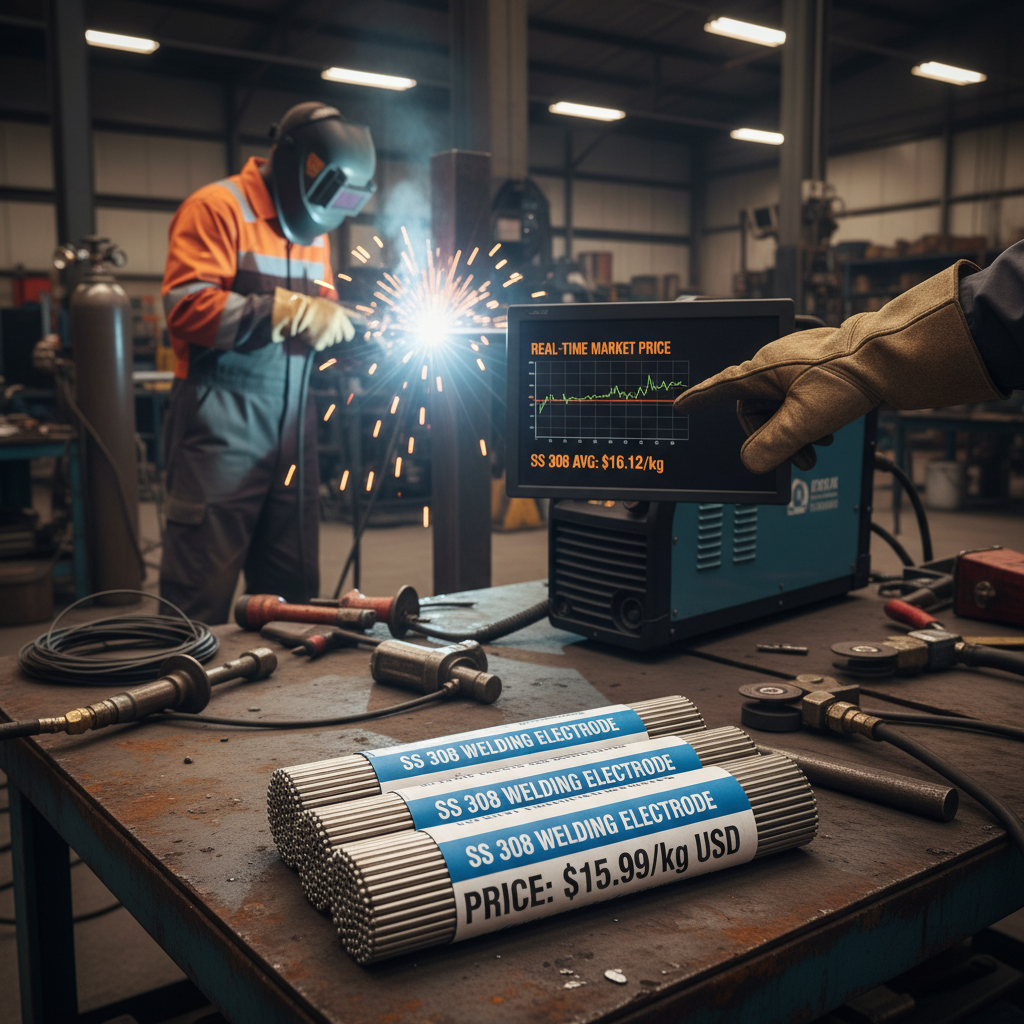
Manufacturing processes and quality control measures also affect the price. Rods that require more complex manufacturing techniques or undergo rigorous testing tend to be more expensive. And, naturally, demand for specialty alloys like stainless steel or nickel-based rods will command a higher price than standard carbon steel rods. Logistics and transportation costs, particularly with rising fuel prices, are also increasingly impactful.
Finally, distributor markups and regional demand variations also contribute to price differences. What you pay in one part of the country – or the world – can vary considerably. Building strong relationships with reliable suppliers who understand these factors is critical for securing competitive pricing.
Global Applications & The Impact of Welding Rod Price
The impact of welding rod price is felt across a vast range of industries and applications globally. In the construction of skyscrapers and bridges, where massive quantities of welding are required, even small price increases can significantly impact project budgets. Similarly, in the shipbuilding industry, where welding is integral to hull construction, managing rod price is crucial for maintaining competitiveness.
The energy sector, particularly pipeline construction and maintenance, is heavily reliant on welding. In remote locations, where transportation costs are high, welding rod price can be a major logistical challenge. Post-disaster relief operations also depend on readily available and affordable welding rods for emergency repairs and infrastructure rebuilding.
Comparative Welding Rod Price (Per 5lb Box)
Advantages of Optimized Welding Rod Price Management
Effective welding rod price management delivers tangible benefits, starting with reduced project costs. By securing competitive pricing and optimizing inventory levels, companies can significantly improve their bottom line. Beyond cost savings, it enhances project predictability and reduces the risk of budget overruns.
It also fosters stronger supplier relationships. Building trust and collaboration with key suppliers can lead to better pricing, improved service, and access to innovative products. And critically, optimizing welding rod price without compromising quality ensures the structural integrity and safety of completed projects.
Future Trends and Innovations in Welding Rod Price
We’re seeing a growing trend towards more sustainable and environmentally friendly welding rod options. Manufacturers are developing rods with reduced fumes and lower environmental impact. Automation and robotic welding are also influencing demand and potentially driving down labor costs, indirectly impacting overall project expenses.
Digital platforms and e-commerce are streamlining the procurement process, providing greater price transparency and enabling buyers to quickly compare options from multiple suppliers. Expect to see more sophisticated data analytics tools used to forecast price fluctuations and optimize purchasing decisions.
Challenges and Solutions Regarding Welding Rod Price
One of the biggest challenges is the volatility of raw material prices. To mitigate this, companies can explore long-term supply contracts and hedging strategies. Supply chain disruptions also pose a significant risk. Diversifying suppliers and building strategic inventory reserves can help buffer against potential shortages.
Maintaining consistent quality while seeking cost savings is another key challenge. Investing in thorough quality control processes and establishing clear specifications with suppliers is essential. Embracing digital procurement platforms can enhance price transparency and streamline the sourcing process.
Finally, navigating complex global trade regulations and tariffs requires specialized expertise. Staying informed about evolving trade policies and working with experienced logistics providers can help minimize costs and ensure compliance.
Summary of Challenges and Potential Solutions Related to Welding Rod Price
| Challenge |
Impact on Welding Rod Price |
Potential Solution |
Implementation Difficulty (1-10) |
| Raw Material Price Volatility |
Directly increases welding rod price. |
Long-term contracts, hedging strategies. |
7 |
| Supply Chain Disruptions |
Leads to shortages and price spikes. |
Supplier diversification, strategic inventory. |
6 |
| Quality Control Concerns |
Compromising quality to reduce price can lead to failures. |
Rigorous testing, clear supplier specifications. |
8 |
| Global Trade Regulations |
Tariffs and trade barriers increase costs. |
Expert logistics providers, compliance checks. |
5 |
| Lack of Price Transparency |
Difficult to identify competitive pricing. |
Digital procurement platforms, market research. |
4 |
| Demand Surges |
Can quickly exhaust supply, driving up prices. |
Forecasting demand, pre-ordering materials. |
6 |
FAQS
Right now, it's a perfect storm. The ongoing global steel market volatility is a huge driver. We're seeing massive swings in iron ore prices, and that immediately impacts rod costs. Transportation costs are also through the roof, and geopolitical instability adds another layer of uncertainty. Simply put, anything that affects the cost of raw materials or getting them to market will influence welding rod price.
Forecasting is tough, but not impossible. Start by tracking steel market indices. Subscribe to industry reports that analyze raw material trends. Get quotes from multiple suppliers and negotiate long-term contracts where possible. Factor in potential tariff changes or trade disputes. And, be prepared to adjust your budget as conditions change. A little flexibility goes a long way.
The price difference is substantial. Stainless steel rods are significantly more expensive, typically 2-3 times the cost of carbon steel rods. This is due to the higher cost of the alloying elements (like chromium and nickel) and the more complex manufacturing process. Stainless steel rods are chosen for applications requiring corrosion resistance, so the higher price is often justified.
Absolutely. Proper storage to prevent corrosion, using the correct rod diameter for the application, and training welders to minimize spatter and slag all reduce waste. Encourage welders to use the full length of the rod, and implement a system for collecting and reusing usable stubs. Reducing waste directly translates into cost savings – you’re using fewer rods overall.
A good supplier is more than just someone who takes your order. They can provide valuable market insights, offer preferential pricing, and prioritize your orders during times of shortage. They can also assist with technical support and quality control. A strong relationship built on trust and communication can save you time, money, and headaches.
Digital procurement platforms streamline the sourcing process, allowing you to quickly compare prices from multiple suppliers. They also offer features like automated bidding, contract management, and spend analysis. This increased transparency and efficiency can help you identify cost savings opportunities and negotiate better deals on welding rod price.
Conclusion
Understanding welding rod price isn’t just about numbers on a spreadsheet; it’s about understanding the interconnectedness of global markets, manufacturing processes, and project logistics. Successfully managing this element – proactively anticipating fluctuations, building strong supplier relationships, and optimizing procurement strategies – is essential for delivering projects on time and within budget. It’s a detail that separates the professionals from the amateurs.
Looking ahead, embracing digital tools, focusing on sustainability, and prioritizing quality will be key to navigating the evolving landscape of welding rod price. By staying informed, adaptable, and focused on value, we can ensure the continued integrity and reliability of the infrastructure that supports our world. For competitive welding rod pricing and expert advice, visit our website: welding rod price.