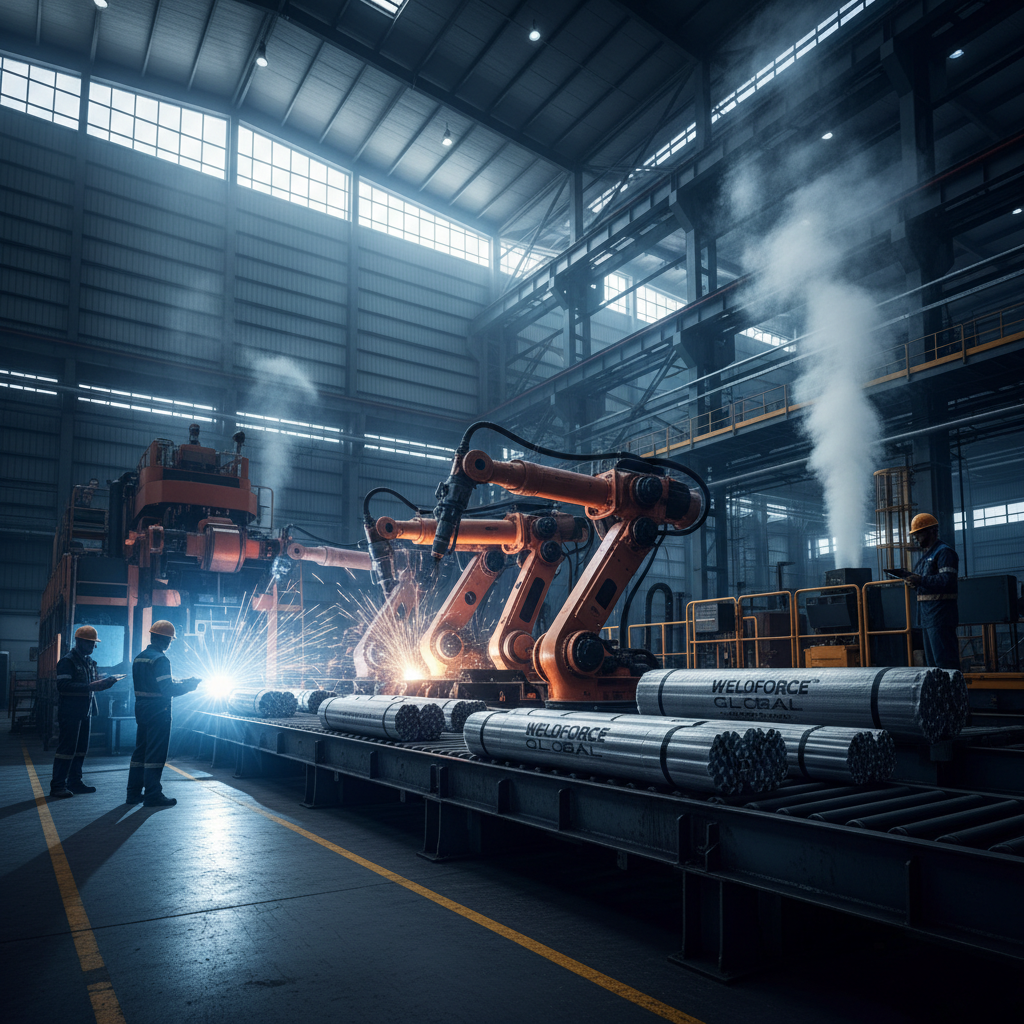
Welding without electrode – it’s a game changer, plain and simple. I’ve spent twenty years on sites, wrestling with rods, dealing with slag, and watching good crews get bogged down in prep work. This isn’t some lab experiment; this is about getting jobs done faster, safer, and with less headache. It’s about bringing a level of precision and efficiency to projects that frankly, we haven't seen before. The demand for quicker, more adaptable construction and repair methods is only increasing, globally.
Look around. Supply chains are stretched, skilled labor is scarce, and projects are getting more complex. Traditional welding just isn't always the answer. The UN estimates a global infrastructure gap of trillions, and organizations like the World Bank are pushing for sustainable, resilient infrastructure – both require innovation. That’s where welding without electrode comes in. It’s not just about making things easier; it’s about enabling projects that wouldn’t be feasible otherwise, especially in remote or disaster-stricken areas.
I’ve seen firsthand how frustrating it is when a weld fails due to contamination, or when a team is slowed down by changing weather conditions. This technology addresses those problems head-on. It’s a shift in how we approach joining metals, and it's one that’s quickly gaining traction in industries from shipbuilding to pipelines.
The Fundamentals of welding without electrode
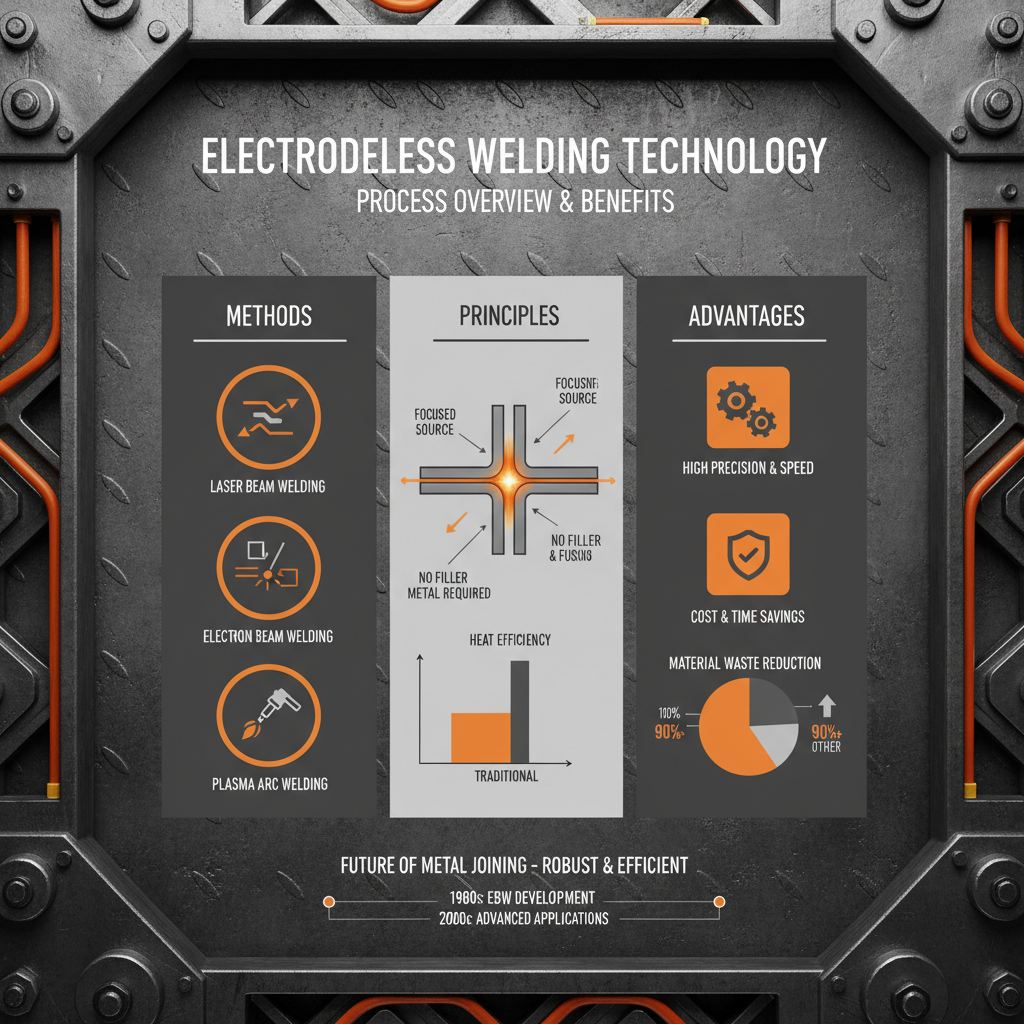
Welding without electrode, in its simplest form, uses focused energy beams – typically lasers or electron beams – to melt and fuse materials together. It cuts out the need for a consumable electrode, which is the traditional method. This means no filler metal, no slag, and a dramatically cleaner process. You’re essentially melting the base materials themselves to create the joint.
It's a concept that’s been around for a while, but advances in beam control, power sources, and automation are making it increasingly viable for a wider range of applications. We’re talking about everything from precision micro-welding in aerospace to heavy-duty repairs on pipelines.
Understanding the Core Principles
The beauty of this method is its precision. Because you're not relying on an electrode, you can control the heat input much more accurately. This minimizes the heat-affected zone – that area around the weld that experiences changes in its material properties. A smaller heat-affected zone means less distortion, less stress, and a stronger, more reliable weld.
It's also incredibly clean. No flux, no slag, no spatter. That translates to less post-weld cleaning, reduced material waste, and a safer working environment. From a cost perspective, while the initial investment in equipment can be higher, the reduction in consumables and rework can often offset that cost over the lifetime of a project.
The core principle revolves around delivering a concentrated energy source to the joint interface, creating localized melting and subsequent fusion upon cooling. It's a direct fusion process relying heavily on precise energy control and material compatibility.
Key Factors Driving Adoption
Durability is a huge factor. Welds created without an electrode are often stronger and more resistant to corrosion, especially in harsh environments. That’s critical for things like offshore platforms or underwater pipelines.
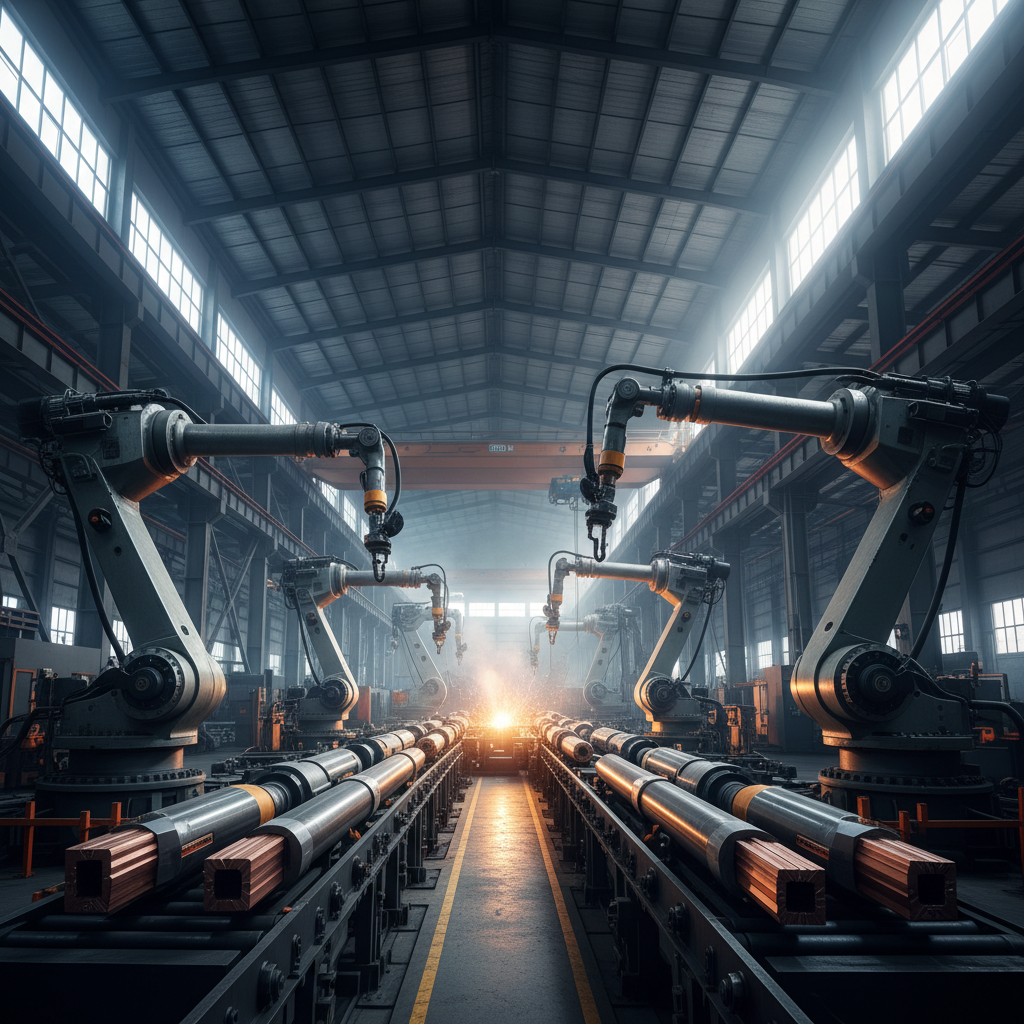
Scalability is another big one. While initial systems might be geared towards smaller, precision work, the technology is evolving to handle larger components and higher production volumes. Automated systems are key to achieving this scalability.
Cost efficiency isn’t just about the upfront cost of the equipment. It’s about reducing labor costs, minimizing material waste, and improving overall productivity. Less rework equals significant savings, especially on large-scale projects.
Practical Applications Across Industries
In the aerospace industry, welding without electrode is essential for joining lightweight alloys and creating complex geometries. You need precision and reliability when you’re building aircraft components. Then there’s the automotive sector, where it's being used for manufacturing electric vehicle batteries and joining dissimilar metals.
I've seen it deployed extensively in the oil and gas industry for pipeline repairs and construction, particularly in remote locations. The portability and efficiency of some of these systems are a lifesaver when you're miles offshore or in a challenging terrain. In post-disaster relief operations, the ability to quickly and reliably repair critical infrastructure is paramount.
Welding without Electrode Performance Comparison
Long-Term Benefits and Value Proposition
The reduction in post-weld processing is huge. No more grinding away slag, no more dealing with porosity issues. That translates directly to cost savings and faster turnaround times. It's a cleaner, more efficient process, which is good for both your bottom line and the environment.
Beyond the tangible benefits, there's a significant improvement in worker safety. Less exposure to fumes and spatter means a healthier and more productive workforce. And ultimately, the reliability of the welds themselves gives you peace of mind, knowing that the structures you’re building are going to stand the test of time.
Emerging Trends and Future Innovations
We're seeing a lot of development in hybrid laser-arc welding, combining the precision of laser welding with the speed and robustness of arc welding. That's opening up new possibilities for joining thicker materials. The integration of AI and machine learning is also playing a big role, allowing for real-time process control and defect detection.
The push towards sustainability is driving demand for more energy-efficient welding processes, and welding without electrode certainly fits that bill. As materials science advances, we’ll see this technology applied to an even wider range of alloys and composites.
Digital twin technology, where a virtual representation of the welding process is used to optimize parameters and predict outcomes, will become increasingly important in ensuring weld quality and efficiency.
Addressing Challenges and Limitations
One of the biggest hurdles is the initial investment cost. The equipment is still relatively expensive compared to traditional welding setups. However, as the technology matures and production volumes increase, those costs are coming down. Another challenge is the need for highly skilled operators.
Proper training and certification are essential to ensure weld quality and safety. Material reflectivity can also be an issue – some materials reflect the laser beam too effectively, making it difficult to achieve adequate melting. That’s where surface preparation and beam parameter optimization come into play.
Finally, accessibility to these systems is limited. We need more service and support networks to ensure that companies can easily adopt and maintain this technology. It’s a challenge, but one that’s being actively addressed by equipment manufacturers and training providers.
Overview of Key Challenges and Mitigation Strategies for Welding Without Electrode Implementation
| Challenge Category |
Specific Challenge |
Severity (1-10) |
Mitigation Strategy |
| Economic |
High Initial Equipment Cost |
8 |
Lease options, phased implementation, cost-benefit analysis |
| Technical |
Material Reflectivity |
6 |
Surface preparation, optimized beam parameters, material selection |
| Operational |
Skilled Operator Requirements |
7 |
Comprehensive training programs, certification standards, experienced technicians |
| Logistical |
Limited Service & Support |
5 |
Expanded manufacturer networks, remote diagnostic capabilities, proactive maintenance |
| Safety |
Beam Hazard Mitigation |
9 |
Enclosed systems, interlocks, safety training, hazard assessment |
| Regulatory |
Evolving Standards & Codes |
4 |
Active participation in standards development, compliance monitoring, documentation |
FAQS
The primary safety concern is the high-energy beam, whether it’s a laser or electron beam. These can cause severe burns if proper precautions aren’t taken. Enclosed systems with interlocks are crucial, as is comprehensive training for operators. Eye protection is non-negotiable. The lack of fumes is a benefit, but you still need proper ventilation.
Initially, the equipment cost is higher – significantly so. However, you need to factor in reduced consumables, less rework, and increased productivity. The overall lifecycle cost can be competitive, and in some cases, even lower than traditional welding. It really depends on the scale of the project and the complexity of the welds.
A wide range, actually! Stainless steel, aluminum, titanium, and various alloys are all viable candidates. The specific material properties and beam parameters need to be carefully adjusted, but it's more versatile than many people realize. Reflective materials can be more challenging, but advancements are being made to address that.
Absolutely. The portability of some laser welding systems makes them ideal for on-site repairs, especially in remote locations. They’re being used to repair pipelines, offshore structures, and even heavy machinery. The speed and efficiency of the process minimize downtime and reduce repair costs.
It requires a higher level of skill than traditional welding. Operators need to understand beam parameters, material properties, and quality control procedures. Proper training and certification are essential. It's not something you can just pick up without proper instruction.
Generally, it improves the strength and durability of the weld. The smaller heat-affected zone minimizes distortion and reduces residual stresses. The absence of filler metal and slag also eliminates potential weaknesses. It often results in a cleaner, more reliable weld, particularly for high-strength alloys.
Conclusion
Welding without electrode isn’t just a technological advancement; it’s a paradigm shift in how we approach joining materials. From improved precision and durability to increased efficiency and safety, the benefits are undeniable. This technology is poised to revolutionize industries ranging from aerospace and automotive to oil and gas and disaster relief.
Looking ahead, continued innovation in beam control, automation, and materials science will further expand the applications of welding without electrode. It’s a technology that’s not just solving today’s challenges, but paving the way for a more sustainable and efficient future. To learn more about how this technology can benefit your projects, visit our website: www.jinlongweldingelectrode.com