Welding rod types are fundamental to modern manufacturing, construction, and repair across a vast spectrum of industries. Understanding the nuances of these rods – their compositions, applications, and performance characteristics – is crucial for ensuring structural integrity, optimizing welding processes, and ultimately, maintaining safety and quality. The global demand for efficient and reliable welding solutions continually drives innovation in welding rod technology, making it a dynamic and vital field.
The economic impact of effective welding, directly linked to the selection of appropriate welding rod types, is immense. From shipbuilding and automotive manufacturing to pipeline construction and aerospace engineering, robust welding procedures are indispensable. Furthermore, advancements in welding rod technologies contribute to reduced material waste, decreased energy consumption, and improved weld quality, aligning with increasingly stringent sustainability goals.
Choosing the right welding rod types isn't simply a technical decision; it impacts project timelines, costs, and long-term durability. A thorough grasp of available options empowers welders, engineers, and procurement specialists to make informed choices that optimize performance, reduce risks, and ensure compliance with industry standards. This knowledge is paramount in maintaining infrastructure, creating durable goods, and responding to urgent repair needs worldwide.
The Importance of Welding Rod Types
The selection of the appropriate welding rod types directly influences the quality, strength, and longevity of welded joints. Different metals require different rod compositions to achieve optimal fusion and prevent defects. Without careful consideration of material compatibility and application requirements, welds can become susceptible to cracking, corrosion, or failure under stress.
Beyond material science, the economic implications of selecting the right welding rod types are significant. Using a rod that is too expensive for a given application wastes resources, while using one that is inadequate can lead to costly repairs or even catastrophic failures. Understanding the cost-benefit analysis of different rod options is vital for efficient project management.
Defining Welding Rod Types
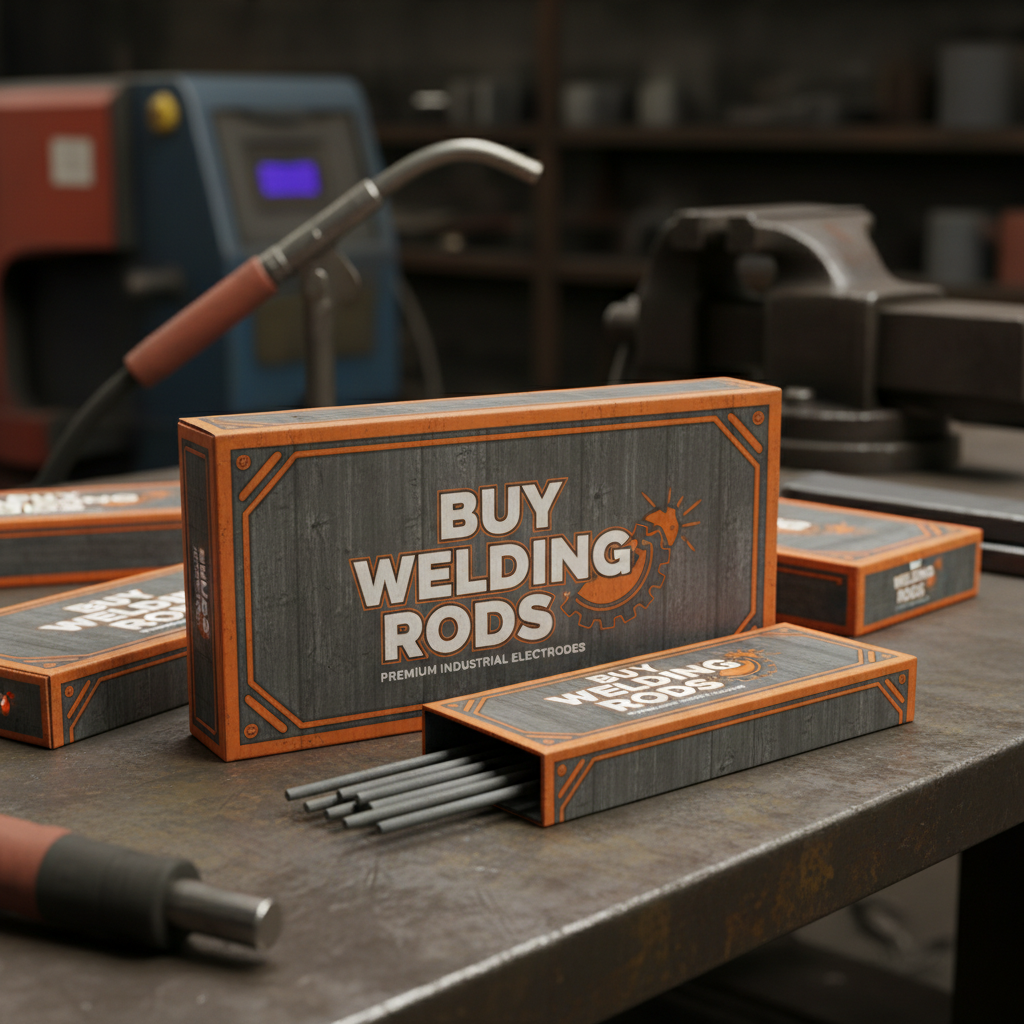
Welding rod types, also known as electrodes, are consumable metal components used to create a weld. They provide the filler metal that fuses two or more base materials together, forming a strong and durable joint. These rods are categorized based on their composition, coating, and intended application. The core wire is often alloyed with elements to enhance specific properties.
The coating on a welding rod plays a critical role in the welding process. It provides shielding gas to protect the weld pool from atmospheric contamination, stabilizes the arc, and influences the weld’s mechanical properties. Different coatings are formulated for specific welding positions, base materials, and desired weld characteristics.
Modern industry relies heavily on precise welding procedures, and the correct choice of welding rod types is paramount to achieving these standards. Whether it’s critical infrastructure projects, automotive manufacturing, or the creation of everyday consumer goods, proper welding ensures safety, reliability, and product longevity. Understanding these fundamentals is essential for anyone involved in welding processes.
Core Properties of Welding Rods
Several key properties determine the suitability of a welding rod types for a specific application. Tensile strength, yield strength, and elongation indicate the weld’s ability to withstand stress. Impact toughness measures the weld’s resistance to fracture under sudden loads, particularly important in low-temperature environments.
Corrosion resistance is another critical factor, especially when welding materials exposed to harsh environments. The rod’s composition and coating can significantly impact the weld’s ability to resist corrosion. Finally, weldability, which refers to the ease with which the rod can be used in a particular welding process, influences efficiency and weld quality.
These properties are not isolated; they are often interconnected. For example, increasing tensile strength may reduce ductility, requiring careful balancing to achieve the desired performance characteristics. Understanding these trade-offs is essential for selecting the optimal welding rod types for each unique application.
Practical Applications Across Industries
The diverse range of welding rod types caters to a multitude of industries. In the construction sector, rods designed for structural steel welding are used to build bridges, skyscrapers, and other large-scale infrastructure. The automotive industry relies heavily on rods suited for welding high-strength steels and aluminum alloys.
The aerospace industry demands welding rod types that can withstand extreme temperatures and pressures, often utilizing specialized alloys. The energy sector, particularly pipeline construction and maintenance, requires rods with high corrosion resistance and durability. In remote industrial zones and oil rigs, the reliability of welds is paramount, making the correct rod selection a crucial safety measure.
Welding Rod Types Performance Comparison
Advantages and Long-Term Value Proposition
The correct application of welding rod types provides significant cost savings by minimizing rework, reducing material waste, and extending the lifespan of welded structures. The selection of high-quality rods enhances weld integrity, thereby enhancing safety and reducing the risk of catastrophic failures.
Moreover, the adoption of advanced welding rod types contributes to sustainable manufacturing practices. Rods designed for lower fume emissions and reduced spatter contribute to a healthier work environment and minimize environmental impact. The ability to weld dissimilar metals with specialized rods expands design possibilities and promotes resource efficiency.
Future Trends in Welding Rod Technology
Ongoing research focuses on developing welding rod types with enhanced mechanical properties, improved corrosion resistance, and reduced environmental impact. The use of nanotechnology to modify rod compositions promises to create welds with superior strength and durability. Automation in welding rod production is increasing efficiency and consistency.
The integration of digital technologies, such as sensors and data analytics, is enabling real-time monitoring of welding parameters and automated adjustments to rod selection. These innovations are driving a shift towards more intelligent and sustainable welding processes, and are leading to substantial improvements in welding rod types.
Challenges and Emerging Solutions
One significant challenge is the increasing demand for welding rod types capable of joining advanced high-strength steels and lightweight alloys. Achieving optimal weld quality with these materials requires specialized rod compositions and precise welding parameters. Another challenge is the need to reduce the environmental impact of welding operations.
Emerging solutions include the development of low-fume rods, the use of alternative shielding gases, and the implementation of closed-loop welding systems that capture and recycle emissions. Furthermore, advancements in robotic welding are enabling greater precision and control, minimizing waste and maximizing weld quality.
Addressing these challenges requires collaborative efforts between materials scientists, welding engineers, and industry stakeholders to develop innovative solutions that ensure the long-term sustainability and reliability of welded structures. Improving access to information regarding welding rod types and training is also critical to optimizing their use.
Summary of Welding Rod Selection Considerations
| Base Material Compatibility |
Welding Position |
Required Mechanical Properties |
Environmental Exposure |
| Steel to Steel (Mild, High Strength, Stainless) |
Flat, Horizontal, Vertical, Overhead |
Tensile Strength (60-80 ksi) |
Mild Climate, Indoor Use |
| Aluminum to Aluminum |
Flat, Horizontal |
Ductility (20% Elongation) |
Marine Environment, Salt Spray |
| Stainless Steel to Carbon Steel |
All Positions |
Corrosion Resistance (High) |
Chemical Processing, Acid Exposure |
| Cast Iron to Cast Iron |
Flat, Horizontal |
Weldability (Low Hydrogen) |
Dry Environment, Minimal Stress |
| Copper to Copper |
Flat, Horizontal |
Electrical Conductivity (High) |
Electrical Applications, Low Corrosion |
| Nickel Alloys to Nickel Alloys |
All Positions |
High Temperature Strength |
High Temperature, Corrosive Gases |
FAQS
For beginners, a 6013 electrode is often recommended. It’s an all-position rod that’s easy to strike an arc with, offers good weldability, and produces a smooth, visually appealing weld. Its forgiving nature allows for less precise technique, making it ideal for learning the fundamentals of stick welding. It is also relatively inexpensive and widely available.
Welding stainless steel requires specific rods designed to match its composition and maintain corrosion resistance. 308L or 309L rods are commonly used, depending on the grade of stainless steel being welded. Ensure the rod contains molybdenum to resist sensitization and pitting corrosion, particularly in harsh environments. Thorough cleaning of the base metal is also essential.
The numbering system provides crucial information about a rod's characteristics. The first two digits (e.g., 70) indicate the tensile strength in thousands of pounds per square inch. The last two digits (e.g., 18) specify the welding position and the coating type. "1" signifies all positions, while "8" indicates a low-hydrogen coating. Understanding this system is key to selecting the appropriate rod for your application.
Porosity, or gas pockets in the weld, can be caused by contamination, moisture, or improper welding technique. Ensure the base metal is clean and free of rust, oil, or paint. Use low-hydrogen rods and store them in a sealed container to prevent moisture absorption. Maintain a proper arc length and travel speed. A clean base metal and dry rod storage are crucial steps.
Yes, certain rods excel in overhead welding. E6011 and E7018 are often favored for overhead positions due to their fast freezing characteristics, which help prevent weld metal from sagging or falling. They also offer good penetration and arc stability. Proper technique and lower amperage settings are also vital for successful overhead welds.
Welding poses several safety hazards. Always wear appropriate personal protective equipment (PPE), including a welding helmet, gloves, and protective clothing. Ensure adequate ventilation to avoid inhaling fumes. Be aware of fire hazards and have a fire extinguisher readily available. Follow all relevant safety guidelines and regulations.
Conclusion
In conclusion, the understanding of welding rod types is foundational to successful and reliable welding operations. From recognizing the impact of material compatibility to adapting to emerging technologies, a comprehensive grasp of rod properties and applications is crucial for professionals across a vast range of industries. Investing in this knowledge yields substantial benefits, including improved weld quality, reduced costs, and enhanced safety.
As welding technology continues to evolve, staying informed about new rod compositions, automated processes, and sustainable practices will be essential for maintaining a competitive edge. We encourage you to explore the full range of welding rod types available and to prioritize safety and quality in all your welding endeavors. For more information and a wider selection of welding solutions, visit our website: www.jinlongweldingelectrode.com.