0%

Table of Contents

Fast freeze welding rod technology represents a significant advancement in the field of welding, offering a unique combination of speed, strength, and efficiency. Globally, the demand for robust and rapidly deployable welding solutions is increasing, driven by infrastructure development, disaster relief efforts, and the need for efficient repairs in remote locations. This technology, utilizing specialized electrodes, enables welds to cool and solidify exceptionally quickly, reducing overall project timelines and enhancing productivity. Understanding the intricacies of fast freeze welding rod is crucial for engineers, technicians, and professionals across numerous industries.

The importance of fast freeze welding rod extends beyond mere convenience. Its unique properties allow for welding in challenging conditions, including out-of-position welds and situations where minimizing heat input is critical. The UN estimates that rapid infrastructure development is vital for achieving sustainable development goals, and efficient welding technologies play a crucial role in this process. Further, the World Bank highlights the need for resilient infrastructure, which necessitates welding solutions capable of withstanding extreme environmental factors.

Ultimately, the benefits of embracing fast freeze welding rod translate to significant cost savings, improved structural integrity, and increased safety across a diverse range of applications. This makes it a valuable asset in an increasingly demanding global landscape. From emergency repairs to large-scale construction projects, this technology provides a compelling solution.
Advancements in Fast Freeze Welding Rod Technology and Industrial Applications

The Core Principles of fast freeze welding rod

Advancements in Fast Freeze Welding Rod Technology and Industrial Applications

At its core, fast freeze welding rod technology revolves around a specialized electrode composition designed to rapidly transfer heat during the welding process. This rapid heat transfer leads to a faster solidification rate of the weld pool, minimizing distortion and residual stress. The chemical composition of these rods is meticulously controlled to ensure optimal performance across a variety of materials and welding positions.

This technology is particularly beneficial when welding thinner materials or components sensitive to heat-induced deformation. The reduced heat input also enhances the mechanical properties of the weld, resulting in stronger and more durable joints. The precise control over the welding process is a key differentiator, leading to consistent and high-quality results.

Global Relevance and Industrial Applications

The global demand for efficient and reliable welding solutions is substantial, driven by ongoing infrastructure projects, manufacturing advancements, and the need for rapid repairs in diverse industries. Fast freeze welding rod addresses this demand by offering a solution that reduces welding time, minimizes distortion, and improves weld quality. This is particularly important in sectors such as automotive, aerospace, and shipbuilding.

The ISO standards for welding quality continually evolve, pushing for higher levels of precision and consistency. Fast freeze welding rod aligns with these standards by enabling tighter control over the welding process. Furthermore, its suitability for various welding positions expands its applicability across numerous industrial settings worldwide.

In emerging economies, where rapid infrastructure development is a priority, fast freeze welding rod can accelerate project timelines and reduce overall costs. Its versatility and efficiency make it a valuable asset for contractors and engineers working on large-scale projects.

Defining Fast Freeze Welding Rod Technology

Fast freeze welding rod is a type of consumable electrode specifically engineered to accelerate the cooling rate of the weld pool during the welding process. Unlike conventional electrodes, these rods contain unique alloying elements that promote rapid solidification. This rapid solidification minimizes the formation of large grain structures and reduces the risk of cracking, leading to a stronger and more durable weld.

The term "fast freeze" refers to the speed at which the molten metal solidifies after being deposited. This is achieved through the carefully balanced chemical composition of the electrode and the optimized welding parameters used in conjunction with it. This quick freeze significantly reduces the heat-affected zone (HAZ), minimizing distortion and preserving the mechanical properties of the base metal.

Modern advancements in materials science have enabled the development of fast freeze welding rods tailored to specific metal alloys, further enhancing their performance and versatility. These rods are now available for a wide range of materials, including carbon steel, stainless steel, and aluminum.

Key Characteristics of fast freeze welding rod

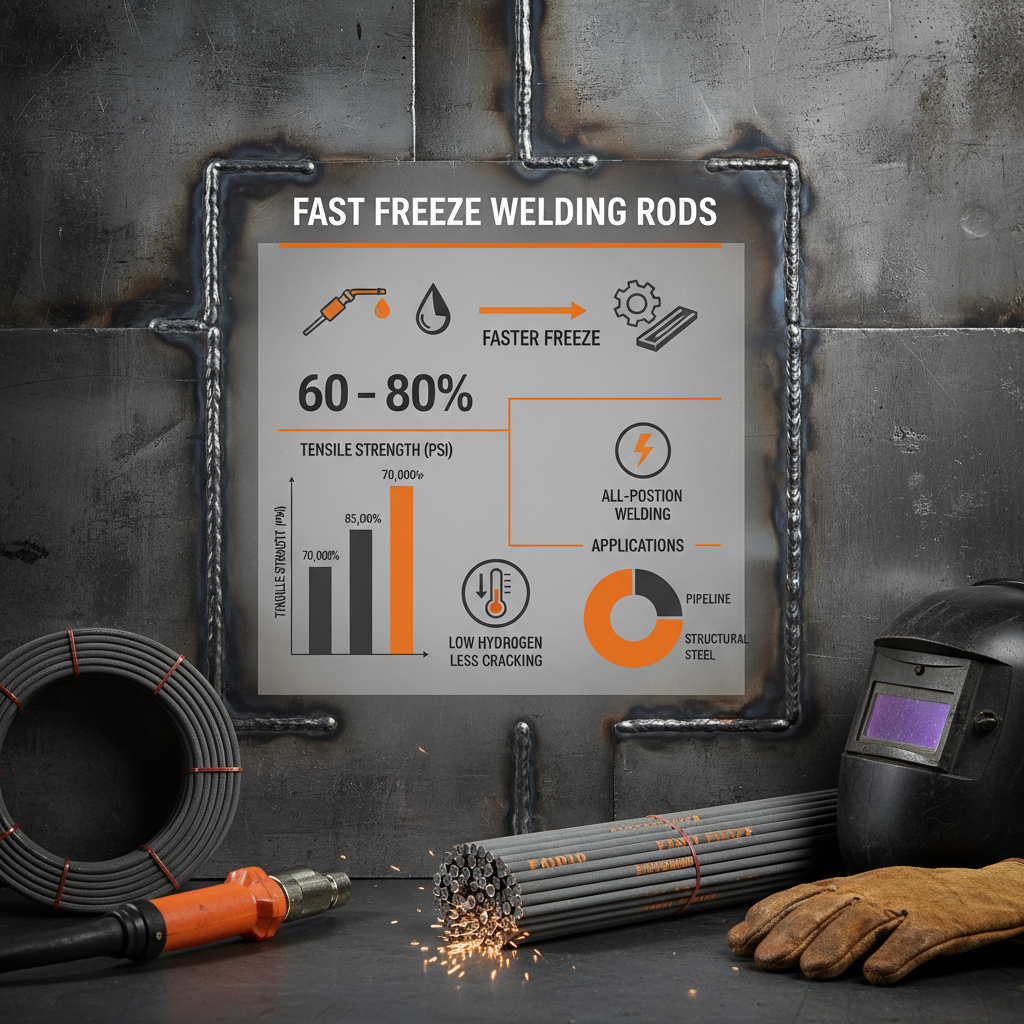
One defining characteristic of fast freeze welding rod is its exceptional deposition rate, allowing for faster welding speeds without compromising weld quality. This translates into significant time savings and increased productivity, particularly in large-scale projects.

Another key attribute is its low hydrogen content, minimizing the risk of hydrogen-induced cracking – a common issue in conventional welding processes. This results in welds with superior ductility and resistance to fatigue.

Performance Comparison of fast freeze welding rod Methods


Real-World Applications and Use Cases

Fast freeze welding rod finds widespread application in the construction of pipelines, where minimizing distortion is crucial for maintaining structural integrity. Its ability to weld in all positions also makes it ideal for field repairs and maintenance work.

In the automotive industry, fast freeze welding rod is utilized in the manufacturing of chassis components and exhaust systems, where high strength and durability are paramount. The reduced heat input minimizes the risk of warping and ensures precise welding results.

Advantages and Long-Term Value Proposition

The use of fast freeze welding rod translates into tangible cost savings due to reduced welding time, decreased rework, and minimized material waste. Its improved weld quality also contributes to enhanced product lifespan and reduced maintenance requirements.

Furthermore, the technology offers significant environmental benefits by reducing energy consumption and minimizing the release of harmful fumes. This aligns with growing sustainability initiatives and promotes responsible manufacturing practices.

From a social impact perspective, the reliability and durability of welds produced with fast freeze welding rod enhance safety and contribute to the construction of robust infrastructure, benefiting communities worldwide.

Future Trends and Emerging Innovations in fast freeze welding rod

Ongoing research and development efforts are focused on optimizing the chemical composition of fast freeze welding rods to further enhance their performance and expand their applicability to a wider range of materials. The integration of digital welding technologies, such as real-time monitoring and automated process control, promises to unlock even greater precision and efficiency.

The pursuit of environmentally friendly welding solutions is driving the development of fast freeze welding rods with reduced levels of hazardous substances. This aligns with the growing demand for sustainable manufacturing practices and contributes to a cleaner and safer working environment.

The potential for combining fast freeze welding rod technology with additive manufacturing techniques presents exciting opportunities for creating complex geometries and customized components with superior mechanical properties.

Analysis of Factors Influencing Fast Freeze Welding Rod Performance

Electrode Composition Welding Parameters Base Metal Type Weld Position
Alloying Element Percentage Amperage (Amps) Carbon Steel Flat
Hydrogen Content (ppm) Voltage (Volts) Stainless Steel Horizontal
Solidification Rate (mm/s) Travel Speed (mm/min) Aluminum Alloy Vertical
Grain Size (µm) Shielding Gas Flow Rate (L/min) Cast Iron Overhead
Tensile Strength (MPa) Preheat Temperature (°C) Nickel Alloy All Positions
Elongation (%) Pulse Frequency (Hz) Titanium Alloy Semi-Automatic

FAQS

What are the primary advantages of using fast freeze welding rod over traditional welding electrodes?

Fast freeze welding rod offers several key advantages. Primarily, it significantly reduces heat input, minimizing distortion and residual stress in the weld. The rapid solidification rate also results in superior mechanical properties, including higher strength and ductility. This makes it ideal for applications where precise and durable welds are critical. Furthermore, the faster cooling reduces overall welding time, boosting productivity.

Is fast freeze welding rod suitable for welding all types of metals?

While incredibly versatile, fast freeze welding rod isn't universally suitable for all metals. The specific composition of the rod must be carefully selected to match the base metal's properties. Generally, it performs exceptionally well with carbon steel, stainless steel, and aluminum alloys. However, specialized rods are required for certain materials like titanium or nickel alloys. Consultation with a welding expert is recommended to determine the optimal rod for your application.

What welding techniques are most effectively paired with fast freeze welding rod?

Fast freeze welding rod is particularly effective when used with shielded metal arc welding (SMAW), also known as stick welding. It also performs well with gas metal arc welding (GMAW) and flux-cored arc welding (FCAW), although adjustments to welding parameters may be necessary. Using pulse welding techniques can further optimize the process and achieve even greater control over the weld quality.

How does the heat-affected zone (HAZ) differ when using fast freeze welding rod compared to conventional methods?

The heat-affected zone (HAZ) is significantly smaller when using fast freeze welding rod. The rapid cooling minimizes the extent of microstructural changes in the base metal surrounding the weld. This smaller HAZ translates to reduced distortion, less residual stress, and improved mechanical properties in the overall structure. It's a key advantage in applications where maintaining the integrity of the base material is crucial.

What safety precautions should be taken when working with fast freeze welding rod?

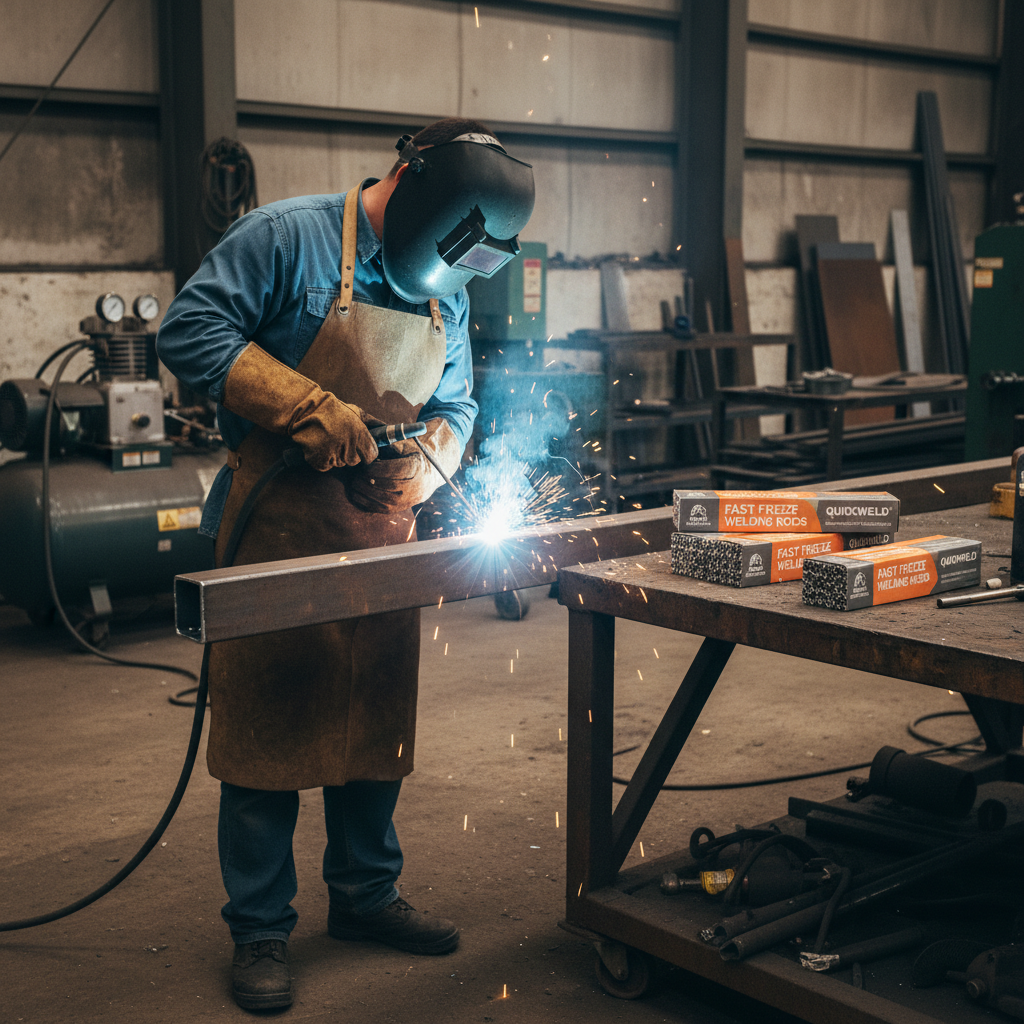
Standard welding safety precautions apply when using fast freeze welding rod. This includes wearing appropriate personal protective equipment (PPE) such as a welding helmet, gloves, and protective clothing. Ensure adequate ventilation to avoid inhaling fumes. Follow the manufacturer's recommendations for electrode storage and handling. Always adhere to relevant safety regulations and guidelines.

How does the cost of fast freeze welding rod compare to traditional welding electrodes?

The initial cost of fast freeze welding rod can be slightly higher than some conventional electrodes. However, the long-term cost savings often outweigh this initial investment. The faster welding speeds, reduced rework, and improved weld quality translate to lower labor costs, less material waste, and increased productivity. The enhanced durability also reduces the need for frequent repairs and replacements.

Conclusion

Fast freeze welding rod represents a significant advancement in welding technology, offering a unique combination of speed, strength, and efficiency. Its ability to minimize heat input, reduce distortion, and enhance weld quality makes it a valuable asset across numerous industries, from construction and automotive to aerospace and shipbuilding. The long-term benefits, including cost savings, improved durability, and enhanced safety, position it as a sustainable and reliable welding solution.

As technology continues to evolve, we anticipate further innovations in fast freeze welding rod materials and welding processes. Embracing these advancements will be crucial for maximizing productivity, ensuring quality, and meeting the growing demands of a rapidly changing global landscape. To learn more about our fast freeze welding rod products and find the right solution for your needs, visit our website today: fast freeze welding rod.
Michael Davies

Michael Davies

Michael Davies is the Technical Support Specialist at Dingzhou Jinlong Metal Production Co., Ltd. He works closely with customers to provide expert guidance on selecting the appropriate welding electrodes and wires for their specific applications. Michael has a strong background in hands-on welding and a deep understanding of our product
Previous The Vital Role of Good Welding Rods in Modern Infrastructure and Manufacturing
Next Advancements in Welding Technology with Fast Freeze Welding Electrodes