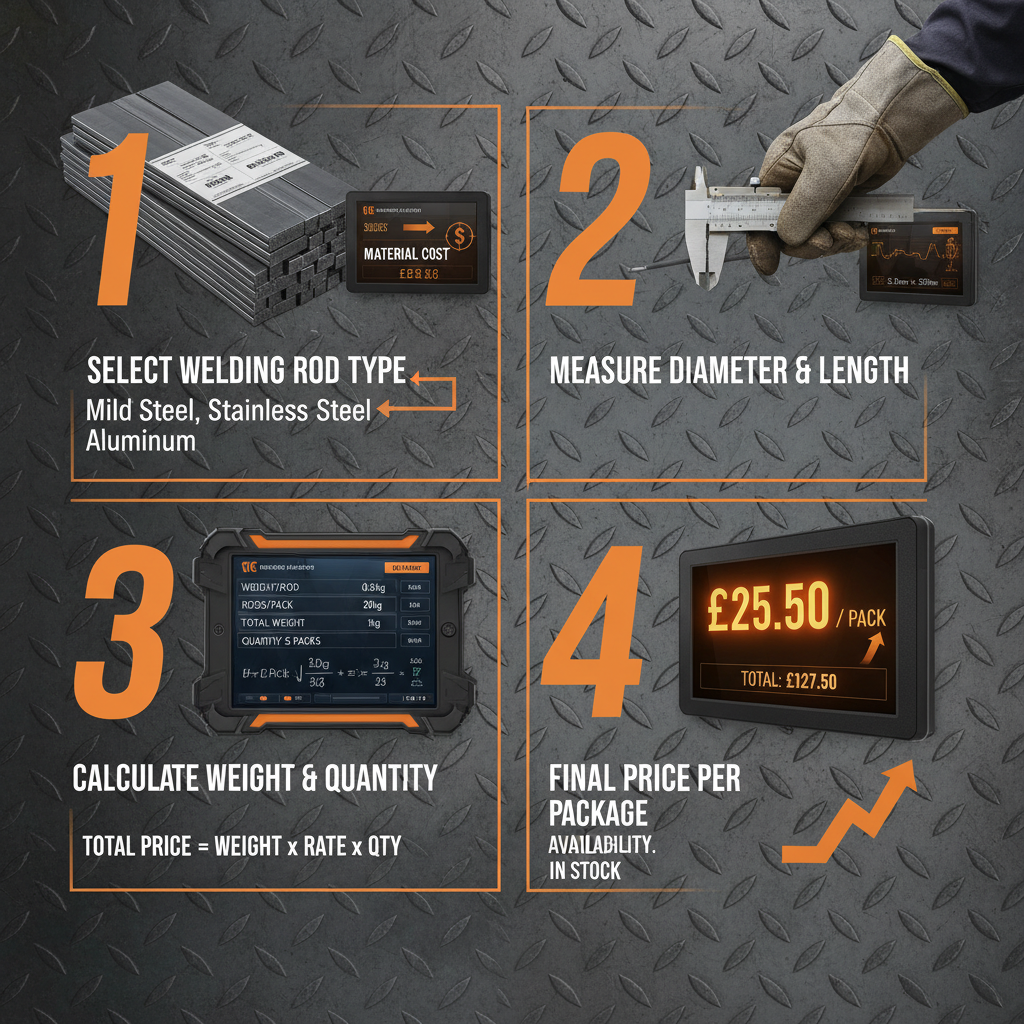
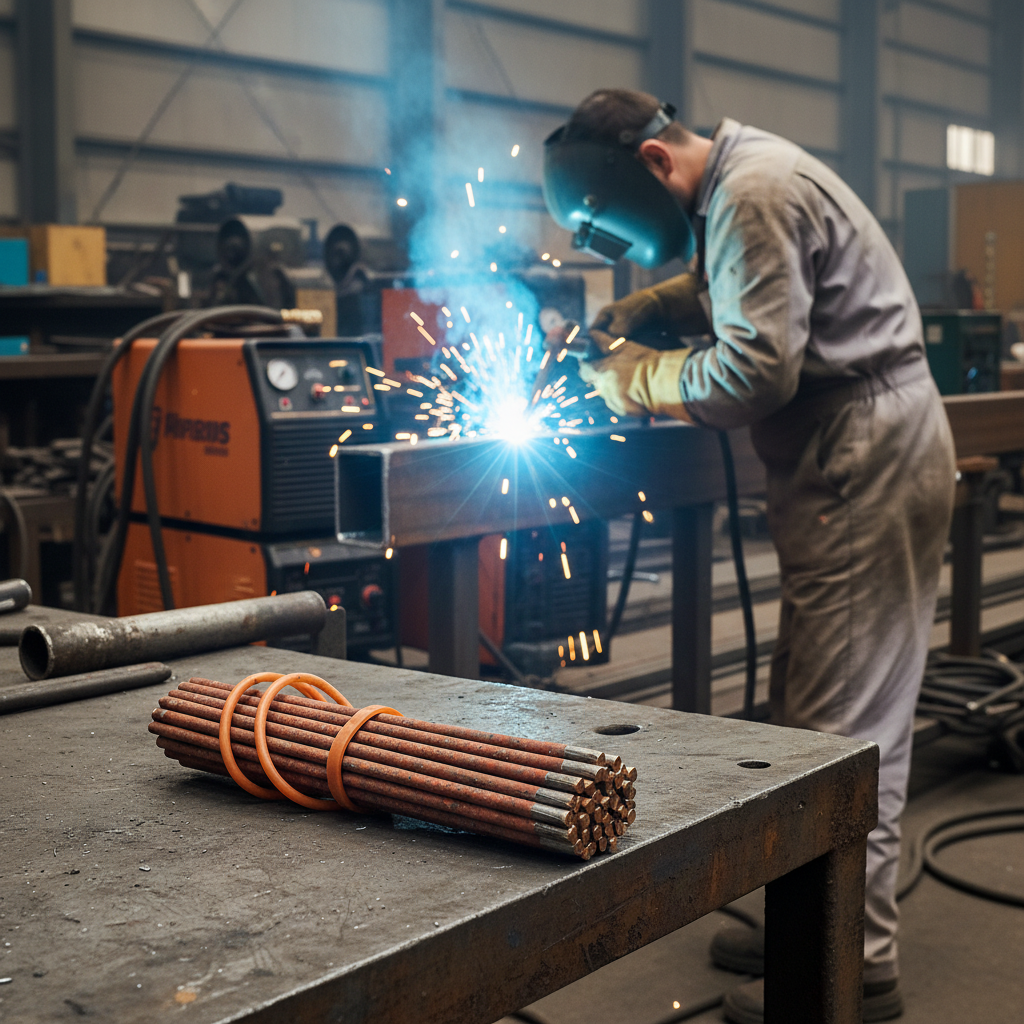
Cutting welding rods are essential components in a vast range of industrial and fabrication processes. Globally, these rods facilitate the joining of metals, impacting sectors from construction and automotive to aerospace and infrastructure development. Their reliable performance is crucial for maintaining structural integrity, ensuring safety, and driving economic growth. Understanding the nuances of cutting welding rods – their composition, application, and ongoing innovations – is paramount for professionals and stakeholders across numerous industries.
The demand for high-quality cutting welding rods is consistently high, mirroring the continued expansion of manufacturing and infrastructure projects worldwide. According to the World Steel Association, global steel production continues to rise, driving the need for effective joining technologies. However, challenges remain in optimizing rod performance, minimizing waste, and ensuring environmental sustainability. Addressing these concerns is vital for responsible industrial practice.
The effective utilization of cutting welding rods translates into cost savings, increased efficiency, and reduced downtime for businesses. They empower skilled welders to create durable, long-lasting structures and components that underpin modern society. Properly understanding the selection and application of these rods allows for optimized welding procedures, leading to superior results and enhanced operational performance.
Introduction to Cutting Welding Rods
Cutting welding rods play a pivotal role in joining metals across numerous industries. The selection of the correct rod type is crucial for achieving strong, durable, and aesthetically pleasing welds. A wide array of compositions and coatings are available, each optimized for specific materials and welding techniques.
The advancements in cutting welding rods have led to increased efficiency, reduced costs, and improved weld quality. Continuous research and development focus on enhancing arc stability, minimizing spatter, and improving the mechanical properties of the resulting weldments. Utilizing superior quality cutting welding rods ensures long-lasting performance in critical applications.
Defining Cutting Welding Rods
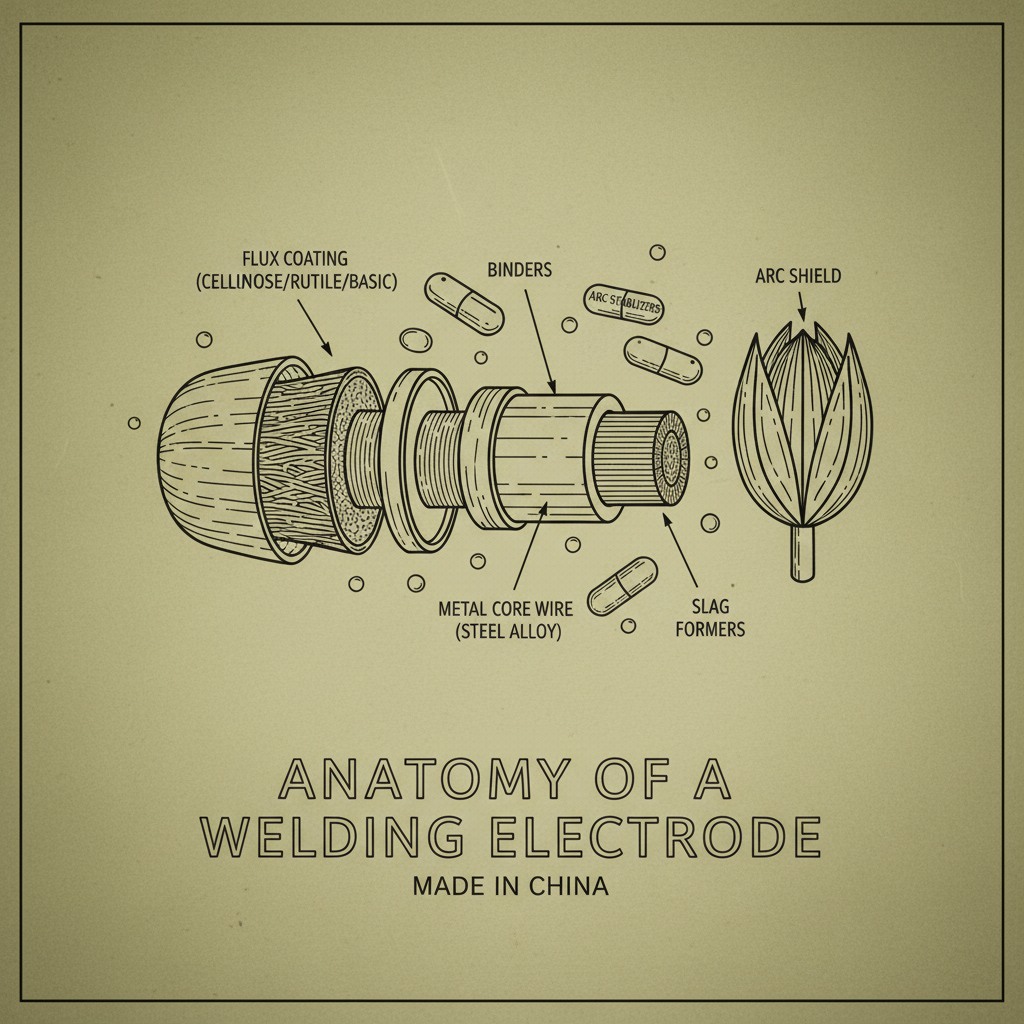
Cutting welding rods, also known as welding electrodes, are consumable materials used to create a weld. They serve as the source of filler metal, providing the material that bonds the two workpieces together. The rod's core wire, often steel, is typically coated with a flux material that performs several vital functions during the welding process.
The flux shields the weld pool from atmospheric contamination, stabilizes the arc, and adds alloying elements to the weld metal. Different coatings are formulated to cater to specific welding applications, materials, and desired weld properties. This connection to modern industry stems from the need for reliable and efficient metal joining in countless manufacturing processes.
In humanitarian contexts, access to cutting welding rods and skilled welders is vital for rapid infrastructure repair after natural disasters, enabling the quick restoration of essential services and aiding recovery efforts. This underlines the rods' importance extending beyond purely commercial applications.
Key Factors Influencing Rod Performance
The performance of cutting welding rods is influenced by several key factors, including the chemical composition of the core wire, the type of flux coating, the welding current, and the welding technique. The core wire composition dictates the weld metal’s strength, ductility, and corrosion resistance.
The flux coating is equally critical, providing shielding gas to protect the weld pool from atmospheric contaminants and adding alloying elements to refine the weld metal's properties. Different flux types offer varying levels of arc stability, spatter control, and slag removal characteristics. Careful selection of the rod's composition and coating is paramount for achieving the desired weld quality and mechanical properties.
Factors such as the welding current and technique also play a significant role. Incorrect current settings can lead to porosity, incomplete fusion, or excessive spatter. Proper technique ensures consistent bead formation and penetration, maximizing the weld's strength and integrity.
Global Applications and Use Cases
Cutting welding rods find widespread application across numerous industries globally. In the construction sector, they are crucial for erecting steel structures, bridges, and pipelines. The automotive industry relies heavily on welding for manufacturing vehicle frames, body panels, and exhaust systems.
Aerospace manufacturers use specialized cutting welding rods for joining aluminum and titanium alloys in aircraft construction, demanding exceptional strength and reliability. In shipbuilding, welding is indispensable for assembling hull plates and internal structures. Remote industrial zones, such as oil and gas platforms, also depend on these rods for maintenance and repair operations.
In post-disaster relief operations, cutting welding rods are used to repair damaged infrastructure, such as bridges, buildings, and pipelines, enabling rapid recovery and restoration of essential services. The versatility and adaptability of welding make it a critical technology in addressing a wide range of challenges across diverse geographical locations.
Cutting Welding Rods Application Breakdown
Advantages and Long-Term Value
Employing high-quality cutting welding rods offers a multitude of advantages. Cost efficiency is a key benefit, as proper welding reduces rework and material waste. Sustainable practices are promoted through optimized welding parameters and reduced energy consumption.
Socially, reliable welding contributes to safer infrastructure and more durable products, enhancing public well-being. The enhanced safety derived from sound welds provides peace of mind and builds trust in engineered structures. Ultimately, embracing these advancements fosters innovation and secures the integrity of critical applications.
Future Trends and Innovations
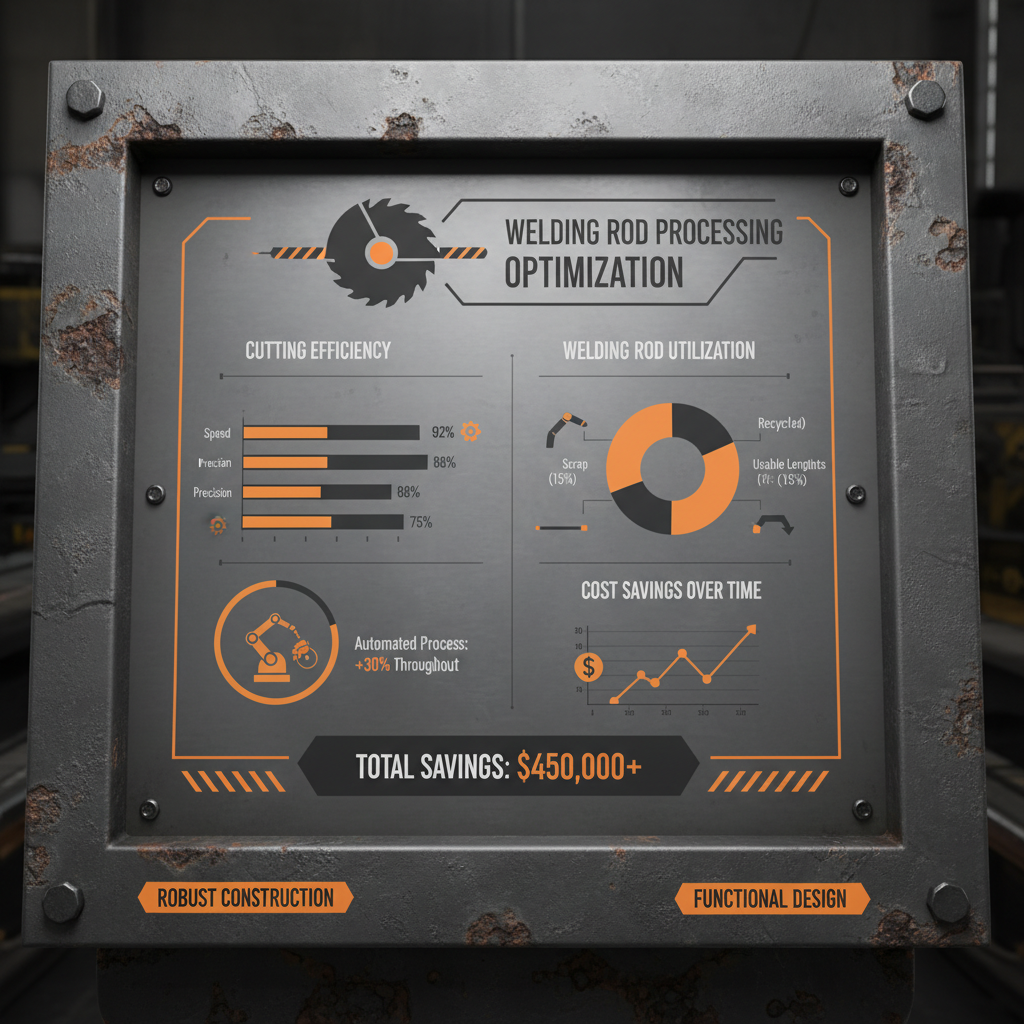
The future of cutting welding rods is intertwined with advancements in materials science and automation. Developments in flux coatings focus on reducing fume emissions and enhancing weld metal properties. The integration of robotics and artificial intelligence in welding processes promises increased precision, efficiency, and consistency.
The drive towards sustainability encourages the development of eco-friendly welding rods and processes with lower environmental impacts. Digital transformation will also play a key role, with real-time monitoring and data analysis optimizing welding parameters and improving quality control.
Challenges and Solutions
Despite significant progress, challenges remain in maximizing the potential of cutting welding rods. Common issues include porosity, cracking, and incomplete fusion, often stemming from improper rod selection, inadequate surface preparation, or incorrect welding parameters.
Solutions involve adopting advanced welding techniques, implementing rigorous quality control procedures, and providing comprehensive training to welders. Investing in research and development to create more robust and versatile rods can also mitigate these challenges.
Addressing the skill gap through specialized training programs is essential to ensure the consistent production of high-quality welds, contributing to long-term reliability and safety.
Summary of Challenges and Potential Solutions for Cutting Welding Rods
| Challenge |
Impact |
Proposed Solution |
Implementation Cost (1-10) |
| Porosity in Welds |
Reduced Weld Strength |
Improved Surface Cleaning & Gas Shielding |
3 |
| Cracking in Weld Metal |
Structural Failure Risk |
Optimized Welding Parameters & Preheat |
6 |
| Incomplete Fusion |
Weakened Joint |
Increased Welding Current & Proper Joint Design |
4 |
| Spatter & Fume Emissions |
Workplace Hazards |
Low-Spatter Rods & Ventilation Systems |
5 |
| Welder Skill Gap |
Inconsistent Weld Quality |
Comprehensive Training Programs |
7 |
| Rod Storage & Handling |
Moisture Absorption & Coating Degradation |
Proper Storage Containers & Baking Procedures |
2 |
FAQS
For stainless steel, electrodes with low-carbon steel core and a rutile or basic flux coating are typically recommended. These rods provide good corrosion resistance and weldability. Specifically, E308L-16 or E309L-16 are popular choices, offering excellent performance for various stainless steel grades. Proper cleaning and shielding gas are also essential for achieving high-quality welds. Selecting the right rod minimizes corrosion and maintains structural integrity.
Porosity often results from contaminants like moisture, rust, or oil on the base metal or electrode. Thoroughly cleaning the surfaces before welding is crucial. Ensure the cutting welding rods are stored in a dry environment, ideally in a rod oven to remove any absorbed moisture. Maintaining a proper arc length and welding current also helps prevent gas entrapment, reducing porosity and enhancing weld strength. Proper technique is vital.
The numbering system for cutting welding rods, like E7018, follows a standardized code. “E” denotes an electrode for arc welding. “70” indicates the tensile strength in thousands of pounds per square inch (psi). The last two digits, “18”, specify the welding position and polarity. “1” represents all positions, and “8” signifies DC electrode positive polarity. Understanding this system helps select the appropriate rod for specific applications and ensures optimal weld performance.
Proper storage is critical for maintaining the quality of cutting welding rods. They should be stored in a dry, sealed container to prevent moisture absorption, which can lead to hydrogen embrittlement and porosity. If the rods have been exposed to humidity, baking them at a specific temperature (as recommended by the manufacturer) can remove the moisture. Avoiding extreme temperature fluctuations is also essential.
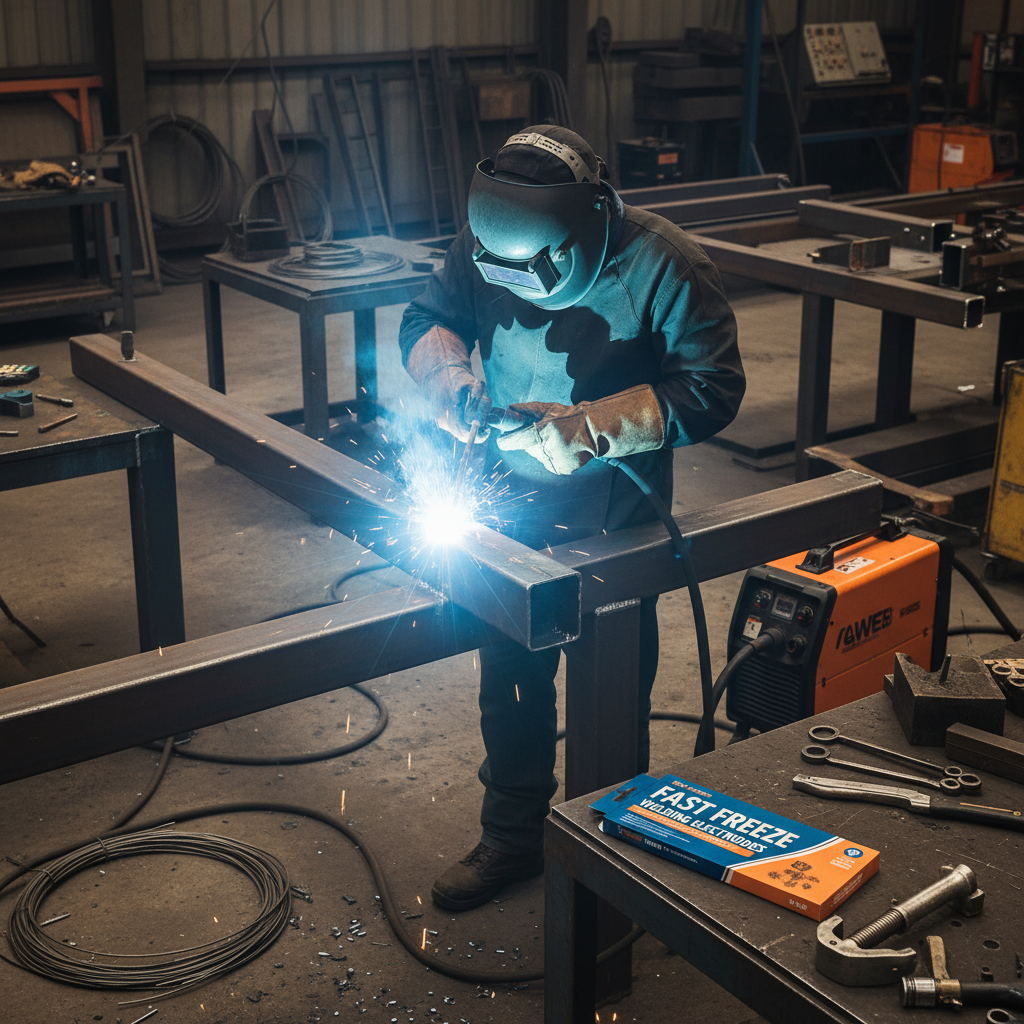
Welding with cutting welding rods requires several safety precautions. Always wear a welding helmet with the appropriate shade lens to protect your eyes from arc radiation. Wear fire-resistant clothing, gloves, and boots to prevent burns. Ensure adequate ventilation to avoid inhaling welding fumes, and use a respirator if necessary. Be aware of fire hazards and have a fire extinguisher nearby. Prioritize safety at all times.
The flux coating plays a vital role in the welding process. It shields the weld pool from atmospheric contamination, stabilizes the arc, deoxidizes the weld metal, and adds alloying elements. Different flux types offer varying arc characteristics, slag removal properties, and weld metal characteristics. Selecting the correct flux coating is crucial for achieving the desired weld quality, mechanical properties, and corrosion resistance. It directly influences the final weld's integrity and performance.
Conclusion
In conclusion, cutting welding rods are foundational to modern manufacturing, construction, and infrastructure maintenance. Their diverse applications, coupled with ongoing innovations in materials and welding techniques, make them indispensable in a wide range of industries. Understanding the key factors influencing rod performance – composition, flux coating, welding parameters, and proper technique – is essential for achieving high-quality, reliable welds.
Looking ahead, continued investment in research and development, coupled with a commitment to sustainability and safety, will drive further advancements in cutting welding rod technology. By embracing these innovations and fostering a skilled workforce, we can unlock the full potential of welding to build a stronger, more resilient, and sustainable future. Visit our website at www.jinlongweldingelectrode.com to learn more about our cutting welding rod products and solutions.