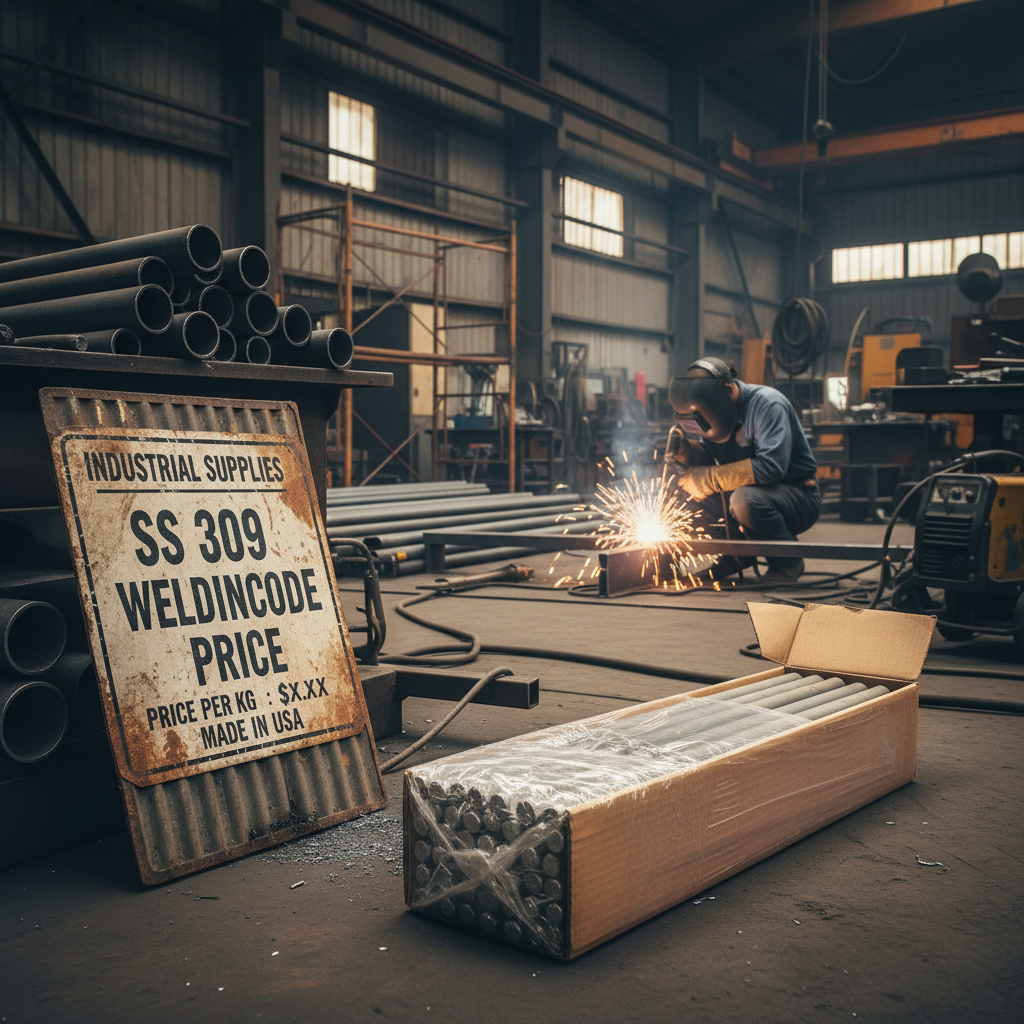
Basic welding rods are fundamental to modern infrastructure and repair, serving as the foundational link in joining metal components across a vast spectrum of industries. Globally, the demand for these rods is driven by ongoing construction, manufacturing, and maintenance needs, encompassing everything from towering skyscrapers to essential pipeline networks. Understanding the nuances of basic welding rods is critical for ensuring structural integrity, safety, and cost-effectiveness in countless applications.
The significance of basic welding rods extends beyond economic considerations, playing a vital role in disaster relief, emergency repairs, and humanitarian aid efforts. In regions lacking sophisticated welding technologies, these rods offer a readily accessible and relatively simple method for critical repairs and construction. Statistics from organizations like the United Nations demonstrate a consistently high demand for welding-related materials in post-conflict zones and areas affected by natural disasters.
The ability to effectively utilize basic welding rods empowers communities and individuals to address immediate needs, rebuild infrastructure, and foster long-term resilience. Their versatility, affordability, and relative ease of use make them an indispensable tool in a world constantly grappling with construction, maintenance, and unforeseen emergencies.
The Fundamental Role of basic welding rods
At their core, basic welding rods serve as the consumable electrode in shielded metal arc welding (SMAW), commonly known as stick welding. They are composed of a metal wire coated in a flux, which protects the weld pool from atmospheric contamination during the welding process. This ensures a strong, reliable bond between metal pieces. basic welding rods are distinguished by their simplicity and versatility, making them suitable for a wide range of materials and applications.
The selection of the appropriate welding rod is paramount, as different compositions are designed for specific metals and desired weld properties. Factors such as tensile strength, ductility, and corrosion resistance are all influenced by the rod's chemical makeup and flux coating. Correct rod selection maximizes the quality and longevity of the weld.
Global Relevance and Industry Context
The global welding industry is a multi-billion dollar market, with basic welding rods representing a significant portion of its consumable materials. According to the World Bank, infrastructure development is a key driver of economic growth in developing nations, and welding is an essential component of these projects. Demand is particularly strong in emerging economies undergoing rapid industrialization and urbanization.
Furthermore, the maintenance and repair of existing infrastructure worldwide contribute significantly to the ongoing demand for welding supplies. Industries like oil and gas, shipbuilding, automotive, and aerospace all rely heavily on welding for routine maintenance and critical repairs. ISO standards for welding quality further drive the need for reliable and consistent welding materials, including basic welding rods.
Challenges remain, however, including skilled labor shortages and the increasing complexity of modern welding applications. Addressing these issues through training programs and technological advancements is crucial to meeting the evolving demands of the global market.
Defining basic welding rods: A Core Component of Modern Fabrication
Simply put, basic welding rods are metal sticks covered in a protective flux. When an electric current is passed through the rod, it creates an arc that melts both the rod and the base metal, fusing them together. The flux coating serves multiple purposes: it shields the weld pool from atmospheric gases (oxygen, nitrogen, and hydrogen) that can weaken the weld, it provides elements to refine the weld metal’s composition, and it forms a slag that protects the cooling weld.
This process is fundamentally important because it enables the creation of strong, permanent joints between metal pieces. In a world built on metallic structures, from bridges to automobiles, the reliable joining of metals is paramount. basic welding rods offer a comparatively low-cost and accessible method to achieve this, particularly in situations where more advanced welding techniques aren’t feasible.
Their connection to modern industry isn’t solely about fabrication; it's also about maintenance and repair. The ability to quickly and effectively repair damaged metal structures, often in challenging environments, makes basic welding rods an essential tool in countless applications, from emergency repairs following natural disasters to ongoing maintenance in manufacturing plants.
Key Characteristics of basic welding rods
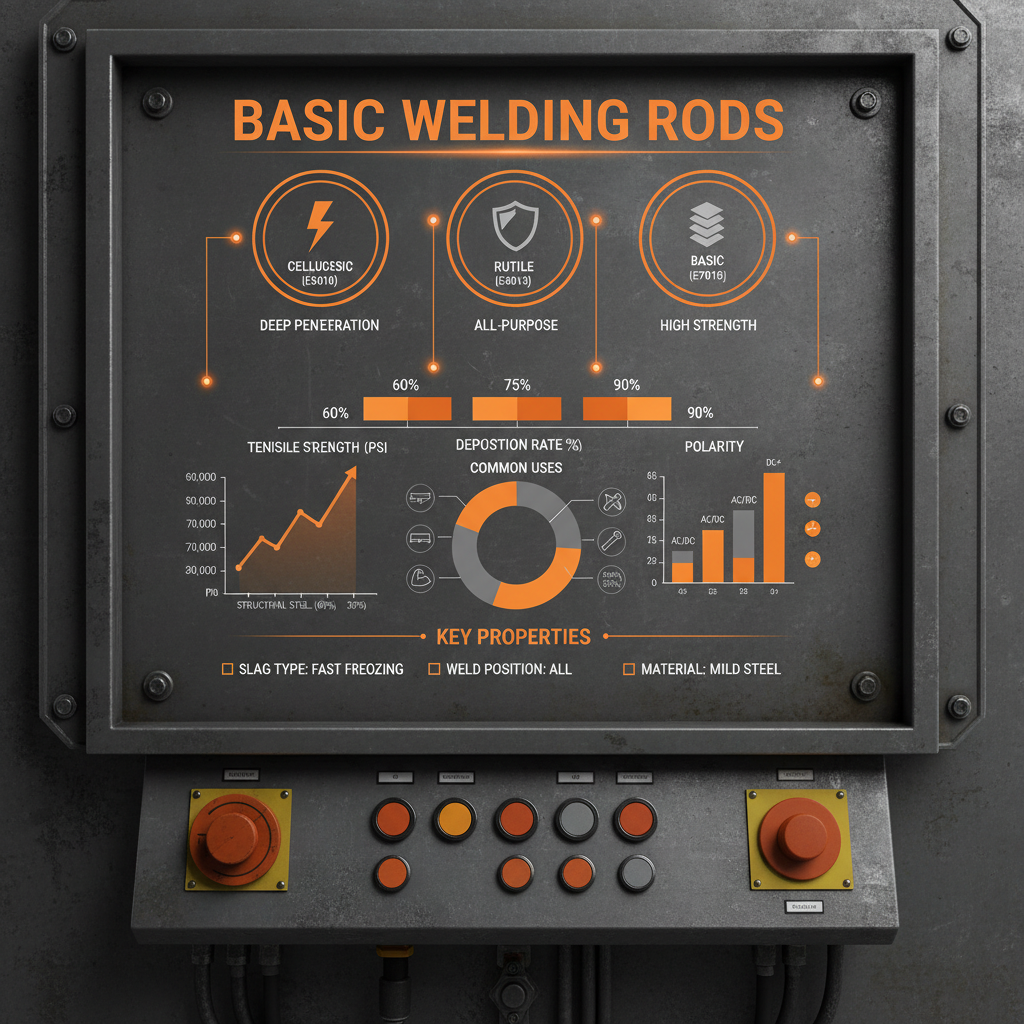
Several key characteristics define the performance and suitability of basic welding rods for different applications. Firstly, Tensile Strength is crucial, dictating the weld’s ability to withstand pulling forces. Rods with higher tensile strength are ideal for applications bearing significant loads. Secondly, Ductility refers to the weld’s ability to deform without fracturing, important for preventing catastrophic failure.
Another important factor is Corrosion Resistance. Certain rod compositions are designed to resist corrosion in specific environments, making them suitable for marine applications or chemical processing plants. Ease of Use is also a key characteristic – basic welding rods are relatively easy to learn and use, making them accessible to a wide range of welders. Finally, Weldability influences the smoothness and consistency of the weld, impacting its overall quality.
Comparison of basic welding rods Performance Metrics
Applications Across Diverse Sectors
The applications of basic welding rods are remarkably broad, spanning a multitude of industries. In construction, they are essential for building and repairing steel structures, bridges, and pipelines. The automotive industry relies on them for chassis repairs and manufacturing. basic welding rods are critical in shipbuilding for hull construction and repair.
In remote industrial zones, where access to advanced welding technologies is limited, they provide a cost-effective and reliable solution for maintenance and fabrication. Similarly, in post-disaster relief operations, they enable rapid repairs to infrastructure and equipment.
Advantages and Long-Term Value Proposition
The advantages of utilizing basic welding rods are numerous and extend beyond their immediate functionality. Cost-effectiveness is a major benefit, as they are significantly cheaper than many other welding methods and equipment. This affordability makes them accessible to small businesses and individuals. Furthermore, their simplicity requires minimal training, reducing labor costs and accelerating project completion.
From a sustainability perspective, basic welding rods contribute to extending the lifespan of existing infrastructure, reducing the need for resource-intensive replacements. The reliability of welded joints enhances safety and reduces the risk of structural failures. This fosters trust and confidence in the integrity of the built environment.
Future Trends and Emerging Innovations
While basic welding rods have a long and established history, innovation continues to refine their performance and expand their applications. The development of new flux coatings with enhanced properties, such as improved weld metal toughness and corrosion resistance, is an ongoing area of research. Integration with digital technologies, such as automated welding systems, is also gaining traction.
The increasing emphasis on sustainability is driving demand for environmentally friendly welding materials and processes. Research into reducing the environmental impact of flux coatings and minimizing waste is becoming increasingly important. Furthermore, the growing adoption of robotics and automation in welding is likely to influence the future of rod design and application.
The rise of green energy projects, such as wind turbine construction and solar panel installation, is creating new opportunities for welding technologies, including advancements in basic welding rod compositions for specific alloy welding.
FAQS
The optimal amperage for welding 1/8 inch steel with basic welding rods typically falls between 70 and 90 amps, depending on the specific rod type (e.g., E6010, E7018) and the welding technique employed. It's crucial to consult the rod manufacturer’s recommendations and perform test welds to fine-tune the setting for the best results. A lower amperage may result in insufficient penetration, while a higher amperage can lead to burn-through.
Porosity, those unwanted holes in a weld, can arise from several sources. Ensuring the base metal is clean and free of rust, oil, or other contaminants is paramount. Proper shielding gas coverage, achieved by maintaining a correct arc length and travel speed, is essential. Using dry rods and avoiding drafts that can disrupt the shielding gas also helps. If porosity persists, check for moisture in the flux coating and consider preheating the base metal.
E6010 and E7018 are two popular types of basic welding rods with distinct characteristics. E6010 rods offer deep penetration, making them ideal for dirty or rusty metal, but they produce a rougher weld bead. E7018 rods provide a smoother, higher-quality weld with excellent ductility, but require cleaner metal and lower welding currents. E7018 is generally preferred for structural welding where appearance and strength are critical.
No, standard basic welding rods are generally not suitable for welding aluminum. Aluminum requires specialized welding processes like TIG (GTAW) or MIG (GMAW) welding with aluminum-specific electrodes and shielding gases. The oxide layer on aluminum is particularly challenging to penetrate, requiring higher heat input and specialized techniques that basic welding rods cannot provide. Attempting to weld aluminum with steel rods will result in a brittle and unreliable joint.
Welding presents several hazards. Always wear a welding helmet with a proper shade lens to protect your eyes from the intense arc light. Wear appropriate protective clothing, including gloves, a jacket, and boots, to shield your skin from burns and UV radiation. Ensure adequate ventilation to avoid inhaling welding fumes. Work in a dry environment to prevent electrical shock. And always follow established welding safety procedures.
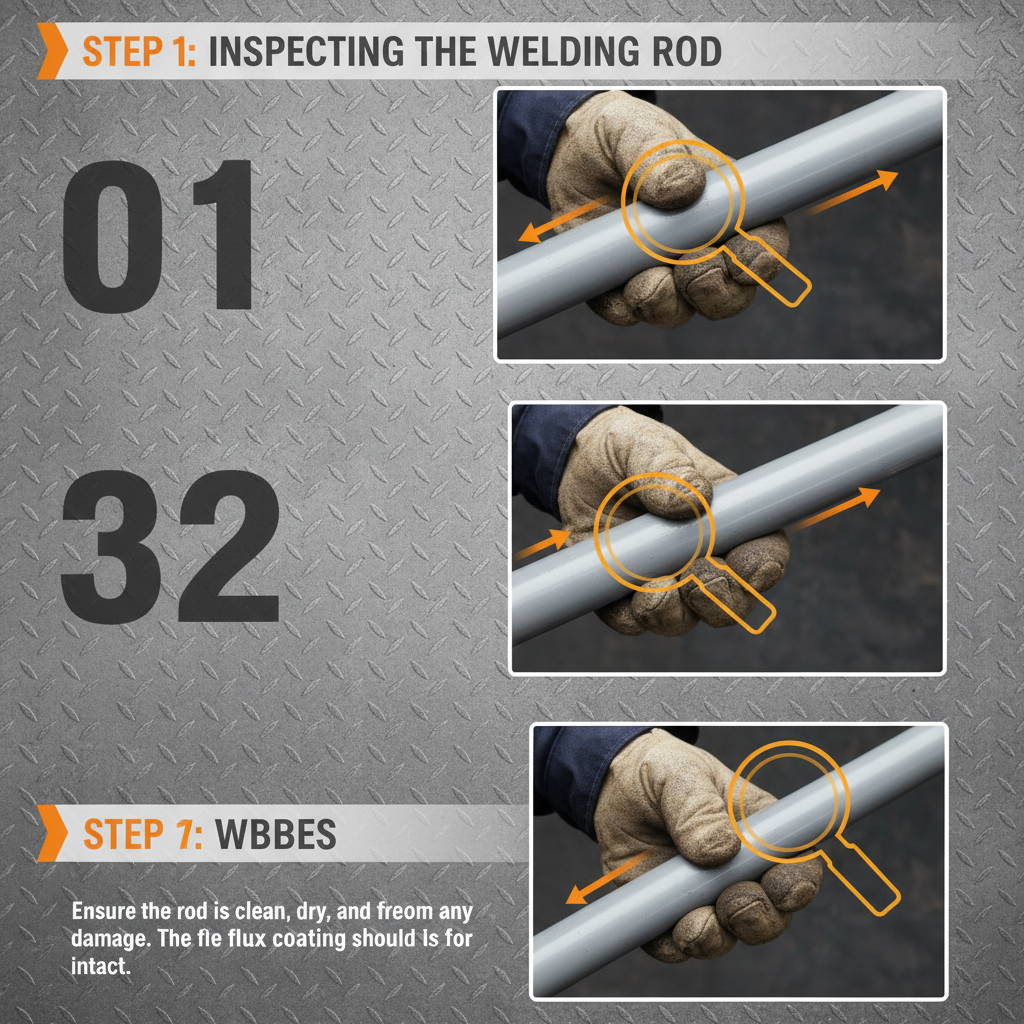
Proper storage is crucial for maintaining the quality of basic welding rods. Store them in a dry, sealed container to protect them from moisture and humidity. Avoid storing them in direct sunlight or near heat sources, as this can degrade the flux coating. Regularly inspect the rods for signs of rust or damage. If the flux coating is compromised, the rods should not be used.
Conclusion
In conclusion, basic welding rods remain an indispensable component of countless industries worldwide. Their affordability, versatility, and relative ease of use make them a foundational tool for construction, maintenance, repair, and emergency response. Understanding the nuances of rod selection, proper technique, and safety precautions is vital for achieving strong, reliable, and long-lasting welds.
Looking ahead, continued innovation in flux coatings, coupled with the integration of digital technologies, will further enhance the performance and applications of basic welding rods. Embracing sustainable practices and addressing skilled labor shortages are crucial to ensuring the long-term viability of this essential welding process. For high-quality basic welding rods and expert guidance, visit our website today.