

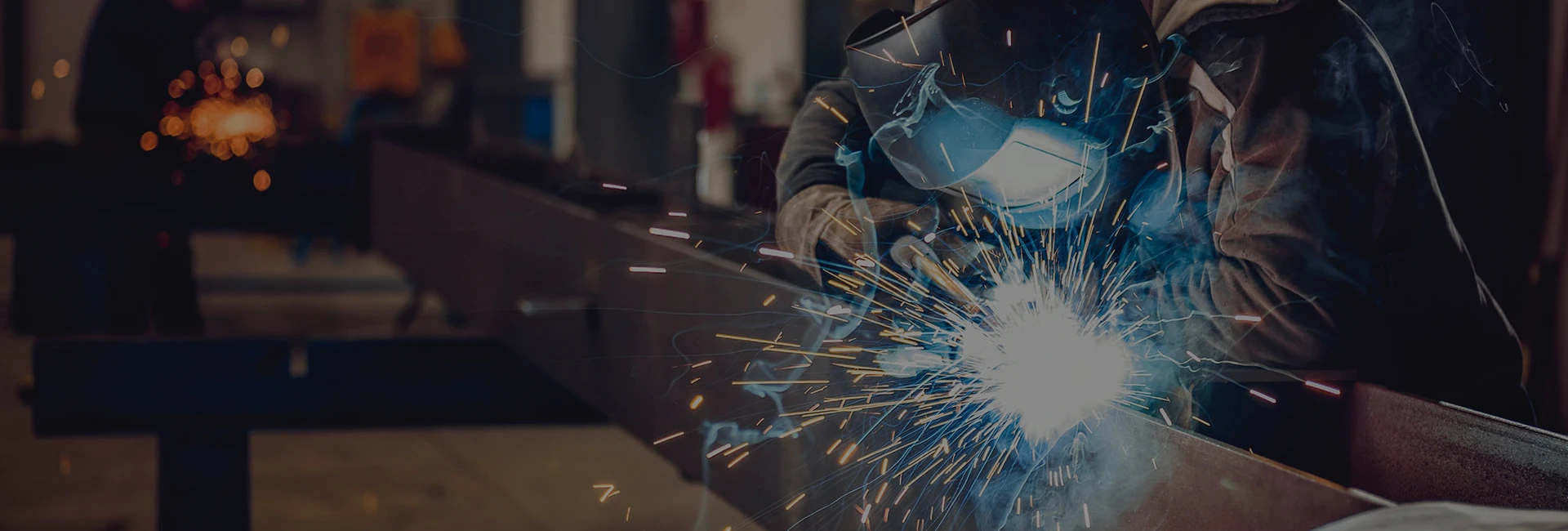
Comprehensive Guide to 7018 1 H4R Welding Rod – Specs, Applications & Benefits

Comprehensive Guide to 7018 1 H4R Welding Rod – Specs, Applications & Benefits
Dec . 02, 2025 09:50
Understanding the 7018 1 H4R Welding Rod: A Global Perspective
Globally, the 7018 1 h4r welding rod stands as a cornerstone in structural welding for both industrial and humanitarian applications. This particular welding rod is famed for its reproducible strength and dependability — essential when safety and longevity hang in the balance, whether in skyscraper frameworks or emergency shelters. Given the growing demand for resilient infrastructure amidst climate challenges and rapid urbanization, grasping what makes this rod tick is more than technical curiosity; it’s a matter of global progress and safety.
Introduction: Why 7018 1 H4R Welding Rod Matters Globally
The global steel welding market is expected to surpass USD 4 billion by 2025, according to industry analyses from ISO and the World Bank. Oddly enough, many don’t realize how the choice of welding electrode shapes the durability and safety of critical structures worldwide. Governments, construction firms, and even humanitarian organizations rely on the 7018 1 h4r welding rod to address challenges such as seismic resistance, corrosion issues, and rapid repair work after disasters. In real terms, it ensures that steel joints hold tight, even under stress.
Data from the World Bank indicates that infrastructure reliability is fundamental to sustainable development, positioning welding quality as a hidden but pivotal ingredient.
What is the 7018 1 H4R Welding Rod?
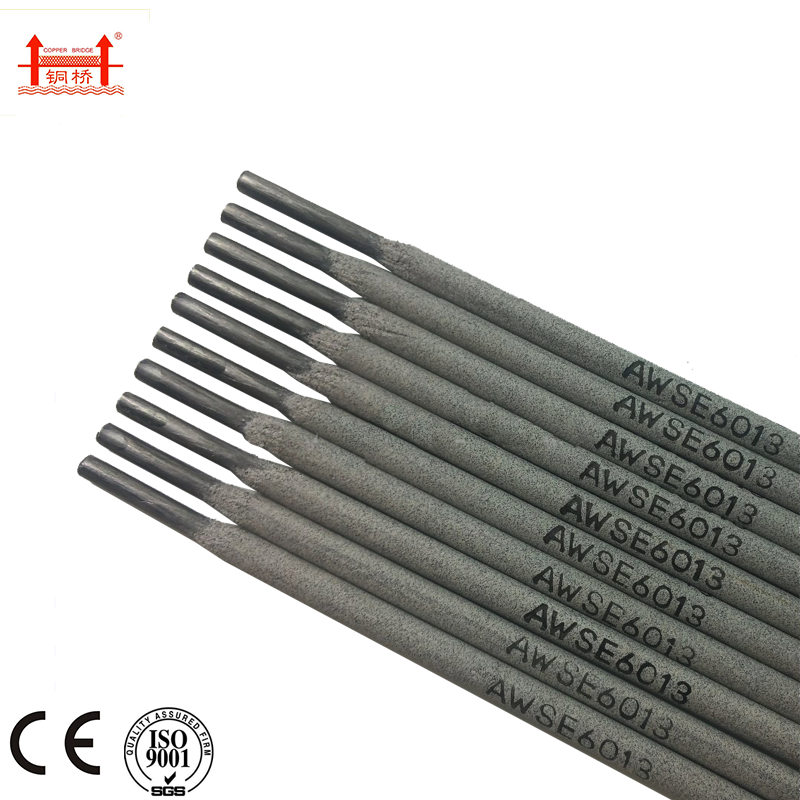
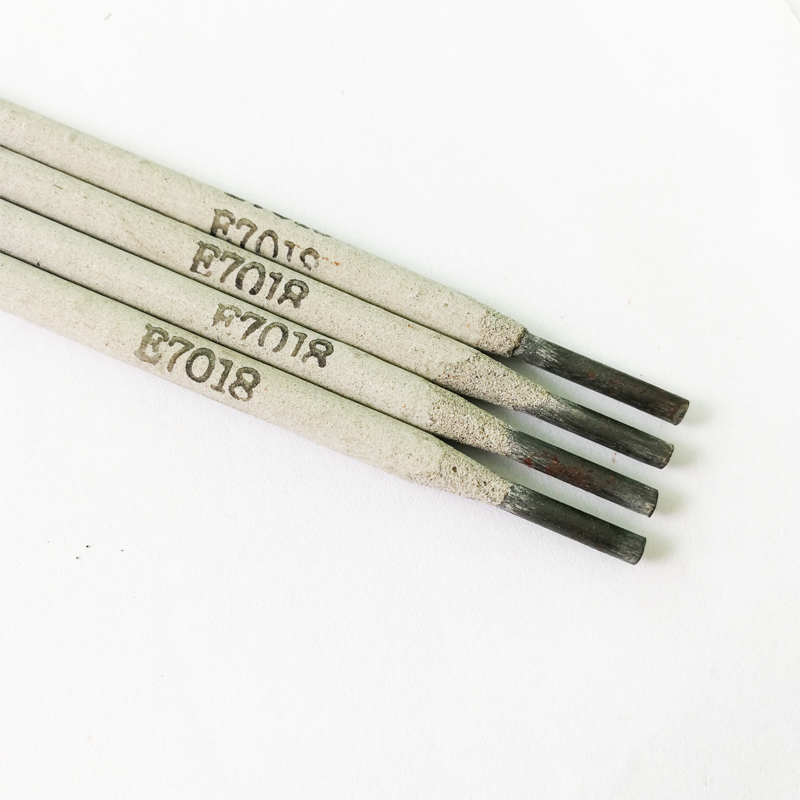
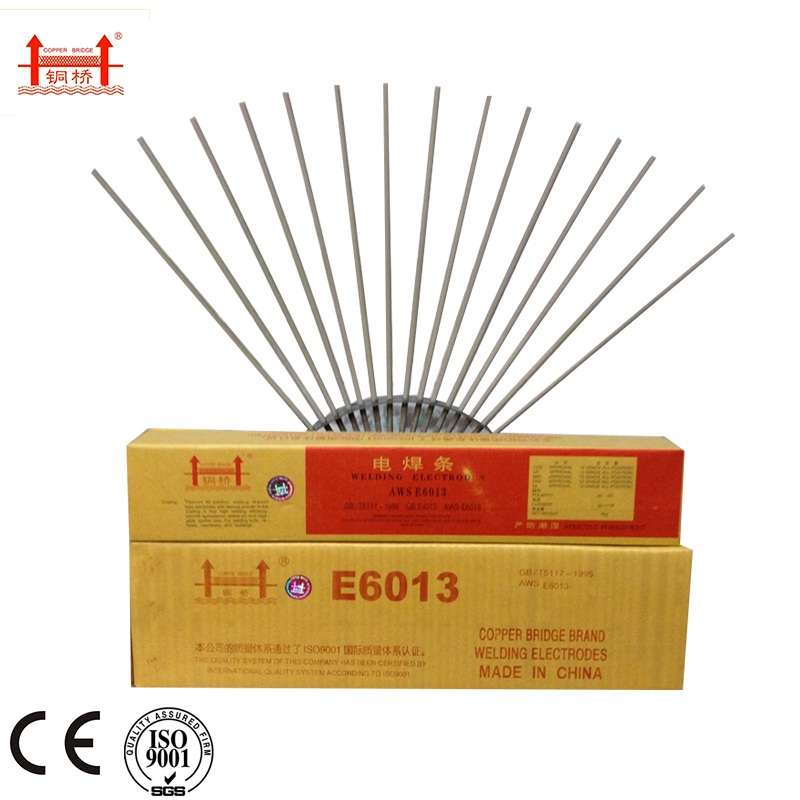
Simply put, the 7018 1 h4r welding rod is a low-hydrogen, iron powder-coated welding electrode, designed primarily for use on high-strength, low-alloy structural steels. “7018” specifies its tensile strength rating (70,000 psi) and usability in all positions, while “1” denotes its all-position usability — a boon for complex welds. The “H4R” classification refers to its hydrogen content and moisture resistance, making it dependable in challenging environments.
This electrode aligns well with modern industry needs, including infrastructure, shipbuilding, and pipeline construction. Its reliability is a boon not only to engineers but to communities counting on long-lasting, safe structures — sometimes in extreme or remote locations.
Core Aspects of the 7018 1 H4R Welding Rod
1. Durability and Strength
The 7018 1 h4r welding rod delivers welds with excellent tensile strength – around 70,000 psi – critical for bearing heavy loads and resisting mechanical fatigue. In bridge construction, for example, this durability translates to fewer repairs and longer service life.
2. Moisture Resistance
Hydrogen, when trapped in weld metal, can cause cracking. The “H4R” rating signifies a low-hydrogen coating plus extra moisture resistance, decreasing the risk of weld defects caused by moisture absorption — a frequent headache in humid or rainy climates.
3. Versatility in Welding Positions
True to the “1” designation, these rods perform reliably in all welding positions — flat, vertical, overhead, or horizontal — which is a practical advantage on construction sites and field repairs.
4. Ease of Use and Consistency
Many welders praise the 7018 1 h4r rods for their smooth arc and consistent bead appearance, which reduces rework time and makes the welding process more predictable.
Quick Takeaway:
- High tensile strength ensures structural safety.
- Low hydrogen and moisture resistance mitigate cracking.
- All-position usability provides field flexibility.
Product Specification Table
| Specification | Value |
|---|---|
| Tensile Strength | ≥ 70,000 psi |
| Hydrogen Content | ≤ 4 ml/100 g weld metal |
| Welding Positions | All positions (1) |
| Arc Stability | Smooth, crack-free |
| Typical Coating | Iron powder, low-hydrogen |
Global Applications & Real-World Use Cases
From the skyscrapers of New York to the oil pipelines in the Middle East, the 7018 1 h4r welding rod is everywhere. Industrial sectors such as shipbuilding in South Korea, automotive manufacturing in Germany, and even large-scale energy projects in Africa depend on it.
- Post-disaster relief operations: In places hit by earthquakes or hurricanes, rapid but reliable welding repairs save critical infrastructure from collapse.
- Remote industrial zones: Rugged environments in mining or oil extraction globally require rods that resist moisture for safe onsite customizations.
- Pipeline and bridge construction: These projects demand high-strength welds that can withstand environmental stress and time.
Vendor Comparison for 7018 1 H4R Welding Rods
| Vendor | Price (USD per kg) | Coating Quality | Hydrogen Level | Availability |
|---|---|---|---|---|
| Jinlong Welding | $12.50 | High | ≤ 4 ml/100 g | Global |
| SteelPro Electrodes | $13.20 | Moderate | ≈ 5 ml/100 g | Regional |
| Global Weld Co. | $11.80 | High | ≤ 4 ml/100 g | Limited |
Advantages & Long-Term Value of 7018 1 H4R Welding Rod
Choosing the right welding rod isn’t just a technical decision; it’s about safety, economic value, and trust. The durability of 7018 1 h4r rods leads to fewer structural failures and less frequent maintenance, which directly translates to cost savings. The low hydrogen content protects against weld cracks, making the finished structure safer and more secure — a relief to operators and end users alike.
There’s also an emotional element here: thinking of families living under buildings constructed with these rods, or emergency responders counting on durable repairs — the rod’s reliability feels like a silent partner in their day-to-day safety and dignity.
Looking Ahead: Future Trends & Innovations
Looking forward, the welding industry’s buzzing with innovations tied to the 7018 1 h4r welding rod and its ilk. Emerging trends include:
- Green manufacturing: Lower-emission production methods and biodegradable coatings.
- Smart welding systems: Integration with AI to monitor arc stability and predict weld quality.
- Automation: Robotics applying these rods to increase precision in harsh environments.
While the rod’s fundamentals remain solid, these advances may soon redefine how welders use them on global infrastructure.
Challenges & Expert Solutions
Of course, the 7018 1 h4r welding rod isn’t a silver bullet. Moisture sensitivity means proper storage and handling are essential. Moisture absorption ruins low-hydrogen rods, so sealed packaging and on-site drying cabinets are recommended. Oddly enough, some welders underestimate this, leading to weld failures.
Expert welders recommend preheating thicker sections and post-weld heat treatments to reduce residual stress. Training programs also emphasize reading welding codes carefully to use rods correctly for specific metals and structures — a subtle but crucial point.
Frequently Asked Questions About 7018 1 H4R Welding Rod
- Q: What makes 7018 1 h4r welding rods better for structural steel than other rods?
- A: Their low hydrogen content reduces cracking risk, while their consistent strength (≥70,000 psi) and all-position usability make them ideal for structural steel needing durable, high-integrity welds.
- Q: How should 7018 1 h4r rods be stored to avoid moisture damage?
- Store in dry, temperature-controlled environments. Use rod ovens or sealed containers to prevent moisture absorption, which can lead to weld defects.
- Q: Can this welding rod be used for underwater or marine projects?
- While 7018 1 h4r rods offer moisture resistance, specialized underwater welding rods are preferred for submerged welding due to unique environmental challenges.
- Q: How do I import these rods for industrial use internationally?
- Vendors like Jinlong Welding provide global shipping with certifications. Ensure you comply with local import regulations and request certificates of conformity.
Conclusion: Trust and Strength with 7018 1 H4R Welding Rod
The long-term benefits of the 7018 1 h4r welding rod are clear: it’s a trusted, enduring choice for anyone seeking reliable, high-quality welds under varied and often demanding conditions. Whether it’s towering skyscrapers, vital pipelines, or emergency repairs, this welding rod quietly ensures safety and strength — you just don’t want to skimp on quality here.
If you’re sourcing quality welding electrodes, do visit our website for the 7018 1 h4r welding rod and explore detailed specs and buying options. Your next project depends on it, after all.
Sometimes, the smallest components — like a welding rod — hold the biggest responsibility for building a safer and more sustainable world.

Related Video

Related News

2026-04-16 02:35:10
Precision Guide for e312 16 welding rod and Dissimilar Steel Welding
In the demanding world of industrial fabrication and repair, selecting the correct filler metal is the difference between a structural failure and a lifetime bond. The e312 16 welding rod is specifically engineered to meet the rigorous needs of welding dissimilar steels, offering an exceptional balance of strength and corrosion resistance. Whether you are working on high-pressure pipelines or heavy machinery components, understanding the nuances of this specialized electrode is key to achieving professional-grade results. This guide explores the technical advantages and practical applications of the E312 series to help you optimize your welding workflow.
2026-04-09 02:35:17
Choosing the Right cs to ss welding rod number Professional Guide
Joining carbon steel (CS) to stainless steel (SS) is a common challenge in industrial fabrication, requiring a precise understanding of metallurgy to avoid weld failure. The most critical decision in this process is identifying the correct cs to ss welding rod number to ensure a strong, corrosion-resistant bond. Using the wrong filler metal can lead to cracking or premature oxidation due to the different thermal expansion rates of the two materials. In this comprehensive guide, we will break down the technical specifications and selection criteria to help you achieve a professional-grade weld every time.
2026-04-07 02:25:29
Comprehensive Guide to 409 Welding Rod Selection and Optimal Usage
When it comes to welding applications requiring corrosion resistance and good weldability, the 409 welding rod is a frequently chosen option. This article provides a detailed overview of this versatile welding rod, exploring its composition, applications, benefits, and considerations for optimal use. Whether you’re a seasoned professional or new to welding, understanding the properties of 409 welding rod is crucial for achieving high-quality, durable welds. We’ll cover everything you need to know to make informed decisions for your welding projects.
2026-04-04 02:35:28
Comprehensive Guide to 330 Stainless Steel Welding Rod Applications and Techniques
330 stainless steel welding rods are a crucial component in various industries, offering exceptional corrosion resistance and high-temperature strength. This article provides an in-depth look at these rods, covering their properties, applications, choosing the right rod, welding techniques, safety precautions, and where to find high-quality options. Whether you're a seasoned welding professional or new to the field, this guide will offer valuable insights.
2026-03-31 02:35:08
Comprehensive Guide to 312 Stainless Tig Rod for Superior Welding Performance
When choosing the right filler metal for your TIG welding projects, especially in demanding applications, 312 stainless steel tig rod stands out for its exceptional corrosion resistance and high-temperature strength. This comprehensive guide will explore its composition, applications, benefits, and how it compares to other stainless steel rods. We'll also point you to resources for sourcing high-quality rods.
2026-03-28 02:45:04
Comprehensive Guide to 312 17 Welding Rod Applications and Technical Details
Welding rods are essential consumables in the welding process, and selecting the right one is crucial for achieving strong, durable, and high-quality welds. The 312 17 welding rod is a popular choice for many applications due to its unique properties and versatility. This article delves into the characteristics, applications, benefits, and considerations when using 312 17 welding rods, providing a comprehensive resource for welders and engineers alike. Choosing the right rod directly impacts the success and longevity of any welding project.
2026-03-26 02:35:10
Comprehensive Guide to the 312 16 Welding Rod for Superior Steel Welding
The 312 16 welding rod is a versatile and widely-used electrode in various welding applications. Known for its excellent weldability and strong mechanical properties, it's a go-to choice for professionals and hobbyists alike. This article delves into the specifics of this electrode, covering its composition, applications, advantages, and how to choose the right one for your projects. Understanding the nuances of the 312 16 welding rod is crucial for achieving high-quality, durable welds. The designation "312 16" provides key information about the welding rod. "312" refers to the type of flux coating, specifically a low-hydrogen, iron powder coating. This coating is designed to produce welds with excellent mechanical properties and good resistance to cracking. The "16" indicates the diameter of the rod in 32nds of an inch – so a 312 16 rod has a diameter of 16/32 or 1/2 inch. This combination makes it suitable for a wide range of steel welding applications. The low-hydrogen nature of the flux minimizes hydrogen-induced cracking, a common issue in welding certain steels.
2026-03-24 02:45:07
Comprehensive Guide to 309LSI TIG Rod Welding Applications and Best Practices
The 309LSI TIG rod is a versatile welding consumable widely used across various industries for its exceptional corrosion resistance and weldability. This article will explore the properties, applications, advantages, and best practices associated with using 309LSI TIG rods. Whether you're a seasoned welding professional or new to the field, this guide will provide you with valuable insights into maximizing the performance and longevity of your welds. The 309LSI TIG rod is a stainless steel electrode specifically designed for Gas Tungsten Arc Welding (GTAW), commonly known as TIG welding. The "309LSI" designation indicates the alloy composition: 309 signifies the chromium-nickel content, 'L' denotes low carbon content for enhanced corrosion resistance, and 'SI' signifies stabilized with silicon for improved resistance to carbide precipitation during welding.

 English
  Arabic
  Bengali
  China
China  French
  German
  Hausa
Hausa  Indonesian
  Italian
  Japanese
  Javanese
  Malay
Malay  Persian
  Portuguese
  Punjabi
  Russian
  Spanish
  Swahili
  Telugu
  Vietnamese