

What is 7018 1h4r? A Comprehensive Guide to This Essential Welding Electrode

What is 7018 1h4r? A Comprehensive Guide to This Essential Welding Electrode
Dec . 02, 2025 10:30
Understanding 7018 1h4r: A Backbone of Modern Welding Solutions
If you’ve ever peeked behind the scenes of steel construction, infrastructure projects, or heavy machinery maintenance, chances are you’ve come across the term 7018 1h4r. This phrase might appear a bit cryptic at first — but trust me, appreciating what it means and why it matters gives you insight into how the world literally holds itself together in so many subtle but vital ways.
In short: 7018 1h4r refers to a specific grade and classification of welding electrode, one that blends strength, flexibility, and reliability in steel joining tasks. Globally, sturdy welding practices underpin everything from bridges to pipelines — and mastering these materials and methods means safer structures, reduced failures, and better longevity for critical infrastructure. Quite simply, understanding 7018 1h4r isn't just technical jargon; it is a gateway to safer, more efficient industrial progress worldwide.
For those interested, detailed specs and procurement options can be viewed at 7018 1h4r.
Global Industry Context and the Need for Quality Welding Electrodes
Welding is practically the silent hero behind much of the modern world’s economy, from manufacturing to infrastructure. According to the World Steel Association, global steel production in 2023 reached nearly 1.9 billion metric tons — steel that won’t hold together without reliable welding processes. And herein lies the challenge: in contexts ranging from mega construction projects in Asia to small-scale repairs in sub-Saharan Africa, the demand for dependable, adaptable welding electrodes is ever-growing.
Global supply chains demand robust products that withstand diverse environmental pressures and safety standards, while also optimizing cost and ease of use. This is where 7018 1h4r electrodes fit the bill — they offer a resilient and ductile weld suitable for structurally critical jobs exposed to dynamic stress and weather extremes.
What Exactly is 7018 1h4r?
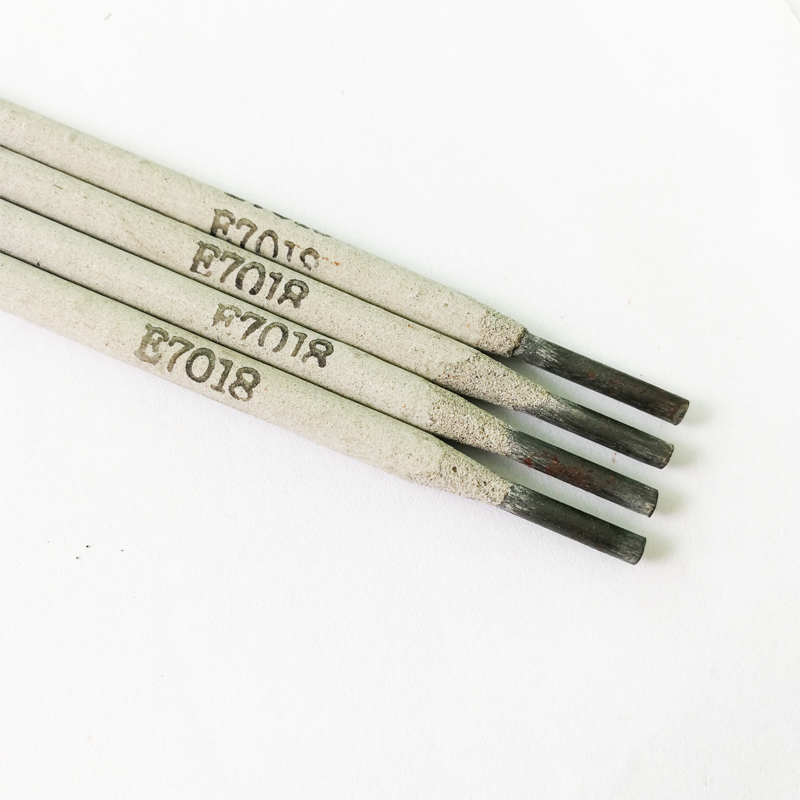
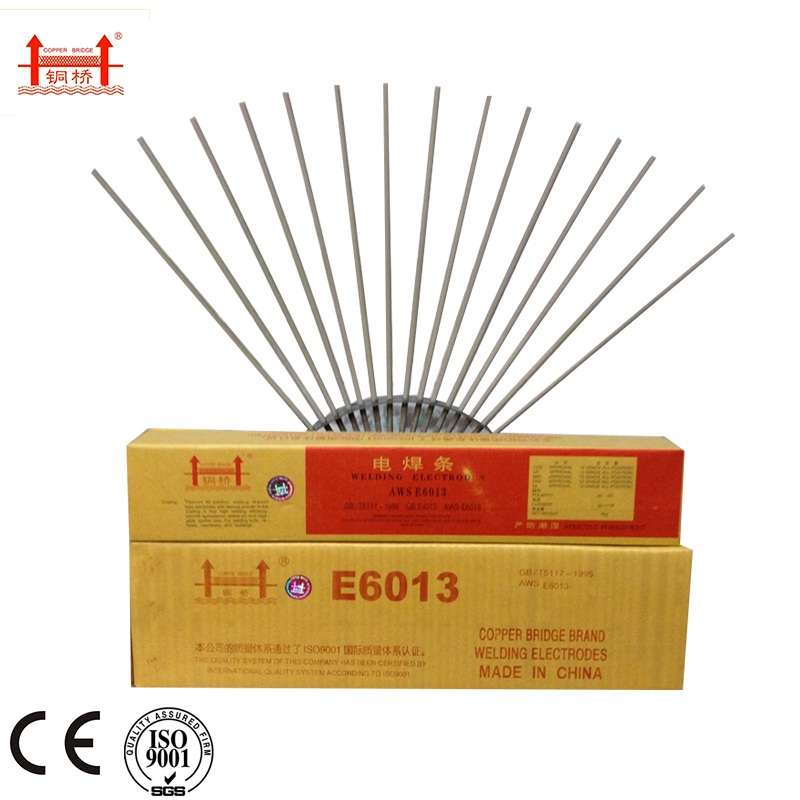
Put simply, 7018 1h4r refers to a low hydrogen, iron powder coated welding rod classified under the AWS (American Welding Society) system. Breaking it down:
- 70 indicates the minimum tensile strength of the weld deposit, in ksi (~70,000 psi).
- 18 means the rod has a low hydrogen potassium iron powder coating, reducing hydrogen-induced cracking risk.
- 1h4r is a newer classification denoting enhanced mechanical properties and specific usability criteria, including improved impact toughness and usability in harsher environments.
This combination results in a welding rod optimized for strong, ductile, and crack-resistant welds — widely suited for construction, pipeline, shipbuilding, and repair operations.
Core Attributes of 7018 1h4r Electrodes
1. Durability & Strength
The hallmark of 7018 1h4r rods lies in their tensile strength. They form welds that maintain integrity under severe loads — essential for bridges, pressure vessels, and critical machinery parts.
2. Low Hydrogen Content
Hydrogen embrittlement is a notorious problem causing weld cracking. Because 7018 1h4r electrodes have a low hydrogen coating, they mitigate this risk significantly. This means better longevity and higher structural safety.
3. Versatility in Various Positions
They can be used in multiple welding positions including vertical and overhead, making them incredibly practical on site — whether in cramped repair shops or large industrial yards.
4. Ease of Handling and Welding
Many welders appreciate the smooth arc and slag removal properties, which translate to efficient workflow and consistent weld quality.
5. Adaptability to Different Base Metals
While mostly used for mild and low-alloy steels, these rods are compatible with a range of carbon steels, broadening their practicality.
Product Specifications at a Glance
| Specification | Details |
|---|---|
| Tensile Strength | 70,000 psi (approx.) |
| Coating Type | Low hydrogen potassium iron powder |
| Usable Positions | Flat, Horizontal, Vertical, Overhead |
| Current Type | AC / DC+ |
| Typical Applications | Structural steel, pipelines, shipbuilding |
Global Applications & Real-World Use Cases
From the vast oil and gas pipelines cutting across Siberia to earthquake-resistant building frames in California, 7018 1h4r electrodes are everywhere. Their balance of strength and crack resistance suits seismic zones where structural resilience is paramount. Also, post-disaster relief teams depend on robust rebuilding materials, especially in areas where weld failures mean life or death.
Oddly enough, in remote industrial zones in Australia or parts of Africa, the trusted performance of 7018 1h4r electrodes enables repairs without waiting for specialized parts or harsh welding conditions. Shipbuilders, too, rely on these rods for their excellent impact resistance amidst salty, corrosive maritime environments.
Comparing 7018 1h4r Vendors: What to Look For
| Feature | Jinlong Welding | Competitor A | Competitor B |
|---|---|---|---|
| Low Hydrogen Content | Consistently | ~0.07% | Varies, up to 0.08% |
| Toughness at -20°C | 40 J | 35 J | 30 J |
| Price (per kg) | $12.50 | $13.00 | $11.50 |
| Packing Options | 5kg, 15kg boxes | 10kg only | Bulk bags |
Advantages & Long-Term Value of 7018 1h4r
The tangible benefits of this electrode go beyond just weld strength. For engineers, using 7018 1h4r rods means less downtime and lower repair costs, thanks to decreased weld defects. From a sustainability standpoint, fewer reworks reduce material waste and energy consumption. There’s also an emotional peace-of-mind factor: structures built with proven weld quality safeguard lives and maintain dignity for communities relying on safe buildings.
Future Trends and Innovations
Interestingly, the welding industry is evolving with smarter electrode formulations. Advances in iron powder blends and coatings are improving weld efficiency, while automation tools integrate sensors verifying weld quality in real-time. Sustainability is a clear direction, with greener production methods for welding consumables emerging. For 7018 1h4r specifically, expect incremental improvements in toughness at colder temperatures and broader compatibility with new steel alloys.
Challenges in Using 7018 1h4r and Solutions
One practical challenge is storage; the low hydrogen coatings require dry conditions to prevent moisture pickup and hydrogen-related cracking. However, with proper storage solutions, such as sealed packaging and dedicated drying ovens, this risk is manageable. Welders should also be trained to handle the rods correctly, ensuring optimal weld quality — which frankly is just good practice with all consumables.
Frequently Asked Questions About 7018 1h4r
- What makes 7018 1h4r better than regular 7018 electrodes?
- 7018 1h4r offers enhanced mechanical properties, including higher impact toughness and improved usability in colder climates or demanding environments. Simply put, it withstands more stress and is less prone to cracking under tough conditions.
- Can 7018 1h4r electrodes be used with both AC and DC welding machines?
- Yes, these electrodes are designed to perform well on both AC and DC+ (direct current electrode positive) machines, offering flexibility for different welding setups commonly found in the field.
- How should 7018 1h4r rods be stored to maintain effectiveness?
- They should be stored in dry, moisture-free conditions, typically in electrode ovens or sealed containers to keep hydrogen levels low and prevent cracking during welding.
- Are 7018 1h4r electrodes suitable for high-stress construction projects?
- Absolutely. Their high tensile strength and low hydrogen content make them ideal for critical structures such as bridges, pressure vessels, and heavy machinery.
Conclusion
To wrap up, the 7018 1h4r welding electrode stands as a robust solution for modern welding demands — a material cornerstone that quietly supports critical infrastructure worldwide. Its blend of durability, reliability, and adaptability offers lasting value that engineers and project managers prize. For those looking to procure or learn more about these electrodes, be sure to check out the offerings at 7018 1h4r — it might just be the missing piece for your next project.
One takeaway: in welding, not all rods are created equal — and 7018 1h4r consistently ranks among the trusted few.
1. World Steel Association – Steel Statistical Yearbook 2023
2. American Welding Society – Welding Terminology and Standards
3. ISO 2560 – Welding Consumables Standards

Related Video

Related News
2026-04-16 02:35:10
Precision Guide for e312 16 welding rod and Dissimilar Steel Welding
In the demanding world of industrial fabrication and repair, selecting the correct filler metal is the difference between a structural failure and a lifetime bond. The e312 16 welding rod is specifically engineered to meet the rigorous needs of welding dissimilar steels, offering an exceptional balance of strength and corrosion resistance. Whether you are working on high-pressure pipelines or heavy machinery components, understanding the nuances of this specialized electrode is key to achieving professional-grade results. This guide explores the technical advantages and practical applications of the E312 series to help you optimize your welding workflow.
2026-04-09 02:35:17
Choosing the Right cs to ss welding rod number Professional Guide
Joining carbon steel (CS) to stainless steel (SS) is a common challenge in industrial fabrication, requiring a precise understanding of metallurgy to avoid weld failure. The most critical decision in this process is identifying the correct cs to ss welding rod number to ensure a strong, corrosion-resistant bond. Using the wrong filler metal can lead to cracking or premature oxidation due to the different thermal expansion rates of the two materials. In this comprehensive guide, we will break down the technical specifications and selection criteria to help you achieve a professional-grade weld every time.
2026-04-07 02:25:29
Comprehensive Guide to 409 Welding Rod Selection and Optimal Usage
When it comes to welding applications requiring corrosion resistance and good weldability, the 409 welding rod is a frequently chosen option. This article provides a detailed overview of this versatile welding rod, exploring its composition, applications, benefits, and considerations for optimal use. Whether you’re a seasoned professional or new to welding, understanding the properties of 409 welding rod is crucial for achieving high-quality, durable welds. We’ll cover everything you need to know to make informed decisions for your welding projects.
2026-04-04 02:35:28
Comprehensive Guide to 330 Stainless Steel Welding Rod Applications and Techniques
330 stainless steel welding rods are a crucial component in various industries, offering exceptional corrosion resistance and high-temperature strength. This article provides an in-depth look at these rods, covering their properties, applications, choosing the right rod, welding techniques, safety precautions, and where to find high-quality options. Whether you're a seasoned welding professional or new to the field, this guide will offer valuable insights.
2026-03-31 02:35:08
Comprehensive Guide to 312 Stainless Tig Rod for Superior Welding Performance
When choosing the right filler metal for your TIG welding projects, especially in demanding applications, 312 stainless steel tig rod stands out for its exceptional corrosion resistance and high-temperature strength. This comprehensive guide will explore its composition, applications, benefits, and how it compares to other stainless steel rods. We'll also point you to resources for sourcing high-quality rods.
2026-03-28 02:45:04
Comprehensive Guide to 312 17 Welding Rod Applications and Technical Details
Welding rods are essential consumables in the welding process, and selecting the right one is crucial for achieving strong, durable, and high-quality welds. The 312 17 welding rod is a popular choice for many applications due to its unique properties and versatility. This article delves into the characteristics, applications, benefits, and considerations when using 312 17 welding rods, providing a comprehensive resource for welders and engineers alike. Choosing the right rod directly impacts the success and longevity of any welding project.
2026-03-26 02:35:10
Comprehensive Guide to the 312 16 Welding Rod for Superior Steel Welding
The 312 16 welding rod is a versatile and widely-used electrode in various welding applications. Known for its excellent weldability and strong mechanical properties, it's a go-to choice for professionals and hobbyists alike. This article delves into the specifics of this electrode, covering its composition, applications, advantages, and how to choose the right one for your projects. Understanding the nuances of the 312 16 welding rod is crucial for achieving high-quality, durable welds. The designation "312 16" provides key information about the welding rod. "312" refers to the type of flux coating, specifically a low-hydrogen, iron powder coating. This coating is designed to produce welds with excellent mechanical properties and good resistance to cracking. The "16" indicates the diameter of the rod in 32nds of an inch – so a 312 16 rod has a diameter of 16/32 or 1/2 inch. This combination makes it suitable for a wide range of steel welding applications. The low-hydrogen nature of the flux minimizes hydrogen-induced cracking, a common issue in welding certain steels.
2026-03-24 02:45:07
Comprehensive Guide to 309LSI TIG Rod Welding Applications and Best Practices
The 309LSI TIG rod is a versatile welding consumable widely used across various industries for its exceptional corrosion resistance and weldability. This article will explore the properties, applications, advantages, and best practices associated with using 309LSI TIG rods. Whether you're a seasoned welding professional or new to the field, this guide will provide you with valuable insights into maximizing the performance and longevity of your welds. The 309LSI TIG rod is a stainless steel electrode specifically designed for Gas Tungsten Arc Welding (GTAW), commonly known as TIG welding. The "309LSI" designation indicates the alloy composition: 309 signifies the chromium-nickel content, 'L' denotes low carbon content for enhanced corrosion resistance, and 'SI' signifies stabilized with silicon for improved resistance to carbide precipitation during welding.

 English
  Arabic
  Bengali
  China
China  French
  German
  Hausa
Hausa  Indonesian
  Italian
  Japanese
  Javanese
  Malay
Malay  Persian
  Portuguese
  Punjabi
  Russian
  Spanish
  Swahili
  Telugu
  Vietnamese