

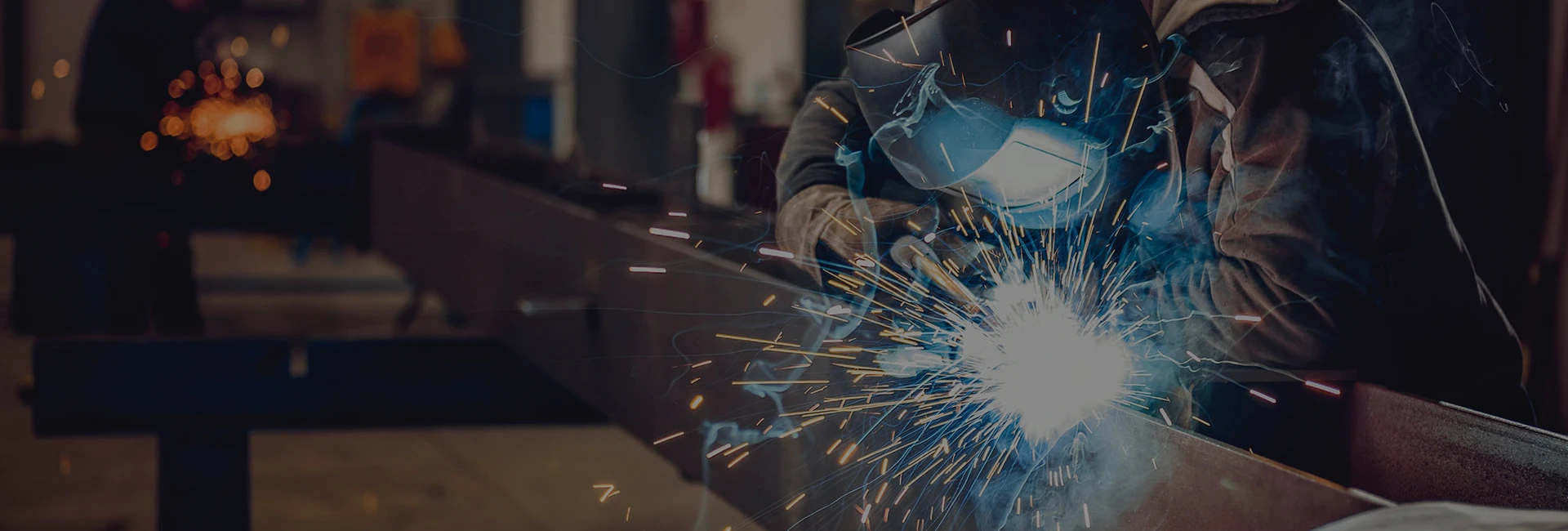
The 7018 1 Electrode Explained: Essential Guide for Welders and Engineers

The 7018 1 Electrode Explained: Essential Guide for Welders and Engineers
Dec . 02, 2025 09:15
Understanding the 7018 1 Electrode: A Cornerstone in Modern Welding Industries
So, what exactly is this 7018 1 electrode, and why does it keep popping up in conversations about welding efficiency and structural integrity? Frankly, the stakes are higher than you might guess. From high-rise construction in Asia to pipeline repairs in North America, this electrode plays a crucial role behind the scenes, ensuring welds last longer, resist corrosion, and provide the backbone to countless infrastructures.
Given the United Nations’ estimate that global infrastructure investment will hit around $94 trillion by 2040, having a welding component as reliable as the 7018 1 electrode is more than a convenience—it's a necessity. This article unpacks the electrode’s features, applications, and why understanding it truly matters worldwide.
Global Context: Why the 7018 1 Electrode Matters
Industries are booming across continents: manufacturing, construction, transportation. Welding remains the unsung hero in these fields, and the 7018 1 electrode is often the unsung champion within welding itself. According to the World Bank, infrastructural development growth rates average 3% annually in emerging economies, intensifying the demand for welding materials that offer durability and versatility.
But here’s the challenge—many traditional electrodes can falter under intense stress or exposure. That’s where the 7018 1 electrode steps in, offering a premium-grade solution. It’s not just about sticking two pieces of metal together; it’s about guaranteeing safety, longevity, and cost-efficiency when it counts.
What Is the 7018 1 Electrode?
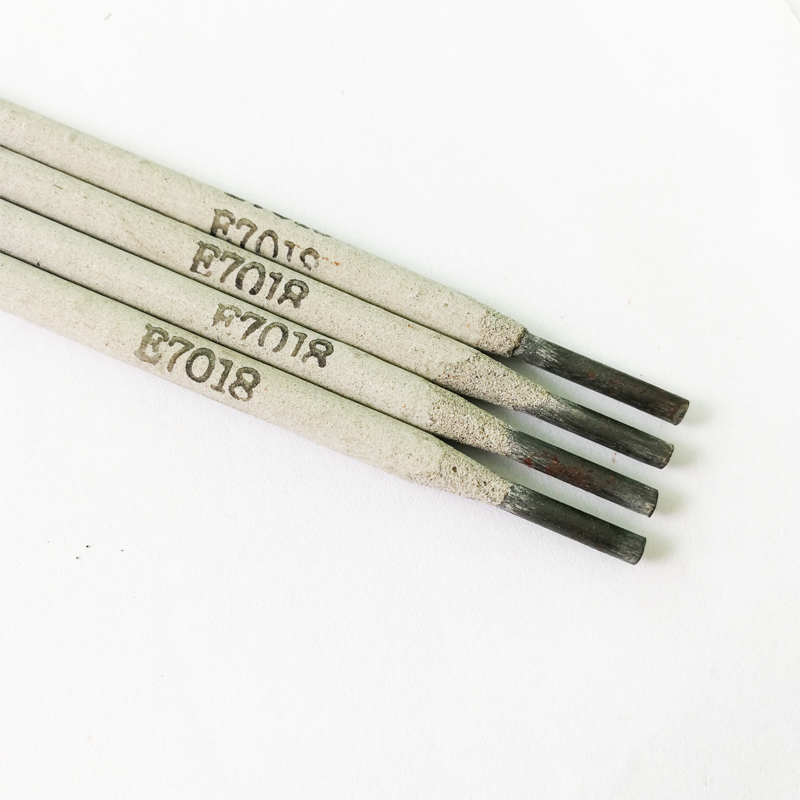
At its core, the 7018 1 electrode is a type of low-hydrogen welding rod known for producing high-strength welds with excellent crack resistance. The number “7018” is a code defined by the American Welding Society (AWS) that tells you about the tensile strength (70,000 psi), the welding position (all positions), and the low-hydrogen potassium iron powder coating, which is the key to its durability. The “1” denotes its suitability for all welding positions.
Its significance extends beyond industrial machinery—helping build bridges, ships, and pipelines that underpin communities and economies globally. For humanitarian needs, think: reliable repairs in disaster-stricken regions or maintaining critical infrastructure with minimal downtime.
Key Factors of the 7018 1 Electrode
1. Durability
The low-hydrogen coating reduces the risk of hydrogen-induced cracking, a pesky problem in welds exposed to cold or stress. That makes 7018 1 electrodes ideal where long-term strength is non-negotiable.
2. Versatility
These electrodes work well in all welding positions—from flat to overhead—making them a favorite among fabricators who want consistent results across varied projects.
3. Cost Efficiency
While slightly pricier upfront than some generic rods, their durability means fewer repairs down the line, lowering maintenance costs. That’s a small price to pay for peace of mind.
4. Safety & Quality Assurance
The welds produced meet stringent codes like AWS and ISO 2560, which matter when you’re constructing safety-critical structures.
5. Ease of Use
Many welders find the 7018 1 electrode easier to strike and maintain arcs with, though proper storage to avoid moisture absorption is essential to retain effectiveness.
Spec Table: 7018 1 Electrode at a Glance
| Parameter | Specification |
|---|---|
| AWS Classification | E7018-1 |
| Tensile Strength | 70,000 psi (approx. 485 MPa) |
| Position | All positions (flat, horizontal, vertical, overhead) |
| Coating Type | Low hydrogen potassium iron powder |
| Applications | Structural steel, pipelines, pressure vessels, bridges |
Global Applications & Use Cases
The 7018 1 electrode is everywhere—often quietly powering impressive feats of engineering:
- Construction: Steel framework for skyscrapers in Dubai or New York requires welds that won’t fail years down the line.
- Pipeline Industry: In Canada and Russia’s freezing climates, low-hydrogen welds reduce cracks, protecting infrastructure and environment.
- Shipbuilding: Maritime vessels face relentless corrosion—7018 1 electrodes provide that needed resilience.
- Disaster Response: Quick but secure repairs in post-earthquake zones demand electrodes that don’t compromise quality.
It’s remarkable how one alloy-coated rod can unify such diverse applications. Oddly enough, many welders mention it feels “like a reliable friend” in tough conditions.
Vendor Comparison: Top 7018 1 Electrode Providers
| Brand | Price (USD/kg) | Moisture Resistance | Arc Stability | Warranty |
|---|---|---|---|---|
| Jinlong | $5.50 | High (sealed packaging) | Excellent | 1 year |
| Lincoln Electric | $6.30 | Medium | Very Good | 1 year |
| ESAB | $5.80 | High | Excellent | 2 years |
Advantages & Long-Term Value
In real terms, opting for 7018 1 electrodes means investing in more than just metal rods. You get:
- Cost savings: Less frequent repairs, reduced downtime.
- Sustainability: Welds that last cut waste and resource use.
- Safety: Structural integrity that protects lives.
- Innovation: Alignment with modern fabrication techniques.
It’s a blend of peace of mind and the kind of trust you build when something always performs as expected.
Future Trends & Innovations
Looking ahead, the 7018 1 electrode is not standing still. There’s buzz around greener production processes — for example, reducing the energy intensity of the coating manufacture. Plus, integration with automated welding systems means robotic arms can maintain perfect arcs with these electrodes, boosting consistency and speed.
Digital tracking of electrode batches and moisture levels is another emerging trend, helping welders monitor quality remotely. All in all, welding tech (and these rods) will continue evolving to meet demand for sustainability without compromising performance.
Challenges & Solutions
No product is perfect. The main challenge with 7018 1 electrodes is their sensitivity to moisture — once damp, weld quality deteriorates. The solution usually involves careful storage (sealed containers, baking ovens) and monitoring humidity. Some vendors like Jinlong offer special packaging to cut this risk significantly.
Another issue can be the learning curve for less experienced welders. But with proper training and guidance, those hurdles fade fast.
FAQ: Frequently Asked Questions About 7018 1 Electrode
- Q: How should I store 7018 1 electrodes to maintain quality?
A: Store them in dry, sealed containers and consider baking the rods before use if they’ve been exposed to moisture for more than a few hours. Proper storage maintains low hydrogen content and prevents cracking issues. - Q: Can 7018 1 electrodes be used on all types of steel?
A: They’re primarily used with carbon and low-alloy steels but may not be suitable for some high-alloy or stainless steels. Check manufacturer guidelines for specific steel types. - Q: What welding positions are suitable for the 7018 1 electrode?
A: The electrode is designed for all positions: flat, horizontal, vertical, and overhead, allowing great flexibility on the job site. - Q: How does the 7018 1 electrode compare to other low hydrogen rods?
A: It generally offers superior arc stability and moisture resistance than many older designs, making it a preferred choice globally for critical applications. - Q: Where can I buy reliable 7018 1 electrodes?
A: Trusted suppliers include Jinlong Welding Electrode, ESAB, and Lincoln Electric, each with quality assurances and support.
Conclusion: Why 7018 1 Electrode Is a Smart Choice
Ultimately, the 7018 1 electrode embodies more than just a tool—it’s a testament to welding’s vital role in global infrastructure and safety. Its durability, versatility, and cost benefits make it an indispensable choice for engineers, fabricators, and welders worldwide.
If you want a dependable welding solution that balances innovation and tradition, it’s worth considering the 7018 1 electrode. For the quality you need, visit https://www.jinlongweldingelectrode.com and explore their offerings.
Takeaway: Choosing the right electrode can feel like a small detail, but with 7018 1, that detail shapes the safety and longevity of structures that define our modern world.
References

Related Video

Related News
2026-04-16 02:35:10
Precision Guide for e312 16 welding rod and Dissimilar Steel Welding
In the demanding world of industrial fabrication and repair, selecting the correct filler metal is the difference between a structural failure and a lifetime bond. The e312 16 welding rod is specifically engineered to meet the rigorous needs of welding dissimilar steels, offering an exceptional balance of strength and corrosion resistance. Whether you are working on high-pressure pipelines or heavy machinery components, understanding the nuances of this specialized electrode is key to achieving professional-grade results. This guide explores the technical advantages and practical applications of the E312 series to help you optimize your welding workflow.
2026-04-09 02:35:17
Choosing the Right cs to ss welding rod number Professional Guide
Joining carbon steel (CS) to stainless steel (SS) is a common challenge in industrial fabrication, requiring a precise understanding of metallurgy to avoid weld failure. The most critical decision in this process is identifying the correct cs to ss welding rod number to ensure a strong, corrosion-resistant bond. Using the wrong filler metal can lead to cracking or premature oxidation due to the different thermal expansion rates of the two materials. In this comprehensive guide, we will break down the technical specifications and selection criteria to help you achieve a professional-grade weld every time.
2026-04-07 02:25:29
Comprehensive Guide to 409 Welding Rod Selection and Optimal Usage
When it comes to welding applications requiring corrosion resistance and good weldability, the 409 welding rod is a frequently chosen option. This article provides a detailed overview of this versatile welding rod, exploring its composition, applications, benefits, and considerations for optimal use. Whether you’re a seasoned professional or new to welding, understanding the properties of 409 welding rod is crucial for achieving high-quality, durable welds. We’ll cover everything you need to know to make informed decisions for your welding projects.
2026-04-04 02:35:28
Comprehensive Guide to 330 Stainless Steel Welding Rod Applications and Techniques
330 stainless steel welding rods are a crucial component in various industries, offering exceptional corrosion resistance and high-temperature strength. This article provides an in-depth look at these rods, covering their properties, applications, choosing the right rod, welding techniques, safety precautions, and where to find high-quality options. Whether you're a seasoned welding professional or new to the field, this guide will offer valuable insights.
2026-03-31 02:35:08
Comprehensive Guide to 312 Stainless Tig Rod for Superior Welding Performance
When choosing the right filler metal for your TIG welding projects, especially in demanding applications, 312 stainless steel tig rod stands out for its exceptional corrosion resistance and high-temperature strength. This comprehensive guide will explore its composition, applications, benefits, and how it compares to other stainless steel rods. We'll also point you to resources for sourcing high-quality rods.
2026-03-28 02:45:04
Comprehensive Guide to 312 17 Welding Rod Applications and Technical Details
Welding rods are essential consumables in the welding process, and selecting the right one is crucial for achieving strong, durable, and high-quality welds. The 312 17 welding rod is a popular choice for many applications due to its unique properties and versatility. This article delves into the characteristics, applications, benefits, and considerations when using 312 17 welding rods, providing a comprehensive resource for welders and engineers alike. Choosing the right rod directly impacts the success and longevity of any welding project.
2026-03-26 02:35:10
Comprehensive Guide to the 312 16 Welding Rod for Superior Steel Welding
The 312 16 welding rod is a versatile and widely-used electrode in various welding applications. Known for its excellent weldability and strong mechanical properties, it's a go-to choice for professionals and hobbyists alike. This article delves into the specifics of this electrode, covering its composition, applications, advantages, and how to choose the right one for your projects. Understanding the nuances of the 312 16 welding rod is crucial for achieving high-quality, durable welds. The designation "312 16" provides key information about the welding rod. "312" refers to the type of flux coating, specifically a low-hydrogen, iron powder coating. This coating is designed to produce welds with excellent mechanical properties and good resistance to cracking. The "16" indicates the diameter of the rod in 32nds of an inch – so a 312 16 rod has a diameter of 16/32 or 1/2 inch. This combination makes it suitable for a wide range of steel welding applications. The low-hydrogen nature of the flux minimizes hydrogen-induced cracking, a common issue in welding certain steels.
2026-03-24 02:45:07
Comprehensive Guide to 309LSI TIG Rod Welding Applications and Best Practices
The 309LSI TIG rod is a versatile welding consumable widely used across various industries for its exceptional corrosion resistance and weldability. This article will explore the properties, applications, advantages, and best practices associated with using 309LSI TIG rods. Whether you're a seasoned welding professional or new to the field, this guide will provide you with valuable insights into maximizing the performance and longevity of your welds. The 309LSI TIG rod is a stainless steel electrode specifically designed for Gas Tungsten Arc Welding (GTAW), commonly known as TIG welding. The "309LSI" designation indicates the alloy composition: 309 signifies the chromium-nickel content, 'L' denotes low carbon content for enhanced corrosion resistance, and 'SI' signifies stabilized with silicon for improved resistance to carbide precipitation during welding.

 English
  Arabic
  Bengali
  China
China  French
  German
  Hausa
Hausa  Indonesian
  Italian
  Japanese
  Javanese
  Malay
Malay  Persian
  Portuguese
  Punjabi
  Russian
  Spanish
  Swahili
  Telugu
  Vietnamese