

Precision Guide for e312 16 welding rod and Dissimilar Steel Welding

Precision Guide for e312 16 welding rod and Dissimilar Steel Welding
Apr . 16, 2026 02:35
Mastering Precision with the e312 16 Welding Rod
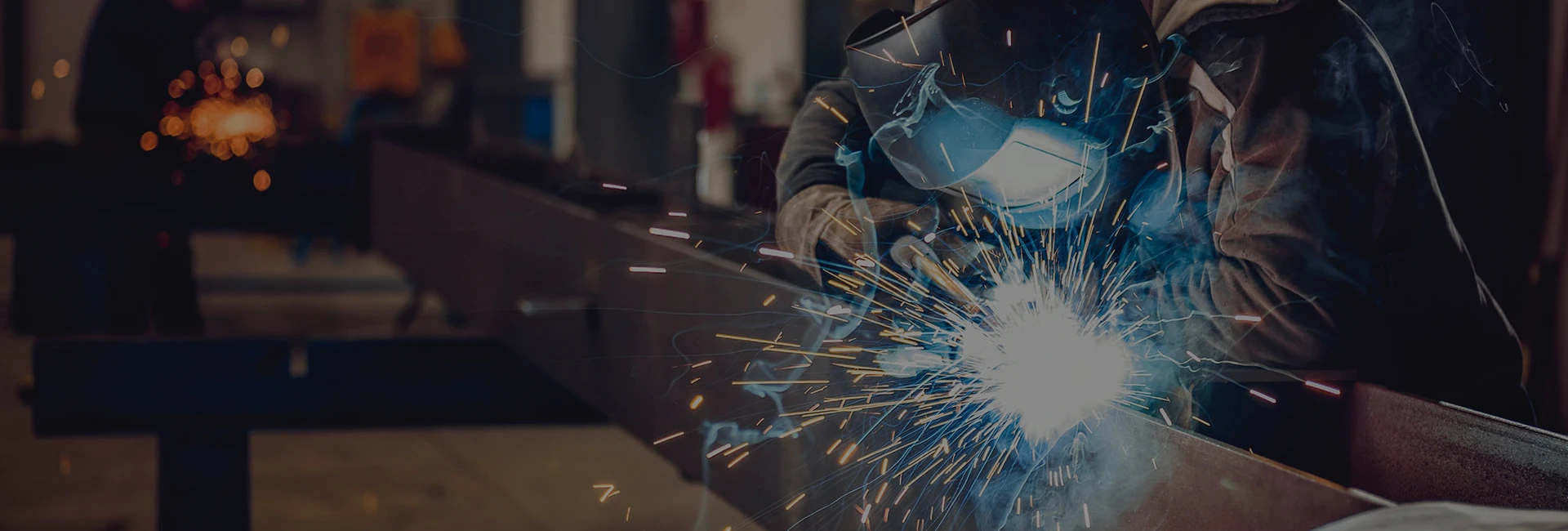
In the demanding world of industrial fabrication and repair, selecting the correct filler metal is the difference between a structural failure and a lifetime bond. The e312 16 welding rod is specifically engineered to meet the rigorous needs of welding dissimilar steels, offering an exceptional balance of strength and corrosion resistance. Whether you are working on high-pressure pipelines or heavy machinery components, understanding the nuances of this specialized electrode is key to achieving professional-grade results. This guide explores the technical advantages and practical applications of the E312 series to help you optimize your welding workflow.
Chemical Composition and Metallurgy of e312 16 Welding Rod
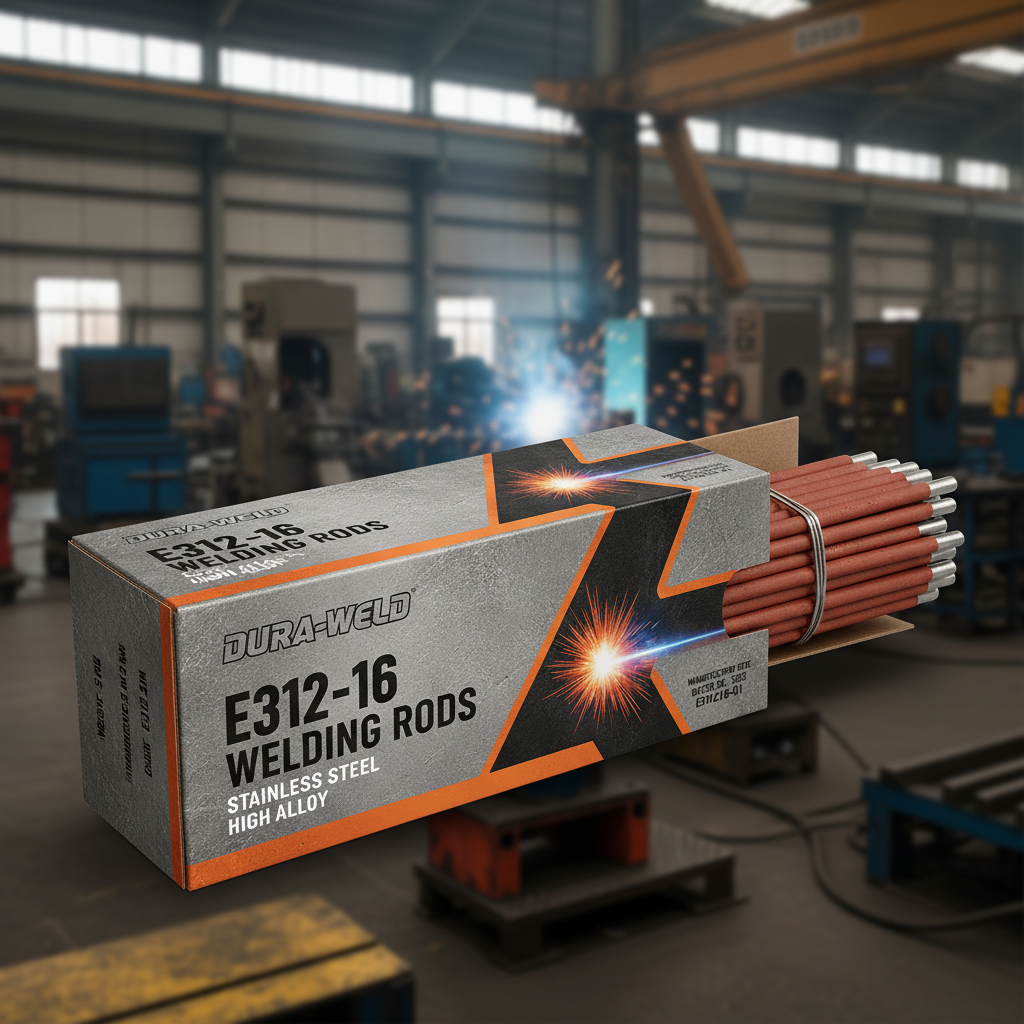
The effectiveness of the e312 16 welding rod stems from its unique alloy composition. Designed as a stainless steel electrode, it contains high levels of chromium and nickel, which ensure that the weld pool remains stable and the resulting bead is resistant to oxidation. This specific chemistry allows the rod to bridge the gap between carbon steel and stainless steel without causing the brittle phases that often lead to cracking. By maintaining a precise metallurgical balance, it ensures a smooth transition in the heat-affected zone (HAZ), reducing the risk of stress corrosion cracking in volatile environments.
Technical Insight: The E312 classification is prized for its ability to weld "dissimilar metals," meaning it can join materials that usually don't bond well together, making it indispensable for complex industrial assemblies.
Comparing e312 16 Welding Rod to Standard Stainless Electrodes
Not all stainless steel rods are created equal. While standard 308 or 316 electrodes are excellent for matching base metals, the e312 16 welding rod is optimized for versatility. Standard rods often struggle with dilution when welding carbon steel, which can lead to a loss of corrosion resistance. The E312 variant is designed to handle this dilution, maintaining its structural integrity even when a significant amount of carbon steel mixes into the weld pool. This makes it the safer, more reliable choice for hybrid metal projects.
Key Applications of the e312 16 Welding Rod
The versatility of the e312 16 welding rod makes it a staple in several high-stakes industries. In the petrochemical sector, it is used to weld stainless steel cladding onto carbon steel vessels, providing a protective barrier against corrosive chemicals. In the automotive and aerospace industries, it is often employed for specialized repairs where different alloy strengths are required in a single joint. Additionally, it is widely used in the food processing industry for maintaining hygienic equipment where stainless steel must be joined to older, carbon-based infrastructure.
Optimal Usage Techniques for e312 16 Welding Rod
To get the most out of your e312 16 welding rod, proper technique is essential. First, ensure that all joint surfaces are cleaned of oil, rust, and scale to prevent porosity. Because this rod is often used for dissimilar metals, controlling the heat input is critical; excessive heat can lead to unwanted carbon migration and degrade the corrosion properties of the stainless steel. We recommend using a stringer bead technique rather than wide weaving to keep the interpass temperature low and maintain the fine grain structure of the weld.
Pro Tips for a Perfect Weld:
• Use a moderate current setting to avoid burn-through.
• Maintain a short arc length for better bead control.
• Clean between passes using a stainless steel wire brush.
• Store rods in a dry environment to prevent moisture absorption.
Technical Specifications of e312 16 Welding Rod
For engineers and procurement managers, the technical data sheet is the most critical document. The e312 16 welding rod adheres to international standards for filler metals, ensuring consistency across batches. Its mechanical properties, including tensile strength and elongation, are optimized for joints that must withstand both mechanical stress and environmental degradation. Below is the detailed specification table for the E312 series.
Conclusion: Achieving Excellence with E312
The e312 16 welding rod is more than just a filler material; it is a specialized tool for solving complex joining challenges. By offering superior tolerance for dilution and exceptional corrosion resistance, it ensures that hybrid metal joints are as strong as the base materials themselves. For professionals who refuse to compromise on quality and durability, investing in the right E312 electrode is a critical step toward engineering success. Ensure your projects stand the test of time by choosing the precision of Jinlong welding solutions.
Frequently Asked Questions (FAQs)
What exactly does "dissimilar welding" mean for the E312 rod?
Dissimilar welding refers to the process of joining two different types of metals, such as joining a piece of carbon steel to a piece of stainless steel. Standard electrodes often fail here because the metals have different melting points and chemical properties, which can lead to "hot cracking." The e312 16 welding rod is specially alloyed to create a compatible "bridge" between these materials, ensuring the joint is structurally sound and resistant to corrosion, regardless of the difference in base metals.
Can I use the e312 16 welding rod on AC or DC current?
Yes, the e312 16 welding rod is designed for versatility in power sources. It can be used with both Alternating Current (AC) and Direct Current (DC+), depending on the welding machine available. While it works on both, many professionals prefer DC+ (Direct Current Electrode Positive) for deeper penetration and a more stable arc, especially when working with thicker sections of dissimilar steel. Always check your machine settings to match the rod's recommended amperage for the best bead profile.
How should I store my welding rods to prevent defects?
Proper storage is vital for the performance of the e312 16 welding rod. These rods should be kept in a dry, climate-controlled environment. Moisture is the enemy of welding electrodes; if the flux coating absorbs water, it can lead to hydrogen-induced cracking or porosity in the weld. Using a specialized rod oven to keep them warm and dry is recommended for high-precision industrial work. Always ensure the packaging is sealed when not in use to prevent contamination.
Is the E312 rod suitable for all stainless steel grades?
While the E312 is exceptionally versatile, it is primarily optimized for joining austenitic stainless steels to carbon steels or low-alloy steels. It is not a "universal" rod for every single grade of exotic alloy, but it covers the vast majority of common industrial hybrid joints. For extremely specific high-nickel alloys or duplex steels, you should consult the technical specifications on the Jinlong Welding website to ensure you have the perfect match for your base metal.

Related Video

Related News

2026-04-16 02:35:10
Precision Guide for e312 16 welding rod and Dissimilar Steel Welding
In the demanding world of industrial fabrication and repair, selecting the correct filler metal is the difference between a structural failure and a lifetime bond. The e312 16 welding rod is specifically engineered to meet the rigorous needs of welding dissimilar steels, offering an exceptional balance of strength and corrosion resistance. Whether you are working on high-pressure pipelines or heavy machinery components, understanding the nuances of this specialized electrode is key to achieving professional-grade results. This guide explores the technical advantages and practical applications of the E312 series to help you optimize your welding workflow.
2026-04-09 02:35:17
Choosing the Right cs to ss welding rod number Professional Guide
Joining carbon steel (CS) to stainless steel (SS) is a common challenge in industrial fabrication, requiring a precise understanding of metallurgy to avoid weld failure. The most critical decision in this process is identifying the correct cs to ss welding rod number to ensure a strong, corrosion-resistant bond. Using the wrong filler metal can lead to cracking or premature oxidation due to the different thermal expansion rates of the two materials. In this comprehensive guide, we will break down the technical specifications and selection criteria to help you achieve a professional-grade weld every time.
2026-04-07 02:25:29
Comprehensive Guide to 409 Welding Rod Selection and Optimal Usage
When it comes to welding applications requiring corrosion resistance and good weldability, the 409 welding rod is a frequently chosen option. This article provides a detailed overview of this versatile welding rod, exploring its composition, applications, benefits, and considerations for optimal use. Whether you’re a seasoned professional or new to welding, understanding the properties of 409 welding rod is crucial for achieving high-quality, durable welds. We’ll cover everything you need to know to make informed decisions for your welding projects.
2026-04-04 02:35:28
Comprehensive Guide to 330 Stainless Steel Welding Rod Applications and Techniques
330 stainless steel welding rods are a crucial component in various industries, offering exceptional corrosion resistance and high-temperature strength. This article provides an in-depth look at these rods, covering their properties, applications, choosing the right rod, welding techniques, safety precautions, and where to find high-quality options. Whether you're a seasoned welding professional or new to the field, this guide will offer valuable insights.
2026-03-31 02:35:08
Comprehensive Guide to 312 Stainless Tig Rod for Superior Welding Performance
When choosing the right filler metal for your TIG welding projects, especially in demanding applications, 312 stainless steel tig rod stands out for its exceptional corrosion resistance and high-temperature strength. This comprehensive guide will explore its composition, applications, benefits, and how it compares to other stainless steel rods. We'll also point you to resources for sourcing high-quality rods.
2026-03-28 02:45:04
Comprehensive Guide to 312 17 Welding Rod Applications and Technical Details
Welding rods are essential consumables in the welding process, and selecting the right one is crucial for achieving strong, durable, and high-quality welds. The 312 17 welding rod is a popular choice for many applications due to its unique properties and versatility. This article delves into the characteristics, applications, benefits, and considerations when using 312 17 welding rods, providing a comprehensive resource for welders and engineers alike. Choosing the right rod directly impacts the success and longevity of any welding project.
2026-03-26 02:35:10
Comprehensive Guide to the 312 16 Welding Rod for Superior Steel Welding
The 312 16 welding rod is a versatile and widely-used electrode in various welding applications. Known for its excellent weldability and strong mechanical properties, it's a go-to choice for professionals and hobbyists alike. This article delves into the specifics of this electrode, covering its composition, applications, advantages, and how to choose the right one for your projects. Understanding the nuances of the 312 16 welding rod is crucial for achieving high-quality, durable welds. The designation "312 16" provides key information about the welding rod. "312" refers to the type of flux coating, specifically a low-hydrogen, iron powder coating. This coating is designed to produce welds with excellent mechanical properties and good resistance to cracking. The "16" indicates the diameter of the rod in 32nds of an inch – so a 312 16 rod has a diameter of 16/32 or 1/2 inch. This combination makes it suitable for a wide range of steel welding applications. The low-hydrogen nature of the flux minimizes hydrogen-induced cracking, a common issue in welding certain steels.
2026-03-24 02:45:07
Comprehensive Guide to 309LSI TIG Rod Welding Applications and Best Practices
The 309LSI TIG rod is a versatile welding consumable widely used across various industries for its exceptional corrosion resistance and weldability. This article will explore the properties, applications, advantages, and best practices associated with using 309LSI TIG rods. Whether you're a seasoned welding professional or new to the field, this guide will provide you with valuable insights into maximizing the performance and longevity of your welds. The 309LSI TIG rod is a stainless steel electrode specifically designed for Gas Tungsten Arc Welding (GTAW), commonly known as TIG welding. The "309LSI" designation indicates the alloy composition: 309 signifies the chromium-nickel content, 'L' denotes low carbon content for enhanced corrosion resistance, and 'SI' signifies stabilized with silicon for improved resistance to carbide precipitation during welding.

 English
  Arabic
  Bengali
  China
China  French
  German
  Hausa
Hausa  Indonesian
  Italian
  Japanese
  Javanese
  Malay
Malay  Persian
  Portuguese
  Punjabi
  Russian
  Spanish
  Swahili
  Telugu
  Vietnamese