

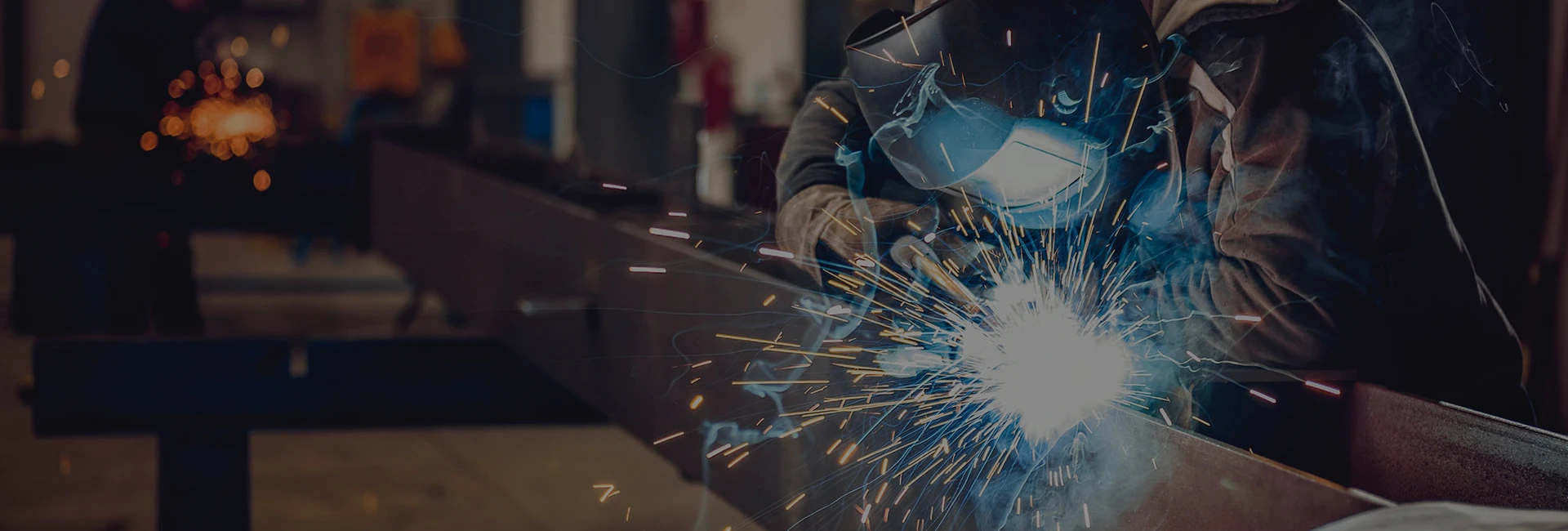
Comprehensive Guide to 7018 1 16 Welding Rod: Uses, Benefits & Global Perspective

Comprehensive Guide to 7018 1 16 Welding Rod: Uses, Benefits & Global Perspective
Dec . 02, 2025 08:05
Understanding 7018 1 16: The Backbone of Reliable Welding
If you’ve ever marveled at the sturdy bridges, towering skyscrapers, or even the cars and ships that surround us, there’s a good chance the humble welding rod 7018 1 16 played a part in their creation. Welding electrodes like the 7018 1 16 are cornerstone tools in construction and manufacturing worldwide, providing strength and durability where it matters most.
Frankly, understanding this specific welding rod isn’t just for welders or engineers — it’s for anyone curious about how our built environment comes together and how quality standards ensure safety everywhere. So, why does this particular welding electrode pose such immense value globally? Let’s explore.
Global Context: Why 7018 1 16 Matters
The global steel welding market is forecasted to grow enormously due to rising infrastructure demands, predicted by organizations like the World Bank. Welding electrodes such as the 7018 1 16 conform to international standards (AWS A5.1 E7018), ensuring predictable mechanical properties in structural steel fabrication. According to ISO standards, improper welding can compromise the integrity of structures, leading to safety hazards — something the 7018 1 16 electrode specifically mitigates through its design.
In fact, numerous industrial accidents worldwide have underscored the challenge of maintaining weld quality under harsh conditions, especially in developing regions expanding rapidly with limited resources. The 7018 1 16 electrode helps tackle these challenges by promoting reliable weld deposits with impressive tensile strength and crack resistance.
Mini takeaway: The 7018 1 16 welding rod isn’t just a stick of metal — it’s a globally relevant solution helping industries build safer and longer-lasting structures.
What Exactly Is 7018 1 16?
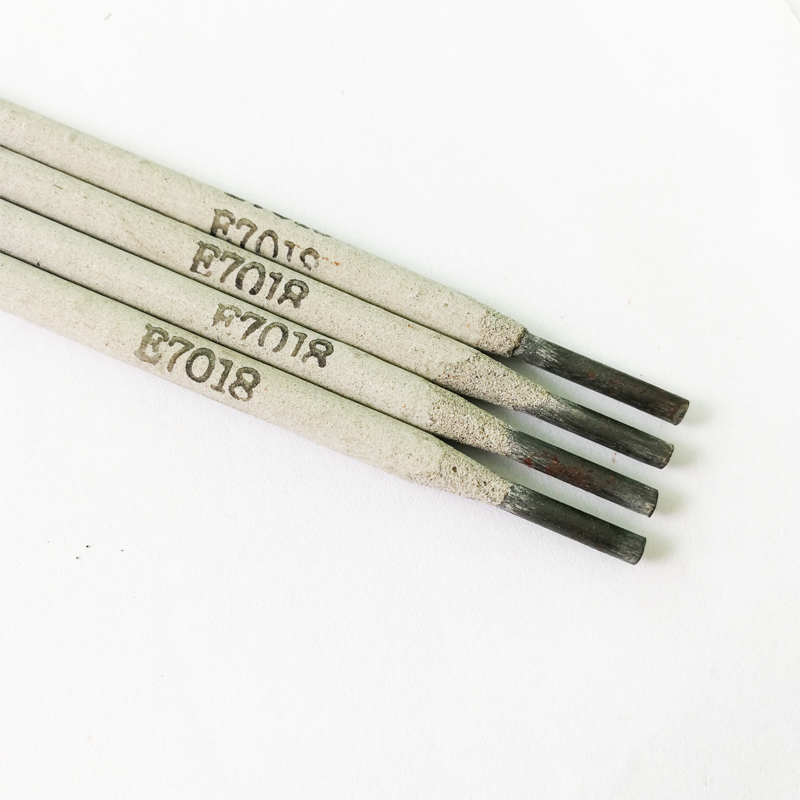
Breaking it down: “7018” refers to a specific type of low-hydrogen, iron powder electrode classified by the American Welding Society (AWS), designed for structural applications. The digits “1/16” indicate the diameter of the rod — one sixteenth of an inch — which makes it ideal for detailed welding tasks requiring precision.
Its formulation allows welders to produce smooth, clean weld beads, boasting high tensile strength (around 70,000 psi). The “1” in 7018 means it’s usable in all welding positions. Simply put, 7018 1 16 rods are popular because they deliver consistent quality deposits, have easy slag removal, and excellent crack resistance — all essential for critical joints.
Mini takeaway: 7018 1 16 rods strike a balance between strength, versatility, and ease of use, which explains their continued industry preference.
Key Features of the 7018 1 16 Welding Rod
1. Durability & Strength
The rods produce welds with robust mechanical properties, able to withstand high stress and fatigue, making structures last longer.
2. Low Hydrogen Content
Low hydrogen in the electrode minimizes the risk of weld cracking, especially in thick or cold materials.
3. Versatility in Positions
The “all-position” usability means welders can work flat, vertical, overhead, or horizontal, adapting to complex joint geometries.
4. Easy Slag Removal
The slag covers the weld bead, and with 7018 1 16 rods, it peels off smoothly—a little convenience that really speeds up the cleanup process.
5. Consistent Arc Stability
Provides a smooth, stable arc that’s easier to control — especially for beginners or on-site work where conditions vary.
Product Specification: 7018 1 16 Welding Rod
| Parameter | Specification |
|---|---|
| Diameter | 1/16 inch (1.6 mm) |
| Tensile Strength | 70,000 psi (482 MPa) |
| Current Type | AC/DC+ |
| Position | All positions |
| Hydrogen Level | Low Hydrogen (<5 ml/100g deposit) |
Global Applications of the 7018 1 16 Electrode
Across continents, 7018 1 16 rods prove crucial. In the North American oil and gas sector, their strength helps build pipelines that withstand extreme temperatures and pressure. Meanwhile, in Asia’s booming infrastructure scene, they ensure bridges and buildings meet rigorous earthquake-proofing standards.
Oddly enough, even humanitarian agencies value these rods for creating shelters and rebuilding critical infrastructure after disasters. For example, in post-tsunami Indonesia, swift infrastructure restoration relied heavily on welding rods that performed reliably in humid, unpredictable conditions.
Additionally, remote mining outposts in South America and Africa depend on 7018 rods to maintain heavy machinery— a lifeline for productivity when access to parts and specialists is limited.
Mini takeaway: From skyscraper to pipeline, and emergency shelter to mining gear — 7018 1 16 rods find their place everywhere durable welds are essential.
Vendor Comparison: Leading 7018 1 16 Welding Rod Suppliers
| Supplier | Price ($/kg) | Quality Certification | Lead Time | Key Advantage |
|---|---|---|---|---|
| Jinlong | 8.50 | AWS, ISO9001 | 2 weeks | Consistent quality, global shipping |
| Lincoln Electric | 9.20 | AWS, CE | 1 week | Strong R&D backing, broad product range |
| ESAB | 8.75 | ISO, AWS | 3 weeks | Innovation in electrodes, great technical support |
Advantages and Long-Term Value
Choosing the right welding rod isn’t just technical—it’s pragmatic and even emotional. The 7018 1 16 delivers durability that protects lives and investments. Cost-wise, though the electrodes might be pricier than basic sticks, the reduced rework, improved safety margins, and longer lifespan of structures pay off handsomely.
From an environmental perspective, strong welds mean fewer repairs and less material wastage. Plus, the low hydrogen formula avoids brittle welds, which often fail prematurely—a sustainability win in material efficiency. And let’s not overlook the pride welders get using a tried-and-true electrode that helps them produce reliable, defect-free joints.
Looking Ahead: Future Trends with 7018 1 16
Welding technology continues evolving. We’re seeing increased automation with robotic welding arms using 7018 rods precisely controlled by sensors, enhancing consistency. Green manufacturing protocols are pushing for electrodes that use cleaner processes and recyclable packaging.
On the materials front, hybrid rods combining iron powders with nanocoatings to reduce spatter and improve hardness are emerging. Although still niche, such innovations show how the 7018 product family could adapt to tougher standards and eco-friendly mandates worldwide.
Common Challenges & Practical Solutions
One sticking point in welding with 7018 1 16 rods can be maintaining rod dryness since the low hydrogen coating absorbs moisture easily, risking hydrogen-induced cracks. Storing rods properly in heated cabinets and baking electrodes before use are tried-and-true remedies. Training welders on technique also reduces errors.
In some field conditions, power supply instability affects arc quality; hence, using modern power sources or stabilizers can improve weld consistency. Vendors like Jinlong often provide technical support and troubleshooting to overcome those real-world hurdles.
FAQ: Your 7018 1 16 Questions Answered
- What welding positions can the 7018 1 16 rod be used in?
- It’s designed for all positions—flat, horizontal, vertical, and overhead—giving welders flexible application on diverse projects.
- How critical is rod storage for 7018 1 16 electrodes?
- Very. They must be kept dry in heated storage to prevent moisture absorption, which can introduce hydrogen and cause cracking in welds.
- Can beginners effectively use 7018 1 16 rods?
- Yes. The rod offers a smooth arc and slag that peels off easily, which is forgiving for novice welders learning control and consistency.
- Is 7018 1 16 suitable for underwater welding?
- Typically no; underwater welding requires specialized electrodes designed for wet conditions. 7018 rods are mainly for dry, atmospheric use.
- How to ensure sourcing authentic 7018 1 16 rods?
- Buy from reputable suppliers with certifications like AWS and ISO. Test packs and vendor references can also assure genuine quality.
Conclusion: Why 7018 1 16 Still Rocks the Welding World
In sum, the 7018 1 16 welding rod offers an unbeatable mix of strength, versatility, and reliability. It has withstood decades of industrial evolution and continues serving industries worldwide with little fuss—rather impressive for a small stick of metal!
Whether you’re fabricating skyscrapers, repairing heavy equipment in rugged environments, or rebuilding after disasters, this electrode is a steadfast partner. For more details or to explore sourcing options, check out 7018 1 16 supplier Jinlong.
Happy welding!
Final thought: Sometimes, the simplest tools make the biggest difference—7018 1 16 truly embodies that.
References

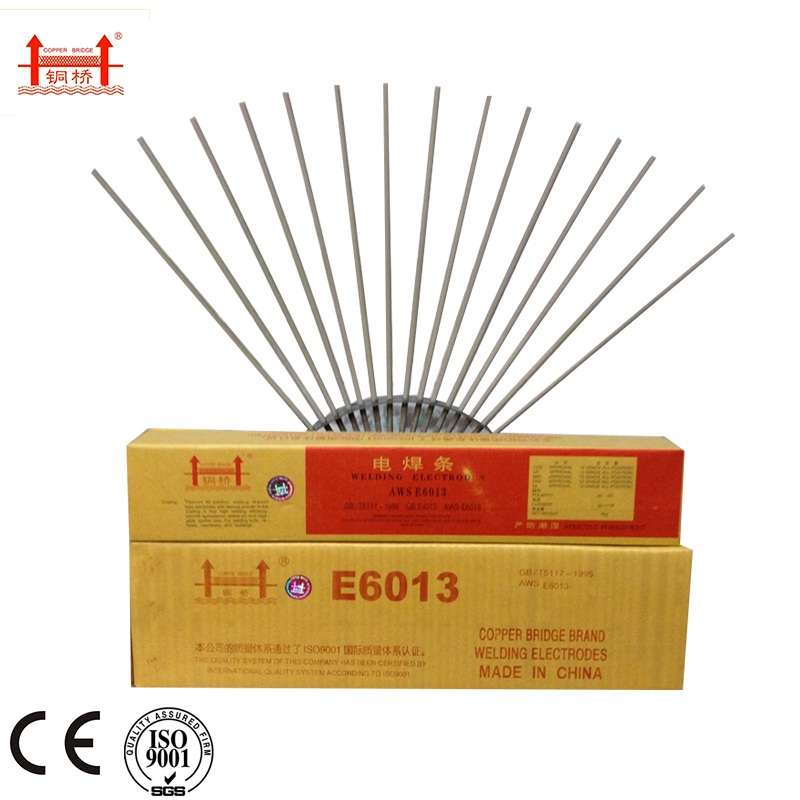
Related Video

Related News


2026-04-16 02:35:10
Precision Guide for e312 16 welding rod and Dissimilar Steel Welding
In the demanding world of industrial fabrication and repair, selecting the correct filler metal is the difference between a structural failure and a lifetime bond. The e312 16 welding rod is specifically engineered to meet the rigorous needs of welding dissimilar steels, offering an exceptional balance of strength and corrosion resistance. Whether you are working on high-pressure pipelines or heavy machinery components, understanding the nuances of this specialized electrode is key to achieving professional-grade results. This guide explores the technical advantages and practical applications of the E312 series to help you optimize your welding workflow.
2026-04-09 02:35:17
Choosing the Right cs to ss welding rod number Professional Guide
Joining carbon steel (CS) to stainless steel (SS) is a common challenge in industrial fabrication, requiring a precise understanding of metallurgy to avoid weld failure. The most critical decision in this process is identifying the correct cs to ss welding rod number to ensure a strong, corrosion-resistant bond. Using the wrong filler metal can lead to cracking or premature oxidation due to the different thermal expansion rates of the two materials. In this comprehensive guide, we will break down the technical specifications and selection criteria to help you achieve a professional-grade weld every time.
2026-04-07 02:25:29
Comprehensive Guide to 409 Welding Rod Selection and Optimal Usage
When it comes to welding applications requiring corrosion resistance and good weldability, the 409 welding rod is a frequently chosen option. This article provides a detailed overview of this versatile welding rod, exploring its composition, applications, benefits, and considerations for optimal use. Whether you’re a seasoned professional or new to welding, understanding the properties of 409 welding rod is crucial for achieving high-quality, durable welds. We’ll cover everything you need to know to make informed decisions for your welding projects.
2026-04-04 02:35:28
Comprehensive Guide to 330 Stainless Steel Welding Rod Applications and Techniques
330 stainless steel welding rods are a crucial component in various industries, offering exceptional corrosion resistance and high-temperature strength. This article provides an in-depth look at these rods, covering their properties, applications, choosing the right rod, welding techniques, safety precautions, and where to find high-quality options. Whether you're a seasoned welding professional or new to the field, this guide will offer valuable insights.
2026-03-31 02:35:08
Comprehensive Guide to 312 Stainless Tig Rod for Superior Welding Performance
When choosing the right filler metal for your TIG welding projects, especially in demanding applications, 312 stainless steel tig rod stands out for its exceptional corrosion resistance and high-temperature strength. This comprehensive guide will explore its composition, applications, benefits, and how it compares to other stainless steel rods. We'll also point you to resources for sourcing high-quality rods.
2026-03-28 02:45:04
Comprehensive Guide to 312 17 Welding Rod Applications and Technical Details
Welding rods are essential consumables in the welding process, and selecting the right one is crucial for achieving strong, durable, and high-quality welds. The 312 17 welding rod is a popular choice for many applications due to its unique properties and versatility. This article delves into the characteristics, applications, benefits, and considerations when using 312 17 welding rods, providing a comprehensive resource for welders and engineers alike. Choosing the right rod directly impacts the success and longevity of any welding project.
2026-03-26 02:35:10
Comprehensive Guide to the 312 16 Welding Rod for Superior Steel Welding
The 312 16 welding rod is a versatile and widely-used electrode in various welding applications. Known for its excellent weldability and strong mechanical properties, it's a go-to choice for professionals and hobbyists alike. This article delves into the specifics of this electrode, covering its composition, applications, advantages, and how to choose the right one for your projects. Understanding the nuances of the 312 16 welding rod is crucial for achieving high-quality, durable welds. The designation "312 16" provides key information about the welding rod. "312" refers to the type of flux coating, specifically a low-hydrogen, iron powder coating. This coating is designed to produce welds with excellent mechanical properties and good resistance to cracking. The "16" indicates the diameter of the rod in 32nds of an inch – so a 312 16 rod has a diameter of 16/32 or 1/2 inch. This combination makes it suitable for a wide range of steel welding applications. The low-hydrogen nature of the flux minimizes hydrogen-induced cracking, a common issue in welding certain steels.
2026-03-24 02:45:07
Comprehensive Guide to 309LSI TIG Rod Welding Applications and Best Practices
The 309LSI TIG rod is a versatile welding consumable widely used across various industries for its exceptional corrosion resistance and weldability. This article will explore the properties, applications, advantages, and best practices associated with using 309LSI TIG rods. Whether you're a seasoned welding professional or new to the field, this guide will provide you with valuable insights into maximizing the performance and longevity of your welds. The 309LSI TIG rod is a stainless steel electrode specifically designed for Gas Tungsten Arc Welding (GTAW), commonly known as TIG welding. The "309LSI" designation indicates the alloy composition: 309 signifies the chromium-nickel content, 'L' denotes low carbon content for enhanced corrosion resistance, and 'SI' signifies stabilized with silicon for improved resistance to carbide precipitation during welding.

 English
  Arabic
  Bengali
  China
China  French
  German
  Hausa
Hausa  Indonesian
  Italian
  Japanese
  Javanese
  Malay
Malay  Persian
  Portuguese
  Punjabi
  Russian
  Spanish
  Swahili
  Telugu
  Vietnamese