

Comprehensive Guide to 6013 Welding Rod Amps: Specifications, Applications & Trends

Comprehensive Guide to 6013 Welding Rod Amps: Specifications, Applications & Trends
Dec . 02, 2025 07:25
Understanding 6013 Welding Rod Amps: Why It Matters Globally
If you’ve ever been curious about the nuts and bolts of welding, then 6013 welding rod amps is a term worth knowing. These amps determine the welding rod’s electrical current during use, and frankly, they’re a cornerstone in everything from sturdy bridges to humanitarian shelter construction. Understanding how to set and optimize these amps not only influences the quality of welds but affects safety, cost efficiency, and sustainability worldwide.
Why Should the World Care?
Welding fuels industries worth trillions globally — according to the International Standards Organization (ISO), welding processes underpin manufacturing in construction, automotive, shipbuilding, and more. The correct amperage for a specific rod, especially common ones like the 6013, ensures strong welds and less rework, thus conserving resources. This, in a way, touches everything from urban development in megacities to emergency shelter building after disasters.
Mini takeaway: Correct amperage on 6013 rods boosts global industrial efficiency and safety, impacting everything from skylines to shelters.
6013 Welding Rod Amps: Definition and Essentials
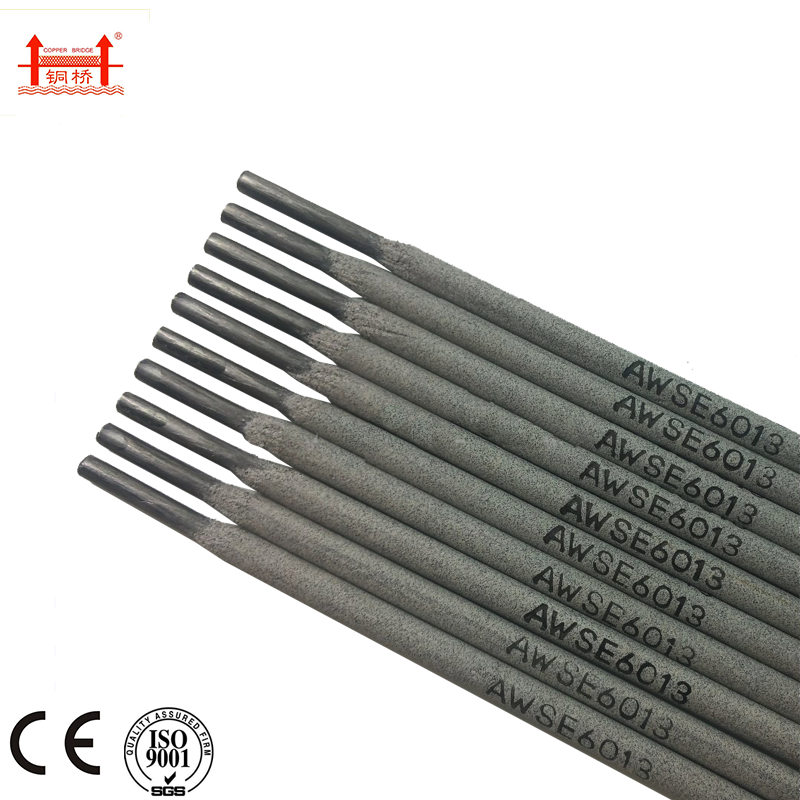
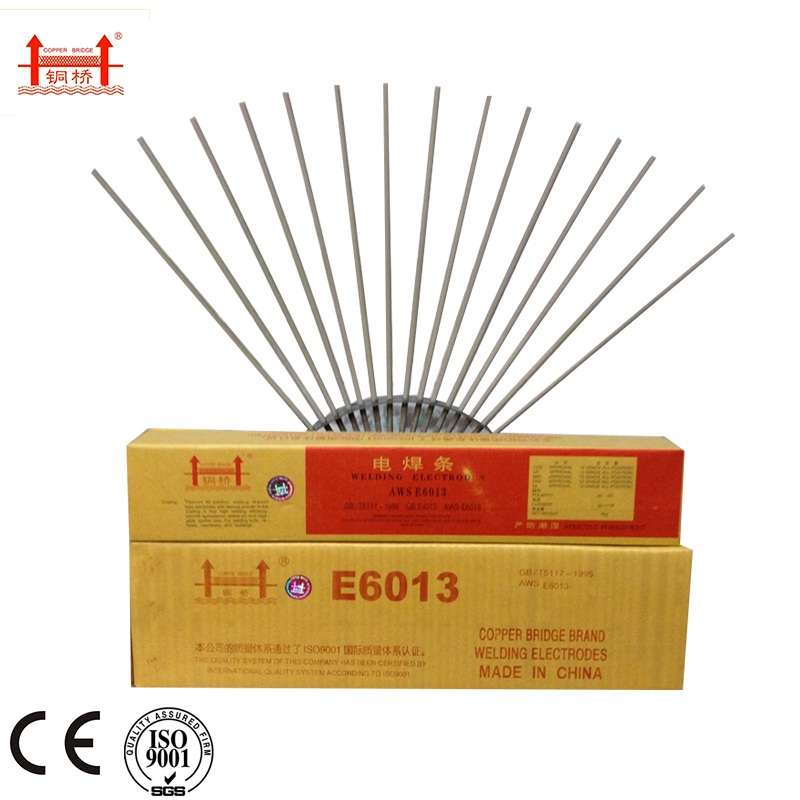
Let’s get straightforward. The term 6013 welding rod amps refers to the electrical current, measured in amperes, used with a 6013 welding electrode. The 6013 rod itself is a general-purpose electrode known for smooth, clean welds on mild steel and is often favored for its versatility and ease of use.
Adjusting the amps properly affects penetration depth, bead appearance, and the rod's lifespan. It connects with modern industry and humanitarian needs by enabling reliable joins under varied conditions — whether fabricating machinery or repairing water tanks in remote provinces.
Breaking it down:
- 6013 welding rod: Mild steel electrode popular for light construction.
- Amperage: The electric current setting on the welder; too low or high amps can cause defects.
- Why it matters: Proper amperage ensures optimal welding quality, reduces waste, and improves safety.
Mini takeaway: 6013 amps control weld quality and are essential for versatile applications.
Key Factors Affecting 6013 Welding Rod Amps
1. Material Thickness
The thickness of your steel piece is pivotal. Thicker metal demands higher amps to achieve adequate penetration without slag inclusion. Oddly enough, using too much amperage on thin material can burn through it, ruining work and wasting materials.
2. Welding Position
Flat, horizontal, vertical, or overhead? Each position requires amp adjustments. For example, overhead welding typically needs slightly lower amps to avoid molten drips — a remnant of how gravity interacts with molten metal.
3. Rod Diameter
6013 rods come in various diameters (e.g., 1/16” to 3/32”). Bigger diameter rods naturally require higher amperage for proper melting and fusion, so matching diameter and amps is crucial to avoiding common weld defects.
4. Power Source Type
AC or DC power supply changes how current flows, affecting the amp range. Some welders have specific amp recommendations for each. It's a bit technical, but helpful to know if you want reliable, uniform welds.
5. Ambient Conditions
Believe it or not, environmental factors like temperature and humidity affect welding current needs. Cold weather might make you raise amps a bit for consistent arc stability.
Mini takeaway: Material thickness, welding position, rod size, power source, and even weather shape your 6013 rod amps decisions.
Product Specifications: Typical 6013 Welding Rod Amp Ranges
| Rod Diameter | Recommended Amp Range | Typical Uses |
|---|---|---|
| 1/16 inch | 40 – 70 Amps | Thin sheet welds, light repairs |
| 5/64 inch | 60 – 90 Amps | Medium thickness metal fabrication |
| 3/32 inch | 80 – 130 Amps | Structural work, farm equipment repair |
Comparing Popular 6013 Welding Rod Vendors
| Vendor | Amp Range (Typical) | Packaging Options | Price Range (per Kg) | Notes |
|---|---|---|---|---|
| Jinlong Welding Electrode | 40–130 Amps | 1kg, 5kg, 10kg packs | $6–$9 | Consistent quality, good customer support |
| GlobalWeld Supplies | 50–120 Amps | 5kg, 25kg drums | $7–$10 | Bulk orders for industrial clients |
| SteelPro Electrodes | 45–125 Amps | 2.5kg, 10kg packs | $5.50–$8.50 | Affordable, varied rod sizes |
Global Applications and Use Cases of 6013 Welding Rod Amps
Where do you find 6013 rods and their amps in action? Almost everywhere. Think developing nations rebuilding infrastructure, remote oil rig maintenance, or even emergency response teams setting up shelters after floods. In sub-Saharan Africa, welding shops use 6013 rods because they require less skill and special equipment, yet still provide decent strength. In the U.S., medium-sized construction firms rely on 6013 rods for non-critical steelwork.
6013 welding rod amps are often tuned carefully in training centers, emphasizing both effective weld quality and minimizing slag, making them ideal for beginner welders that contribute to scaling local manufacturing.
Mini takeaway: 6013 rods’ flexible amp requirements make them invaluable for diverse industries and humanitarian scenarios worldwide.
Advantages and Long-Term Value of Proper 6013 Welding Rod Amps
- Cost Efficiency: Right amperage cuts down rework and wasted consumables, saving money long-term.
- Safety: Proper welds reduce structural failures, protecting lives and property.
- Sustainability: Less material wastage means fewer resources consumed.
- Innovation & Reliability: Optimizing amps encourages innovation with new welding machines and supports skilled labor development.
- Emotional Impact: It gives workers dignity knowing they produce quality work without frustration or burnout.
Future Trends and Innovations Surrounding 6013 Welding Rod Amp Use
Welding technology is evolving — digitally controlled welders now allow automatic amp settings specific to rod type, making “trial-and-error” almost obsolete. Moreover, greener electrode coatings reduce toxic fumes, aligning wells with stricter environmental laws. The switch to inverter welders and improvements in portable power sources mean 6013 rods and their amps will become more adaptable to off-grid or renewable energy applications, important for remote areas lacking stable electricity.
Challenges and Solutions
Of course, no process is perfect. You might find inconsistent amps due to power fluctuations, leading to weld defects. Or users struggling with less-than-stellar cheap rods that don’t hold up under recommended amperage, causing slag problems.
The solution? Investing in quality rods like those from reputable suppliers and lean training programs that emphasize amp control. Innovations such as amperage feedback systems and welding simulators are making training less daunting, reducing common errors especially in developing regions.
FAQ: Frequently Asked Questions About 6013 Welding Rod Amps
- What is the best amp setting for 6013 rods on thin metals?
- Typically 40 to 70 amps work well for thinner metal sheets. Start on the lower end and increase gradually to avoid burn-through.
- Can 6013 rods be used with both AC and DC welders?
- Yes, 6013 rods are versatile and work with both AC and DC, but recommended amperage might slightly differ depending on the power source.
- How critical is amperage adjustment for beginners?
- Very critical; wrong amps cause poor welds and frustration. Beginners should follow lamp range guidelines strictly to build good technique.
- Is it cost-effective to buy 6013 rods in bulk?
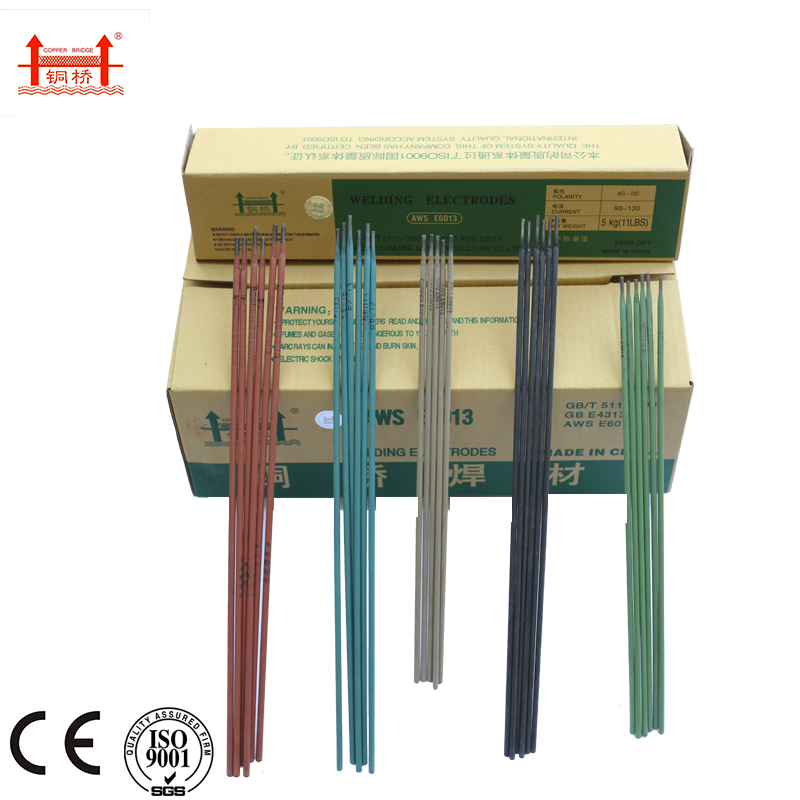
- Buying in bulk typically lowers cost per kilogram but requires proper storage to avoid moisture, which can affect rod performance.
- Where can I find quality 6013 rods with reliable amp instructions?
- Trusted vendors like Jinlong Welding Electrode provide detailed amp charts and customer support to ensure you get the best results.
Conclusion
In the end, mastering the right 6013 welding rod amps truly means the difference between mediocre and exceptional welds. It impacts cost, safety, and global manufacturing resilience. Whether you’re working on a community project or industrial site, understanding amps for your 6013 rods is a key to lasting, quality joins. For more in-depth specs and expert support, visit our website to explore the latest in welding innovation and supplies.
It’s a small technical tweak with big, sometimes unseen global impact… that's the beauty of welding amperage.
References:
1. Wikipedia: Welding
2. ISO Standards related to Welding – ISO/TC 44
3. World Bank Data on Manufacturing Industry – World Bank

Related Video

Related News

2026-04-16 02:35:10
Precision Guide for e312 16 welding rod and Dissimilar Steel Welding
In the demanding world of industrial fabrication and repair, selecting the correct filler metal is the difference between a structural failure and a lifetime bond. The e312 16 welding rod is specifically engineered to meet the rigorous needs of welding dissimilar steels, offering an exceptional balance of strength and corrosion resistance. Whether you are working on high-pressure pipelines or heavy machinery components, understanding the nuances of this specialized electrode is key to achieving professional-grade results. This guide explores the technical advantages and practical applications of the E312 series to help you optimize your welding workflow.
2026-04-09 02:35:17
Choosing the Right cs to ss welding rod number Professional Guide
Joining carbon steel (CS) to stainless steel (SS) is a common challenge in industrial fabrication, requiring a precise understanding of metallurgy to avoid weld failure. The most critical decision in this process is identifying the correct cs to ss welding rod number to ensure a strong, corrosion-resistant bond. Using the wrong filler metal can lead to cracking or premature oxidation due to the different thermal expansion rates of the two materials. In this comprehensive guide, we will break down the technical specifications and selection criteria to help you achieve a professional-grade weld every time.
2026-04-07 02:25:29
Comprehensive Guide to 409 Welding Rod Selection and Optimal Usage
When it comes to welding applications requiring corrosion resistance and good weldability, the 409 welding rod is a frequently chosen option. This article provides a detailed overview of this versatile welding rod, exploring its composition, applications, benefits, and considerations for optimal use. Whether you’re a seasoned professional or new to welding, understanding the properties of 409 welding rod is crucial for achieving high-quality, durable welds. We’ll cover everything you need to know to make informed decisions for your welding projects.
2026-04-04 02:35:28
Comprehensive Guide to 330 Stainless Steel Welding Rod Applications and Techniques
330 stainless steel welding rods are a crucial component in various industries, offering exceptional corrosion resistance and high-temperature strength. This article provides an in-depth look at these rods, covering their properties, applications, choosing the right rod, welding techniques, safety precautions, and where to find high-quality options. Whether you're a seasoned welding professional or new to the field, this guide will offer valuable insights.
2026-03-31 02:35:08
Comprehensive Guide to 312 Stainless Tig Rod for Superior Welding Performance
When choosing the right filler metal for your TIG welding projects, especially in demanding applications, 312 stainless steel tig rod stands out for its exceptional corrosion resistance and high-temperature strength. This comprehensive guide will explore its composition, applications, benefits, and how it compares to other stainless steel rods. We'll also point you to resources for sourcing high-quality rods.
2026-03-28 02:45:04
Comprehensive Guide to 312 17 Welding Rod Applications and Technical Details
Welding rods are essential consumables in the welding process, and selecting the right one is crucial for achieving strong, durable, and high-quality welds. The 312 17 welding rod is a popular choice for many applications due to its unique properties and versatility. This article delves into the characteristics, applications, benefits, and considerations when using 312 17 welding rods, providing a comprehensive resource for welders and engineers alike. Choosing the right rod directly impacts the success and longevity of any welding project.
2026-03-26 02:35:10
Comprehensive Guide to the 312 16 Welding Rod for Superior Steel Welding
The 312 16 welding rod is a versatile and widely-used electrode in various welding applications. Known for its excellent weldability and strong mechanical properties, it's a go-to choice for professionals and hobbyists alike. This article delves into the specifics of this electrode, covering its composition, applications, advantages, and how to choose the right one for your projects. Understanding the nuances of the 312 16 welding rod is crucial for achieving high-quality, durable welds. The designation "312 16" provides key information about the welding rod. "312" refers to the type of flux coating, specifically a low-hydrogen, iron powder coating. This coating is designed to produce welds with excellent mechanical properties and good resistance to cracking. The "16" indicates the diameter of the rod in 32nds of an inch – so a 312 16 rod has a diameter of 16/32 or 1/2 inch. This combination makes it suitable for a wide range of steel welding applications. The low-hydrogen nature of the flux minimizes hydrogen-induced cracking, a common issue in welding certain steels.
2026-03-24 02:45:07
Comprehensive Guide to 309LSI TIG Rod Welding Applications and Best Practices
The 309LSI TIG rod is a versatile welding consumable widely used across various industries for its exceptional corrosion resistance and weldability. This article will explore the properties, applications, advantages, and best practices associated with using 309LSI TIG rods. Whether you're a seasoned welding professional or new to the field, this guide will provide you with valuable insights into maximizing the performance and longevity of your welds. The 309LSI TIG rod is a stainless steel electrode specifically designed for Gas Tungsten Arc Welding (GTAW), commonly known as TIG welding. The "309LSI" designation indicates the alloy composition: 309 signifies the chromium-nickel content, 'L' denotes low carbon content for enhanced corrosion resistance, and 'SI' signifies stabilized with silicon for improved resistance to carbide precipitation during welding.

 English
  Arabic
  Bengali
  China
China  French
  German
  Hausa
Hausa  Indonesian
  Italian
  Japanese
  Javanese
  Malay
Malay  Persian
  Portuguese
  Punjabi
  Russian
  Spanish
  Swahili
  Telugu
  Vietnamese