

Comprehensive Guide to 6013 Welding Rod 2.5 mm – Uses, Benefits & Global Applications

Comprehensive Guide to 6013 Welding Rod 2.5 mm – Uses, Benefits & Global Applications
Dec . 02, 2025 06:50
Understanding the 6013 Welding Rod 2.5 mm: A Global Industrial Staple
When you hear the term 6013 welding rod 2.5 mm, it might conjure images of construction sites, shipyards, or perhaps repair workshops — and that’s not far off. This seemingly unremarkable steel stick holds a vital place in industries worldwide. It’s more than just a tool; it’s a key player in infrastructure development, manufacturing, and even humanitarian efforts. Understanding its characteristics and applications helps us appreciate why such welding rods are so extensively used across the globe.
In a world that’s increasingly dependent on durable structures and efficient manufacturing, welding rods like the 6013 variant play a crucial role in building and maintaining everything from bridges to agricultural tools. With the global welding market expected to grow steadily in the coming years — driven by urbanization and industrial growth documented by industry bodies such as the International Organization for Standardization (ISO) — the significance of reliable welding consumables continues to soar.
Brief Takeaway
The 6013 welding rod 2.5 mm is a backbone element in global manufacturing and infrastructure, bridging industrial needs with practical solutions.
Global Context: Why the 6013 Welding Rod Matters
The global steel welding consumables market, according to recent reports, is projected to hit nearly $27 billion by 2027. Welding rods, including the 6013 variant, are an integral part of this. Their usage spans continents, sectors, and even humanitarian relief, thanks to their ease of use and versatility.
Oddly enough, since so much of our constructed world depends on reliable welds, a rod like the 6013 — with its moderate penetration and smooth arc — has helped address challenges like structural failures in remote, resource-limited settings. Often, in rural electrification projects or emergency repairs after natural disasters, these rods become an unsung hero.
Mini Summary
- Widely studied and adopted globally due to balance of performance and cost.
- Supports urgent repair and construction with versatile weld quality.
- Key factor in increasing economic opportunities especially in developing regions.
Defining the 6013 Welding Rod 2.5 mm
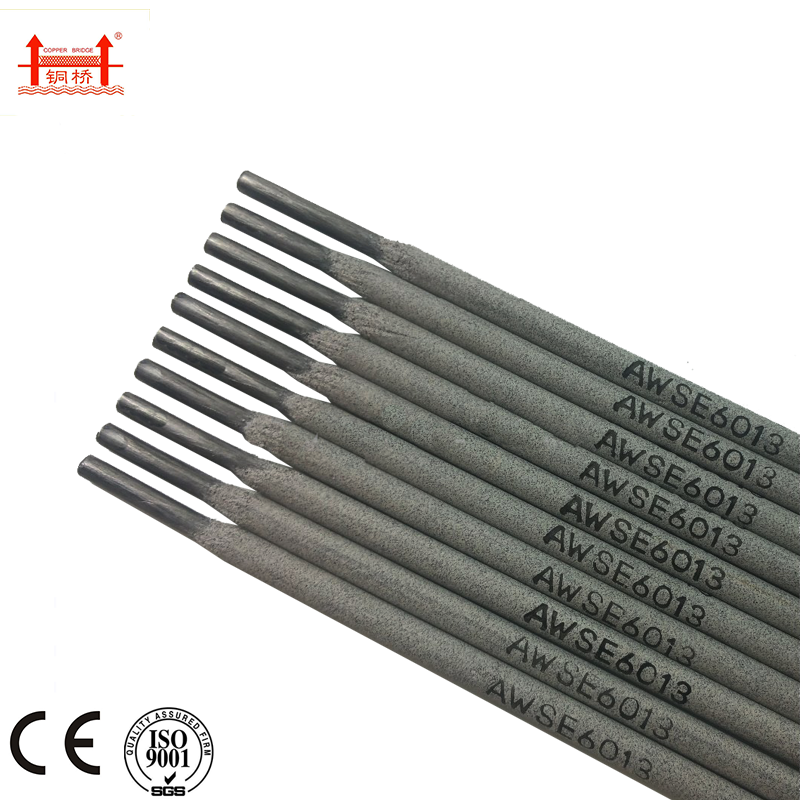
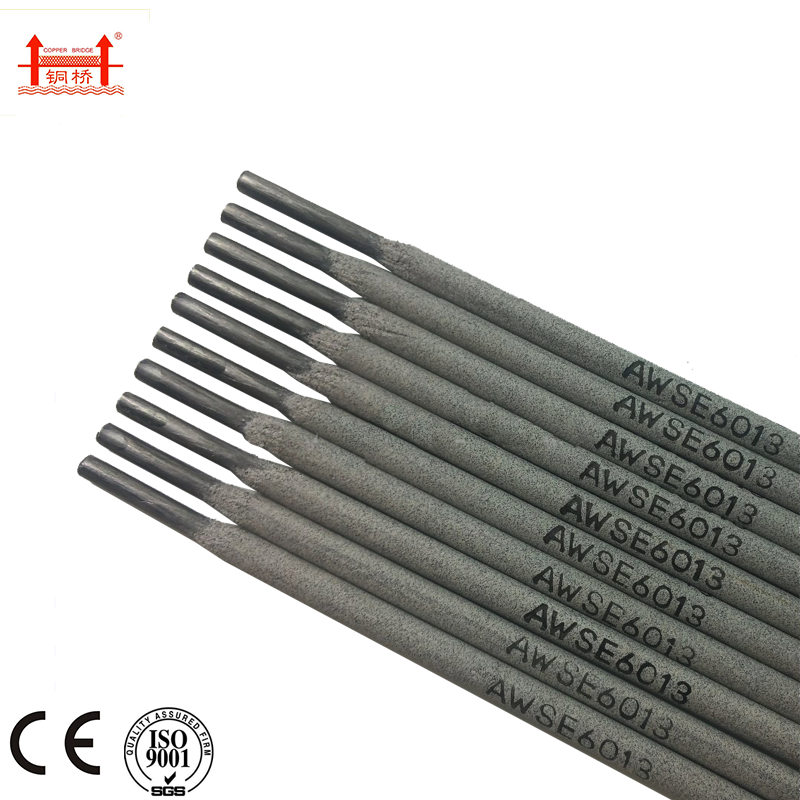
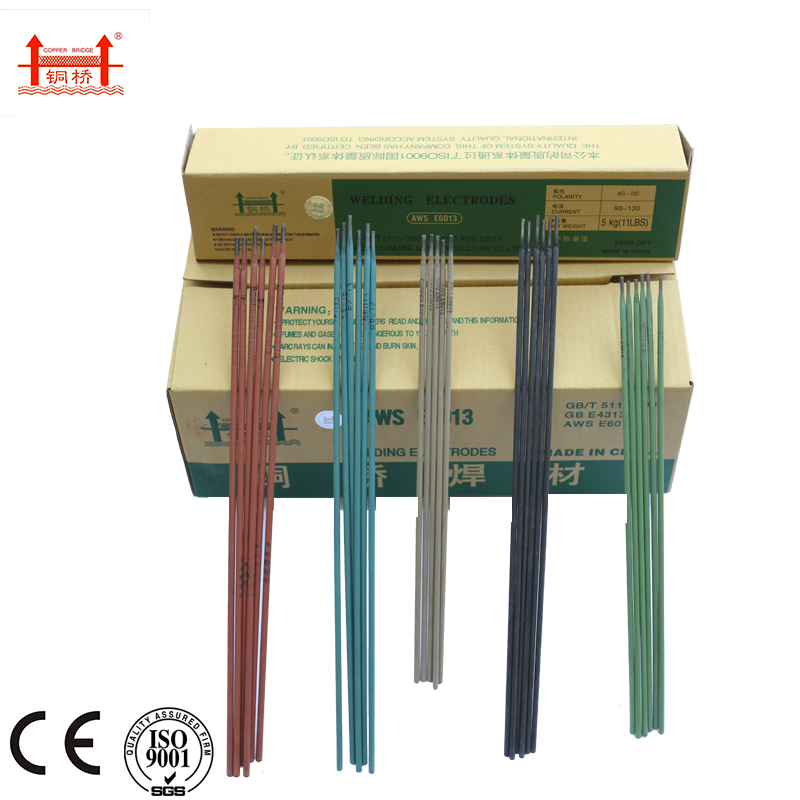
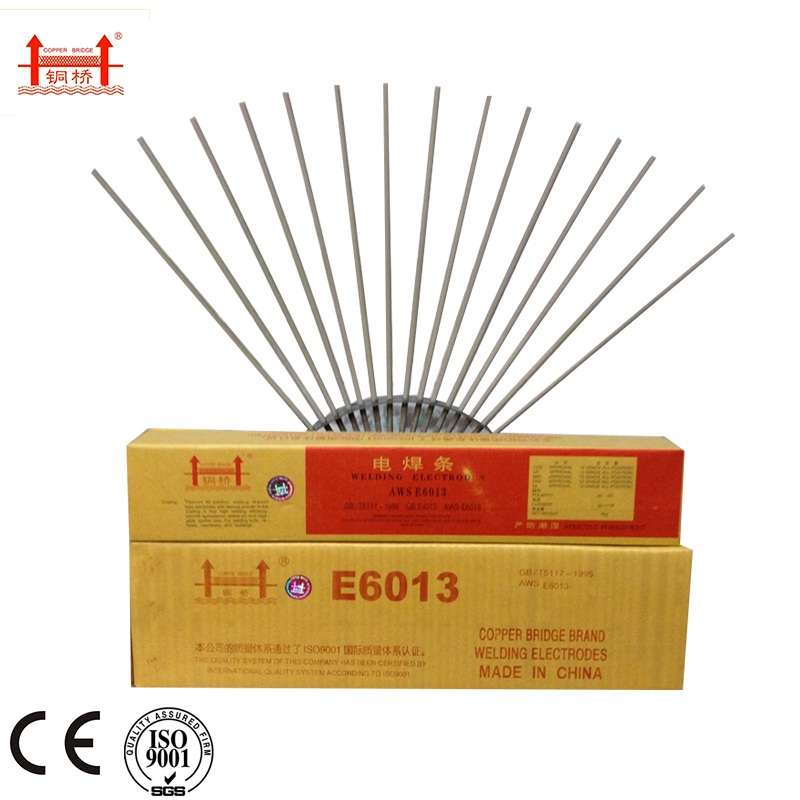
So, what exactly is a 6013 welding rod? Simply put, the 6013 rod is a type of coated mild steel electrode used primarily in shielded metal arc welding (SMAW). The number “6013” gives clues:
- 60 means the rod has a tensile strength of 60,000 psi (pounds per square inch).
- 1 indicates it’s suitable for all positions—flat, horizontal, vertical, or overhead.
- 3 denotes the type of coating and the welding current (AC or DC). For 6013 rods, the coating provides a stable arc and smooth bead with moderate penetration.
The “2.5 mm” specifies the diameter of the welding rod, which balances ease of handling with strength — a common size for maintenance and light fabrication.
In real terms, 6013 rods are often the go-to for beginners and professionals alike, because they produce clean welds with minimal spatter and are versatile across many steel thicknesses.
Why does this matter beyond factories?
The ease of use and consistent performance make 6013 rods valuable not only in conventional industry but also humanitarian efforts — constructing shelters rapidly, restoring community infrastructure, or assembling machinery in underserved areas.
Mini Takeaway
The 6013 welding rod 2.5 mm is an accessible, versatile electrode balancing strength and ease, ideal for multi-position welding across many sectors.
Key Aspects of the 6013 Welding Rod 2.5 mm
Durability and Strength
The rod's tensile strength of around 60,000 psi ensures welds that hold under normal construction and repair stresses. Although it doesn’t penetrate deeply like some other rods (e.g., 6010), the 6013 provides a sound, resilient bond in thinner materials and sheet steels.
Ease of Use
The coating produces a smooth arc that’s easy to control, reducing spatter and smoke — a boon for welders learning the ropes. The 2.5 mm gauge fits comfortably in hand and welds well on a variety of steel gauges, from light fabrication jobs to household repairs.
Cost Efficiency
6013 rods are typically less expensive than higher-alloy electrodes, offering a practical solution where budget constraints meet quality demands. Plus, the consistent bead means less finishing work, saving time and materials.
Versatility
Capable of welding in all positions, the rod adapts to a wide range of applications. It is compatible with AC or DC machines, making it a flexible staple in many workshops and field operations.
Surface Finish and Appearance
It delivers a clean, aesthetically pleasing weld bead, which is often important in visible repairs or consumer products.
6013 Welding Rod 2.5 mm Product Specification Table
| Specification | Detail |
|---|---|
| Diameter | 2.5 mm |
| Tensile Strength | 60,000 psi (approx. 420 MPa) |
| Position | All positions (flat, vertical, overhead) |
| Coating Type | High titania potassium, providing smooth arc and slag removal |
| Current Type | AC / DC |
| Applications | Light structural steel, sheet metal, maintenance, repairs |
Global Applications & Use Cases
Globally, the 6013 welding rod finds its place across diverse environments:
- Construction and infrastructure: Welding beams and frames in commercial and residential buildings.
- Automotive repair shops: Used for repairing bodywork and light chassis work.
- Agricultural machinery: Maintenance of plows, tractors, and other equipment in rural areas.
- Humanitarian projects: In post-disaster rebuilding where quick, reliable welding is needed with limited resources.
- Remote or small-scale fabrication: Portable generators combined with 6013 rods enable livelihood and local industry growth.
For example, NGOs rebuilding infrastructure in Southeast Asia often rely on such rods for rapid, durable repairs under tough conditions. Meanwhile, in Europe and North America, metal workshops frequently use these rods for light industrial manufacturing where precision and minimal finishing are important.
Mini Summary
The 6013 welding rod 2.5 mm’s adaptability makes it a global favorite, suitable for multiple industries from agriculture to emergency relief.
Comparing Popular Vendors of 6013 Welding Rods
| Vendor | Price Range (per kg) | Typical Packaging | Region Served | Key Features |
|---|---|---|---|---|
| Jinlong Welding (link) | $3.5 - $4.0 | 5 kg / 10 kg spools | Asia, Global Exports | Consistent arc, low spatter |
| Lincoln Electric | $4.5 - $5.2 | 10 lb sticks | North America, Europe | High-quality coatings, strong welds |
| ESAB | $4.0 - $4.8 | 5 kg packs | Global | Balanced arc, good slag detach |
Advantages & Long-Term Value
Frankly, the 6013 welding rod 2.5 mm strikes a harmony: performance with affordability. This translates to lower operational costs and stronger, longer-lasting welds — especially vital in maintenance-heavy sectors. The rod’s moderate penetration reduces weld defects in thin materials, improving safety and service life of welded structures.
Beyond the technical, there is a human factor: welders often report less fatigue when using rods that arc smoothly and cleanly; the emotional peace of mind knowing your weld is less prone to cracking or rework should not be understated. In communities rebuilding after disasters, this can mean the difference between hastily constructed sheds and safe, dependable shelters.
Future Trends & Innovations
Looking ahead, the welding world is embracing digitization and eco-conscious materials. While 6013 rods remain largely the same in formulation, suppliers are exploring lower-smoke coatings and environmentally friendlier flux components. Automation and robotic welding increasingly handle repetitive tasks, but the 6013’s simplicity ensures it won’t be obsolete anytime soon — especially in repair and field contexts where robots can’t tread.
Additionally, efforts to develop welding rods with recycled materials are underway, aiming to reduce the carbon footprint of consumables. Emphasis on workforce training and better welding infrastructure also helps maximize the efficiency and safety of using rods like 6013.
Challenges & Solutions
It’s not all perfect. 6013 rods, while versatile, don’t penetrate as deeply as some alternatives, limiting their use in thick-section welding or heavy structural jobs. Additionally, in damp or dirty environments, flux coatings can be compromised, leading to weld defects.
Experts recommend proper storage to keep rods dry, adjusting welding parameters, and sometimes pairing 6013 rods with other electrodes for complex projects. There’s also growing adoption of welding power sources with more stable current outputs that enhance rod performance.
FAQ: Frequently Asked Questions About 6013 Welding Rod 2.5 mm
- Q: What materials are best welded by 6013 welding rods?
A: 6013 rods work best with mild steels and low alloy steels, typically in sheet metal and light fabrication contexts. They’re not ideal for high-strength steels or very thick materials. - Q: Can the 6013 rod be used with both AC and DC power supplies?
A: Yes, 6013 welding rods are designed to operate efficiently on both AC and DC currents, offering flexibility depending on the welding equipment available. - Q: How does 2.5 mm diameter affect welding performance?
A: A 2.5 mm diameter balances ease of control with adequate deposition rate. It’s large enough for moderate weld joints but still manageable for all-position welding and detailed work. - Q: What is the shelf life of 6013 welding rods and how should they be stored?
A: Ideally, these rods should be stored in dry conditions and used within six months of manufacture to prevent moisture absorption that can lead to poor weld quality. - Q: Are 6013 rods suitable for beginner welders?
A: Absolutely! Their smooth arc, minimal spatter, and ease of striking make them well suited for beginners learning SMAW welding.
Conclusion: Why the 6013 Welding Rod 2.5 mm Remains Essential
In summary, the 6013 welding rod 2.5 mm stands out as a versatile, cost-effective, and practical choice across global industries and rebuilding efforts. Its balance of strength, clean performance, and accessibility ensures it continues to support a vast range of welding needs — from trusted professionals to newcomers. If you’re looking to source reliable welding rods with consistent quality, exploring trusted manufacturers like Jinlong Welding is a good step.
Ready to weld with confidence? Visit Jinlong Welding electrode to learn more and source high-quality 6013 rods for your next project.
A quick reflection: In industries that often seem dominated by big, flashy tech, it’s these straightforward, reliable consumables like the 6013 rod that quietly uphold progress, helping welders around the world piece things together, sometimes literally rebuilding lives and communities.
References

Related Video

Related News


2026-04-16 02:35:10
Precision Guide for e312 16 welding rod and Dissimilar Steel Welding
In the demanding world of industrial fabrication and repair, selecting the correct filler metal is the difference between a structural failure and a lifetime bond. The e312 16 welding rod is specifically engineered to meet the rigorous needs of welding dissimilar steels, offering an exceptional balance of strength and corrosion resistance. Whether you are working on high-pressure pipelines or heavy machinery components, understanding the nuances of this specialized electrode is key to achieving professional-grade results. This guide explores the technical advantages and practical applications of the E312 series to help you optimize your welding workflow.
2026-04-09 02:35:17
Choosing the Right cs to ss welding rod number Professional Guide
Joining carbon steel (CS) to stainless steel (SS) is a common challenge in industrial fabrication, requiring a precise understanding of metallurgy to avoid weld failure. The most critical decision in this process is identifying the correct cs to ss welding rod number to ensure a strong, corrosion-resistant bond. Using the wrong filler metal can lead to cracking or premature oxidation due to the different thermal expansion rates of the two materials. In this comprehensive guide, we will break down the technical specifications and selection criteria to help you achieve a professional-grade weld every time.
2026-04-07 02:25:29
Comprehensive Guide to 409 Welding Rod Selection and Optimal Usage
When it comes to welding applications requiring corrosion resistance and good weldability, the 409 welding rod is a frequently chosen option. This article provides a detailed overview of this versatile welding rod, exploring its composition, applications, benefits, and considerations for optimal use. Whether you’re a seasoned professional or new to welding, understanding the properties of 409 welding rod is crucial for achieving high-quality, durable welds. We’ll cover everything you need to know to make informed decisions for your welding projects.
2026-04-04 02:35:28
Comprehensive Guide to 330 Stainless Steel Welding Rod Applications and Techniques
330 stainless steel welding rods are a crucial component in various industries, offering exceptional corrosion resistance and high-temperature strength. This article provides an in-depth look at these rods, covering their properties, applications, choosing the right rod, welding techniques, safety precautions, and where to find high-quality options. Whether you're a seasoned welding professional or new to the field, this guide will offer valuable insights.
2026-03-31 02:35:08
Comprehensive Guide to 312 Stainless Tig Rod for Superior Welding Performance
When choosing the right filler metal for your TIG welding projects, especially in demanding applications, 312 stainless steel tig rod stands out for its exceptional corrosion resistance and high-temperature strength. This comprehensive guide will explore its composition, applications, benefits, and how it compares to other stainless steel rods. We'll also point you to resources for sourcing high-quality rods.
2026-03-28 02:45:04
Comprehensive Guide to 312 17 Welding Rod Applications and Technical Details
Welding rods are essential consumables in the welding process, and selecting the right one is crucial for achieving strong, durable, and high-quality welds. The 312 17 welding rod is a popular choice for many applications due to its unique properties and versatility. This article delves into the characteristics, applications, benefits, and considerations when using 312 17 welding rods, providing a comprehensive resource for welders and engineers alike. Choosing the right rod directly impacts the success and longevity of any welding project.
2026-03-26 02:35:10
Comprehensive Guide to the 312 16 Welding Rod for Superior Steel Welding
The 312 16 welding rod is a versatile and widely-used electrode in various welding applications. Known for its excellent weldability and strong mechanical properties, it's a go-to choice for professionals and hobbyists alike. This article delves into the specifics of this electrode, covering its composition, applications, advantages, and how to choose the right one for your projects. Understanding the nuances of the 312 16 welding rod is crucial for achieving high-quality, durable welds. The designation "312 16" provides key information about the welding rod. "312" refers to the type of flux coating, specifically a low-hydrogen, iron powder coating. This coating is designed to produce welds with excellent mechanical properties and good resistance to cracking. The "16" indicates the diameter of the rod in 32nds of an inch – so a 312 16 rod has a diameter of 16/32 or 1/2 inch. This combination makes it suitable for a wide range of steel welding applications. The low-hydrogen nature of the flux minimizes hydrogen-induced cracking, a common issue in welding certain steels.
2026-03-24 02:45:07
Comprehensive Guide to 309LSI TIG Rod Welding Applications and Best Practices
The 309LSI TIG rod is a versatile welding consumable widely used across various industries for its exceptional corrosion resistance and weldability. This article will explore the properties, applications, advantages, and best practices associated with using 309LSI TIG rods. Whether you're a seasoned welding professional or new to the field, this guide will provide you with valuable insights into maximizing the performance and longevity of your welds. The 309LSI TIG rod is a stainless steel electrode specifically designed for Gas Tungsten Arc Welding (GTAW), commonly known as TIG welding. The "309LSI" designation indicates the alloy composition: 309 signifies the chromium-nickel content, 'L' denotes low carbon content for enhanced corrosion resistance, and 'SI' signifies stabilized with silicon for improved resistance to carbide precipitation during welding.

 English
  Arabic
  Bengali
  China
China  French
  German
  Hausa
Hausa  Indonesian
  Italian
  Japanese
  Javanese
  Malay
Malay  Persian
  Portuguese
  Punjabi
  Russian
  Spanish
  Swahili
  Telugu
  Vietnamese