

The Comprehensive Guide to E7018 H4R Welding Electrodes | Durable & Moisture-Resistant

The Comprehensive Guide to E7018 H4R Welding Electrodes | Durable & Moisture-Resistant
Nov . 30, 2025 05:40
Unlocking the Secrets of E7018 H4R: Why It’s a Global Game-Changer in Welding
At first glance, e7018 h4r might seem like an obscure code reserved for welding geeks, but it quietly rules the world of metal joining. Globally, the demand for reliable, durable welding electrodes has never been higher, given the boom in infrastructure, energy, and manufacturing projects. Understanding this particular type of welding rod isn't just a niche topic—it’s crucial for anyone touching heavy industry or infrastructure that literally holds civilization together.
This article dives into what e7018 h4r represents, why it’s so important internationally, and how it continues to shape industries from steel fabrication in Asia to oil rigs off the coast of Norway. Along the way, you’ll find some practical insights, mini takeaways, and even a product and vendor comparison that will help you make smarter choices.
The Global Context: Why E7018 H4R Matters in Today’s Industrial World
Think of every towering skyscraper, expansive bridge, or submarine pipeline — welded seams connect countless sections of steel. According to the International Organization for Standardization (ISO), welding electrodes like e7018 h4r ensure integrity under heat, pressure, and corrosion. The World Bank recently estimated global infrastructure investment will reach $94 trillion by 2040, much of which demands dependable welds.
But welding is tricky — poor electrodes, bad conditions, or untrained hands can lead to structural weaknesses. What makes e7018 h4r stand out is its reliability in diverse environments, especially in harsh or remote settings where safety and long-term durability are non-negotiable.
What Exactly is E7018 H4R?
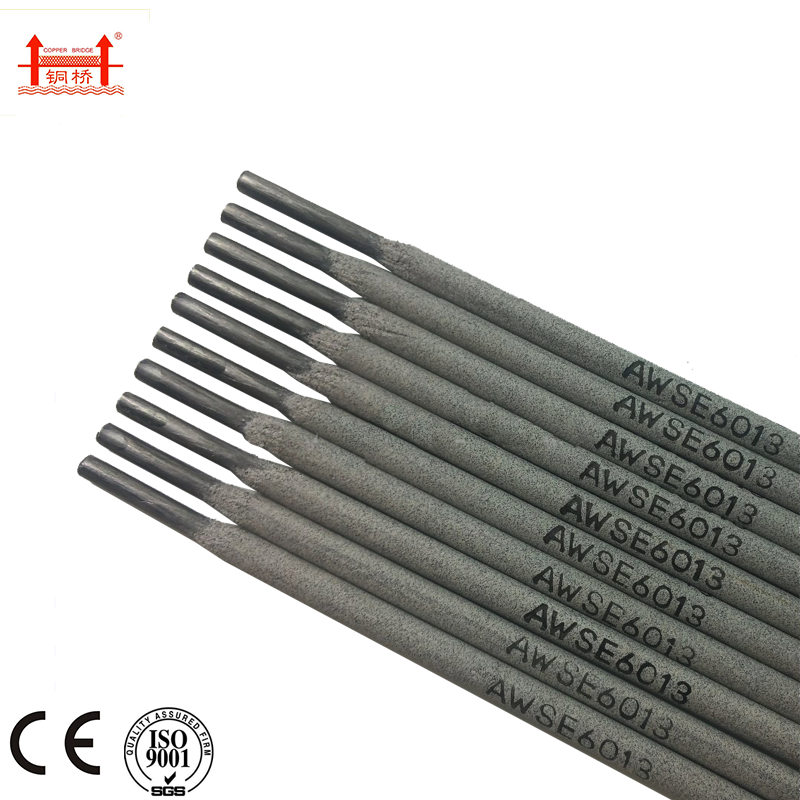
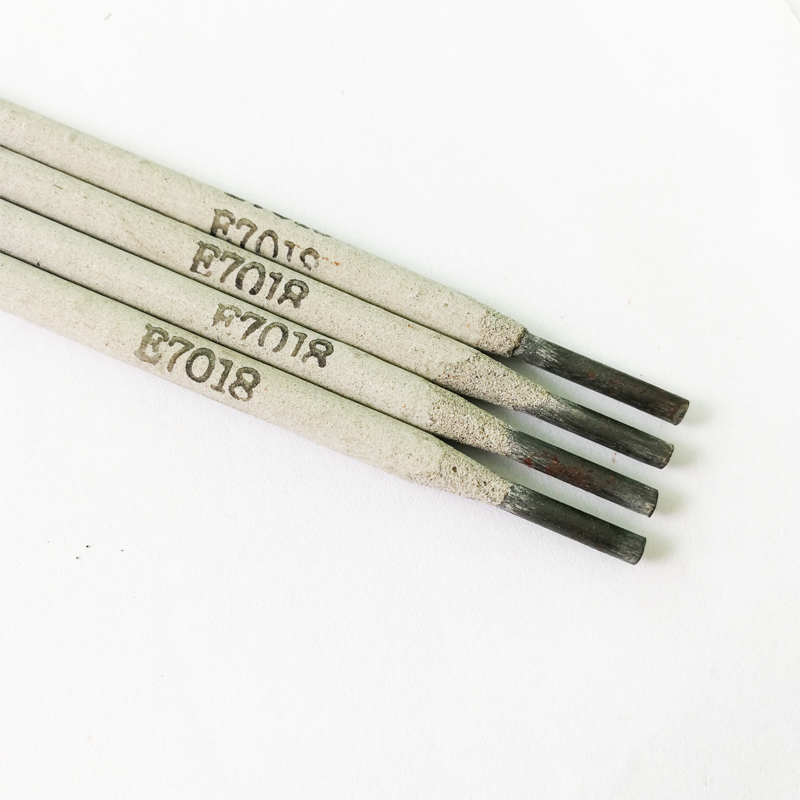
In simple terms, the e7018 h4r is a low-hydrogen, iron powder welding electrode designed for shielded metal arc welding (SMAW). Let’s break that a bit: “E” means electrode, “70” means tensile strength minimum of 70,000 psi, “18” relates to the electrode’s type and usability. The H4R designation indicates it's moisture-resistant & has an iron powder coating, enhancing arc stability and weld bead appearance.
It’s basically the go-to stick electrode when working on projects requiring toughness and crack resistance — whether that's pipeline welding, pressure vessels, or shipbuilding. It meets standards set by the American Welding Society and many international bodies.
Key Characteristics of E7018 H4R That Make It a Welders’ Favorite
1. Superior Durability and Crack Resistance
Because of its low hydrogen and iron powder content, E7018 H4R electrodes produce welds that resist cracking under stress. This is vital when working on structures exposed to temperature swings or vibrations.
2. Excellent Arc Stability
The iron powder in the coating ensures a smooth, stable arc. For welders, this means less spatter, better bead appearance, and easier control—a welcome feature in tight spots or long seams.
3. Versatility in Position and Material
These rods work in all positions (flat, vertical, overhead) and on a variety of steel types. It’s like carrying Swiss Army knife of welding rods—good for everything from heavy construction beams to industrial repair.
4. Moisture Resistance & Shelf Life
The “H4R” moisture rating means better resistance to hydrogen-induced weld cracking—a common issue if electrodes absorb moisture. This extends usability and reduces costly downtime.
5. Cost Efficiency
When you don’t have to re-weld or scrap parts due to poor weld integrity, the savings add up fast. Using E7018 H4R electrodes often translates into fewer repairs and longer-lasting infrastructure.
Mini takeaway: The blend of durability, usability, and moisture resistance makes e7018 h4r a reliable choice for demanding welding tasks where quality cannot be compromised.
Global Uses and Real-World Success Stories
Because it’s so resilient and versatile, e7018 h4r electrodes have found homes everywhere. In North America’s energy corridor, pipeline companies depend on these rods for stress-resistant joins that transport oil and gas across thousands of miles.
In Europe, shipbuilders rely on e7018 h4r to meet strict safety standards for hulls that brave rough seas. Meanwhile, in Asia’s booming infrastructure projects, these electrodes help assemble bridges and railway tracks that literally connect millions.
Oddly enough, aid organizations working in disaster zones also use welding with e7018 h4r rods to quickly reconstruct shelters and water tanks—showing that even humanitarian sectors benefit from this humble electrode.
Advantages & Long-Term Value
- Safety: Strong, crack-resistant welds prevent catastrophic failures.
- Cost-effectiveness: Reduces rework and material waste.
- Sustainability: Durable welds extend infrastructure lifespan, cutting environmental impact of repairs.
- Trust: Many engineers and inspectors specify e7018 h4r because it aligns with industry codes and certifications, instilling confidence throughout the supply chain.
It’s not just about physics or chemistry — there’s a human aspect too. Knowing your welded bridge won’t crack under stress brings peace of mind. And frankly, that’s priceless.
Future Trends & Innovations in Welding Electrodes
As the world leans more into green energy and automation, welding technology evolves quickly. Researchers are exploring ways to further reduce hydrogen levels and integrate AI-powered sensors for real-time weld quality monitoring.
There’s also a push toward eco-friendly coatings and electrodes optimized for new materials like high-strength low-alloy steels used in wind turbines and electric vehicles.
So while e7018 h4r feels like a tried-and-true classic now, it’s also a platform for innovation to build on.
Common Challenges & How Experts Overcome Them
Moisture absorption remains a potential problem despite the H4R rating, so proper storage in dry containers and baking before use is standard. Welders must train well too—these rods require the right amperage and technique to perform optimally.
Luckily, many vendors supply pre-baked electrodes and offer detailed usage guides. Plus, portable heating ovens and moisture meters are handy field tools that reduce welding defects.
Practical FAQ About E7018 H4R
- What differentiates e7018 h4r electrodes from standard e7018 rods?
- The “H4R” indicates enhanced moisture resistance and iron powder coating, providing greater arc stability and weld toughness compared to standard e7018 rods. This makes them especially suited for critical structural welding.
- Can e7018 h4r electrodes be used outdoors and in humid environments?
- Yes, their moisture-resistant coating helps withstand humid conditions, but dry storage and pre-baking are recommended to prevent hydrogen-induced cracking.
- How long do e7018 h4r rods last in storage?
- Stored properly in sealed containers at ambient temperatures, their shelf life can be up to six months. Baking rods before use can restore moisture protection if exposure occurs.
- Are these electrodes suitable for welding thick steel plates?
- Absolutely. E7018 h4r rods are designed to produce strong, crack-resistant welds on thick sections, making them popular in shipbuilding and heavy fabrication.
Product Specification Table: Typical E7018 H4R Electrode
| Specification | Details |
|---|---|
| Diameter | 1/8” (3.2mm), 5/32” (4.0mm), 3/16” (4.8mm) |
| Tensile Strength | 70,000 psi (485 MPa) |
| Current Type | AC/DC |
| Hydrogen Level | Low (H4 maximum) |
| Storage | Sealed & dry, baking recommended after exposure |
| Application | Structural steel, pipelines, pressure vessels, shipbuilding |
Vendor Comparison: Popular E7018 H4R Electrode Brands
| Vendor | Price (per kg) | Moisture Resistance | Arc Stability | Customer Rating (out of 5) |
|---|---|---|---|---|
| Jinlong Welding Electrodes | $12.50 | Excellent (H4R) | Very Stable | 4.8 |
| ElectrodePro | $13.10 | Good (H3) | Stable | 4.5 |
| SteelStrong Inc. | $11.80 | Moderate (H2) | Less Stable | 4.0 |
Wrapping Up: Why E7018 H4R Remains a Staple for Welders Worldwide
To sum it all up, e7018 h4r electrodes offer a rare combination of strength, moisture resistance, and versatility that industrial sectors across continents rely on. Whether you’re building a skyscraper or patching a pipeline, these rods help ensure your welds stand the test of time and elements.
So if you want quality, durability, and performance, check out e7018 h4r electrodes that meet the highest global standards.
Feel free to explore more, and weld your future with confidence.
References & Further Reading

Related Video

Related News

2026-04-16 02:35:10
Precision Guide for e312 16 welding rod and Dissimilar Steel Welding
In the demanding world of industrial fabrication and repair, selecting the correct filler metal is the difference between a structural failure and a lifetime bond. The e312 16 welding rod is specifically engineered to meet the rigorous needs of welding dissimilar steels, offering an exceptional balance of strength and corrosion resistance. Whether you are working on high-pressure pipelines or heavy machinery components, understanding the nuances of this specialized electrode is key to achieving professional-grade results. This guide explores the technical advantages and practical applications of the E312 series to help you optimize your welding workflow.
2026-04-09 02:35:17
Choosing the Right cs to ss welding rod number Professional Guide
Joining carbon steel (CS) to stainless steel (SS) is a common challenge in industrial fabrication, requiring a precise understanding of metallurgy to avoid weld failure. The most critical decision in this process is identifying the correct cs to ss welding rod number to ensure a strong, corrosion-resistant bond. Using the wrong filler metal can lead to cracking or premature oxidation due to the different thermal expansion rates of the two materials. In this comprehensive guide, we will break down the technical specifications and selection criteria to help you achieve a professional-grade weld every time.
2026-04-07 02:25:29
Comprehensive Guide to 409 Welding Rod Selection and Optimal Usage
When it comes to welding applications requiring corrosion resistance and good weldability, the 409 welding rod is a frequently chosen option. This article provides a detailed overview of this versatile welding rod, exploring its composition, applications, benefits, and considerations for optimal use. Whether you’re a seasoned professional or new to welding, understanding the properties of 409 welding rod is crucial for achieving high-quality, durable welds. We’ll cover everything you need to know to make informed decisions for your welding projects.
2026-04-04 02:35:28
Comprehensive Guide to 330 Stainless Steel Welding Rod Applications and Techniques
330 stainless steel welding rods are a crucial component in various industries, offering exceptional corrosion resistance and high-temperature strength. This article provides an in-depth look at these rods, covering their properties, applications, choosing the right rod, welding techniques, safety precautions, and where to find high-quality options. Whether you're a seasoned welding professional or new to the field, this guide will offer valuable insights.
2026-03-31 02:35:08
Comprehensive Guide to 312 Stainless Tig Rod for Superior Welding Performance
When choosing the right filler metal for your TIG welding projects, especially in demanding applications, 312 stainless steel tig rod stands out for its exceptional corrosion resistance and high-temperature strength. This comprehensive guide will explore its composition, applications, benefits, and how it compares to other stainless steel rods. We'll also point you to resources for sourcing high-quality rods.
2026-03-28 02:45:04
Comprehensive Guide to 312 17 Welding Rod Applications and Technical Details
Welding rods are essential consumables in the welding process, and selecting the right one is crucial for achieving strong, durable, and high-quality welds. The 312 17 welding rod is a popular choice for many applications due to its unique properties and versatility. This article delves into the characteristics, applications, benefits, and considerations when using 312 17 welding rods, providing a comprehensive resource for welders and engineers alike. Choosing the right rod directly impacts the success and longevity of any welding project.
2026-03-26 02:35:10
Comprehensive Guide to the 312 16 Welding Rod for Superior Steel Welding
The 312 16 welding rod is a versatile and widely-used electrode in various welding applications. Known for its excellent weldability and strong mechanical properties, it's a go-to choice for professionals and hobbyists alike. This article delves into the specifics of this electrode, covering its composition, applications, advantages, and how to choose the right one for your projects. Understanding the nuances of the 312 16 welding rod is crucial for achieving high-quality, durable welds. The designation "312 16" provides key information about the welding rod. "312" refers to the type of flux coating, specifically a low-hydrogen, iron powder coating. This coating is designed to produce welds with excellent mechanical properties and good resistance to cracking. The "16" indicates the diameter of the rod in 32nds of an inch – so a 312 16 rod has a diameter of 16/32 or 1/2 inch. This combination makes it suitable for a wide range of steel welding applications. The low-hydrogen nature of the flux minimizes hydrogen-induced cracking, a common issue in welding certain steels.
2026-03-24 02:45:07
Comprehensive Guide to 309LSI TIG Rod Welding Applications and Best Practices
The 309LSI TIG rod is a versatile welding consumable widely used across various industries for its exceptional corrosion resistance and weldability. This article will explore the properties, applications, advantages, and best practices associated with using 309LSI TIG rods. Whether you're a seasoned welding professional or new to the field, this guide will provide you with valuable insights into maximizing the performance and longevity of your welds. The 309LSI TIG rod is a stainless steel electrode specifically designed for Gas Tungsten Arc Welding (GTAW), commonly known as TIG welding. The "309LSI" designation indicates the alloy composition: 309 signifies the chromium-nickel content, 'L' denotes low carbon content for enhanced corrosion resistance, and 'SI' signifies stabilized with silicon for improved resistance to carbide precipitation during welding.

 English
  Arabic
  Bengali
  China
China  French
  German
  Hausa
Hausa  Indonesian
  Italian
  Japanese
  Javanese
  Malay
Malay  Persian
  Portuguese
  Punjabi
  Russian
  Spanish
  Swahili
  Telugu
  Vietnamese