

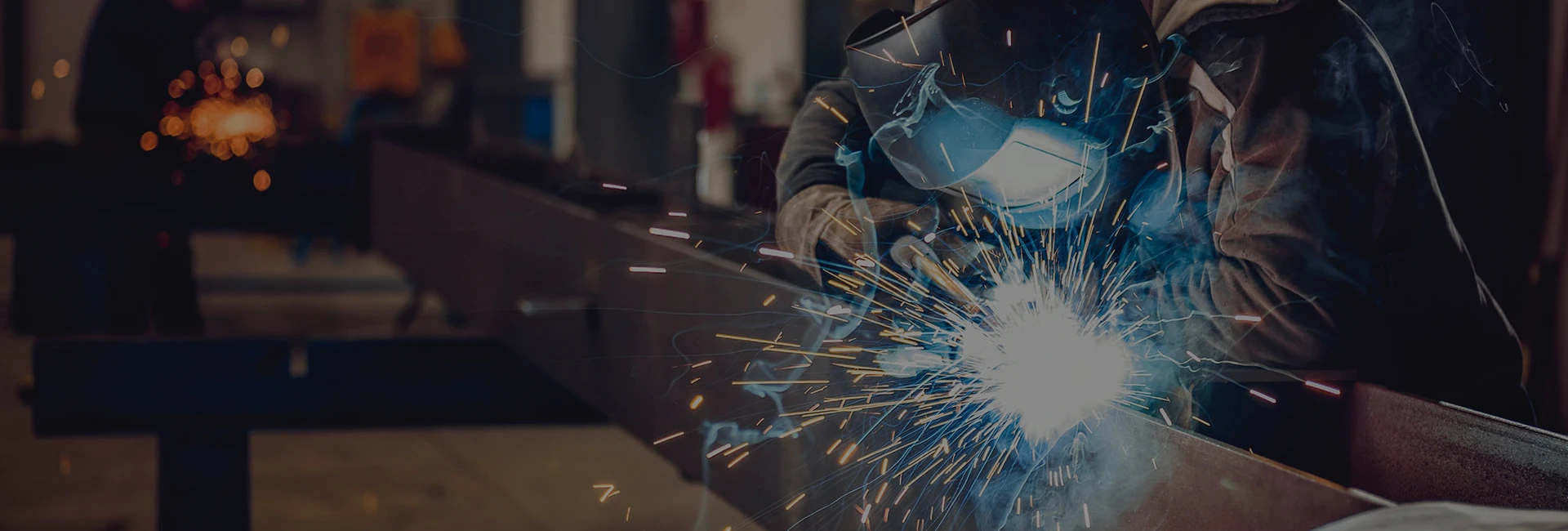
50 lb 7018 Welding Rod – Durable, Versatile Welding Electrodes for Industry

50 lb 7018 Welding Rod – Durable, Versatile Welding Electrodes for Industry
Nov . 30, 2025 07:15
What is the 50 lb 7018 Welding Rod and Why Does It Matter?
At first glance, a 50 lb 7018 welding rod might just seem like another item on the welder’s shopping list — a straightforward consumable. But it’s actually a linchpin in the construction, manufacturing, and repair industries worldwide. Its role is anything but trivial, particularly when you consider that infrastructure projects, from bridges to pipelines, depend on reliable welds. In fact, the demand for high-quality welding consumables is tightly linked to global economic growth and industrial modernization, as documented by organizations like the ISO.
Understanding the ins and outs of the 7018 rod, especially in the popular 50-pound packaging, is crucial for businesses and craftsmen who value durability, safety, and cost efficiency. Plus, choices made on the shop floor ripple upwards, affecting everything from project budgets to environmental footprints.
Global Context: Welding Rods in World Industry
Welding rods aren’t just tools; they’re the unsung heroes in a world moving explosively towards infrastructure expansion and maintenance. According to the World Bank, global infrastructure investments are expected to reach tens of trillions of USD in the next decade, heavily relying on proven welding consumables like the 7018 rod. Yet, this demand creates challenges: production consistency, supply logistics, and quality control in sometimes remote or politically unstable regions.
In practice, the 7018 welding rod addresses some of these points by offering a versatile yet robust consumable for manual metal arc welding (MMA). It’s quite popular in regions where automation hasn't quite taken over all fabrication processes and where skilled welders rely on dependable rods to keep projects on track without compromise.
What Exactly Is a 50 lb 7018 Welding Rod?
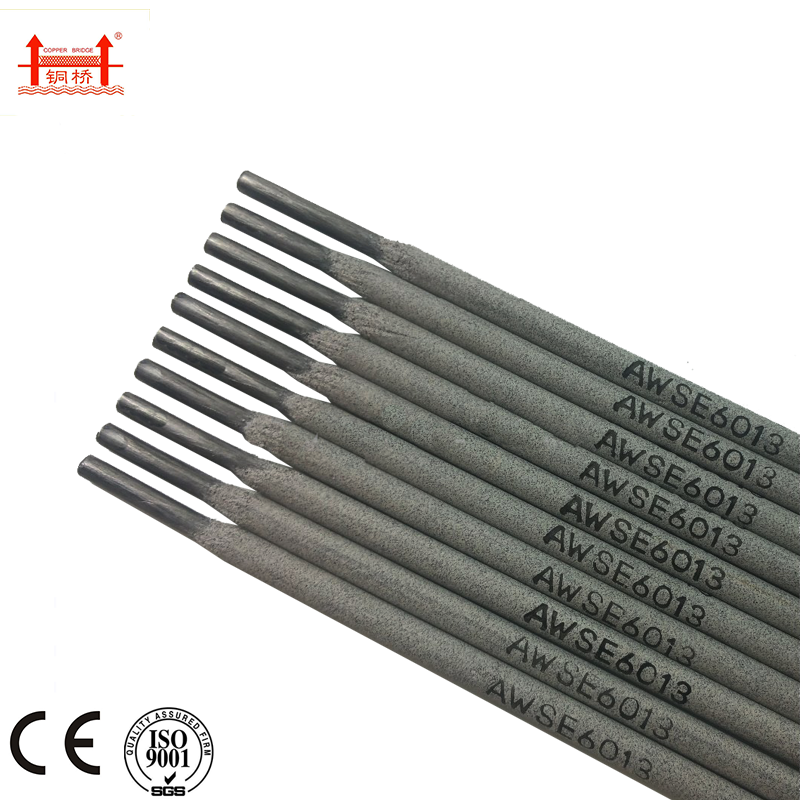
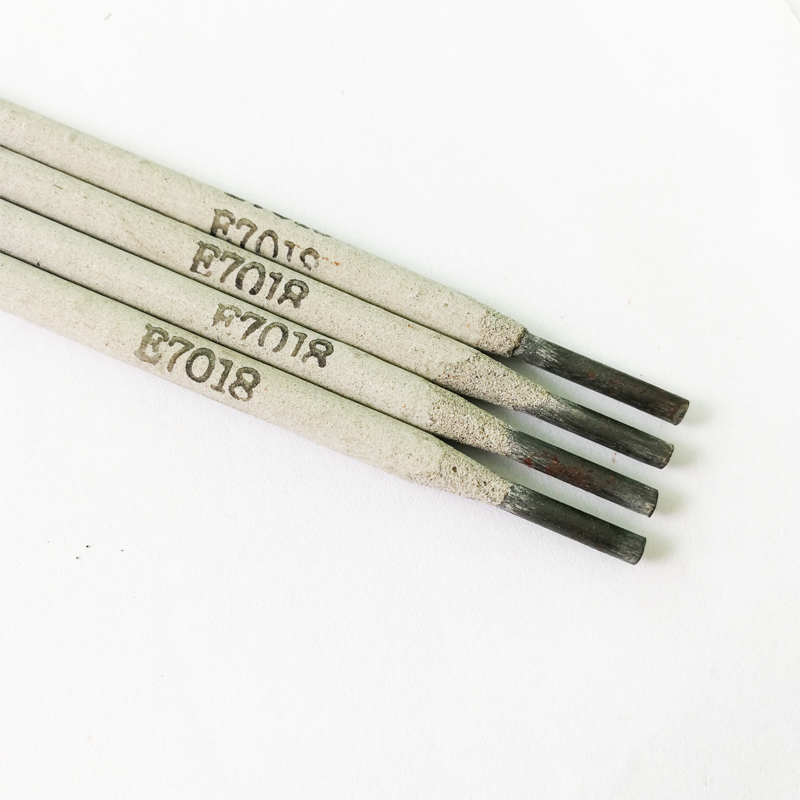
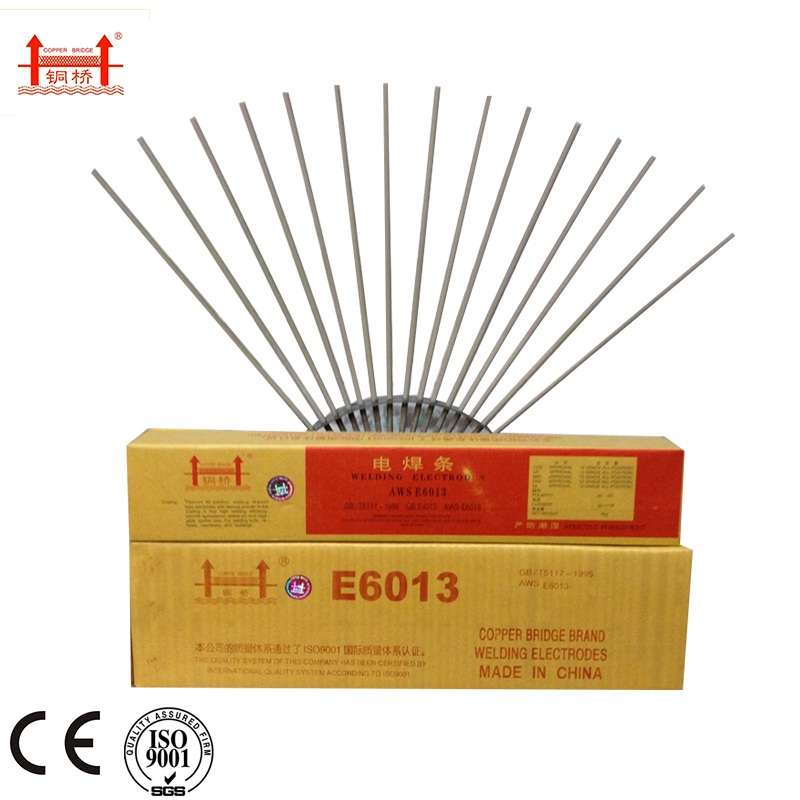
Simply put, the 50 lb 7018 welding rod is a low-hydrogen, iron powder coated electrode weighing fifty pounds per bundle — designed for stick welding mild and low alloy steels.
The “7018” classification breaks down into:
- 70 – The tensile strength of the weld (70,000 psi)
- 1 – Indicates it can be used in all positions (flat, vertical, overhead, etc.)
- 8 – Low hydrogen potassium iron powder coating
This rod is prized for producing welds that are ductile, crack-resistant, and strong. That last point makes it popular in industries where safety and structural integrity can’t be compromised—think pipelines, construction, and heavy machinery repairs.
Connection to Modern Industry and Humanitarian Needs
These rods help keep the world’s critical infrastructure standing and are sometimes literally lifesavers. For example, in disaster zones, welding robust structures or repairing machinery hinges on reliable consumables like the 7018 rod. Without it, emergency repairs might fail under pressure, risking lives or delaying aid.
Core Components That Make the 7018 Rod a Go-To Choice
1. Durability
One of the key selling points is that 7018 rods create welds that are exceptionally resistant to cracking and corrosion. The low hydrogen coating helps prevent weld defects, which is crucial because brittle cracks can cause structural failures down the line.
2. Versatility
The “all position” performance means welders can use the rod on vertical, overhead, or horizontal surfaces. This flexibility saves time and reduces the need for multiple rod types on site — especially helpful in jobs with tight deadlines.
3. Cost Efficiency
While not the cheapest rod out there, the 7018’s payoff comes from fewer weld repairs and reworks. It weighs 50 pounds per bundle, which for high-volume projects means less frequent restocking and smoother workflows.
4. Consistency and Quality
Manufacturers maintain stringent quality standards to ensure each rod delivers uniform performance. This reduces variability, which welders often say can be the difference between a successful weld and a frustrating job.
5. Ease of Use
For semi-skilled or professional welders, the 7018 rod is fairly easy to handle. This benefits construction sites and repair facilities by shortening training curves and boosting productivity.
Mini takeaway: The 50 lb 7018 welding rod excels because of its durability, reliability, and multi-purpose use—qualities that make it essential, not just nice-to-have.
Practical Applications Around the World
The 7018 rod finds itself in a variety of industries and geographies, often where infrastructure durability is key:
- Oil & Gas: Pipelines and refinery repairs depend heavily on the low-hydrogen properties to resist cracking in demanding environments.
- Construction: Steel frame buildings and bridges where structural integrity and longevity are non-negotiable.
- Shipbuilding & Marine: Saltwater exposure demands corrosion-resistant welds.
- Emergency Repairs: In post-disaster relief operations, welding reliable temporary structural supports or restoring damaged vehicles can be critical.
- Remote Industrial Zones: Regions with limited access to high-tech automation still rely on manual welding using 7018 electrode rods for routine maintenance.
Product Specification Table
| Specification | Detail |
|---|---|
| Rod Type | Low hydrogen iron powder coated |
| Tensile Strength | 70,000 psi |
| Rod Diameter | 1/8", 5/32", 3/16" (varies by application) |
| Weight per Bundle | 50 lb (approx. 22.7 kg) |
| Welding Positions | All positions (flat, vertical, overhead, horizontal) |
| Storage Requirements | Dry storage at ≤ 125°F; avoid moisture |
Comparing Top Vendors of the 50 lb 7018 Welding Rod
| Vendor | Price per 50 lb Bundle | Quality Certification | Delivery Speed | Customer Support |
|---|---|---|---|---|
| Jinlong Welding Electrode | $120 - $140 | ISO 2560-A | 3-5 Days | 24/7 Expert Assistance |
| Global Weld Supplies | $115 - $135 | AWS Certified | 5-7 Days | Business Hours Support |
| SteelPro Rods | $125 - $145 | ISO and AWS | 2-4 Days | Live Chat Available |
Advantages & Long-Term Value of the 50 lb 7018 Welding Rod
The tangible benefits offered by this welding rod go beyond simple functionality. Cost savings come from reduced repairs and improved weld life. Its low hydrogen content directly reduces weld cracking, which means fewer costly structural failures or rework hours.
But there’s also an emotional side: welders trust these rods because they boost confidence in every bead laid down. In hazardous or life-critical industries, this trust can’t be underestimated. Plus, the rods allow for safer working environments due to consistent, clean welds.
From a sustainability perspective, producing long-lasting welds means fewer replacements and less waste — a small but meaningful step toward greener manufacturing.
Emerging Trends & Innovations in Welding Rod Technology
The welding industry is evolving. Expect innovations like:
- Improved flux coatings that further reduce hydrogen content and improve weld penetration
- Environmentally friendlier production methods to reduce carbon footprints
- Integration with automation systems that monitor electrode usage and welding quality in real-time
- Development of rods optimized for new steel alloys and even green energy infrastructure components
Brands like Jinlong Welding Electrode are already investing to stay ahead, mixing tradition with tech.
Challenges and How Experts Are Solving Them
One persistent challenge is moisture absorption in 7018 rods, which compromises weld quality. Careful storage is vital, but this isn’t always feasible in remote or harsh conditions. That’s why some vendors provide “dry-pack” rods or recommend on-site ovens to preserve rod integrity.
Another issue is ensuring welders maintain consistent technique with manual rods. Training combined with advances in welding automation and digital monitoring helps reduce human error and improve outcomes.
Frequently Asked Questions About 50 lb 7018 Welding Rod
- Q1: How long do 7018 welding rods last once opened?
- A1: Typically, 7018 rods should be used within 4 to 5 hours after opening to avoid moisture absorption. If rods get damp, they should be baked at 250°F (121°C) for one hour to restore performance.
- Q2: Can I use 50 lb 7018 rods for heavy structural steel welding?
- A2: Absolutely. The 7018 rod meets the tensile strength requirements (70,000 psi) for most structural welding jobs and provides crack-resistant welds suitable for critical load-bearing structures.
- Q3: Is the 50 lb packaging suitable for small shops or just large-scale projects?
- A3: It’s mostly cost-effective for large or medium projects due to bulk size, but small shops do use it by splitting bundles. Proper storage is essential to prevent drying issues.
- Q4: What industries rely the most on 7018 welding rods?
- A4: Oil and gas, construction, shipbuilding, and heavy equipment repair are among the top sectors benefiting from the rod’s properties.
- Q5: How does the 7018 rod compare environmentally to other welding methods?
- A5: The 7018 rod produces durable welds that last longer, reducing rework and waste. While stick welding isn't the greenest welding type, efforts around manufacturing and recyclability are improving its environmental footprint.
In Conclusion
The 50 lb 7018 welding rod remains an invaluable asset across global industries, merging durability, quality, and versatility into a single consumable. It not only enables safer, stronger welds but supports economic and infrastructure development worldwide. If you’re searching for reliable welding rods, take a moment to explore options carefully — maybe starting with a trusted supplier like Jinlong Welding Electrode.
Invest in quality rod stock now, and you’ll thank yourself on that rainy jobsite day when everything holds firm.
References

Related Video

Related News


2026-04-16 02:35:10
Precision Guide for e312 16 welding rod and Dissimilar Steel Welding
In the demanding world of industrial fabrication and repair, selecting the correct filler metal is the difference between a structural failure and a lifetime bond. The e312 16 welding rod is specifically engineered to meet the rigorous needs of welding dissimilar steels, offering an exceptional balance of strength and corrosion resistance. Whether you are working on high-pressure pipelines or heavy machinery components, understanding the nuances of this specialized electrode is key to achieving professional-grade results. This guide explores the technical advantages and practical applications of the E312 series to help you optimize your welding workflow.
2026-04-09 02:35:17
Choosing the Right cs to ss welding rod number Professional Guide
Joining carbon steel (CS) to stainless steel (SS) is a common challenge in industrial fabrication, requiring a precise understanding of metallurgy to avoid weld failure. The most critical decision in this process is identifying the correct cs to ss welding rod number to ensure a strong, corrosion-resistant bond. Using the wrong filler metal can lead to cracking or premature oxidation due to the different thermal expansion rates of the two materials. In this comprehensive guide, we will break down the technical specifications and selection criteria to help you achieve a professional-grade weld every time.
2026-04-07 02:25:29
Comprehensive Guide to 409 Welding Rod Selection and Optimal Usage
When it comes to welding applications requiring corrosion resistance and good weldability, the 409 welding rod is a frequently chosen option. This article provides a detailed overview of this versatile welding rod, exploring its composition, applications, benefits, and considerations for optimal use. Whether you’re a seasoned professional or new to welding, understanding the properties of 409 welding rod is crucial for achieving high-quality, durable welds. We’ll cover everything you need to know to make informed decisions for your welding projects.
2026-04-04 02:35:28
Comprehensive Guide to 330 Stainless Steel Welding Rod Applications and Techniques
330 stainless steel welding rods are a crucial component in various industries, offering exceptional corrosion resistance and high-temperature strength. This article provides an in-depth look at these rods, covering their properties, applications, choosing the right rod, welding techniques, safety precautions, and where to find high-quality options. Whether you're a seasoned welding professional or new to the field, this guide will offer valuable insights.
2026-03-31 02:35:08
Comprehensive Guide to 312 Stainless Tig Rod for Superior Welding Performance
When choosing the right filler metal for your TIG welding projects, especially in demanding applications, 312 stainless steel tig rod stands out for its exceptional corrosion resistance and high-temperature strength. This comprehensive guide will explore its composition, applications, benefits, and how it compares to other stainless steel rods. We'll also point you to resources for sourcing high-quality rods.
2026-03-28 02:45:04
Comprehensive Guide to 312 17 Welding Rod Applications and Technical Details
Welding rods are essential consumables in the welding process, and selecting the right one is crucial for achieving strong, durable, and high-quality welds. The 312 17 welding rod is a popular choice for many applications due to its unique properties and versatility. This article delves into the characteristics, applications, benefits, and considerations when using 312 17 welding rods, providing a comprehensive resource for welders and engineers alike. Choosing the right rod directly impacts the success and longevity of any welding project.
2026-03-26 02:35:10
Comprehensive Guide to the 312 16 Welding Rod for Superior Steel Welding
The 312 16 welding rod is a versatile and widely-used electrode in various welding applications. Known for its excellent weldability and strong mechanical properties, it's a go-to choice for professionals and hobbyists alike. This article delves into the specifics of this electrode, covering its composition, applications, advantages, and how to choose the right one for your projects. Understanding the nuances of the 312 16 welding rod is crucial for achieving high-quality, durable welds. The designation "312 16" provides key information about the welding rod. "312" refers to the type of flux coating, specifically a low-hydrogen, iron powder coating. This coating is designed to produce welds with excellent mechanical properties and good resistance to cracking. The "16" indicates the diameter of the rod in 32nds of an inch – so a 312 16 rod has a diameter of 16/32 or 1/2 inch. This combination makes it suitable for a wide range of steel welding applications. The low-hydrogen nature of the flux minimizes hydrogen-induced cracking, a common issue in welding certain steels.
2026-03-24 02:45:07
Comprehensive Guide to 309LSI TIG Rod Welding Applications and Best Practices
The 309LSI TIG rod is a versatile welding consumable widely used across various industries for its exceptional corrosion resistance and weldability. This article will explore the properties, applications, advantages, and best practices associated with using 309LSI TIG rods. Whether you're a seasoned welding professional or new to the field, this guide will provide you with valuable insights into maximizing the performance and longevity of your welds. The 309LSI TIG rod is a stainless steel electrode specifically designed for Gas Tungsten Arc Welding (GTAW), commonly known as TIG welding. The "309LSI" designation indicates the alloy composition: 309 signifies the chromium-nickel content, 'L' denotes low carbon content for enhanced corrosion resistance, and 'SI' signifies stabilized with silicon for improved resistance to carbide precipitation during welding.

 English
  Arabic
  Bengali
  China
China  French
  German
  Hausa
Hausa  Indonesian
  Italian
  Japanese
  Javanese
  Malay
Malay  Persian
  Portuguese
  Punjabi
  Russian
  Spanish
  Swahili
  Telugu
  Vietnamese