

Comprehensive Guide to AWS A5.1 E6013 Welding Electrodes – Specs & Uses

Comprehensive Guide to AWS A5.1 E6013 Welding Electrodes – Specs & Uses
Nov . 27, 2025 04:15
Unlocking the Potential of AWS A5.1 E6013: What You Need to Know
So, you’ve probably come across the term AWS A5.1 E6013 if you’ve ever dabbled in welding or manufacturing. But what exactly is it, and why is it quietly driving so much of global industry and infrastructure forward? More importantly, why should anyone outside of welding shops and construction sites really care? Well, understanding this standard and its associated electrode type not only helps ensure quality and safety in fabrication but also affects sectors ranging from automotive to humanitarian aid. Stick around, because there’s more than just a tin of rods behind these cryptic letters.
The Global Importance of AWS A5.1 E6013
A quick glance at global manufacturing stats reveals that welding-related industries contribute trillions annually to the global economy – and that’s not fluff. According to the International Labour Organization (ILO), millions of jobs depend on reliable welding products and practices, and standards like aws a5 1 e6013 play a critical role in ensuring consistent quality worldwide. Interestingly, while welding technology has often been the unsung hero in infrastructure-heavy industries—bridges, pipelines, even shipbuilding—it's now increasingly vital for innovations pushing green energy and sustainable transport.
Yet, there's a practical, real-world challenge here: inconsistent electrode quality can lead to structural weaknesses, causing failures or costly repairs. Enter AWS A5.1 E6013, a specification that helps reduce this risk.
Mini takeaway: Understanding standards like AWS A5.1 E6013 isn’t just a nitpicky engineering detail—it’s essential for global safety, economy, and innovation.
Defining AWS A5.1 E6013: A Primer
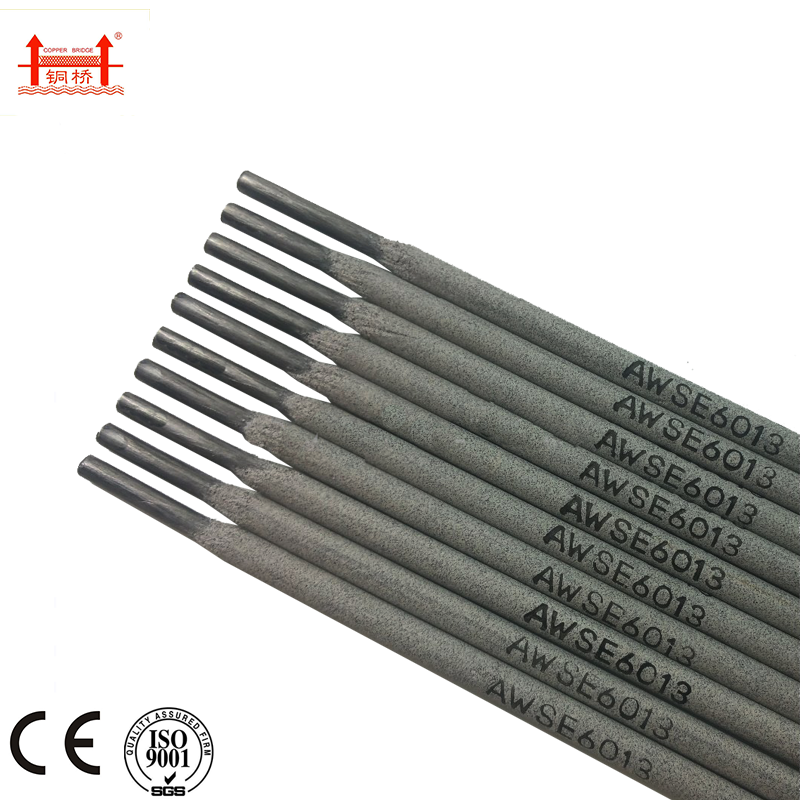
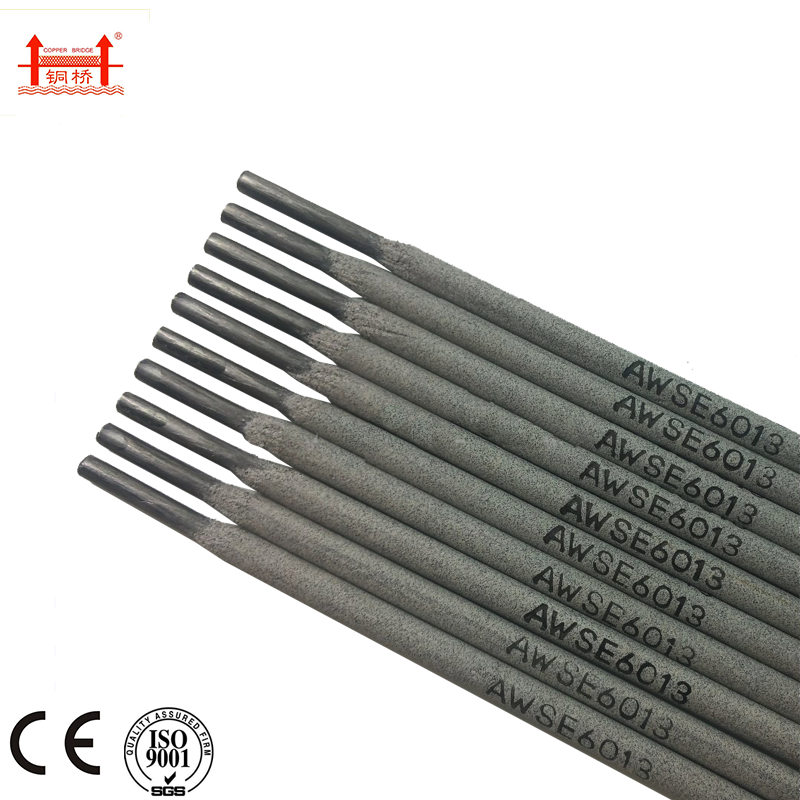
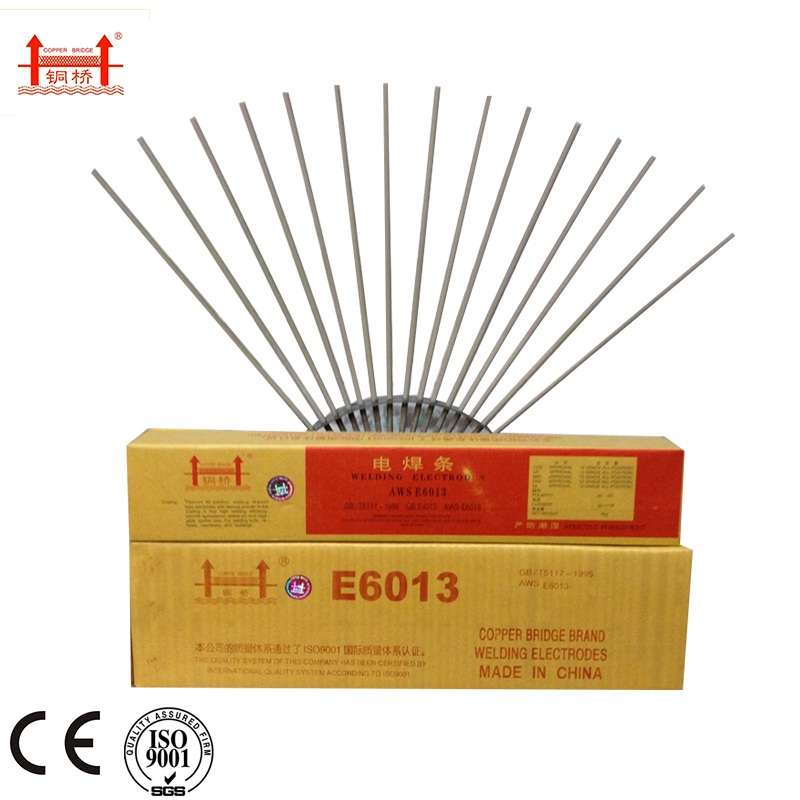
Let’s simplify. AWS stands for the American Welding Society, and A5.1 is their specification standard for carbon steel electrodes used in Shielded Metal Arc Welding (SMAW). The E6013 part is a particular electrode classification under this specification: "E" for electrode, "60" for tensile strength roughly 60,000 psi, "1" meaning it can be used in all positions, and "3" refers to the type of coating and usability.
In plain English, E6013 electrodes are versatile, easy-to-use welding rods favored for their smooth arc, moderate penetration, and clean welds. They’re everywhere—from industrial workshops to remote construction sites and even disaster relief operations where equipment simplicity matters.
Mini takeaway: AWS A5.1 E6013 electrodes are the all-rounders of welding — predictable, reliable, and universal.
What Makes E6013 Electrodes Tick? Core Factors Explained
1. Welding Versatility
The E6013 thrives across all welding positions—vertical, overhead, flat, and horizontal. This flexibility matters greatly for industries that deal with complex structures or tight spots.
2. Smooth Arc and Low Spatter
Many welders appreciate the relatively mild arc and minimal spatter of E6013 rods, which results in cleaner weld seams and less post-weld cleanup. This saves time and reduces cost.
3. Coating Composition
The electrode’s rutile flux coating gives it stability and ease of striking the arc, allowing for softer weld beads suitable for thin sheet metals.
4. Moderate Penetration Depth
Its penetration is sufficient for mild steel plates but not aggressive. This makes it perfect where superficial weld strength and appearance trump heavy-duty joining.
5. Cost-Efficiency
These electrodes are among the most affordable on the market, balancing performance with price to benefit small workshops and large plants alike.
6. Operator Friendliness
E6013 is often recommended for beginners due to its forgiving nature and smooth arc starts.
Mini takeaway: E6013 electrodes marry versatility and simplicity, a formula that keeps them relevant even as welding tech stakes rise.
Real-World Applications: Where AWS A5.1 E6013 Runs the Show
Oddly enough, E6013 welding electrodes have found their way into some surprising places:
- Infrastructure projects: Bridges, pipelines, and light structural steel frames benefit from its reliable joint formation.
- Automotive repair: Bodyshops often use E6013 for its clean beads on sheet metals and ease of use.
- Shipbuilding and repair: Its electrode coating helps combat humidity and poor weather conditions prevalent in coastal yards.
- Disaster relief & remote builds: NGOs and agencies use straightforward electrodes like E6013 for quick shelters or repairs, largely because specialized equipment isn’t required.
Regions with emerging manufacturing sectors from Southeast Asia to Africa increasingly depend on such dependable and easy-to-handle welding rods to boost production quality.
Specifications Overview of AWS A5.1 E6013 Electrodes
| Specification | Details |
|---|---|
| Tensile Strength | ~60,000 psi |
| Welding Position | All positions (flat, vertical, horizontal, overhead) |
| Flux Coating | Rutile-type coating |
| Current Type | AC or DC+ |
| Typical Uses | Light structural welding, sheet metal, temporary fixes |
| Spatter Level | Low to moderate |
Comparing Top Vendors of AWS A5.1 E6013 Electrodes
| Vendor | Price per kg (USD) | Customer Rating | Key Feature | Global Shipping |
|---|---|---|---|---|
| Jinlong Welding Electrode | $5.50 | 4.7/5 | Consistent quality, strong flux coating | Available |
| Lincoln Electric | $6.00 | 4.8/5 | Premium brand, reliable performance | Limited |
| ESAB | $5.80 | 4.6/5 | Wide range of diameters | Available |
Advantages and the Long-Term Value of Using AWS A5.1 E6013 Electrodes
In real terms, E6013 electrodes offer a blend of affordability, reliability, and ease that often outshines higher-performance counterparts in the wrong applications. For example, lower spatter means less weld clean-up, translating directly into saved labor hours. Been in workshops where welders gripe about messy rods? E6013 is their go-to.
On a bigger scale, consistent welds under all positions promote safer structures, minimizing risks of collapse or premature failure. There’s also a sustainability angle – because it’s so accessible, repairs happen sooner rather than later, extending the working life of equipment, vehicles, and structures.
And, frankly, there’s a dignity and trust factor — good welds mean peace of mind for engineers and workers alike, knowing the job is done right.
Emerging Trends and Innovations Surrounding AWS A5.1 E6013
Even a classic like E6013 isn’t immune to change. The push for greener manufacturing has engineers and suppliers exploring low-fume coatings and recycled materials, which might feel like a minor tweak but could drastically reduce toxic emissions on job sites.
There’s also growing integration of digital monitoring during welding. Imagine smart welders checking electrode conditions or arc stability on-the-fly, optimizing settings, or spotting flaws before they spell trouble.
Oddly enough, automation and robotics are now learning to handle rods like E6013 as they strive for consistent, high-quality welds even in tricky positions.
Challenges & How Experts Are Addressing Them
No product is perfect — with E6013, the main limitation is its moderate penetration, which doesn’t suit heavy structural joints requiring deep fusion. Many engineers know this but often feel that for general maintenance, the trade-off is worth it.
Furthermore, in humid conditions, storage and handling can affect electrode quality. Vendors like jinlongweldingelectrode have researched improved packaging solutions, like vacuum sealing and desiccant packs, to keep rods in pristine condition.
FAQ: Your Top Questions on AWS A5.1 E6013, Answered
- Q: Can I use E6013 electrodes for outdoor welding in wet conditions?
A: While E6013 rods can tolerate some moisture due to their rutile coating, it’s best practice to keep electrodes dry before use. Using damp rods can lead to weld defects. Store them properly and consider flux-coated rods specifically rated for harsh conditions when working outdoors frequently. - Q: How thick of metal can I weld with E6013?
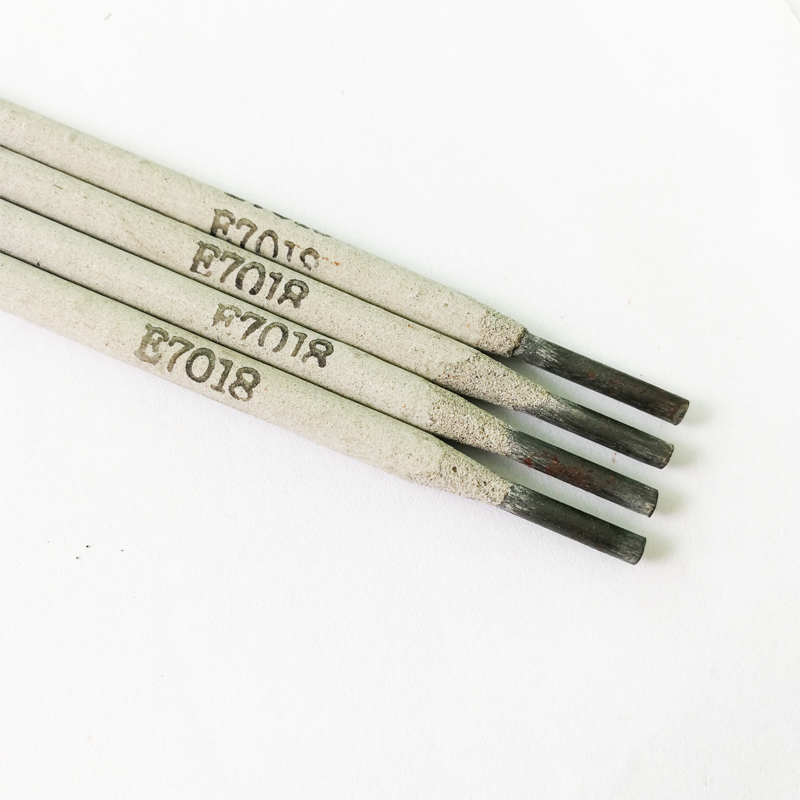
A: E6013 is best suited for thin to medium thickness mild steel, typically up to about 5/16 inch (8 mm). For thicker materials or structural welding, consider electrodes like E7018 with deeper penetration. - Q: Is E6013 suitable for beginners?
A: Absolutely. Many weld instructors recommend E6013 to newcomers because of its smooth arc and forgiving nature. It helps learners build confidence without dealing with excessive spatter or tricky arc starts. - Q: Are E6013 electrodes environmentally friendly?
A: Traditional E6013 rods have moderate fume emissions, but recent innovations in low-fume coatings are improving environmental performance. Still, proper ventilation and safety gear remain essential. - Q: Where can I buy reliable E6013 electrodes globally?
A: Trusted suppliers like Jinlong Welding Electrode offer global shipping and consistently high-quality products with good customer support, making them a popular choice worldwide.
Wrapping It Up: Why AWS A5.1 E6013 Still Matters
To circle back, the humble AWS A5.1 E6013 electrode packs far more punch than its unassuming appearance suggests. It’s the friend of job sites, the teacher of apprentices, and the backbone of quick, reliable welds across continents. Whether you’re maintaining a bridge, repairing a ship’s hull, or pitching a shelter in rugged terrain, this electrode probably plays a quiet role.
Want to dive deeper or source quality electrodes? Visit https://www.jinlongweldingelectrode.com to explore their trusted range.
In the end, it’s safe to say that welding standards like AWS A5.1 E6013 aren’t just for pipefitters or fabricators—they’re part of the global story of making things that last and matter.
References:
1. American Welding Society. AWS A5.1 specifications overview.
2. International Labour Organization (ILO) statistics on manufacturing and jobs.
3. Wikipedia - Shielded metal arc welding.

Related Video

Related News

2026-04-16 02:35:10
Precision Guide for e312 16 welding rod and Dissimilar Steel Welding
In the demanding world of industrial fabrication and repair, selecting the correct filler metal is the difference between a structural failure and a lifetime bond. The e312 16 welding rod is specifically engineered to meet the rigorous needs of welding dissimilar steels, offering an exceptional balance of strength and corrosion resistance. Whether you are working on high-pressure pipelines or heavy machinery components, understanding the nuances of this specialized electrode is key to achieving professional-grade results. This guide explores the technical advantages and practical applications of the E312 series to help you optimize your welding workflow.
2026-04-09 02:35:17
Choosing the Right cs to ss welding rod number Professional Guide
Joining carbon steel (CS) to stainless steel (SS) is a common challenge in industrial fabrication, requiring a precise understanding of metallurgy to avoid weld failure. The most critical decision in this process is identifying the correct cs to ss welding rod number to ensure a strong, corrosion-resistant bond. Using the wrong filler metal can lead to cracking or premature oxidation due to the different thermal expansion rates of the two materials. In this comprehensive guide, we will break down the technical specifications and selection criteria to help you achieve a professional-grade weld every time.
2026-04-07 02:25:29
Comprehensive Guide to 409 Welding Rod Selection and Optimal Usage
When it comes to welding applications requiring corrosion resistance and good weldability, the 409 welding rod is a frequently chosen option. This article provides a detailed overview of this versatile welding rod, exploring its composition, applications, benefits, and considerations for optimal use. Whether you’re a seasoned professional or new to welding, understanding the properties of 409 welding rod is crucial for achieving high-quality, durable welds. We’ll cover everything you need to know to make informed decisions for your welding projects.
2026-04-04 02:35:28
Comprehensive Guide to 330 Stainless Steel Welding Rod Applications and Techniques
330 stainless steel welding rods are a crucial component in various industries, offering exceptional corrosion resistance and high-temperature strength. This article provides an in-depth look at these rods, covering their properties, applications, choosing the right rod, welding techniques, safety precautions, and where to find high-quality options. Whether you're a seasoned welding professional or new to the field, this guide will offer valuable insights.
2026-03-31 02:35:08
Comprehensive Guide to 312 Stainless Tig Rod for Superior Welding Performance
When choosing the right filler metal for your TIG welding projects, especially in demanding applications, 312 stainless steel tig rod stands out for its exceptional corrosion resistance and high-temperature strength. This comprehensive guide will explore its composition, applications, benefits, and how it compares to other stainless steel rods. We'll also point you to resources for sourcing high-quality rods.
2026-03-28 02:45:04
Comprehensive Guide to 312 17 Welding Rod Applications and Technical Details
Welding rods are essential consumables in the welding process, and selecting the right one is crucial for achieving strong, durable, and high-quality welds. The 312 17 welding rod is a popular choice for many applications due to its unique properties and versatility. This article delves into the characteristics, applications, benefits, and considerations when using 312 17 welding rods, providing a comprehensive resource for welders and engineers alike. Choosing the right rod directly impacts the success and longevity of any welding project.
2026-03-26 02:35:10
Comprehensive Guide to the 312 16 Welding Rod for Superior Steel Welding
The 312 16 welding rod is a versatile and widely-used electrode in various welding applications. Known for its excellent weldability and strong mechanical properties, it's a go-to choice for professionals and hobbyists alike. This article delves into the specifics of this electrode, covering its composition, applications, advantages, and how to choose the right one for your projects. Understanding the nuances of the 312 16 welding rod is crucial for achieving high-quality, durable welds. The designation "312 16" provides key information about the welding rod. "312" refers to the type of flux coating, specifically a low-hydrogen, iron powder coating. This coating is designed to produce welds with excellent mechanical properties and good resistance to cracking. The "16" indicates the diameter of the rod in 32nds of an inch – so a 312 16 rod has a diameter of 16/32 or 1/2 inch. This combination makes it suitable for a wide range of steel welding applications. The low-hydrogen nature of the flux minimizes hydrogen-induced cracking, a common issue in welding certain steels.
2026-03-24 02:45:07
Comprehensive Guide to 309LSI TIG Rod Welding Applications and Best Practices
The 309LSI TIG rod is a versatile welding consumable widely used across various industries for its exceptional corrosion resistance and weldability. This article will explore the properties, applications, advantages, and best practices associated with using 309LSI TIG rods. Whether you're a seasoned welding professional or new to the field, this guide will provide you with valuable insights into maximizing the performance and longevity of your welds. The 309LSI TIG rod is a stainless steel electrode specifically designed for Gas Tungsten Arc Welding (GTAW), commonly known as TIG welding. The "309LSI" designation indicates the alloy composition: 309 signifies the chromium-nickel content, 'L' denotes low carbon content for enhanced corrosion resistance, and 'SI' signifies stabilized with silicon for improved resistance to carbide precipitation during welding.

 English
  Arabic
  Bengali
  China
China  French
  German
  Hausa
Hausa  Indonesian
  Italian
  Japanese
  Javanese
  Malay
Malay  Persian
  Portuguese
  Punjabi
  Russian
  Spanish
  Swahili
  Telugu
  Vietnamese