

Comprehensive Guide to AWS E6013 Welding Rod – Uses, Benefits & Global Insights

Comprehensive Guide to AWS E6013 Welding Rod – Uses, Benefits & Global Insights
Nov . 27, 2025 01:55
Understanding the AWS E6013 Welding Rod and Its Global Impact
If you’re working in metal fabrication or construction, chances are you’ve bumped into the AWS E6013 welding rod. But why does this humble little stick of coated metal deserve attention worldwide? Well, it’s actually a quiet hero behind many sturdy structures, pipelines, and repairs across the globe. Understanding its qualities isn’t just for welders or engineers; it matters to anyone invested in reliable infrastructure, industrial safety, or efficient manufacturing.
In essence, the AWS E6013 welding rod helps businesses and communities build with durability and ease. Whether it’s a bridge in a bustling city or an emergency fix in a remote village, knowing the ins and outs of this welding electrode unlocks reliability and cost-efficiency. Stick with me here — I’ll explain what makes it tick, and why it’s still a bestseller decades after its design.
aws e6013 welding rodGlobal Context: Why the AWS E6013 Matters Now More Than Ever
When you zoom out, the demand for robust welding rods like the AWS E6013 is tied to how fast infrastructure is growing globally, especially in developing economies. According to the World Bank, global infrastructure investment needs to exceed $94 trillion by 2040 just to keep pace with urbanization and climate resilience. Welding rods that offer ease of use and reliability will be crucial in projects ranging from water pipelines to power plants.
But here’s the kicker: many regions grappling with rapid construction also face skill shortages or challenging environments. The E6013 addresses this by being fairly forgiving – you don’t need perfect technique to get good welds, which makes it valuable worldwide. From the factories of Germany to rural clinics in Sub-Saharan Africa, this rod helps bridge the gap where precision tools or advanced machinery aren’t always available.
What Exactly is an AWS E6013 Welding Rod?
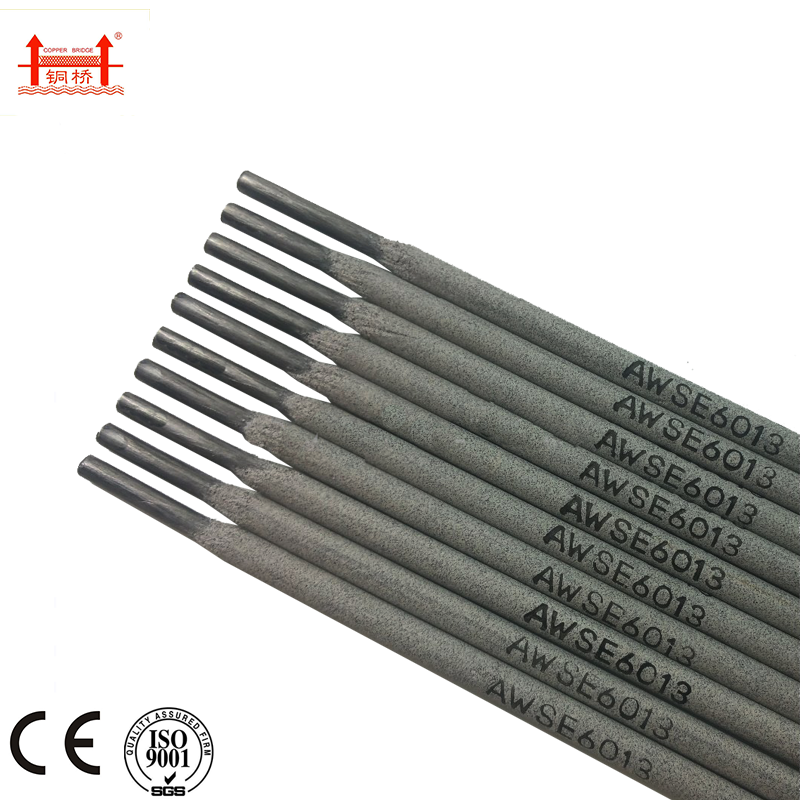
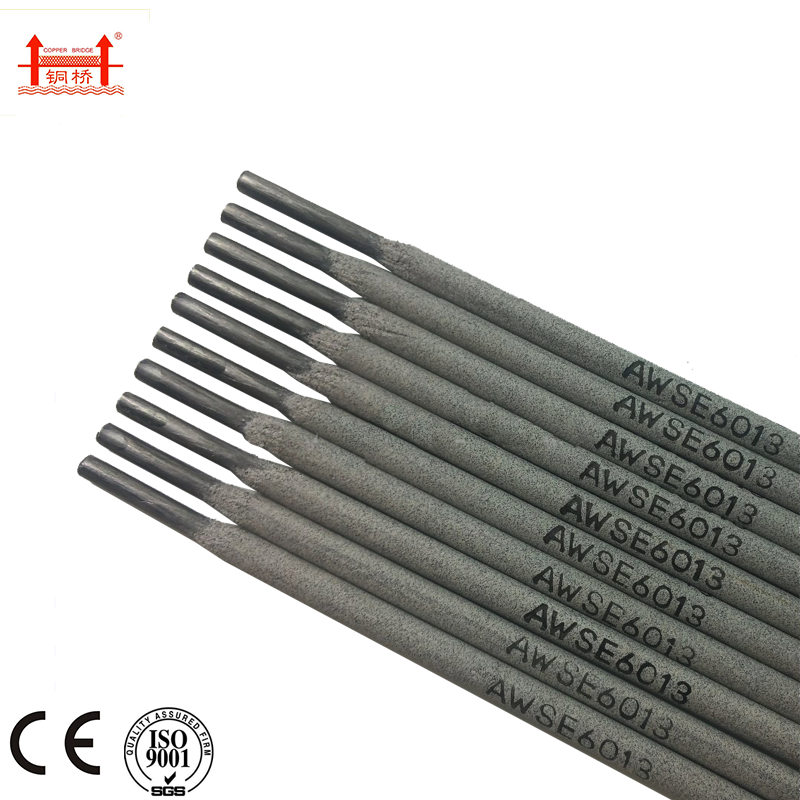
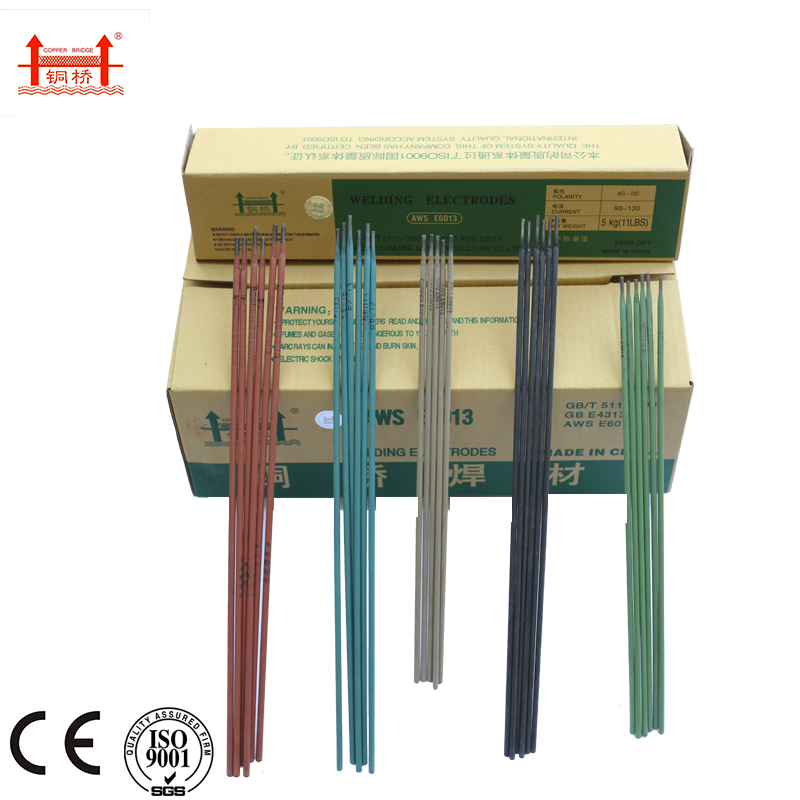
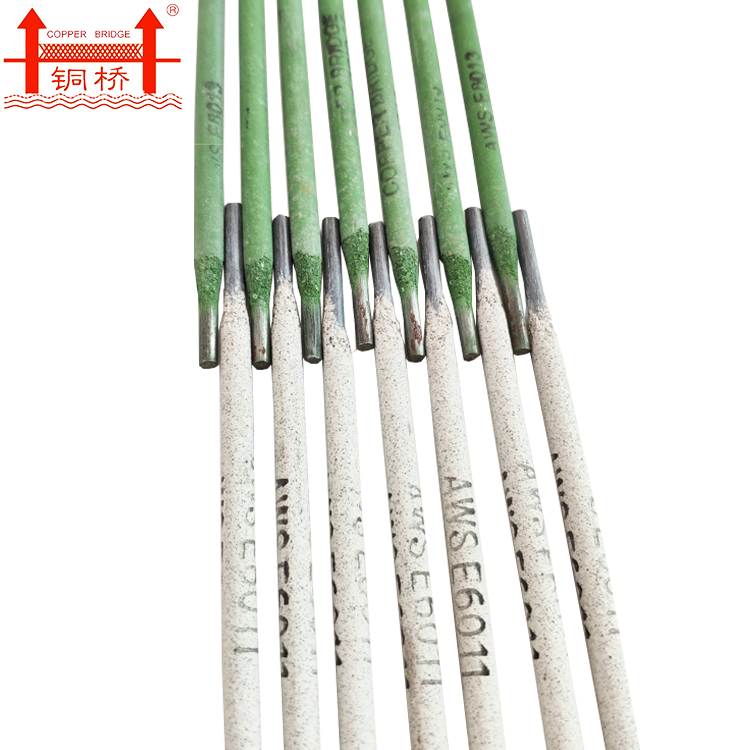
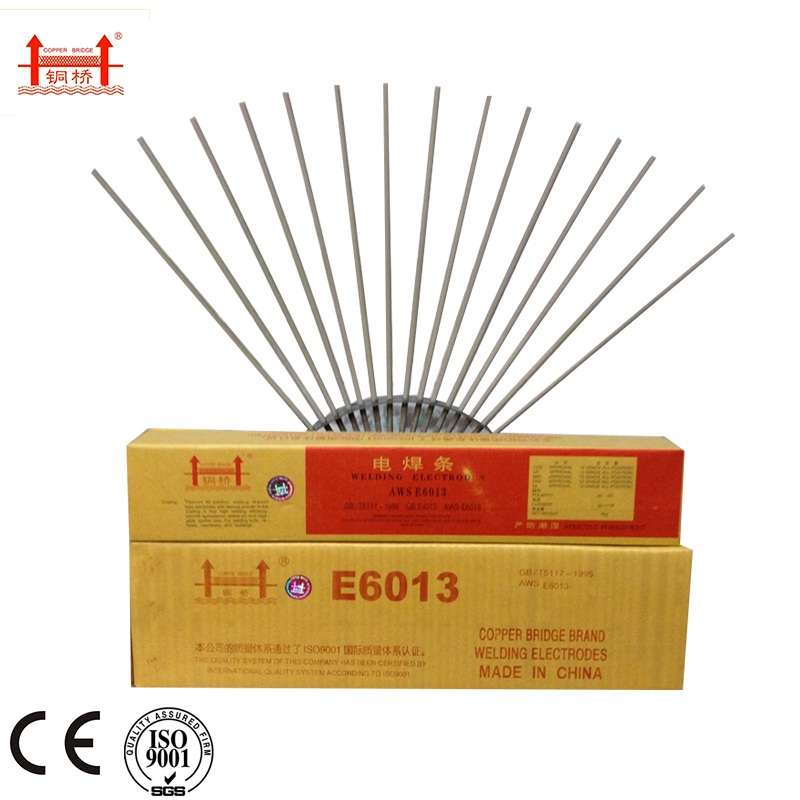
Simply put, the AWS E6013 welding rod is a type of coated electrode used in Shielded Metal Arc Welding (SMAW). The code breaks down as follows:
- 60 – Indicates the rod produces a weld with a minimum tensile strength of 60,000 psi.
- 1 – It’s suitable for all positions (flat, horizontal, vertical, overhead).
- 3 – The coating and current type suited for a smooth, light slag removal, typically Ac, DC, or AC welding.
What makes E6013 unique is its rutile-based flux coating. This not only stabilizes the arc for easier striking but also results in a smooth and aesthetically pleasing weld bead with low spatter. In practical terms, this translates into fewer reworks — a huge deal for efficiency.
Core Features of AWS E6013 Welding Rod
1. Ease of Use
Many professional welders swear by E6013 for training beginners, due to its forgiving arc and consistent strike. Its smooth arc minimizes spatter, so cleanup is faster. For someone starting out, not having to fight excessive smoke or erratic arcs means faster learning curves.
2. Versatility in Welding Positions
This rod excels in all positions — flat, vertical, overhead, or horizontal. That’s a practical lifesaver on uneven job sites where angles shift, and the welder has to adapt quickly.
3. Clean Weld Finish
The rutile coating produces a slag that peels off easily, revealing a smooth, dull surface that often needs minimal grinding or finishing.
4. Moderate Penetration
It provides enough penetration for thin to medium thickness metals (typically up to 5 mm), making it ideal for sheet metal and light structural work.
5. Compatibility with Mild Steel
The E6013 rod is primarily designed to weld mild and low-carbon steels — which represent the bulk of construction steel worldwide.
| Specification | Details |
|---|---|
| Diameter Range | 1/16" to 1/8" (1.6 mm – 3.2 mm) |
| Tensile Strength | 60,000 psi (415 MPa) |
| Current Type | AC, DC+, DC- |
| Position | All Positions (Flat, Vertical, Horizontal, Overhead) |
| Base Material | Mild Steel / Low Carbon Steel |
| Coating Type | Rutile |
Mini takeaway: The AWS E6013 welding rod’s design strikes a balance between ease and quality, making it indispensable for a wide range of practical applications.
Global Applications & Use Cases of AWS E6013 Welding Rod
Oddly enough, while it sounds technical, E6013 rods quietly power projects across continents. For instance:
- In Sub-Saharan Africa, NGOs and local workshops use E6013 rods to repair essential agricultural equipment rapidly and affordably, ensuring food security.
- In Southeast Asian shipyards, it’s the go-to for patching hulls where thin steel plates are common.
- Post-disaster sites, like after earthquakes or floods, benefit from the rod’s ease of use when constructing temporary shelters or fixing infrastructure quickly.
- In industrial fabrication, factories rely on E6013 rods for welding sheet metals in automotive or appliance manufacturing.
Its universal presence is a testament to how versatile this electrode is — spanning heavy industry to grassroots repairs.
Advantages and Long-Term Value
Many engineers say that using E6013 rods is like having a reliable partner on tough jobs. Here’s why:
- Cost Efficiency: Because it’s easy to handle and produces minimal cleanup, it reduces labor hours and material waste.
- Safety and Consistency: A stable arc means fewer mistakes that could weaken the welds, translating to safer structures.
- Sustainability: Longer-lasting welds and reduced rework translate to less environmental impact — less metal scrap and energy used.
- Emotional appeal: In places where skilled labor is short, these rods empower even novices to create trustworthy welds, aligning with dignity and opportunity in trades.
Looking Ahead: Innovations and Trends in Welding Electrodes
While AWS E6013 remains a classic, the welding world isn’t standing still. Future trends influencing rods and electrodes include:
- Eco-friendly coatings: Manufacturers are experimenting with lower fume, less toxic materials to improve welder health and environmental footprint.
- Automation integration: Robotics and digital welding machines require highly consistent electrodes — E6013’s smooth arc integrates well with emerging semi-automatic systems.
- Hybrid materials: Adaptations that allow welding of newer steel alloys or dissimilar metals while maintaining ease of use.
It’s fascinating to see innovation embracing tradition, combining the best of old and new.
Challenges & Practical Solutions
Frankly, even the best sticks have limitations:
- Limited penetration: E6013 isn’t suited for very thick metals or critical load-bearing welds that require deeper fusion.
- Porosity risks: In very damp environments, moisture can cause weld defects.
- Skill gap: Though forgiving, some technique is necessary to get consistently good welds.
Solutions often involve:
- Preheating metals in cold climates to reduce moisture-related defects.
- Proper storage of rods in dry boxes to keep flux coatings intact.
- Ongoing training, even short sessions, to sharpen arc control and travel speed.
FAQs About AWS E6013 Welding Rod
- Q: Can AWS E6013 welding rods be used for outdoor welding?
- A: Yes, but due to the rutile coating, they perform best in wind-shielded environments. For very windy or wet conditions, flux-cored wires or specialized electrodes may be preferred.
- Q: What thickness of metal can I weld with E6013 rods?
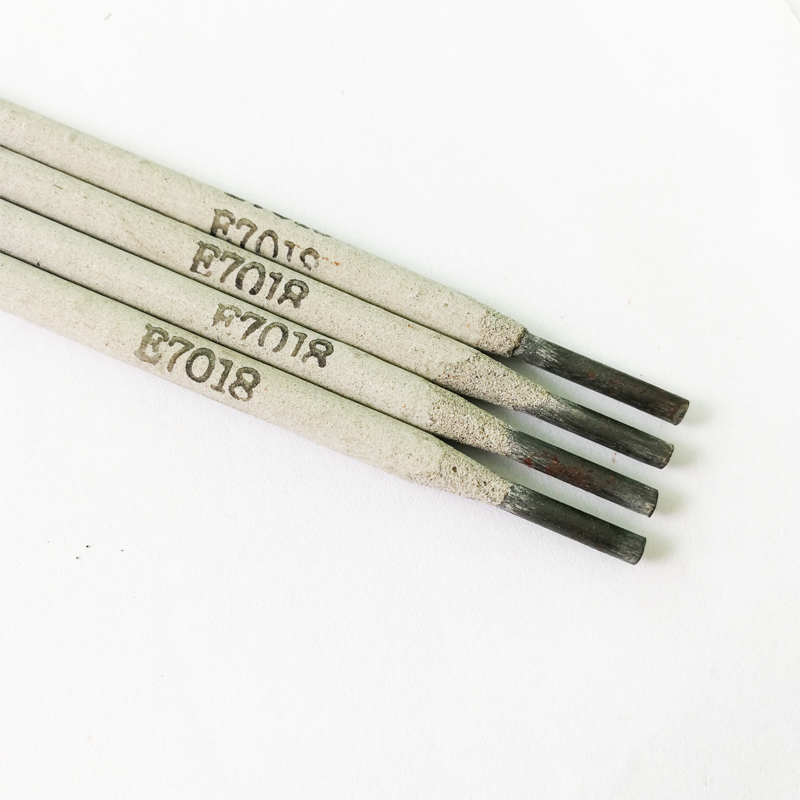
- A: Typically, E6013 rods are best for thin to medium thickness metals, up to about 5 mm. For thicker plates, a different rod like E7018 might be better.
- Q: Is it normal for E6013 rods to have a slight moisture smell?
- A: Occasionally a slight smell can develop if rods are stored improperly. Keeping them dry in sealed boxes is crucial to prevent weld defects.
- Q: Can beginners use AWS E6013 rods?
- A: Absolutely! They’re one of the best electrodes for those learning welding due to their forgiving arc and ease of striking.
- Q: Are E6013 rods suitable for welding stainless steel?
- A: No, they are mainly designed for mild steel. Stainless steel requires special electrodes designed for corrosion resistance.
Comparing Popular Vendors of AWS E6013 Welding Rods
| Vendor | Typical Rod Diameter (mm) | Packaging Options | Price Approx. (USD/kg) | Notable Features |
|---|---|---|---|---|
| Jinlong Welding Electrode | 2.5, 3.2 | 1.5kg, 5kg boxes | 6.50 | Stable arc; good for beginners |
| Lincoln Electric | 2.5, 3.2, 4.0 | 5kg, 10kg boxes | 8.00 | Wide availability; consistent quality |
| ESAB | 2.5, 3.2 | 2.5kg, 10kg tubs | 7.80 | Trusted brand; low spatter rods |
Conclusion: Why Keep AWS E6013 Welding Rods at Your Side?
Ultimately, the aws e6013 welding rod is a reliable workhorse built for simplicity and versatility. From rapid infrastructure development to earnest community repairs, it offers welders a trustworthy tool that blends quality with accessibility. Whether you’re an experienced professional or just getting your feet wet in welding, understanding this rod — its benefits, limitations, and applications — empowers you to build stronger, smarter.
Curious to explore your options or grab a batch? Visit https://www.jinlongweldingelectrode.com and equip yourself with quality electrodes that stand the test of time.
Mini takeaway: The AWS E6013 rod is more than metal — it’s a bridge to dependable construction and sustainable development worldwide.
References:

Related Video

Related News
2026-04-16 02:35:10
Precision Guide for e312 16 welding rod and Dissimilar Steel Welding
In the demanding world of industrial fabrication and repair, selecting the correct filler metal is the difference between a structural failure and a lifetime bond. The e312 16 welding rod is specifically engineered to meet the rigorous needs of welding dissimilar steels, offering an exceptional balance of strength and corrosion resistance. Whether you are working on high-pressure pipelines or heavy machinery components, understanding the nuances of this specialized electrode is key to achieving professional-grade results. This guide explores the technical advantages and practical applications of the E312 series to help you optimize your welding workflow.
2026-04-09 02:35:17
Choosing the Right cs to ss welding rod number Professional Guide
Joining carbon steel (CS) to stainless steel (SS) is a common challenge in industrial fabrication, requiring a precise understanding of metallurgy to avoid weld failure. The most critical decision in this process is identifying the correct cs to ss welding rod number to ensure a strong, corrosion-resistant bond. Using the wrong filler metal can lead to cracking or premature oxidation due to the different thermal expansion rates of the two materials. In this comprehensive guide, we will break down the technical specifications and selection criteria to help you achieve a professional-grade weld every time.
2026-04-07 02:25:29
Comprehensive Guide to 409 Welding Rod Selection and Optimal Usage
When it comes to welding applications requiring corrosion resistance and good weldability, the 409 welding rod is a frequently chosen option. This article provides a detailed overview of this versatile welding rod, exploring its composition, applications, benefits, and considerations for optimal use. Whether you’re a seasoned professional or new to welding, understanding the properties of 409 welding rod is crucial for achieving high-quality, durable welds. We’ll cover everything you need to know to make informed decisions for your welding projects.
2026-04-04 02:35:28
Comprehensive Guide to 330 Stainless Steel Welding Rod Applications and Techniques
330 stainless steel welding rods are a crucial component in various industries, offering exceptional corrosion resistance and high-temperature strength. This article provides an in-depth look at these rods, covering their properties, applications, choosing the right rod, welding techniques, safety precautions, and where to find high-quality options. Whether you're a seasoned welding professional or new to the field, this guide will offer valuable insights.
2026-03-31 02:35:08
Comprehensive Guide to 312 Stainless Tig Rod for Superior Welding Performance
When choosing the right filler metal for your TIG welding projects, especially in demanding applications, 312 stainless steel tig rod stands out for its exceptional corrosion resistance and high-temperature strength. This comprehensive guide will explore its composition, applications, benefits, and how it compares to other stainless steel rods. We'll also point you to resources for sourcing high-quality rods.
2026-03-28 02:45:04
Comprehensive Guide to 312 17 Welding Rod Applications and Technical Details
Welding rods are essential consumables in the welding process, and selecting the right one is crucial for achieving strong, durable, and high-quality welds. The 312 17 welding rod is a popular choice for many applications due to its unique properties and versatility. This article delves into the characteristics, applications, benefits, and considerations when using 312 17 welding rods, providing a comprehensive resource for welders and engineers alike. Choosing the right rod directly impacts the success and longevity of any welding project.
2026-03-26 02:35:10
Comprehensive Guide to the 312 16 Welding Rod for Superior Steel Welding
The 312 16 welding rod is a versatile and widely-used electrode in various welding applications. Known for its excellent weldability and strong mechanical properties, it's a go-to choice for professionals and hobbyists alike. This article delves into the specifics of this electrode, covering its composition, applications, advantages, and how to choose the right one for your projects. Understanding the nuances of the 312 16 welding rod is crucial for achieving high-quality, durable welds. The designation "312 16" provides key information about the welding rod. "312" refers to the type of flux coating, specifically a low-hydrogen, iron powder coating. This coating is designed to produce welds with excellent mechanical properties and good resistance to cracking. The "16" indicates the diameter of the rod in 32nds of an inch – so a 312 16 rod has a diameter of 16/32 or 1/2 inch. This combination makes it suitable for a wide range of steel welding applications. The low-hydrogen nature of the flux minimizes hydrogen-induced cracking, a common issue in welding certain steels.
2026-03-24 02:45:07
Comprehensive Guide to 309LSI TIG Rod Welding Applications and Best Practices
The 309LSI TIG rod is a versatile welding consumable widely used across various industries for its exceptional corrosion resistance and weldability. This article will explore the properties, applications, advantages, and best practices associated with using 309LSI TIG rods. Whether you're a seasoned welding professional or new to the field, this guide will provide you with valuable insights into maximizing the performance and longevity of your welds. The 309LSI TIG rod is a stainless steel electrode specifically designed for Gas Tungsten Arc Welding (GTAW), commonly known as TIG welding. The "309LSI" designation indicates the alloy composition: 309 signifies the chromium-nickel content, 'L' denotes low carbon content for enhanced corrosion resistance, and 'SI' signifies stabilized with silicon for improved resistance to carbide precipitation during welding.

 English
  Arabic
  Bengali
  China
China  French
  German
  Hausa
Hausa  Indonesian
  Italian
  Japanese
  Javanese
  Malay
Malay  Persian
  Portuguese
  Punjabi
  Russian
  Spanish
  Swahili
  Telugu
  Vietnamese