

Discover the Strength and Versatility of the 1 4 7018 Welding Rod | Jinlong

Discover the Strength and Versatility of the 1 4 7018 Welding Rod | Jinlong
Dec . 01, 2025 06:05
The Subtle Power of the 1 4 7018 Welding Rod: A Global Perspective
Now, what exactly is this 1 4 7018 welding rod everyone keeps referring to? If you’ve ever dabbled in construction, shipbuilding, or infrastructure maintenance, you’ve likely encountered a stick electrode or two. But the 7018 variant—especially the 1/4 inch size—has quietly become a key player worldwide. It’s not merely a piece of metal wrapped in flux; it’s a linchpin in industries that scaffold our modern life, from towering skyscrapers to vast pipelines.
Why does it matter globally? Because welding quality isn't just about holding metal together — it’s about ensuring safety, longevity, and sustainable development. The 1 4 7018 welding rod offers a reliable solution with high tensile strength and exceptional weld integrity. It bridges the gap between raw material and resilient structure, anchoring the ambitions of global industry and humanitarian projects alike.
Mini takeaway: Understanding the 1 4 7018 welding rod is like grasping a foundational tool in manufacturing and repair — uncomplicated yet critical for progress worldwide.
Global Relevance: How 1 4 7018 Welding Rod Fits Into the Bigger Picture
Globally, the welding industry’s scale is staggering. According to the International Organisation for Standardisation (ISO), millions of tons of steel structures rely on quality welding practices annually. The World Bank reports that infrastructure investment worldwide is expected to grow exponentially, particularly in developing nations hungry for reliable energy grids, transport facilities, and water supply systems.
Here’s the kicker: these projects demand consistent, high-quality welding consumables. The 1 4 7018 welding rod has become a go-to choice, thanks to its consistent performance and versatility. Think about it — from earthquake-prone Japan to sprawling oil rigs off the coast of Brazil, strong welds can literally save lives.
Mini takeaway: The 1 4 7018 welding rod answers the challenges of global infrastructure growth and safety demands.
What Exactly Is a 1 4 7018 Welding Rod?
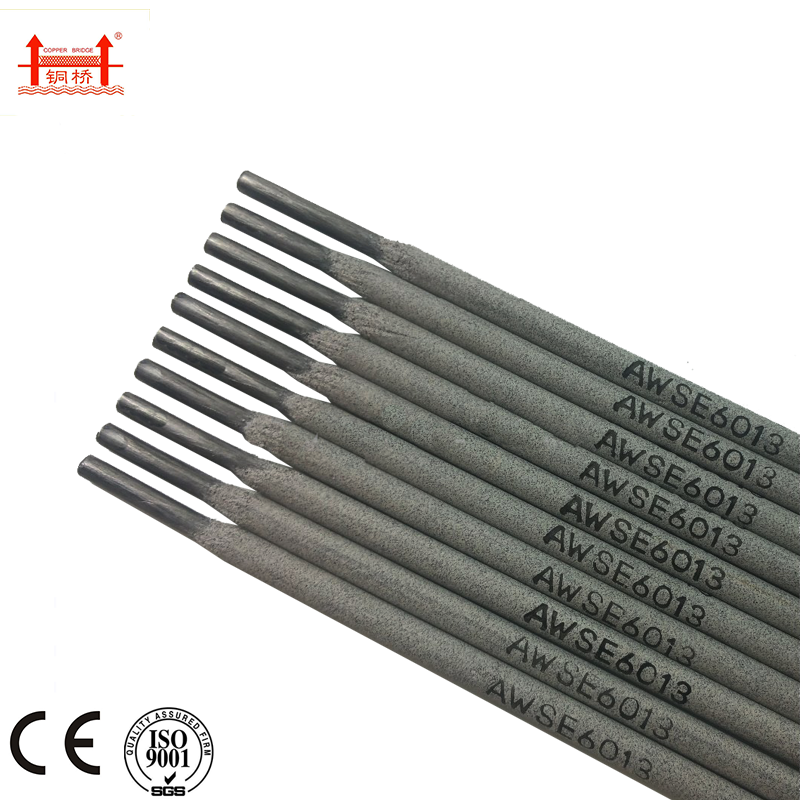
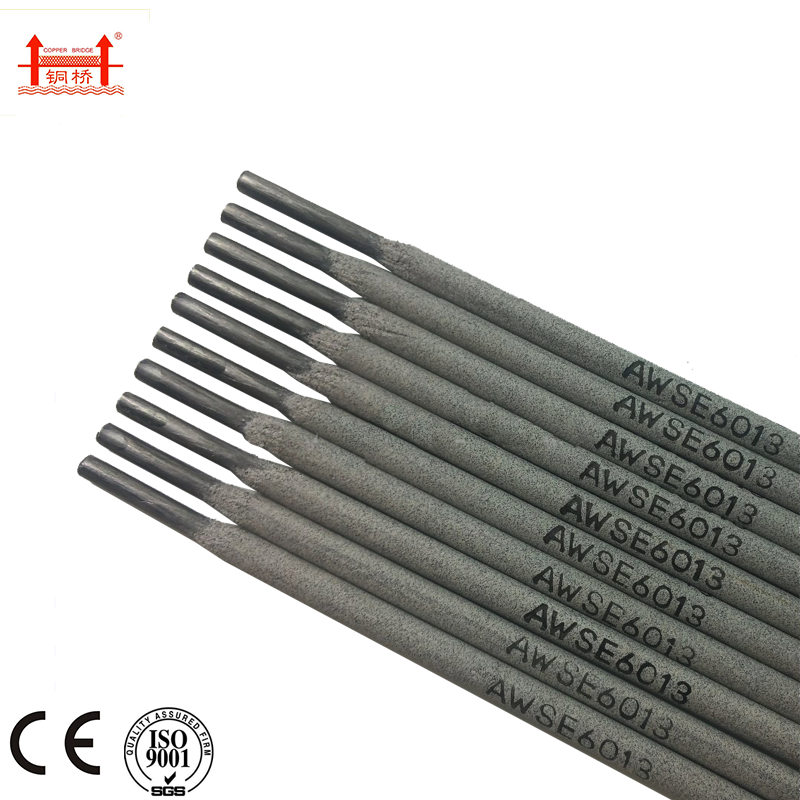
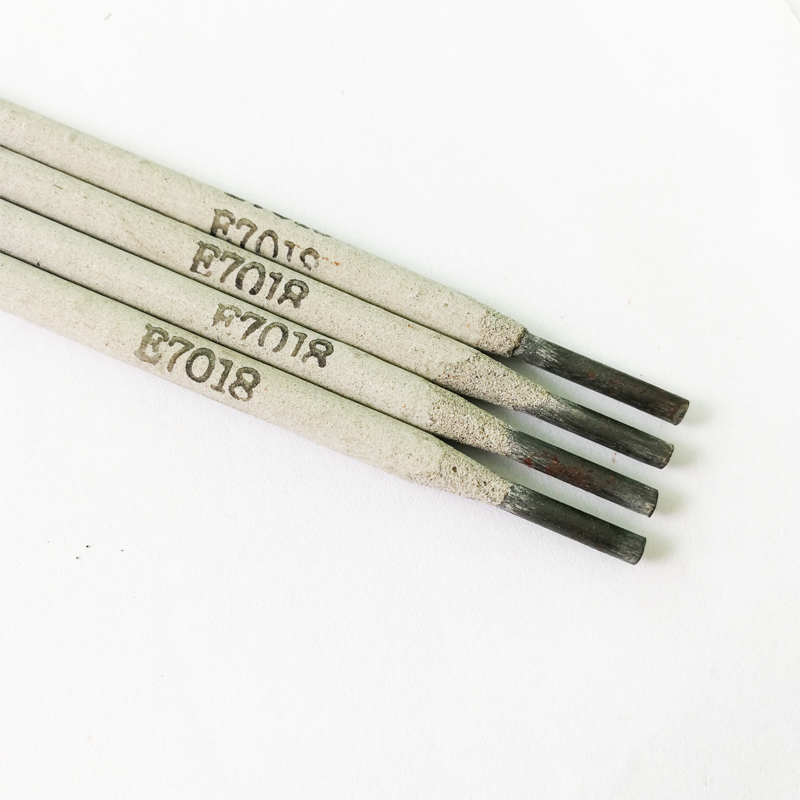
In plain terms, the 1 4 7018 welding rod is a 1/4-inch diameter low-hydrogen, iron powder-coated stick electrode classified under the AWS A5.1 standard. It’s designed primarily for shielded metal arc welding (SMAW) applications that require superior strength and ductility.
Why is it so popular? Because the “7018” classification means it can produce welds with a tensile strength of around 70,000 psi, and the 1/4 inch thickness strikes a balance between penetration and deposit volume—a sweet spot for many industrial tasks. This rod suits welding thick metals, making it a favorite for bridges, heavy machinery, and pipelines.
Interestingly, its formulation reduces hydrogen content during welding, minimizing weld cracking—a crucial factor where safety margins matter most.
Mini takeaway: The 1 4 7018 welding rod is more than a stick; it’s a trusted workhorse for high-strength, crack-resistant welds.
Key Features of the 1 4 7018 Welding Rod
Durability & Strength
Low hydrogen coating ensures welds that resist cracking, even under extreme stress. Many engineers highlight that welds with 7018 rods last longer in dynamic environments — like bridges subject to heavy traffic vibrations.
Weld Quality & Appearance
This rod produces smooth, clean welds with minimal slag and spatter. Plus, it’s relatively easy to chip away the slag post-welding. In real terms, that means less rework and faster cleanup on site.
Versatility
Whether working indoors or outdoors, in moderate temperatures or chilly conditions, the 1 4 7018 remains reliable. It’s even suitable for vertical or overhead welding positions—versatility any welder loves.
Safety Profile
Thanks to its low hydrogen content, welders are less likely to encounter brittle weld joints, improving overall structural safety and extending service life.
Cost Efficiency
While slightly pricier than basic rods, the 1 4 7018's reduced defects and superior weld strength save money over the long haul. Kind of like buying quality shoes that don’t wear out after a week.
| Specification | Details |
|---|---|
| Diameter | 1/4 inch (6.35 mm) |
| AWS Classification | E7018 |
| Tensile Strength | ~70,000 psi (480 MPa) |
| Coating Type | Low hydrogen iron powder |
| Typical Usage | Structural steel, pipelines, shipbuilding |
| Operating Temp Range | -20°C to 120°C (approx.) |
Mini takeaway: The 1 4 7018 welding rod’s features make it a solid choice where quality, durability, and flexibility count.
Global Applications & Use Cases
This rod finds a home in many corners of the world. For instance:
- In North America, contractors routinely use it for building heavy machinery and repairing infrastructure like highways and bridges.
- In the Middle East, oil and gas sectors rely on the 1 4 7018 to ensure pipelines hold tight under fluctuating pressures and desert heat.
- Post-disaster rebuilds, whether in Southeast Asia or the Caribbean, benefit from fast-to-deploy, strong welds that restore utility structures.
- Shipyards in Europe use this rod for fabricating and maintaining vessels that must endure harsh maritime environments.
Also worth a mention: some NGOs working on infrastructure in remote areas praise its reliability, even when storage conditions are less than ideal. Frankly, the low hydrogen content makes it more forgiving than you might expect.
Mini takeaway: Wherever reliable, strong welds are critical, the 1 4 7018 rod plays a starring role.
Advantages & Long-Term Value in Practice
Why invest time and resources in choosing the right welding rod? Because long-term gains often hinge on getting it right at the start. Here are some practical advantages:
- Cost Savings: Less rework, fewer cracks, and stronger joints mean fewer repairs later.
- Sustainability: Durable welds reduce material waste and extend asset life.
- Safety: In critical structures, sound welds preserve life and property.
- Reputation: Welding jobs done well build trust for contractors and fabricators.
It might feel mundane discussing rods, but for the people who build our world, these tiny consumables are crucial — kind of like a writer’s pen or a painter’s brush. The right tool can transform a job from mediocre to masterpiece.
Future Trends & Innovations for the 1 4 7018 Welding Rod
Technology marches on. Though the 7018 rod has aged with grace, ongoing research explores ways to:
- Reduce environmental impact through greener flux coatings.
- Enhance consistency by automating weld parameters tied to rod specifications.
- Develop hybrids that work better with new steel alloys or underwater welding.
- Improve storage stability to extend shelf life, especially in humid climates.
Digital welding machines now tailor amperage and arc settings based on rod type. Combine that with quality control backed by standards from organizations like ISO or AWS, and welding becomes smarter and more reliable.
Mini takeaway: Even traditional rods like the 1 4 7018 are evolving, blending craftsmanship with cutting-edge technology.
Challenges & Solutions When Working With 1 4 7018 Rods
Nothing’s perfect. Some common issues welders face include:
- Moisture absorption: This can increase hydrogen and cause cracking — so rods need dry storage.
- Skill level: Poor technique can ruin weld quality even with the best rods.
- Cost vs. Budget: 7018 rods are pricier than basic alternatives, so balancing cost is key.
Experts recommend storing rods in heated ovens or using sealed containers, and proper training to maximize benefits. The industry trend is leaning heavily toward upskilling welders and smarter equipment to offset these challenges.
Vendor Comparison: Choosing the Right 1 4 7018 Welding Rod Supplier
| Vendor | Quality Certifications | Price Range (per kg) | Global Shipping | Additional Services |
|---|---|---|---|---|
| Jinlong Welding Electrodes | ISO 9001, AWS Certified | $$ | Yes | Custom packing, technical support |
| Global Weld Supplies | ISO 14001 | $$$ | Limited | Training sessions |
| Prime Rod Industries | AWS Certified | $ | Yes | Standard packaging |
FAQ: Frequently Asked Questions About 1 4 7018 Welding Rod
Q1: What makes the 1 4 7018 welding rod better than other stick electrodes?
A1: Its low hydrogen flux formulation reduces weld cracking, ensuring stronger, more durable joints. Plus, its ease of use in multiple positions and environments makes it a versatile choice for various projects.
Q2: How should I store 1 4 7018 rods to maintain quality?
A2: Store them in a dry, controlled environment, ideally in sealed containers or heated ovens designed for electrodes. This prevents moisture absorption which can compromise weld integrity.
Q3: Can the 1 4 7018 welding rod be used outdoors?
A3: Yes, it performs well outdoors, provided appropriate shielding from extreme wind or rain is ensured during welding. Its coating helps maintain arc stability in less-than-ideal conditions.
Q4: Is the 1 4 7018 rod suitable for critical structural projects?
A4: Absolutely. Its high tensile strength and low hydrogen content make it ideal for bridges, buildings, and heavy machinery requiring trustworthy welds.
Q5: How do I import 1 4 7018 rods internationally?
A5: Work with experienced vendors like Jinlong Welding Electrodes who offer global shipping and customs support, ensuring smooth import processes.
Conclusion: Weld Your Future With Confidence
In the grand scheme of things, the 1 4 7018 welding rod may seem like a humble component, but it’s anything but trivial. From safeguarding infrastructure resilience to empowering economic development, its role is indispensable.
So, if you’re sourcing welding rods and want a proven blend of strength, reliability, and adaptability, the 1 4 7018 is a smart pick—especially in the reliable hands of vendors who understand your needs.
Why not take a closer look? Visit our website to explore products, technical specs, and expert advice tailored for your next welding project.
Mini takeaway: Choosing the 1 4 7018 welding rod means investing in quality that stays welded for decades — literally.
References:

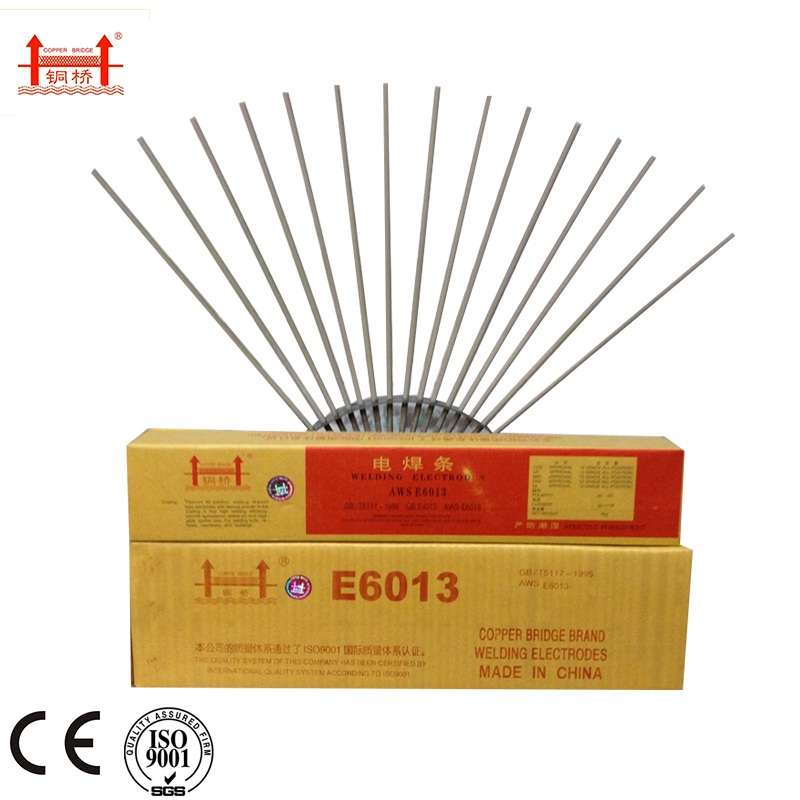
Related Video
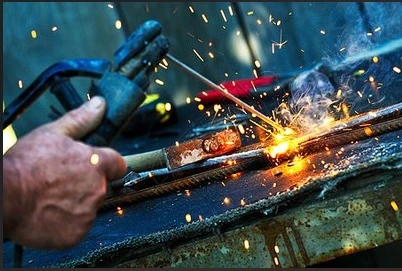

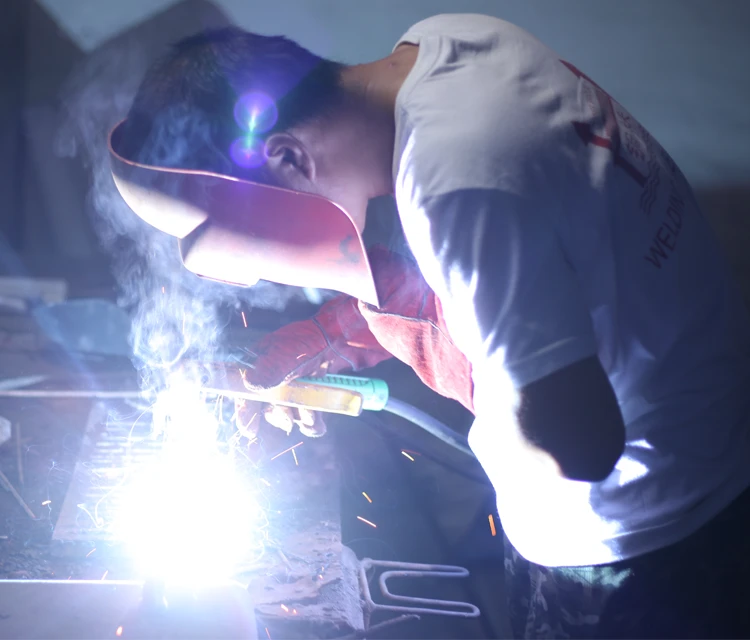
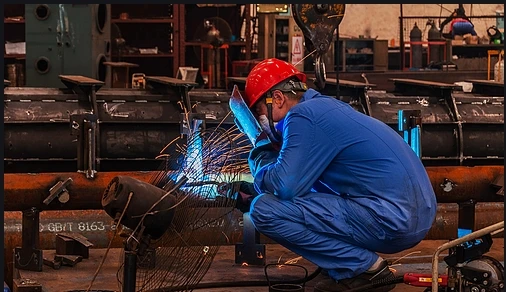
Related News

2026-04-16 02:35:10
Precision Guide for e312 16 welding rod and Dissimilar Steel Welding
In the demanding world of industrial fabrication and repair, selecting the correct filler metal is the difference between a structural failure and a lifetime bond. The e312 16 welding rod is specifically engineered to meet the rigorous needs of welding dissimilar steels, offering an exceptional balance of strength and corrosion resistance. Whether you are working on high-pressure pipelines or heavy machinery components, understanding the nuances of this specialized electrode is key to achieving professional-grade results. This guide explores the technical advantages and practical applications of the E312 series to help you optimize your welding workflow.
2026-04-09 02:35:17
Choosing the Right cs to ss welding rod number Professional Guide
Joining carbon steel (CS) to stainless steel (SS) is a common challenge in industrial fabrication, requiring a precise understanding of metallurgy to avoid weld failure. The most critical decision in this process is identifying the correct cs to ss welding rod number to ensure a strong, corrosion-resistant bond. Using the wrong filler metal can lead to cracking or premature oxidation due to the different thermal expansion rates of the two materials. In this comprehensive guide, we will break down the technical specifications and selection criteria to help you achieve a professional-grade weld every time.
2026-04-07 02:25:29
Comprehensive Guide to 409 Welding Rod Selection and Optimal Usage
When it comes to welding applications requiring corrosion resistance and good weldability, the 409 welding rod is a frequently chosen option. This article provides a detailed overview of this versatile welding rod, exploring its composition, applications, benefits, and considerations for optimal use. Whether you’re a seasoned professional or new to welding, understanding the properties of 409 welding rod is crucial for achieving high-quality, durable welds. We’ll cover everything you need to know to make informed decisions for your welding projects.
2026-04-04 02:35:28
Comprehensive Guide to 330 Stainless Steel Welding Rod Applications and Techniques
330 stainless steel welding rods are a crucial component in various industries, offering exceptional corrosion resistance and high-temperature strength. This article provides an in-depth look at these rods, covering their properties, applications, choosing the right rod, welding techniques, safety precautions, and where to find high-quality options. Whether you're a seasoned welding professional or new to the field, this guide will offer valuable insights.
2026-03-31 02:35:08
Comprehensive Guide to 312 Stainless Tig Rod for Superior Welding Performance
When choosing the right filler metal for your TIG welding projects, especially in demanding applications, 312 stainless steel tig rod stands out for its exceptional corrosion resistance and high-temperature strength. This comprehensive guide will explore its composition, applications, benefits, and how it compares to other stainless steel rods. We'll also point you to resources for sourcing high-quality rods.
2026-03-28 02:45:04
Comprehensive Guide to 312 17 Welding Rod Applications and Technical Details
Welding rods are essential consumables in the welding process, and selecting the right one is crucial for achieving strong, durable, and high-quality welds. The 312 17 welding rod is a popular choice for many applications due to its unique properties and versatility. This article delves into the characteristics, applications, benefits, and considerations when using 312 17 welding rods, providing a comprehensive resource for welders and engineers alike. Choosing the right rod directly impacts the success and longevity of any welding project.
2026-03-26 02:35:10
Comprehensive Guide to the 312 16 Welding Rod for Superior Steel Welding
The 312 16 welding rod is a versatile and widely-used electrode in various welding applications. Known for its excellent weldability and strong mechanical properties, it's a go-to choice for professionals and hobbyists alike. This article delves into the specifics of this electrode, covering its composition, applications, advantages, and how to choose the right one for your projects. Understanding the nuances of the 312 16 welding rod is crucial for achieving high-quality, durable welds. The designation "312 16" provides key information about the welding rod. "312" refers to the type of flux coating, specifically a low-hydrogen, iron powder coating. This coating is designed to produce welds with excellent mechanical properties and good resistance to cracking. The "16" indicates the diameter of the rod in 32nds of an inch – so a 312 16 rod has a diameter of 16/32 or 1/2 inch. This combination makes it suitable for a wide range of steel welding applications. The low-hydrogen nature of the flux minimizes hydrogen-induced cracking, a common issue in welding certain steels.
2026-03-24 02:45:07
Comprehensive Guide to 309LSI TIG Rod Welding Applications and Best Practices
The 309LSI TIG rod is a versatile welding consumable widely used across various industries for its exceptional corrosion resistance and weldability. This article will explore the properties, applications, advantages, and best practices associated with using 309LSI TIG rods. Whether you're a seasoned welding professional or new to the field, this guide will provide you with valuable insights into maximizing the performance and longevity of your welds. The 309LSI TIG rod is a stainless steel electrode specifically designed for Gas Tungsten Arc Welding (GTAW), commonly known as TIG welding. The "309LSI" designation indicates the alloy composition: 309 signifies the chromium-nickel content, 'L' denotes low carbon content for enhanced corrosion resistance, and 'SI' signifies stabilized with silicon for improved resistance to carbide precipitation during welding.

 English
  Arabic
  Bengali
  China
China  French
  German
  Hausa
Hausa  Indonesian
  Italian
  Japanese
  Javanese
  Malay
Malay  Persian
  Portuguese
  Punjabi
  Russian
  Spanish
  Swahili
  Telugu
  Vietnamese