

6011 Electrode – Reliable Stick Welding Rod for Tough Jobs | Jinlong

6011 Electrode – Reliable Stick Welding Rod for Tough Jobs | Jinlong
Dec . 01, 2025 04:25
Understanding the 6011 Electrode: Why It Matters Worldwide
Welding might not be the flashiest topic on a global stage, but it quietly holds some of the most crucial roles in industrial, construction, and even humanitarian efforts. Among countless electrodes in the welding world, the 6011 electrode stands out for its versatility and reliability. If you’re wondering why exactly, well, it all boils down to the electrode’s ability to weld through rust, dirt, and even paint — conditions often overlooked but very common in the field.
Globally, welding electrodes like the 6011 help keep infrastructure running, from pipelines in remote places to emergency repairs after disasters. Understanding the strengths of this electrode not only improves quality and safety but supports efficient work in less-than-ideal conditions — and that really matters.
6011 Electrode in the Global Welding Scene: An Industry Staple
Welding electrodes contribute heavily to the trillion-dollar global manufacturing and infrastructure sectors. According to data from the International Organization for Standardization (ISO), tens of millions of tons of welding electrodes are used every year worldwide — and the 6011 is a common choice precisely because of its broad applicability. For developing nations especially, where road or pipeline maintenance often happens in dusty, exposed conditions, electrodes that tolerate environmental contamination without costly prep work are invaluable.
However, the challenge lies in balancing the strength and flexibility of the weld while working on aged or weathered metal. Ordinary rods often fail, leading to structural weaknesses or rework delays. The 6011 electrode addresses these challenges by providing a dependable arc and good penetration in dirty or rusty metals, which are common problems in many industrial zones, including in Africa, Southeast Asia, and parts of South America.
6011 Electrode Defined: What Is It Exactly?
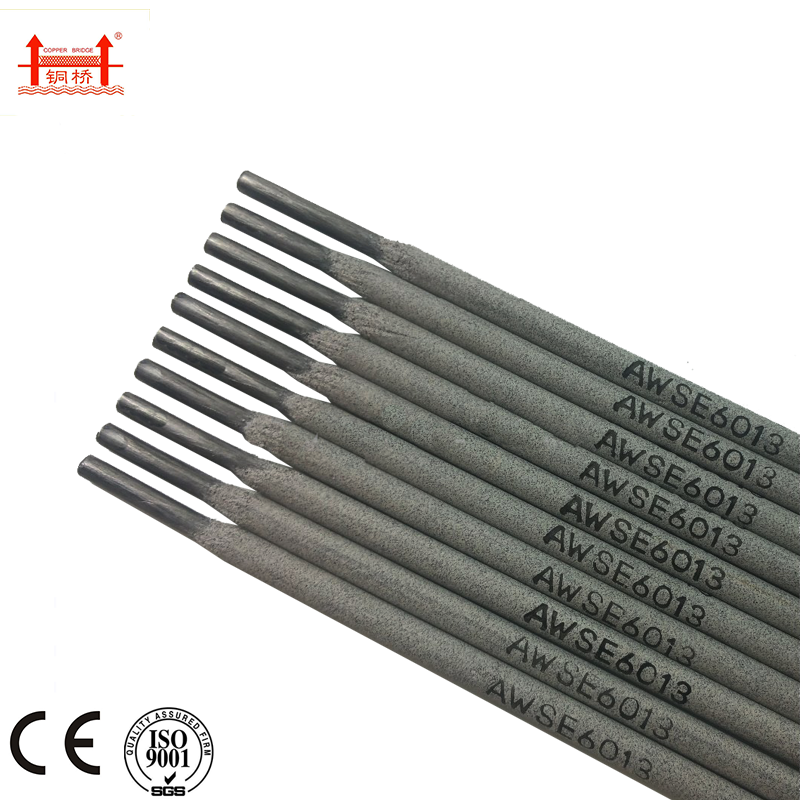
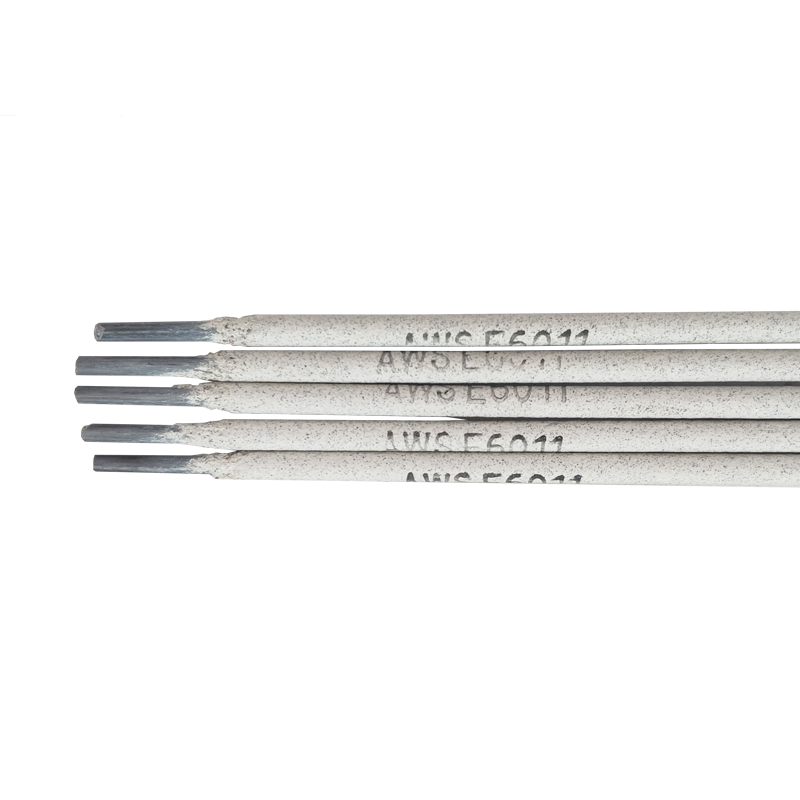
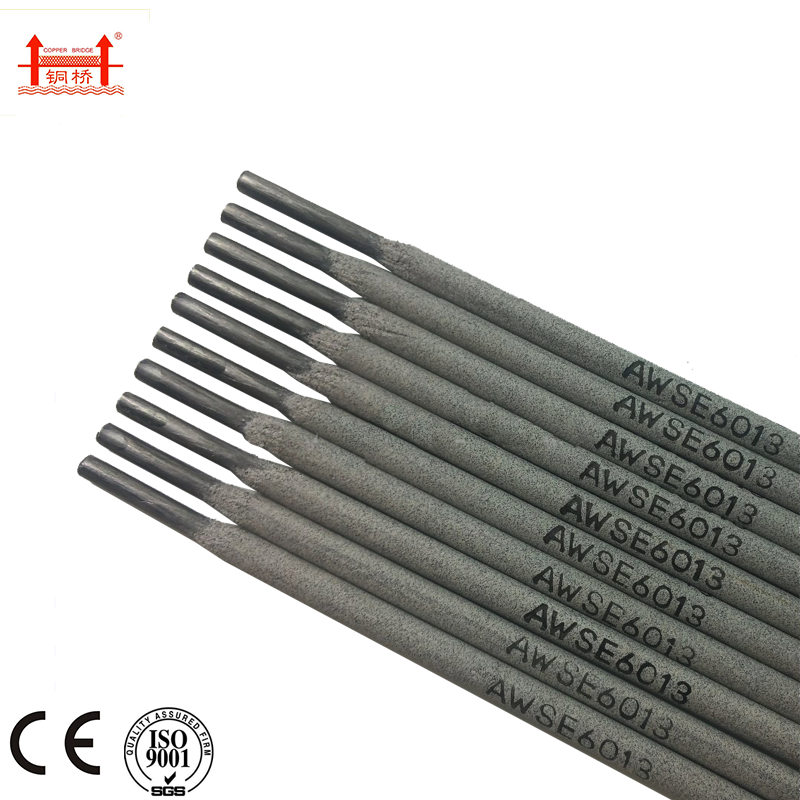
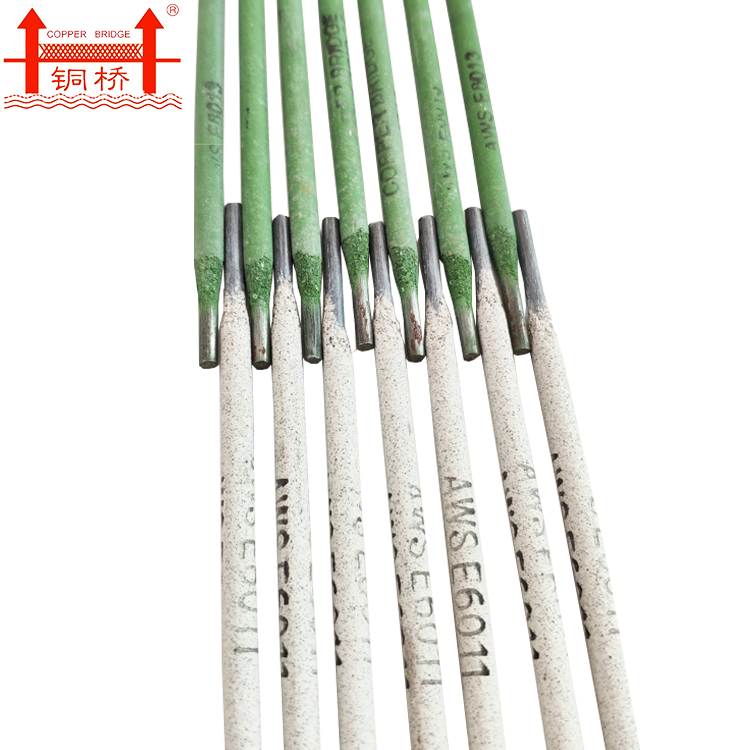
In simple terms, the 6011 electrode is a type of stick welding rod designed primarily for welding on thin gauge metal, especially where surface contamination or rust is present. It’s a cellulose-coated electrode, which means its flux coating contains cellulose, allowing it to produce a deep penetrating arc. That deep penetration means better joint fusion, even when the surfaces aren’t spotless.
This makes the 6011 rod a favorite in field applications, farm equipment repairs, and power line maintenance. Humanitarian projects benefit too — imagine stabilizing a damaged water pipeline in a post-hurricane scenario where cleaning every inch isn’t possible. The 6011 electrode can be a real lifesaver.
Core Characteristics of the 6011 Electrode
Deep Penetration
The cellulose coating burns off rapidly, producing a forceful arc that digs deep into the base metal. This characteristic enables welding on rusty or dirty surfaces, meaning less prep time is required — a practical boon in emergency repairs or outdoor environments.
All-Position Welding
Unlike some electrodes that favor flat or horizontal work, the 6011 rod can be used vertically and overhead, adding flexibility on job sites where maneuvering space or setup is limited.
High Moisture Resistance
Although it’s advisable to keep rods dry, 6011 tends to recover reasonably well after exposure to humidity, making it more forgiving in damp climates and reducing downtime.
Moderate Deposition Rate
While the 6011 may not lay down metal as quickly as some other rods, the tradeoff is quality and penetration — making it fit for structural welds demanding strength over speed.
Compatibility with Various Metals
It commonly welds mild steel but can also handle galvanized steel. This versatility adds to its widespread adoption.
Wide Availability and Cost Effectiveness
6011 electrodes are widely manufactured and sold globally, making replacement straightforward and prices reasonable — a crucial factor for many budget-conscious projects.
6011 Electrode in Action: Real-World Applications Across the Globe
The welding rod’s ability to work effectively on surfaces that aren’t perfectly clean comes in handy all over the world. From industrial repair yards in the U.S. midwest to solar farm installations in sunny Spain, the flexibility of the 6011 electrode is repeatedly confirmed.
- Post-Disaster Relief: NGOs and government units use 6011 rods to restore damaged infrastructure such as pipelines, emergency shelters, or temporary bridges quickly.
- Remote Mining Operations: Mines in Australia and South Africa rely on the 6011 electrode for equipment repairs that happen in grimy, dusty environments.
- Agricultural Equipment: In Brazil, farmers appreciate the 6011 for quick welds on rusted harvesters and tractors.
- Utility Maintenance: Electric utility companies across Europe and Asia choose 6011 rods for overhead line repairs, where vertical welding skill and reliability are a must.
6011 Electrode Specification Table
| Specification | Detail |
|---|---|
| Electrode Type | Cellulose-coated, stick welding rod |
| Operating Current | AC or DC+ |
| Diameter Range | 1.6mm to 5.0mm |
| Typical Welding Positions | Flat, Horizontal, Vertical, Overhead |
| Tensile Strength of Weld | Minimum 60,000 psi (approximately 420 MPa) |
| Flux Composition | Cellulose + Mineral salts |
Advantages and Long-Term Value of Using 6011 Electrodes
When people talk about weld quality — at least in practical terms — they tend to focus on the strength of the weld and reliability under stress. But there are other tangible benefits that the 6011 provides:
- Cost Efficiency: The electrode’s tolerance of dirt and rust can cut down cleaning time and reduce scrap, lowering total project costs.
- Sustainability: Longer service life of repairs thanks to strong penetration means fewer reworks and less material waste.
- Safety and Trust: Welds performed with 6011 rods have proven consistency, which contributes to safer structures and a reputation engineers rely on.
- Emotional Impact: Safety keeps workers and communities safer, and quick emergency repairs mean people can return to their livelihoods faster — a subtle but meaningful social benefit.
Upcoming Innovations and Future Trends in Welding Electrodes
Oddly enough, even something as tried-and-true as the 6011 electrode isn’t standing still. Pressure to reduce environmental impact is bringing new flux formulations aiming for lower fume generation and improved recyclability. Also, digital welding technologies are starting to integrate with electrode use — smart welders can monitor arc stability and optimize current settings automatically, enhancing results.
Green initiatives are influencing electrode production too. Research into bio-based coatings and alternative materials is underway, potentially reducing the carbon footprint tied to electrode manufacturing and use. For the 6011 specifically, we might see versions tailored for automated welding systems or more resilient coatings adapted to extreme weather conditions.
Challenges and How Experts Recommend Overcoming Them
Despite its strengths, the 6011 electrode is not without limitations. Firstly, it can be a little tricky for beginners because of its aggressive arc. Also, while it tolerates moisture better than many rods, proper storage is essential to avoid weld porosity or weak spots. Experts often suggest:
- Proper drying procedures for electrodes (baking when necessary).
- Using matched amperage settings recommended by manufacturers.
- Experienced operators applying steady work angles to manage the fast-burning cellulose flux.
Innovations like electrode ovens and digital current regulators are practical solutions increasingly adopted on big projects, reducing common issues and increasing output quality.
6011 Electrode Vendor Comparison
| Vendor | Price (per kg) | Packaging | Global Availability | Additional Features |
|---|---|---|---|---|
| Vendor A | $12.50 | 5kg vacuum-sealed pack | North America, Europe | Moisture-resistant packaging |
| Vendor B | $11.30 | 10kg cardboard box | Asia, South America | Certified performance testing |
| Vendor C | $13.00 | Dry box with desiccant | Worldwide | Extended shelf life warranty |
Common Questions About the 6011 Electrode
Q1: What makes the 6011 electrode better for dirty or rusty metals than other rods?
A1: The 6011's cellulose flux coating creates a deep penetrating arc that can weld through surface rust and contaminants. This means less surface prep and quicker jobs compared to rods designed for clean metal only. It handles imperfect surfaces naturally, saving time.
Q2: Can I use the 6011 electrode with both AC and DC welding machines?
A2: Yes, the 6011 electrode is versatile and works well with AC or DC+ polarity. This flexibility allows welders to adapt to different power sources, making it popular in field and shop environments alike.
Q3: How should I store 6011 electrodes to avoid moisture problems?
A3: Although 6011 is moisture tolerant, keeping electrodes dry in a sealed container or electrode oven is best. If electrodes become damp, baking them in an oven (typically around 250-300°C for an hour) is recommended to restore performance and avoid weld defects.
Q4: Is the 6011 electrode suitable for welding galvanized steel?
A4: Yes, 6011 rods can be used to weld galvanized steel, though venting and proper safety measures are important to handle zinc fumes generated during welding.
Q5: Where can I buy reliable 6011 electrodes online?
A5: You can find quality 6011 electrodes from major manufacturers and distributors worldwide. For a trusted source, visit 6011 electrode suppliers who offer detailed specs and packaging options tailored to your needs.
Wrapping It Up: Why the 6011 Electrode Remains a Must-Have
All in all, the 6011 electrode proves its worth not just in the factory, but wherever conditions get rough, surfaces are grimy, and reliable welds mean the difference between safety and failure. It blends affordability with real-world robustness, serving everything from emergency repairs to the daily grind of infrastructure projects around the world. If you’re selecting stick welding rods for demanding environments — it’s frankly hard to beat the 6011’s track record.
Feeling ready to upgrade your welding kit? Check out more on 6011 electrode options today and see how it helps your next job run smoother.
References

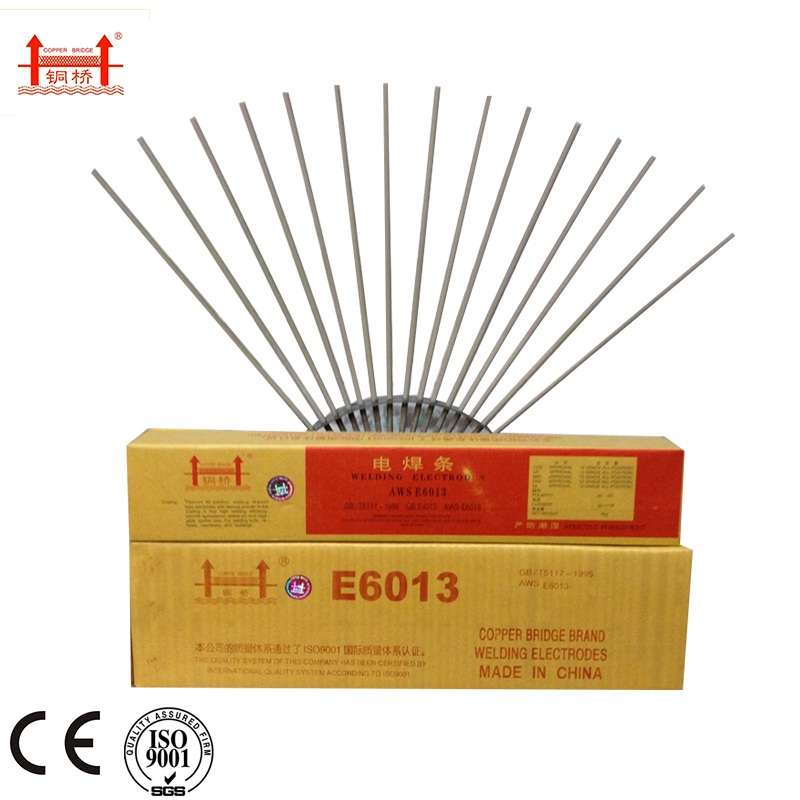
Related Video

Related News


2026-04-16 02:35:10
Precision Guide for e312 16 welding rod and Dissimilar Steel Welding
In the demanding world of industrial fabrication and repair, selecting the correct filler metal is the difference between a structural failure and a lifetime bond. The e312 16 welding rod is specifically engineered to meet the rigorous needs of welding dissimilar steels, offering an exceptional balance of strength and corrosion resistance. Whether you are working on high-pressure pipelines or heavy machinery components, understanding the nuances of this specialized electrode is key to achieving professional-grade results. This guide explores the technical advantages and practical applications of the E312 series to help you optimize your welding workflow.
2026-04-09 02:35:17
Choosing the Right cs to ss welding rod number Professional Guide
Joining carbon steel (CS) to stainless steel (SS) is a common challenge in industrial fabrication, requiring a precise understanding of metallurgy to avoid weld failure. The most critical decision in this process is identifying the correct cs to ss welding rod number to ensure a strong, corrosion-resistant bond. Using the wrong filler metal can lead to cracking or premature oxidation due to the different thermal expansion rates of the two materials. In this comprehensive guide, we will break down the technical specifications and selection criteria to help you achieve a professional-grade weld every time.
2026-04-07 02:25:29
Comprehensive Guide to 409 Welding Rod Selection and Optimal Usage
When it comes to welding applications requiring corrosion resistance and good weldability, the 409 welding rod is a frequently chosen option. This article provides a detailed overview of this versatile welding rod, exploring its composition, applications, benefits, and considerations for optimal use. Whether you’re a seasoned professional or new to welding, understanding the properties of 409 welding rod is crucial for achieving high-quality, durable welds. We’ll cover everything you need to know to make informed decisions for your welding projects.
2026-04-04 02:35:28
Comprehensive Guide to 330 Stainless Steel Welding Rod Applications and Techniques
330 stainless steel welding rods are a crucial component in various industries, offering exceptional corrosion resistance and high-temperature strength. This article provides an in-depth look at these rods, covering their properties, applications, choosing the right rod, welding techniques, safety precautions, and where to find high-quality options. Whether you're a seasoned welding professional or new to the field, this guide will offer valuable insights.
2026-03-31 02:35:08
Comprehensive Guide to 312 Stainless Tig Rod for Superior Welding Performance
When choosing the right filler metal for your TIG welding projects, especially in demanding applications, 312 stainless steel tig rod stands out for its exceptional corrosion resistance and high-temperature strength. This comprehensive guide will explore its composition, applications, benefits, and how it compares to other stainless steel rods. We'll also point you to resources for sourcing high-quality rods.
2026-03-28 02:45:04
Comprehensive Guide to 312 17 Welding Rod Applications and Technical Details
Welding rods are essential consumables in the welding process, and selecting the right one is crucial for achieving strong, durable, and high-quality welds. The 312 17 welding rod is a popular choice for many applications due to its unique properties and versatility. This article delves into the characteristics, applications, benefits, and considerations when using 312 17 welding rods, providing a comprehensive resource for welders and engineers alike. Choosing the right rod directly impacts the success and longevity of any welding project.
2026-03-26 02:35:10
Comprehensive Guide to the 312 16 Welding Rod for Superior Steel Welding
The 312 16 welding rod is a versatile and widely-used electrode in various welding applications. Known for its excellent weldability and strong mechanical properties, it's a go-to choice for professionals and hobbyists alike. This article delves into the specifics of this electrode, covering its composition, applications, advantages, and how to choose the right one for your projects. Understanding the nuances of the 312 16 welding rod is crucial for achieving high-quality, durable welds. The designation "312 16" provides key information about the welding rod. "312" refers to the type of flux coating, specifically a low-hydrogen, iron powder coating. This coating is designed to produce welds with excellent mechanical properties and good resistance to cracking. The "16" indicates the diameter of the rod in 32nds of an inch – so a 312 16 rod has a diameter of 16/32 or 1/2 inch. This combination makes it suitable for a wide range of steel welding applications. The low-hydrogen nature of the flux minimizes hydrogen-induced cracking, a common issue in welding certain steels.
2026-03-24 02:45:07
Comprehensive Guide to 309LSI TIG Rod Welding Applications and Best Practices
The 309LSI TIG rod is a versatile welding consumable widely used across various industries for its exceptional corrosion resistance and weldability. This article will explore the properties, applications, advantages, and best practices associated with using 309LSI TIG rods. Whether you're a seasoned welding professional or new to the field, this guide will provide you with valuable insights into maximizing the performance and longevity of your welds. The 309LSI TIG rod is a stainless steel electrode specifically designed for Gas Tungsten Arc Welding (GTAW), commonly known as TIG welding. The "309LSI" designation indicates the alloy composition: 309 signifies the chromium-nickel content, 'L' denotes low carbon content for enhanced corrosion resistance, and 'SI' signifies stabilized with silicon for improved resistance to carbide precipitation during welding.

 English
  Arabic
  Bengali
  China
China  French
  German
  Hausa
Hausa  Indonesian
  Italian
  Japanese
  Javanese
  Malay
Malay  Persian
  Portuguese
  Punjabi
  Russian
  Spanish
  Swahili
  Telugu
  Vietnamese