

Comprehensive Guide to 60 13 Welding Rod: Specs, Uses & Vendors

Comprehensive Guide to 60 13 Welding Rod: Specs, Uses & Vendors
Dec . 01, 2025 02:50
Understanding the 60 13 Welding Rod: Why It Matters Globally
Welding isn’t just some industrial buzzword — it’s the backbone of construction, manufacturing, and infrastructure worldwide. Among the many tools welders have, the 60 13 welding rod stands out as a dependable workhorse. From building bridges to repairing pipelines, this particular welding rod plays a surprisingly pivotal role in ensuring safe, durable welds. But why should anyone outside the industry care? Well, its quality directly impacts everything from the safety of our homes and transport systems to the longevity of critical energy infrastructures.
Understanding the 60 13 welding rod means grasping how structures stay upright and how factories keep humming — which echoes loudly in global markets and humanitarian efforts alike.
Introduction: The Global Context of 60 13 Welding Rod Usage
If you glance at global trade statistics, welding consumables represent a major chunk of industrial supply chains (according to the International Organization for Standardization, ISO). The 60 13 welding rod, in particular, is a favorite in construction-heavy economies like China, India, and parts of the Middle East where rapid industrial growth demands reliable materials that keep pace. The World Bank reports billions of dollars spent annually on infrastructure upgrades — and it’s safe to say a lot of that hinges on solid welding work.
One big challenge, though, is ensuring consistent quality across varied environments. For instance, welding rods used in offshore oil rigs deal with salt spray and fluctuating temperatures, whereas rods in urban construction face pollution and frequent load stresses. This variability calls for welding rods, like the 60 13, that are versatile yet specialized.
What Is a 60 13 Welding Rod?
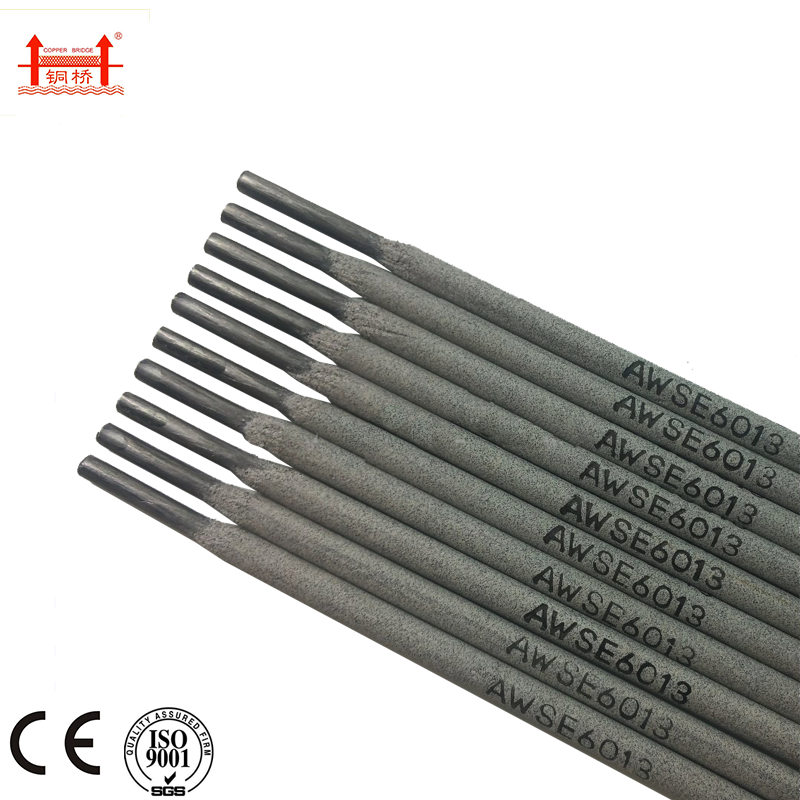
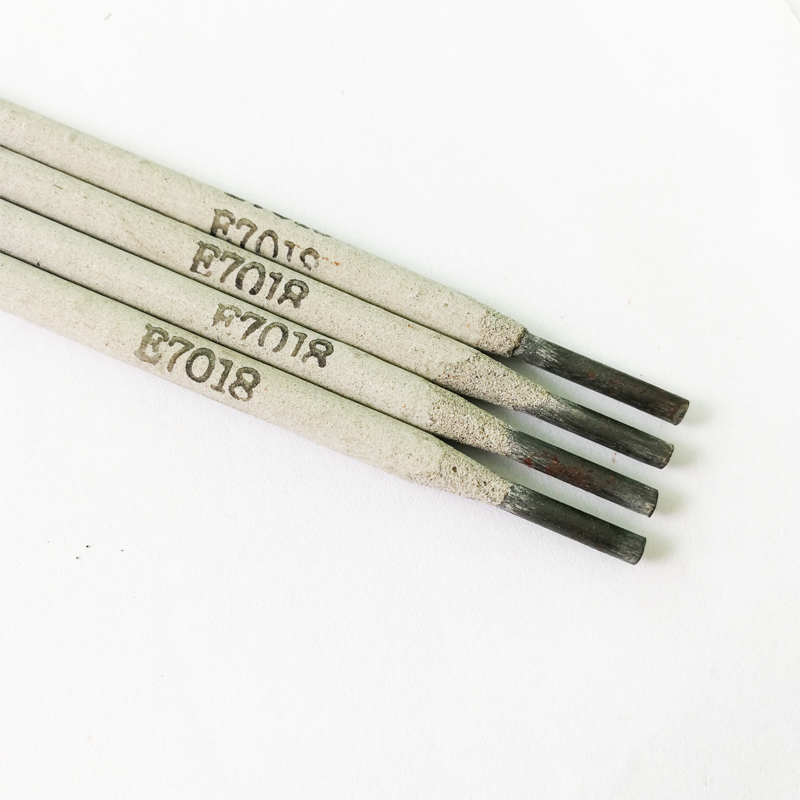
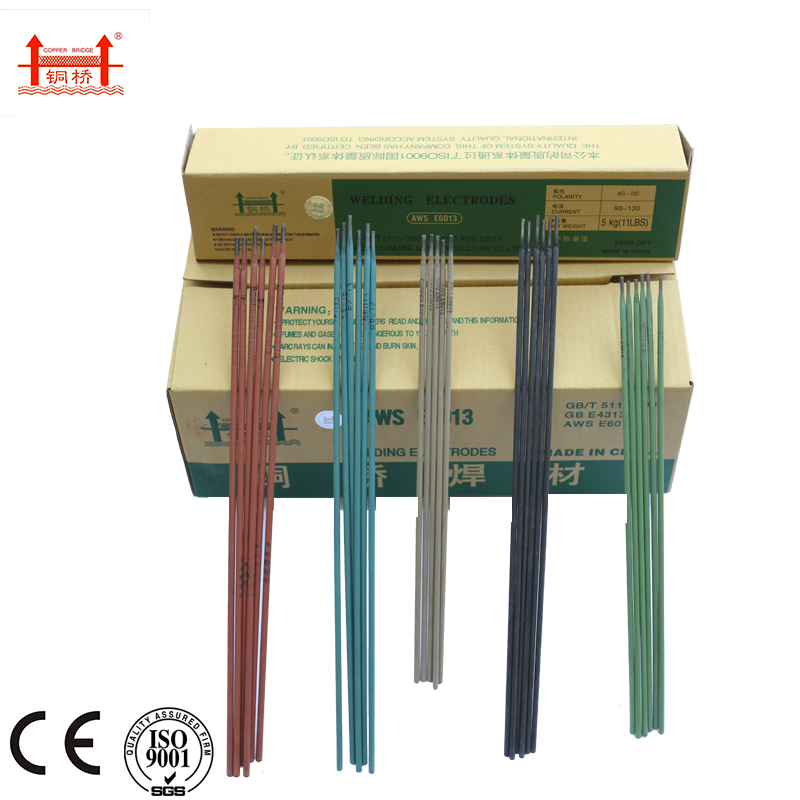
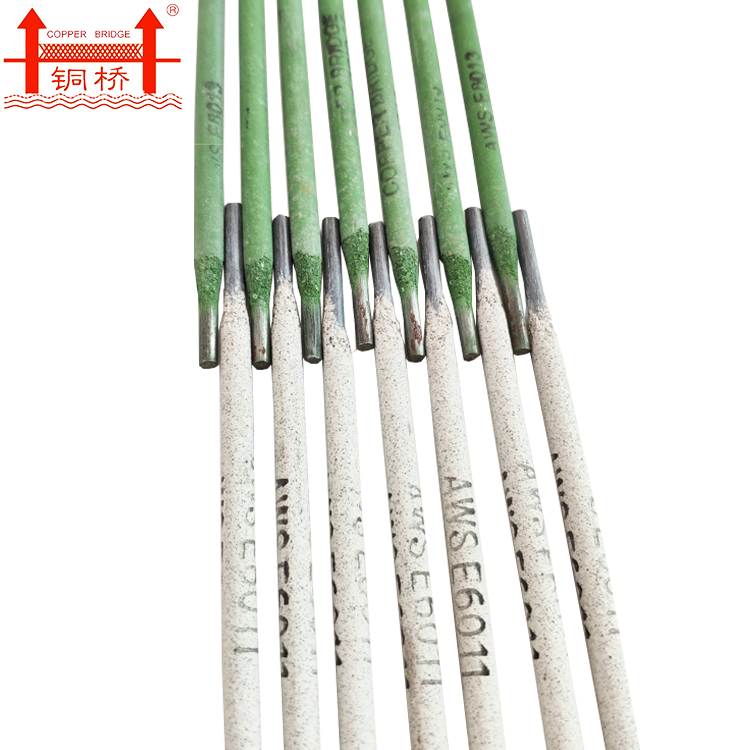
In simple terms, the 60 13 welding rod is a kind of coated electrode used primarily for manual metal arc welding (MMA or stick welding). The "60" generally refers to the tensile strength (about 60 ksi or 420 MPa), while "13" designates the type of coating (usually rutile-based) that helps with arc stability and smooth weld bead formation.
The coating of a 60 13 rod stabilizes the arc and provides gas shielding during welding, reducing contamination from air. It is widely preferred in industries requiring moderate to high-strength welds with excellent slag removal properties and nice-looking welds. Basically, it's the rod you want when quality and ease-of-use matter.
Core Aspects of the 60 13 Welding Rod
Durability and Strength
The 60 13 rod typically delivers a tensile strength of around 60,000 psi — enough for demanding tasks like structural steel and shipbuilding. Its weld deposits resist cracking, which engineers often say is a game-changer for long-lasting infrastructure.
Arc Stability and Ease of Use
The rutile coating in 60 13 rods helps welders maintain a stable arc with less spatter, making it easier to weld in different positions. If you’ve ever struggled to keep a clean arc, you’ll appreciate this.
Slag Removal
Slag can be annoying, but the 60 13's flux coating peels off fairly cleanly after welding. That means less cleanup time, especially beneficial on site when time is money.
Versatility in Applications
This rod suits mild and low-alloy steels, and even some welding tasks on galvanized or lightly rusted metals. So, whether you’re fixing a pipe or assembling a rollercoaster, 60 13 rods cover a lot of ground.
Cost Efficiency
While not the cheapest option, these rods strike a balance — offering quality welds without breaking the budget. Many refurbishing projects benefit from this smart cost-to-performance ratio.
| Specification | Value | Notes |
|---|---|---|
| Tensile Strength | 60,000 psi (420 MPa) | Suitable for structural steel |
| Coating Type | Rutile (Type 13) | Improves arc stability and bead appearance |
| Welding Positions | All positions (flat, horizontal, vertical, overhead) | Very versatile |
| Current Type | AC/DC compatible | Flexible machine use |
| Typical Rod Diameter | 3.2 mm (1/8 inch) | Common size for general welding |
Global Applications & Real-World Use Cases
Across continents and sectors, the 60 13 welding rod shines. In post-disaster relief operations, for example, speedy repairs of damaged bridges or pipelines are often critical to restoring affected communities. NGOs and governments rely on rods that easily adapt to varying conditions without special handling.
In remote industrial zones such as mining sites in Australia or oil fields in the Middle East, accessibility to advanced welding infrastructure can be limited. The 60 13 rod’s compatibility with AC or DC power and its hassle-free slag removal make it a natural choice.
Shipbuilding yards in Europe and Asia also extensively use variants of this rod. Its all-position welding capability is vital when maneuvering around complex structures.
Vendor Comparison for 60 13 Welding Rods
| Vendor | Price per Kg | Typical Packaging | Delivery Locations | Notes |
|---|---|---|---|---|
| Jinlong Welding Electrode | $6.50 | 20 kg boxes | Global (incl. Americas, Europe, Asia) | Consistent quality, ISO certified |
| WeldPro Supplies | $7.20 | 10 kg cartons | USA only | Good for small projects |
| Global Arc Metals | $6.80 | 25 kg drums | Europe, Africa, Asia | Bulk discounts available |
What Are the Advantages and Long-Term Benefits?
The benefits of using a 60 13 welding rod go beyond just nice weld beads. First, there’s the obvious cost efficiency: fewer defects mean lower rework costs and downtime. Durable welds improve safety and customer trust — think bridges that don’t just look good on inspection day but last decades under weather and strain.
Then there’s environmental and social impact. Better weld quality reduces waste and energy consumption over a project's lifespan. That’s a small yet important step toward sustainability in heavy industry, which you might not consider at first glance.
On a human level, reliable welding rods contribute to safer working conditions—unexpected weld failure simply isn’t a risk when 60 13 rods are used correctly. That trust really means something to welders and inspectors alike...
Future Trends Surrounding 60 13 Welding Rod
Looking forward, the welding world is evolving fast. Innovations in flux chemistry aim to reduce smoke and fumes, improving welder health. Some manufacturers are experimenting with eco-friendly coatings that produce less hazardous waste.
Digitization is also making waves. Smart welding machines paired with rods like the 60 13 can automatically adjust heat and stick-out to optimize weld quality, reducing errors and training time.
Sustainability policies pushing greener industrial processes will almost certainly raise the bar for consumables, making 60 13 rods potentially even more eco-conscious in upcoming years.
Common Challenges & How to Solve Them
Despite being quite versatile, 60 13 rods aren’t a silver bullet. High humidity or extremely cold temperatures can affect arc stability, meaning careful storage and preheating protocols are necessary. Some welders note that maintaining consistent welding speed takes practice with these rods to avoid defects.
Professional insights emphasize continuous training and proper machine calibration as key to overcoming these challenges. Also, working with trusted vendors (like Jinlong Welding Electrode) ensures better quality control.
FAQ: Frequently Asked Questions About 60 13 Welding Rod
- Q: What materials can I weld with the 60 13 welding rod?
- A: The 60 13 rod is suitable mostly for mild and low alloy steels, commonly used in construction, pipefitting, and structural steelwork. It’s not recommended for stainless steel or highly alloyed metals.
- Q: Can 60 13 welding rods be used outdoors?
- A: Yes, but keep them dry. Moisture affects coating integrity and can cause poor arc stability. Using proper storage and drying ovens on site helps maintain performance.
- Q: Is the 60 13 rod compatible with AC and DC power sources?
- A: Absolutely. One of its strong points is that it performs well under both AC and DC currents, giving welders great flexibility on various welding machines.
- Q: How can international buyers import 60 13 welding rods reliably?
- A: Look for vendors with global certifications and established export channels. Many suppliers, including Jinlong Welding Electrode, specialize in worldwide delivery and customs documentation.
Wrapping Up: Why the 60 13 Welding Rod Still Shines
In the end, getting familiar with 60 13 welding rods isn’t just about choosing a consumable — it’s about investing in weld quality that holds infrastructure and industry together globally. Whether you’re a seasoned engineer, a procurement specialist, or just diving into welding tech, understanding these rods offers a smart edge.
Curious? You can explore trusted options and guidelines at Jinlong Welding Electrode’s website — a real hub for 60 13 welding rod expertise and supply.

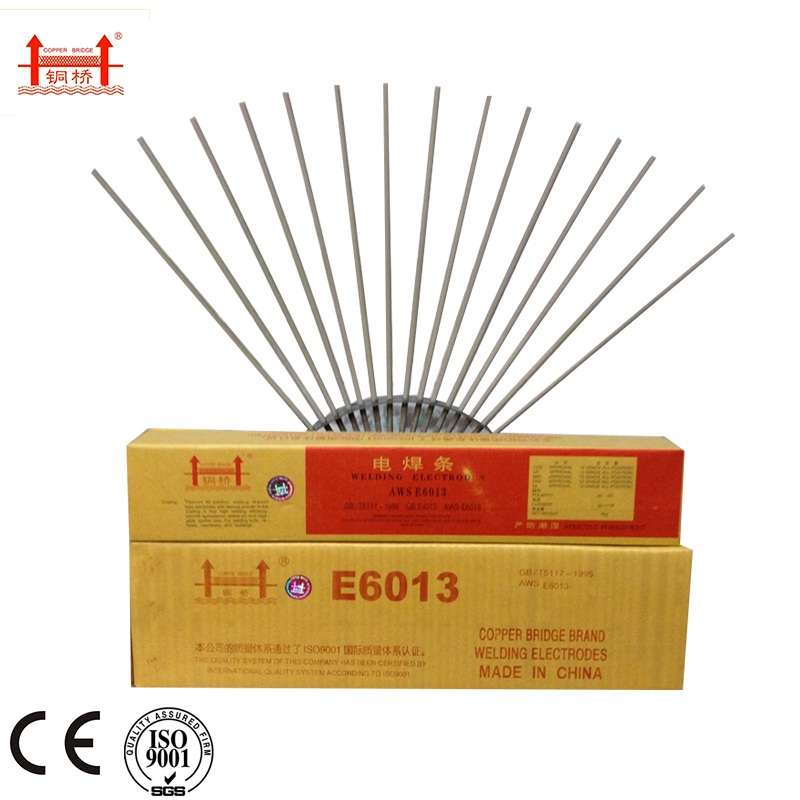
Related Video

Related News


2026-04-16 02:35:10
Precision Guide for e312 16 welding rod and Dissimilar Steel Welding
In the demanding world of industrial fabrication and repair, selecting the correct filler metal is the difference between a structural failure and a lifetime bond. The e312 16 welding rod is specifically engineered to meet the rigorous needs of welding dissimilar steels, offering an exceptional balance of strength and corrosion resistance. Whether you are working on high-pressure pipelines or heavy machinery components, understanding the nuances of this specialized electrode is key to achieving professional-grade results. This guide explores the technical advantages and practical applications of the E312 series to help you optimize your welding workflow.
2026-04-09 02:35:17
Choosing the Right cs to ss welding rod number Professional Guide
Joining carbon steel (CS) to stainless steel (SS) is a common challenge in industrial fabrication, requiring a precise understanding of metallurgy to avoid weld failure. The most critical decision in this process is identifying the correct cs to ss welding rod number to ensure a strong, corrosion-resistant bond. Using the wrong filler metal can lead to cracking or premature oxidation due to the different thermal expansion rates of the two materials. In this comprehensive guide, we will break down the technical specifications and selection criteria to help you achieve a professional-grade weld every time.
2026-04-07 02:25:29
Comprehensive Guide to 409 Welding Rod Selection and Optimal Usage
When it comes to welding applications requiring corrosion resistance and good weldability, the 409 welding rod is a frequently chosen option. This article provides a detailed overview of this versatile welding rod, exploring its composition, applications, benefits, and considerations for optimal use. Whether you’re a seasoned professional or new to welding, understanding the properties of 409 welding rod is crucial for achieving high-quality, durable welds. We’ll cover everything you need to know to make informed decisions for your welding projects.
2026-04-04 02:35:28
Comprehensive Guide to 330 Stainless Steel Welding Rod Applications and Techniques
330 stainless steel welding rods are a crucial component in various industries, offering exceptional corrosion resistance and high-temperature strength. This article provides an in-depth look at these rods, covering their properties, applications, choosing the right rod, welding techniques, safety precautions, and where to find high-quality options. Whether you're a seasoned welding professional or new to the field, this guide will offer valuable insights.
2026-03-31 02:35:08
Comprehensive Guide to 312 Stainless Tig Rod for Superior Welding Performance
When choosing the right filler metal for your TIG welding projects, especially in demanding applications, 312 stainless steel tig rod stands out for its exceptional corrosion resistance and high-temperature strength. This comprehensive guide will explore its composition, applications, benefits, and how it compares to other stainless steel rods. We'll also point you to resources for sourcing high-quality rods.
2026-03-28 02:45:04
Comprehensive Guide to 312 17 Welding Rod Applications and Technical Details
Welding rods are essential consumables in the welding process, and selecting the right one is crucial for achieving strong, durable, and high-quality welds. The 312 17 welding rod is a popular choice for many applications due to its unique properties and versatility. This article delves into the characteristics, applications, benefits, and considerations when using 312 17 welding rods, providing a comprehensive resource for welders and engineers alike. Choosing the right rod directly impacts the success and longevity of any welding project.
2026-03-26 02:35:10
Comprehensive Guide to the 312 16 Welding Rod for Superior Steel Welding
The 312 16 welding rod is a versatile and widely-used electrode in various welding applications. Known for its excellent weldability and strong mechanical properties, it's a go-to choice for professionals and hobbyists alike. This article delves into the specifics of this electrode, covering its composition, applications, advantages, and how to choose the right one for your projects. Understanding the nuances of the 312 16 welding rod is crucial for achieving high-quality, durable welds. The designation "312 16" provides key information about the welding rod. "312" refers to the type of flux coating, specifically a low-hydrogen, iron powder coating. This coating is designed to produce welds with excellent mechanical properties and good resistance to cracking. The "16" indicates the diameter of the rod in 32nds of an inch – so a 312 16 rod has a diameter of 16/32 or 1/2 inch. This combination makes it suitable for a wide range of steel welding applications. The low-hydrogen nature of the flux minimizes hydrogen-induced cracking, a common issue in welding certain steels.
2026-03-24 02:45:07
Comprehensive Guide to 309LSI TIG Rod Welding Applications and Best Practices
The 309LSI TIG rod is a versatile welding consumable widely used across various industries for its exceptional corrosion resistance and weldability. This article will explore the properties, applications, advantages, and best practices associated with using 309LSI TIG rods. Whether you're a seasoned welding professional or new to the field, this guide will provide you with valuable insights into maximizing the performance and longevity of your welds. The 309LSI TIG rod is a stainless steel electrode specifically designed for Gas Tungsten Arc Welding (GTAW), commonly known as TIG welding. The "309LSI" designation indicates the alloy composition: 309 signifies the chromium-nickel content, 'L' denotes low carbon content for enhanced corrosion resistance, and 'SI' signifies stabilized with silicon for improved resistance to carbide precipitation during welding.

 English
  Arabic
  Bengali
  China
China  French
  German
  Hausa
Hausa  Indonesian
  Italian
  Japanese
  Javanese
  Malay
Malay  Persian
  Portuguese
  Punjabi
  Russian
  Spanish
  Swahili
  Telugu
  Vietnamese