

Comprehensive Guide to 6013 Rods – Properties, Uses & Advantages

Comprehensive Guide to 6013 Rods – Properties, Uses & Advantages
Dec . 01, 2025 07:40
Understanding 6013 Rods: Why They Matter in Welding Worldwide
In the vast world of welding consumables, 6013 rods stand out for their versatility and widespread application. Whether you’re tackling automotive repairs, constructing large steel structures, or engaging in specialized fabrication, these rods have a role to play. But beyond just nuts and bolts, the global demand for durable, reliable welding electrodes is immense — powering everything from infrastructure development in emerging markets to critical repairs in remote industrial zones.
Why is grasping the nuances of 6013 rods so valuable? Because understanding their properties directly influences the quality, cost-efficiency, and sustainability of countless manufacturing and construction projects. It’s not just industry jargon — it’s the backbone of tangible progress worldwide.
The Global Landscape: Where 6013 Rods Fit
According to recent ISO welding consumables standards and data from global trade bodies, welding electrodes like 6013 rods contribute to an estimated hundreds of millions of dollars in annual trade. For example, nations whose development hinges on steel frameworks — think parts of Southeast Asia and Africa — rely heavily on flexible, user-friendly rods to meet stringent construction codes and fast-paced manufacturing demands. The World Bank has highlighted infrastructure projects in developing economies where welding efficiency can radically speed up urban growth.
Yet, a challenge remains: many welders in less industrialized regions grapple with inconsistent electrode quality or technology gaps. This is where 6013 rods shine, offering not just durability but a forgiving arc ideal for beginners and pros alike, helping bridge skill shortages and quality control hurdles.
What Exactly Are 6013 Rods?
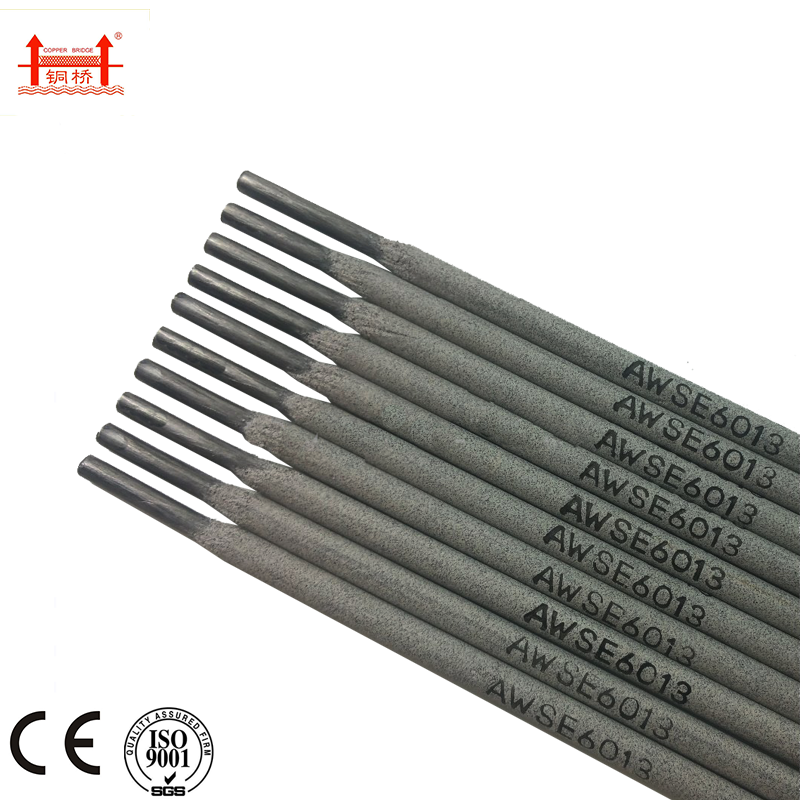
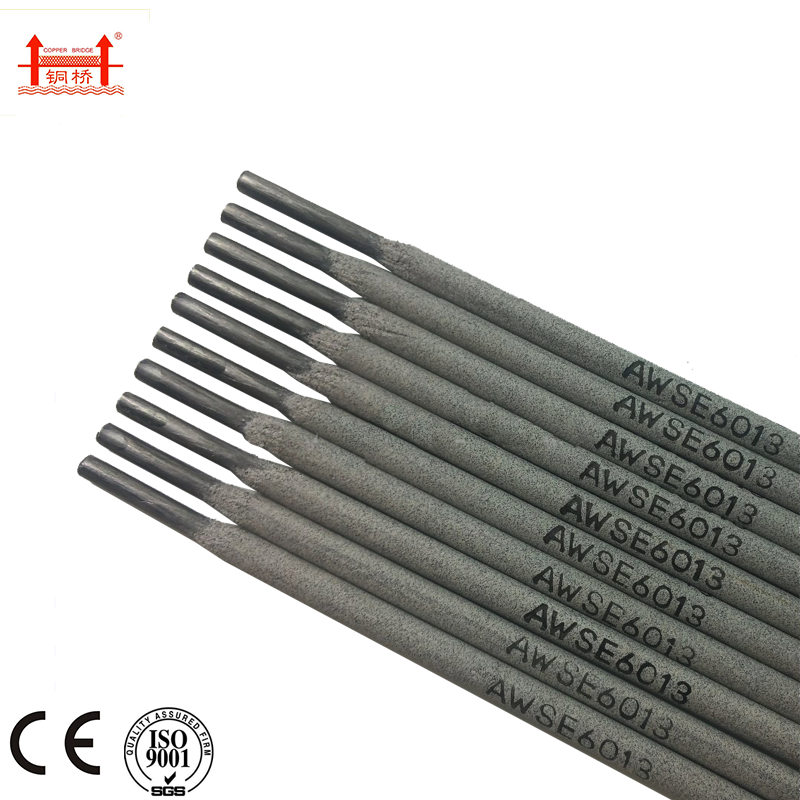
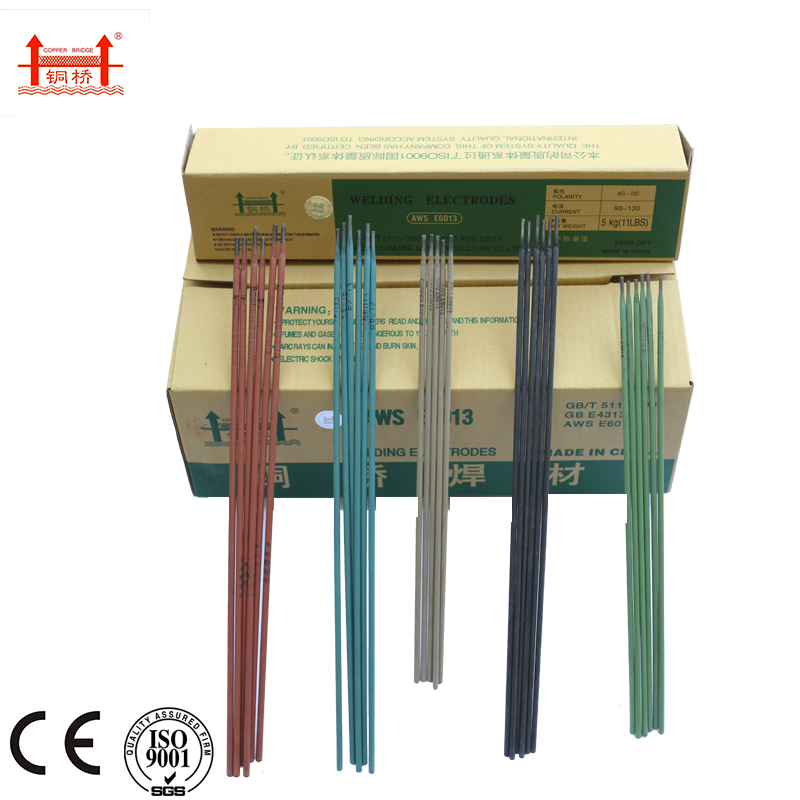
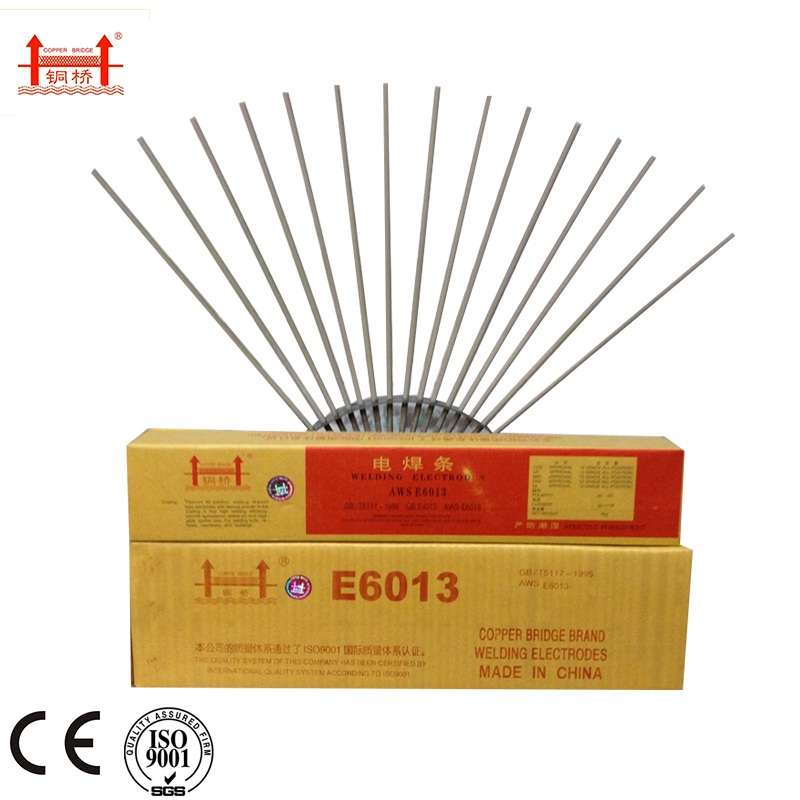
At its core, a 6013 rod is a type of shielded metal arc welding (SMAW) electrode. The "6013" color-codes specific welding characteristics: a tensile strength of approximately 60,000 psi (“60”), all-position usability (“1”), and a rutile-based flux covering (“3”) that promotes a stable, smooth arc with easy slag removal.
Why does that matter? This makes 6013 rods especially suited for thin to medium gauge metals, offering a balanced combo of penetration and weld appearance. It’s that combination that supports industries ranging from automotive body shops to humanitarian organizations building light steel shelters.
Key Features of 6013 Rods That Engineers Appreciate
1. Versatile All-Position Welding
Unlike some rods that demand strict horizontal or vertical work, 6013 rods can be used on flat, horizontal, vertical, or overhead spots with consistent performance. This adaptability reduces rework and increases efficiency on site.
2. Smooth Arc & Clean Appearance
Thanks to their rutile flux coating, these rods produce a steady arc with less spatter, meaning welds not only hold strong but look professional without extensive finishing. Many fabricators notice they save time polishing down the weld joints.
3. Moderate Penetration for Thin Metals
6013 rods avoid the risk of burn-through common with deeper penetrating rods, making them ideal for thinner gauge sheet metals. This is valuable in automotive or appliance repairs where precision is key.
4. Cost-Efficiency and Availability
Compared to specialized electrodes, 6013 rods typically come at a reasonable price point and are globally available. Their widespread use translates to easier sourcing—even in remote or emerging markets.
5. Good Slag Removal
The flux coating ensures that slag peels away easily after welding, minimizing extra cleanup time and improving workflow.
Real-World Uses of 6013 Rods Around the Globe
Globally, 6013 rods underpin countless projects beyond the factory. In Southeast Asia’s booming construction sector, they serve as go-to electrodes for fabricating steel frames fast yet clean. In North Africa, NGOs have employed 6013 rods to assemble insulated steel housing for post-disaster relief, where speed and durability matter.
Even within the automotive aftermarket worldwide, 6013 rods are favored for quick yet clean body welds. Welding schools in Europe and the Americas choose them as teaching electrodes given their arc stability and forgiving nature, easing apprentices into professional-grade work.
6013 Rods: Benefits Beyond Just Strength
- Economic advantages: The combination of moderate cost and broad availability often translates to saving precious budget without compromising quality.
- Sustainability aspects: Efficient slag removal and clean welds reduce the need for secondary grinding, cutting down waste and energy use.
- Worker confidence: Smooth arcs and less spatter reduce fatigue and boost safety by minimizing burns and cleanup exposure. It’s subtle but real.
- Social impact: Reliable rods enable faster construction of essential infrastructure — hospitals, shelters, transport hubs — indirectly affecting quality of life.
Oddly enough, while their technical specs are straightforward, the intangible benefits — like trust and workflow harmony — are what keep many welders loyal to 6013 rods.
Looking Ahead: Innovations Shaping 6013 Rods
Though they seem traditional, 6013 rods haven’t stood still. Some manufacturers are now adding subtle alloy tweaks for improved corrosion resistance or innovative flux blends that reduce smoke emissions — an environmental plus as industrial safety standards rise globally. Pair that with machine learning-driven welding parameters, and even manual SMAW work starts to edge towards smarter, cleaner technology.
Digital transformation in welding, such as smart electrodes with embedded sensors, might seem futuristic but could soon play into the ecosystem surrounding rods like 6013, improving quality controls, and welding consistency in real-time.
Challenges and How the Industry Responds
One limitation of 6013 rods is their moderate penetration, which means they’re not ideal for thick structural steel. Heavy fabrication often calls for other electrodes or TIG/MIG options. Also, in some extremely corrosive environments, 6013 rods might require supplemental coatings or treatments.
To tackle this, vendors offer hybrid rods or special coatings that extend performance envelopes. Welders learn to pair 6013 rods with complementary consumables, tailoring their toolkits based on task demands. Training and certification programs worldwide also emphasize best practices to get the most out of these rods.
Product Specification Table for 6013 Welding Rods
| Specification | Detail |
|---|---|
| Classification | AWS A5.1 E6013 |
| Tensile Strength | ~60,000 psi (415 MPa) |
| Welding Positions | All (flat, horizontal, vertical, overhead) |
| Flux Type | Rutile-based |
| Metal Thickness | Thin to medium gauge steel |
| Slag Removal | Easy, with little cleanup required |
Vendor Comparison of Popular 6013 Rod Brands
| Feature | Brand A | Brand B | Brand C |
|---|---|---|---|
| Price per kg | $4.20 | $4.50 | $3.95 |
| Arc Stability | High | Medium-High | High |
| Ease of Slag Removal | Excellent | Good | Very Good |
| Global Availability | Wide | Moderate | Wide |
| Recommended Usage | Light to medium steel sheets | General purpose | Automotive & repair |
FAQ: Your Top 6013 Rod Questions Answered
Q1: What makes 6013 rods better for beginners than other electrodes?
A1: 6013 rods offer a smooth, stable arc that’s forgiving of slight technique errors, making it easier to maintain a consistent weld pool. Their easy slag removal reduces finishing time as well, which is helpful for beginners focusing on developing their skills.
Q2: Can 6013 rods be used outdoors in windy conditions?
A2: While 6013 rods can be used outside, their rutile flux is somewhat less tolerant of wind compared to cellulose-based electrodes. Shielding the welding area or choosing electrodes specialized for windy conditions might be better for particularly exposed sites.
Q3: How long do 6013 rods last in storage?
A3: When stored in a dry, well-sealed container, 6013 rods can remain effective for up to 2 years. Moisture is the main enemy, so avoiding humidity is key.
Q4: Are 6013 rods suitable for welding galvanized steel?
A4: They can be used on galvanized materials, but welders should take care with ventilation due to zinc fumes. Proper safety measures and ventilation are essential in these cases.
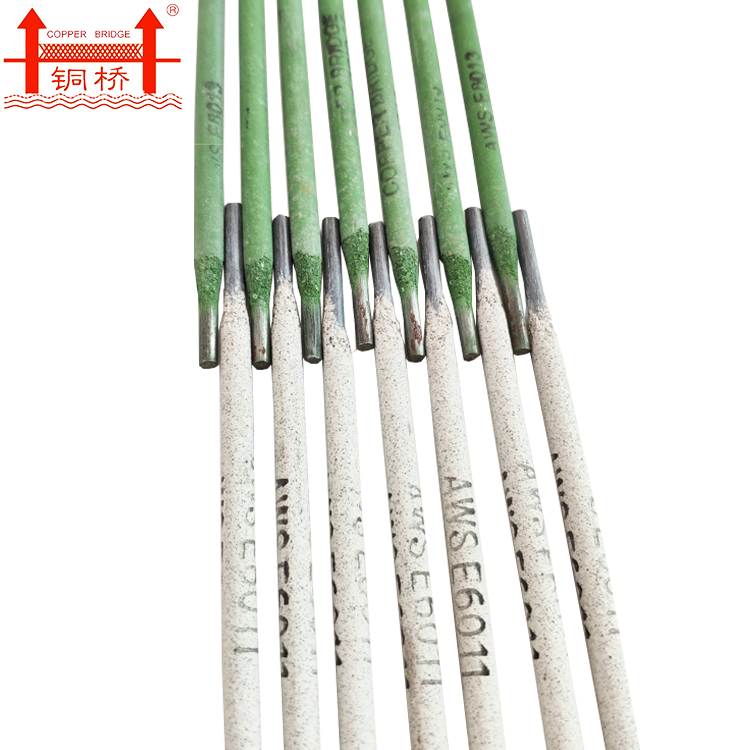
Q5: How to choose between 6013 rods and similar electrodes like 6011 or 6010?
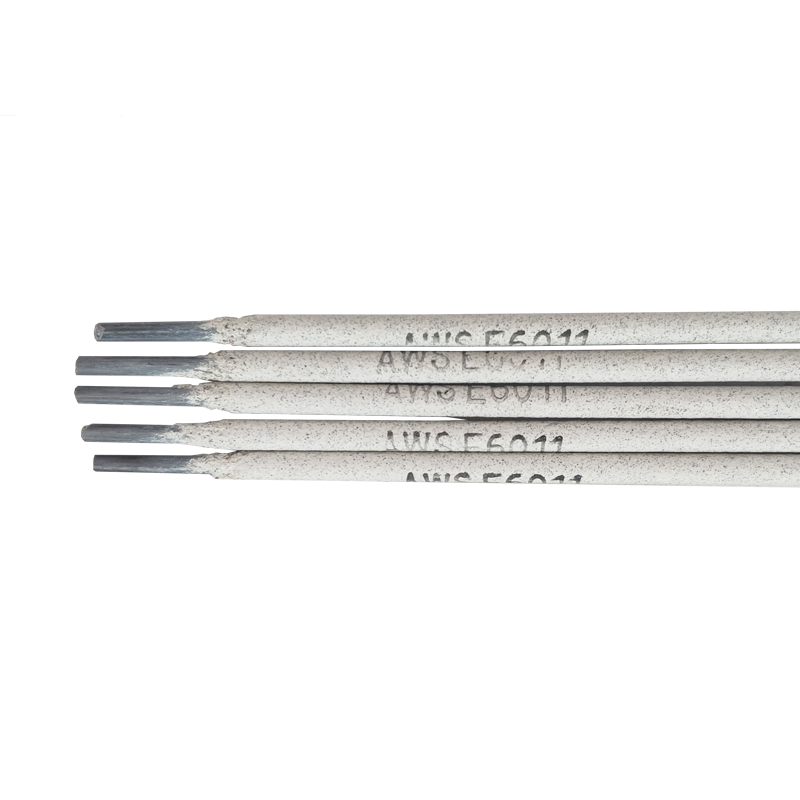
A5: 6013 rods focus on smooth welds with moderate penetration, ideal for thin metals and general-purpose jobs. In contrast, 6011 or 6010 rods penetrate deeper and are better for welding dirty or rusted metals or thicker sections.
Wrapping Up: Why 6013 Rods Still Make Sense in Today’s Welding World
In real terms, 6013 rods represent a practical marriage of versatility, cost-effectiveness, and consistent performance. They might not be the flashiest or highest tech electrodes around — but their steady arc and adaptability have kept them relevant for decades.
For manufacturers, repair shops, or humanitarian groups working around the world, choosing the right welding rod is crucial. And when in doubt, 6013 rods consistently prove their worth. If you want to explore quality 6013 rods for your projects or training, visit our website and see how these dependable electrodes can help you weld smarter, faster, and cleaner.
References

Related Video

Related News


2026-04-16 02:35:10
Precision Guide for e312 16 welding rod and Dissimilar Steel Welding
In the demanding world of industrial fabrication and repair, selecting the correct filler metal is the difference between a structural failure and a lifetime bond. The e312 16 welding rod is specifically engineered to meet the rigorous needs of welding dissimilar steels, offering an exceptional balance of strength and corrosion resistance. Whether you are working on high-pressure pipelines or heavy machinery components, understanding the nuances of this specialized electrode is key to achieving professional-grade results. This guide explores the technical advantages and practical applications of the E312 series to help you optimize your welding workflow.
2026-04-09 02:35:17
Choosing the Right cs to ss welding rod number Professional Guide
Joining carbon steel (CS) to stainless steel (SS) is a common challenge in industrial fabrication, requiring a precise understanding of metallurgy to avoid weld failure. The most critical decision in this process is identifying the correct cs to ss welding rod number to ensure a strong, corrosion-resistant bond. Using the wrong filler metal can lead to cracking or premature oxidation due to the different thermal expansion rates of the two materials. In this comprehensive guide, we will break down the technical specifications and selection criteria to help you achieve a professional-grade weld every time.
2026-04-07 02:25:29
Comprehensive Guide to 409 Welding Rod Selection and Optimal Usage
When it comes to welding applications requiring corrosion resistance and good weldability, the 409 welding rod is a frequently chosen option. This article provides a detailed overview of this versatile welding rod, exploring its composition, applications, benefits, and considerations for optimal use. Whether you’re a seasoned professional or new to welding, understanding the properties of 409 welding rod is crucial for achieving high-quality, durable welds. We’ll cover everything you need to know to make informed decisions for your welding projects.
2026-04-04 02:35:28
Comprehensive Guide to 330 Stainless Steel Welding Rod Applications and Techniques
330 stainless steel welding rods are a crucial component in various industries, offering exceptional corrosion resistance and high-temperature strength. This article provides an in-depth look at these rods, covering their properties, applications, choosing the right rod, welding techniques, safety precautions, and where to find high-quality options. Whether you're a seasoned welding professional or new to the field, this guide will offer valuable insights.
2026-03-31 02:35:08
Comprehensive Guide to 312 Stainless Tig Rod for Superior Welding Performance
When choosing the right filler metal for your TIG welding projects, especially in demanding applications, 312 stainless steel tig rod stands out for its exceptional corrosion resistance and high-temperature strength. This comprehensive guide will explore its composition, applications, benefits, and how it compares to other stainless steel rods. We'll also point you to resources for sourcing high-quality rods.
2026-03-28 02:45:04
Comprehensive Guide to 312 17 Welding Rod Applications and Technical Details
Welding rods are essential consumables in the welding process, and selecting the right one is crucial for achieving strong, durable, and high-quality welds. The 312 17 welding rod is a popular choice for many applications due to its unique properties and versatility. This article delves into the characteristics, applications, benefits, and considerations when using 312 17 welding rods, providing a comprehensive resource for welders and engineers alike. Choosing the right rod directly impacts the success and longevity of any welding project.
2026-03-26 02:35:10
Comprehensive Guide to the 312 16 Welding Rod for Superior Steel Welding
The 312 16 welding rod is a versatile and widely-used electrode in various welding applications. Known for its excellent weldability and strong mechanical properties, it's a go-to choice for professionals and hobbyists alike. This article delves into the specifics of this electrode, covering its composition, applications, advantages, and how to choose the right one for your projects. Understanding the nuances of the 312 16 welding rod is crucial for achieving high-quality, durable welds. The designation "312 16" provides key information about the welding rod. "312" refers to the type of flux coating, specifically a low-hydrogen, iron powder coating. This coating is designed to produce welds with excellent mechanical properties and good resistance to cracking. The "16" indicates the diameter of the rod in 32nds of an inch – so a 312 16 rod has a diameter of 16/32 or 1/2 inch. This combination makes it suitable for a wide range of steel welding applications. The low-hydrogen nature of the flux minimizes hydrogen-induced cracking, a common issue in welding certain steels.
2026-03-24 02:45:07
Comprehensive Guide to 309LSI TIG Rod Welding Applications and Best Practices
The 309LSI TIG rod is a versatile welding consumable widely used across various industries for its exceptional corrosion resistance and weldability. This article will explore the properties, applications, advantages, and best practices associated with using 309LSI TIG rods. Whether you're a seasoned welding professional or new to the field, this guide will provide you with valuable insights into maximizing the performance and longevity of your welds. The 309LSI TIG rod is a stainless steel electrode specifically designed for Gas Tungsten Arc Welding (GTAW), commonly known as TIG welding. The "309LSI" designation indicates the alloy composition: 309 signifies the chromium-nickel content, 'L' denotes low carbon content for enhanced corrosion resistance, and 'SI' signifies stabilized with silicon for improved resistance to carbide precipitation during welding.

 English
  Arabic
  Bengali
  China
China  French
  German
  Hausa
Hausa  Indonesian
  Italian
  Japanese
  Javanese
  Malay
Malay  Persian
  Portuguese
  Punjabi
  Russian
  Spanish
  Swahili
  Telugu
  Vietnamese