

Comprehensive Guide to 3 32 E7018 Rod – Specifications, Uses, and Vendors

Comprehensive Guide to 3 32 E7018 Rod – Specifications, Uses, and Vendors
Dec . 01, 2025 09:15
Understanding the 3 32 E7018 Rod: A Welding Essential in Today's World
If you work in construction, metal fabrication, or heavy industry, you’ve probably heard of the 3 32 E7018 rod. But why does this welding electrode matter globally, and what makes it a go-to choice for thousands of welders worldwide? Put simply, it’s all about dependability, strength, and adaptability — qualities that have huge ripple effects on infrastructure projects, shipbuilding, and even humanitarian construction efforts. Also, knowing your rods isn’t just technical jargon; it can save costs, improve quality, and ensure safety in projects spanning continents.
Global Context: Why the 3 32 E7018 Rod Remains Indispensable
Welding electrodes, especially ones like the 3 32 E7018 rod, are quietly embedded in the backbone of global infrastructure. According to the International Organisation for Standardization (ISO), welding accounts for a vast share of metal joining in construction and industrial manufacturing worldwide — with an annual growth rate approaching 5% in developing countries alone (1). The E7018 rod, known for its low hydrogen content and excellent ductility, helps minimize brittle fractures and ensures lasting weld joints. In an age of expanding urbanization and resource constraints, using reliable welding products is non-negotiable.
One of the challenges it addresses is maintaining weld integrity under diverse environmental stressors — from Arctic cold snaps to humid tropical heat. Frankly, no one wants cracks or weld failures when working on pipelines transporting oil across oceans or bridges supporting daily traffic. This electrode helps mitigate that.
Defining the 3 32 E7018 Rod
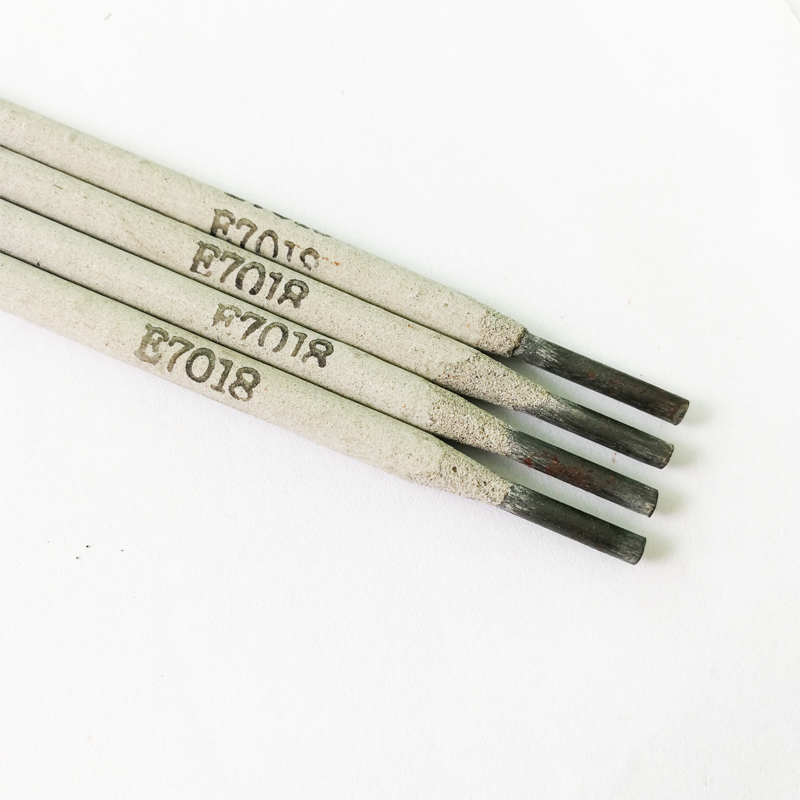
The term 3 32 refers to the diameter of the welding rod—3/32 inch—making it versatile for moderate thickness materials. The E7018 classification is part of the AWS (American Welding Society) electrode codes, describing a low-hydrogen, iron powder-coated welding rod designed for mild steel. It's remarkable because it produces strong, crack-resistant welds with smooth bead appearance, especially in structural applications.
You might consider it the “Swiss army knife” of welding rods — reliable whether you’re fixing a heavy machinery part or fabricating a steel frame in remote industrial zones. Its low hydrogen nature means it mitigates the common welding problem of hydrogen-induced cracking, which could be a life-saver in safety-critical zones.
Key Aspects of the 3 32 E7018 Rod
- Durability: Because of its low hydrogen coating, the E7018 electrode resists weld cracking very effectively. That durability translates into longer-lasting structures, reducing downtime and maintenance costs.
- Weld Strength: Rated at approximately 70,000 psi tensile strength, it meets and often exceeds industry safety standards for critical load-bearing welds.
- Versatility: The 3/32 size is a practical balance — thick enough for solid penetration but suitable for both vertical and flat welding positions.
- Ease of Use: While it requires proper storage to avoid moisture absorption, many welders find it forgiving with fewer slag issues and better bead control.
- Cost Efficiency: Because it reduces the risk of weld failures and post-weld repairs, it’s an economical choice over specialty electrodes in many projects.
Mini takeaway: The 3 32 E7018 rod is as much about performance as it is about practical reliability — qualities that have cemented its role in critical welding applications worldwide.
Global Applications & Real-Life Use Cases
This rod is everywhere – from skyscrapers in New York to pipelines in Siberia, and shipyards in South Korea. It’s particularly favored in:
- Structural Steel Fabrication: Where demanding standards ensure safety and longevity.
- Bridge Construction and Repair: Its crack resistance is vital in harsh outdoor environments.
- Oil & Gas Industry: Welding pipelines that transport fuels safely over great distances.
- Disaster Relief Projects: Quick, dependable welds in temporary shelters or emergency infrastructure.
- Transportation Equipment Manufacturing: Trucks, trailers, and heavy machinery parts rely on its strength.
For example, following earthquakes, in remote relief camps, quick weld repairs or reinforcements using 3 32 E7018 rods can literally buy time by stabilizing critical structures. Also, given its wide availability, it’s a favorite for NGOs and construction firms working internationally (3 32 e7018 rod vendors ship globally and customize packaging too).
Advantages & Long-Term Value
Let’s talk brass tacks: the real reason this rod endures through decades of shifts in tech and materials science is that it blends cost effectiveness with quality. You get welds that last, maintain structural integrity, and reduce scrap rates. Plus, its low hydrogen content directly translates to reduced weld cracking — a key safety and longevity feature.
But there’s also a less tangible advantage: trust. Many engineers say they “sleep better” knowing their welds were done with E7018 rods. That peace of mind, combined with sustainability from less rework and longer-lasting builds, makes this electrode a quiet hero in many projects.
Product Specification Table
| Specification | Value | Notes |
|---|---|---|
| Diameter | 3/32 inch (2.4 mm) | Ideal for moderate thickness metals |
| Tensile Strength | 70,000 psi (approx.) | Meets AWS structural standards |
| Coating Type | Low hydrogen, iron powder | Reduces hydrogen-induced cracking |
| Current Type | AC / DC + / DC - | Versatile for welding machines |
| Typical Applications | Structural steel, pipelines, heavy equipment | Widely accepted across industries |
Vendor Comparison: Finding the Right 3 32 E7018 Rod Supplier
| Vendor | Price per lb | Moisture Control Features | Global Shipping | Special Packaging |
|---|---|---|---|---|
| Jinlong Welding Electrode | $3.50 | Vacuum-sealed tubs | Yes (Express options) | Customized labels & quantities |
| WeldPro Supplies | $3.80 | Standard plastic packaging | Selective countries only | Bulk packages only |
| GlobalWeld Inc. | $3.65 | Desiccant packs included | Worldwide | Limited customization |
Future Trends: What’s Next for the 3 32 E7018 Rod?
The welding world isn’t static. Advances in electrode formulations aim to further reduce hydrogen content to virtually zero, improving weld toughness even more. Add to that the push towards green manufacturing — lower energy welding processes and electrodes with more environmentally friendly coatings are underway. Digital welding automation also promises improved electrode feed control and monitoring for a more consistent weld.
Innovation is also happening around packaging and storage: extended shelf-life and smart packaging that monitors moisture content remotely could soon be standard. So while the 3 32 E7018 rod feels like an old-timer, it’s also evolving to meet 21st-century sustainability and efficiency goals.
Challenges & Solutions in Using E7018 Electrodes
No product is perfect, right? With the E7018, one common snag is moisture absorption. If the electrode absorbs moisture, it can cause porosity or even cracking in the weld. That’s why proper storage — vacuum-sealed containers or heated ovens — is vital. Suppliers focused on this often offer pre-dried rods in clever packaging.
Another challenge is handling in extreme outdoor conditions. Cold weather slows down the welding process, and hot weather can speed it up unpredictably. Experienced welders usually adjust amperage and techniques, or combine the rod with preheating strategies for stable weld quality.
FAQ: Your Top Questions About 3 32 E7018 Rod
Q1: What thickness of steel is best suited for a 3 32 E7018 welding rod?
A: Typically, the 3/32 inch electrode works well on medium-thickness steel sheets or plates, roughly between 3/16 to 3/8 inch thick. It offers enough penetration without excessive heat input, making it versatile for structural steel and general fabrication.
Q2: Can I use the 3 32 E7018 rod with AC welding machines?
A: Yes, the E7018 rod is compatible with AC, DC+, and DC- power sources. Its low hydrogen coating allows flexibility across different welding setups, though DC+ often provides a smoother arc and better bead appearance.
Q3: How should I store 3 32 E7018 rods to maintain performance?
A: Ideally, store these rods in vacuum-sealed containers or rod ovens at 250°F (121°C) to prevent moisture contamination. If that’s not possible, use them quickly after opening and keep them dry.
Q4: Are there environmentally friendly alternatives to the traditional E7018 rods?
A: While traditional E7018 electrodes remain popular, newer low-hydrogen rods with eco-friendly coatings are emerging, focusing on less slag and reduced emissions during welding. However, these are still niche compared to the standard.
Q5: How do I purchase E7018 rods internationally with assured quality?
A: Reputable suppliers like Jinlong Welding Electrode provide global shipping, certification, and packaging tailored to maintain quality during transit. Always check for AWS or ISO certifications to ensure authenticity.
Conclusion: Why the 3 32 E7018 Rod Remains a Cornerstone in Welding
We’ve seen that this little rod packs a mighty punch — from its steadfast reliability to global reach and evolving innovations. Choosing the right welding electrode isn’t just about today’s task but supporting the safety, durability, and success of countless structures and vehicles. So next time you hold a 3 32 E7018 rod, remember it’s not just a stick of metal but a backbone for trusted welds worldwide.
Visit our website for more detailed product info and to place your order: 3 32 e7018 rod.
References
- International Organization for Standardization (ISO) - Welding Standards Overview. https://www.iso.org
- American Welding Society - AWS Electrode Classification. https://www.aws.org
- Wikipedia - Welding Electrode. https://en.wikipedia.org/wiki/Welding_electrode

Related Video

Related News
2026-04-16 02:35:10
Precision Guide for e312 16 welding rod and Dissimilar Steel Welding
In the demanding world of industrial fabrication and repair, selecting the correct filler metal is the difference between a structural failure and a lifetime bond. The e312 16 welding rod is specifically engineered to meet the rigorous needs of welding dissimilar steels, offering an exceptional balance of strength and corrosion resistance. Whether you are working on high-pressure pipelines or heavy machinery components, understanding the nuances of this specialized electrode is key to achieving professional-grade results. This guide explores the technical advantages and practical applications of the E312 series to help you optimize your welding workflow.
2026-04-09 02:35:17
Choosing the Right cs to ss welding rod number Professional Guide
Joining carbon steel (CS) to stainless steel (SS) is a common challenge in industrial fabrication, requiring a precise understanding of metallurgy to avoid weld failure. The most critical decision in this process is identifying the correct cs to ss welding rod number to ensure a strong, corrosion-resistant bond. Using the wrong filler metal can lead to cracking or premature oxidation due to the different thermal expansion rates of the two materials. In this comprehensive guide, we will break down the technical specifications and selection criteria to help you achieve a professional-grade weld every time.
2026-04-07 02:25:29
Comprehensive Guide to 409 Welding Rod Selection and Optimal Usage
When it comes to welding applications requiring corrosion resistance and good weldability, the 409 welding rod is a frequently chosen option. This article provides a detailed overview of this versatile welding rod, exploring its composition, applications, benefits, and considerations for optimal use. Whether you’re a seasoned professional or new to welding, understanding the properties of 409 welding rod is crucial for achieving high-quality, durable welds. We’ll cover everything you need to know to make informed decisions for your welding projects.
2026-04-04 02:35:28
Comprehensive Guide to 330 Stainless Steel Welding Rod Applications and Techniques
330 stainless steel welding rods are a crucial component in various industries, offering exceptional corrosion resistance and high-temperature strength. This article provides an in-depth look at these rods, covering their properties, applications, choosing the right rod, welding techniques, safety precautions, and where to find high-quality options. Whether you're a seasoned welding professional or new to the field, this guide will offer valuable insights.
2026-03-31 02:35:08
Comprehensive Guide to 312 Stainless Tig Rod for Superior Welding Performance
When choosing the right filler metal for your TIG welding projects, especially in demanding applications, 312 stainless steel tig rod stands out for its exceptional corrosion resistance and high-temperature strength. This comprehensive guide will explore its composition, applications, benefits, and how it compares to other stainless steel rods. We'll also point you to resources for sourcing high-quality rods.
2026-03-28 02:45:04
Comprehensive Guide to 312 17 Welding Rod Applications and Technical Details
Welding rods are essential consumables in the welding process, and selecting the right one is crucial for achieving strong, durable, and high-quality welds. The 312 17 welding rod is a popular choice for many applications due to its unique properties and versatility. This article delves into the characteristics, applications, benefits, and considerations when using 312 17 welding rods, providing a comprehensive resource for welders and engineers alike. Choosing the right rod directly impacts the success and longevity of any welding project.
2026-03-26 02:35:10
Comprehensive Guide to the 312 16 Welding Rod for Superior Steel Welding
The 312 16 welding rod is a versatile and widely-used electrode in various welding applications. Known for its excellent weldability and strong mechanical properties, it's a go-to choice for professionals and hobbyists alike. This article delves into the specifics of this electrode, covering its composition, applications, advantages, and how to choose the right one for your projects. Understanding the nuances of the 312 16 welding rod is crucial for achieving high-quality, durable welds. The designation "312 16" provides key information about the welding rod. "312" refers to the type of flux coating, specifically a low-hydrogen, iron powder coating. This coating is designed to produce welds with excellent mechanical properties and good resistance to cracking. The "16" indicates the diameter of the rod in 32nds of an inch – so a 312 16 rod has a diameter of 16/32 or 1/2 inch. This combination makes it suitable for a wide range of steel welding applications. The low-hydrogen nature of the flux minimizes hydrogen-induced cracking, a common issue in welding certain steels.
2026-03-24 02:45:07
Comprehensive Guide to 309LSI TIG Rod Welding Applications and Best Practices
The 309LSI TIG rod is a versatile welding consumable widely used across various industries for its exceptional corrosion resistance and weldability. This article will explore the properties, applications, advantages, and best practices associated with using 309LSI TIG rods. Whether you're a seasoned welding professional or new to the field, this guide will provide you with valuable insights into maximizing the performance and longevity of your welds. The 309LSI TIG rod is a stainless steel electrode specifically designed for Gas Tungsten Arc Welding (GTAW), commonly known as TIG welding. The "309LSI" designation indicates the alloy composition: 309 signifies the chromium-nickel content, 'L' denotes low carbon content for enhanced corrosion resistance, and 'SI' signifies stabilized with silicon for improved resistance to carbide precipitation during welding.

 English
  Arabic
  Bengali
  China
China  French
  German
  Hausa
Hausa  Indonesian
  Italian
  Japanese
  Javanese
  Malay
Malay  Persian
  Portuguese
  Punjabi
  Russian
  Spanish
  Swahili
  Telugu
  Vietnamese