

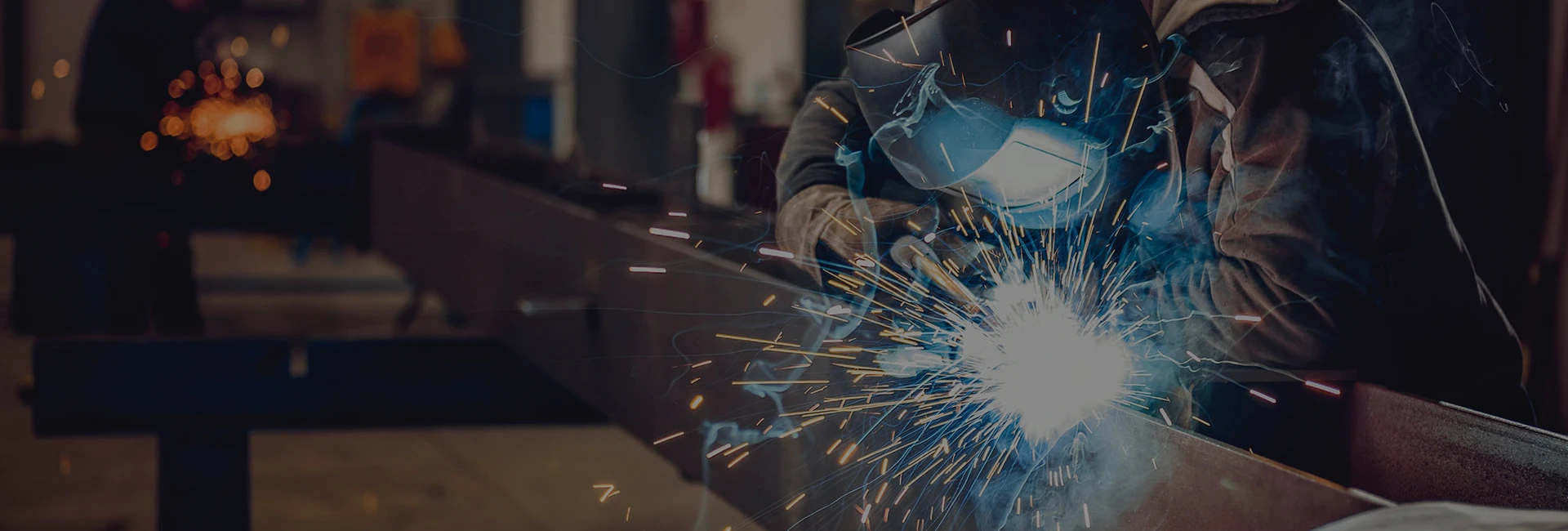
Durable and Versatile e7018 1 Welding Electrodes for Reliable Steel Fabrication

Durable and Versatile e7018 1 Welding Electrodes for Reliable Steel Fabrication
Dec . 01, 2025 10:50
Understanding e7018 1: The Backbone of Reliable Welding Worldwide
At first glance, e7018 1 might seem just another technical code buried deep in welding manuals. But if you scratch beneath the surface, you find it’s a cornerstone of modern metalwork — trusted across global industries from skyscraper construction to oil pipelines. Knowing what e7018 1 really is, why it matters, and how to use it can save you time, money, and potentially disaster. Plus, it’s a neat example of how industry standards quietly hold the world together.
Why the World Depends on e7018 1
Welding rods like e7018 1 play a crucial role in infrastructure and manufacturing. According to the International Organization for Standardization (ISO), about 70% of metal constructions worldwide rely on arc welding, where rods bearing chemical and mechanical standards must perform flawlessly (ISO). Globally, the welding market is anticipated to top $20 billion by 2028, a testament to the ongoing need for dependable consumables.
However, many challenges still lurk in industrial welding: cracking, inconsistent bead quality, or poor slag removal. This is where e7018 1 steps up, addressing these issues for industries where structural soundness isn’t optional (think bridges, power plants, and pipelines). The “1” classification refers to specific welding positions, making it versatile — a handy factor in complex fabrication environments.
So, What Exactly Is e7018 1?
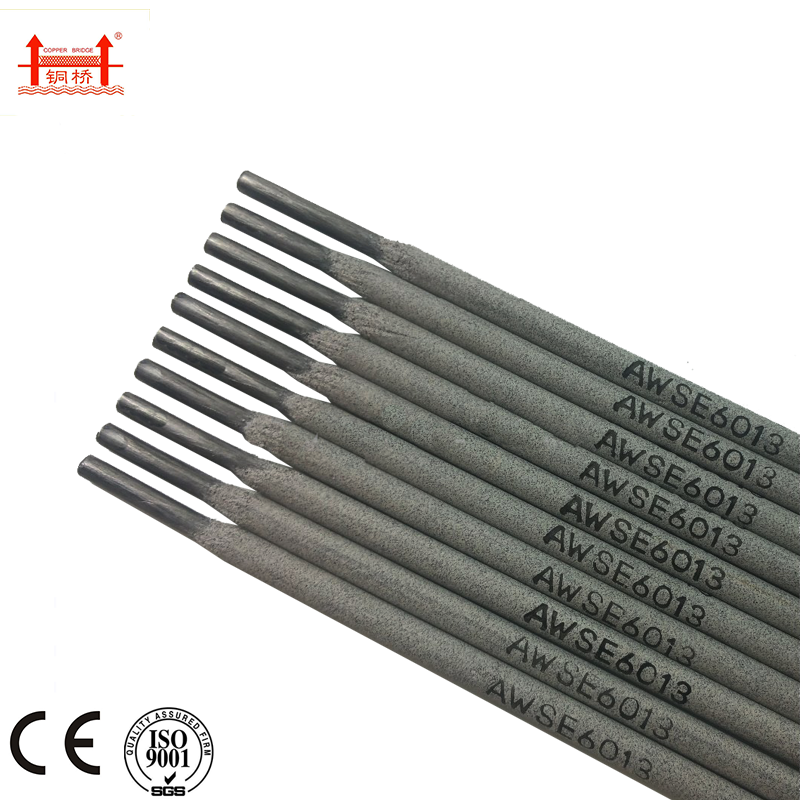
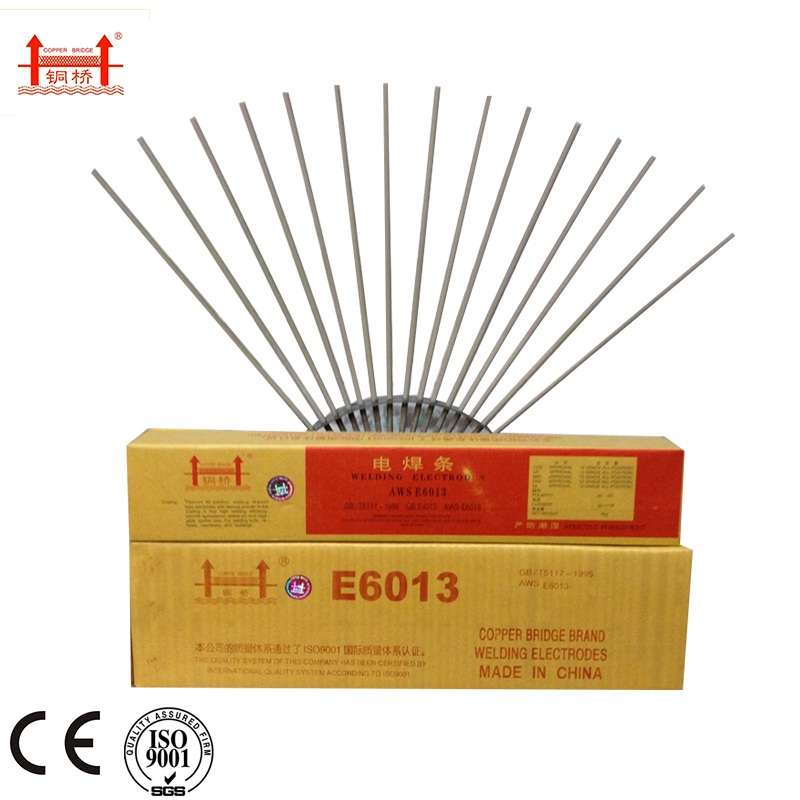
The e7018 1 is a low-hydrogen, iron powder electrode — in simpler terms, a stick of metal coated to help welders fuse steel robustly under a variety of conditions. The "E" stands for electrode, "70" for its tensile strength (70,000 psi), "1" refers to its all-position usability, and "8" indicates it’s a low-hydrogen rod with iron powder in the flux coating.
You’ll find it prized for generating deep, smooth welds with minimal spatter and good ductility. This means it resists cracking, especially important in construction or repairs that must stand up to stress and extremes in weather or use. It’s basically a go-to for companies needing stable, high-quality welds — from shipbuilding yards in Asia to energy plants in North America.
Core Features That Make e7018 1 So Popular
1. Durability and Strength
Many welders swear by e7018 1 because it delivers consistent tensile strength well above many other rods. The low-hydrogen flux coating suppresses cracks that can spring unexpectedly when steel cools unevenly.
2. All-Position Capability
Whether you’re welding flat, vertical, or overhead, e7018 1’s versatility keeps your workflow smooth without swapping electrodes mid-job. That flexibility reduces downtime and errors, which, frankly, are costly and frustrating.
3. Easy Slag Removal
Beyond toughness, those who’ve worked with e7018 1 highlight the slag's clean peel-off characteristic. That means faster post-weld cleanup, which is a small time saver that really adds up.
4. Consistent Arc Stability
Arc stability isn’t just a buzzword; it affects bead quality and heat distribution. e7018 1 rods keep a steady arc, so welders notice fewer burn-throughs and a neater finish.
How e7018 1 is Shaping Industry Worldwide
From the cold reaches of Russia’s oil fields to the sprawling shipyards of South Korea, e7018 1 is everywhere. Its low-hydrogen feature makes it especially suited for critical applications in harsh climates or where structural integrity can’t be compromised.
For example, in post-disaster infrastructure rebuilding—where time and quality both matter—waiting for a rod that fights cracking or needs excessive preheat isn't an option. Similarly, remote industrial plants use e7018 1 for pipeline welds that face constant pressure and temperature swings.
Major organizations like the American Welding Society (AWS) recommend e7018 1 rods for structural steel welding, underpinning over $200 billion worth of infrastructure development annually in the US alone.
What You Get: Advantages of Using e7018 1
- Cost-Effectiveness: Reliable welds translate to fewer repairs or structural failures.
- Sustainability: Less rework saves energy and materials, making projects greener.
- Safety: Stable, crack-resistant welds safeguard workers and end-users alike.
- Trust in Innovation: Proven results build reputations and customer confidence.
Frankly, it’s not just about meeting standards. It’s the peace of mind knowing your weld won’t fail at the worst moment.
Product Specification Table for e7018 1
| Specification | Details |
|---|---|
| AWS Classification | E7018 1 |
| Tensile Strength | 70,000 psi |
| Current Type | AC and DC+ |
| Position | All (flat, horizontal, vertical, overhead) |
| Coating Type | Low-hydrogen Iron Powder |
| Typical Diameter | 3.2mm, 4.0mm, 5.0mm |
Comparing Top e7018 1 Vendors
| Vendor | Price Range (per kg) | Shelf Life | Quality Consistency | Global Availability |
|---|---|---|---|---|
| Jinlong Welding Electrode | $4.50 - $5.20 | 6-12 months (airtight packaging) | High | Asia, North America, Europe |
| Lincoln Electric | $5.00 - $6.00 | 6-9 months | Very High | Global |
| ESAB | $4.80 - $5.50 | 6 months | High | Global |
What’s Next? Trends and Innovations in e7018 1 Welding
The welding industry is evolving — digital monitoring, automated welding arms, and eco-friendly flux materials are becoming standard talking points. For e7018 1, innovations are targeting longer shelf lives with moisture-resistant packaging, better consistency in flux composition, and compatibility with greener power sources like renewable-energy charged battery welders.
The focus on sustainability is real: less toxic fumes during welding and process optimizations to reduce metal waste feel increasingly urgent given global climate goals.
Overcoming Common Challenges with e7018 1
Low-hydrogen rods like e7018 1 are sensitive to moisture — store them poorly and the risk of cracking skyrockets. Many newcomers get caught off guard by the need for proper rod baking and dry storage. The solution? Use sealed containers and baked rods if the exposed package has been open for too long.
Additionally, adapting welding parameters for different steel grades requires skill and some trial. Luckily, plenty of expert guides and online communities share real-world tips, and vendors often provide technical support that’s worth tapping into.
FAQ: Your Common e7018 1 Questions Answered
1. How long can you store e7018 1 without losing quality?
Stored in a dry, airtight container, e7018 1 rods typically last 6 to 12 months. If exposed to moisture, their low-hydrogen coating absorbs water, increasing the chance of cracks. Re-baking at around 350°C can restore rods if improperly stored.
2. Can I use e7018 1 rods with AC welders?
Yes, one advantage of e7018 1 is its compatibility with AC and DC+ power sources, offering flexibility in various work environments.
3. What metals is e7018 1 best suited for?
e7018 1 is optimized for mild and low-alloy steels, making it ideal for structural steel welding, pipelines, pressure vessels, and heavy equipment.
4. Is e7018 1 better than other low-hydrogen rods?
While different brands have subtle flux formula variations, e7018 1’s specifications create a balanced mix of weld strength and usability that works well for many pros. Vendor choice often boils down to price, availability, and local support.
Wrapping It Up: Why Invest in e7018 1 Today?
Choosing the right welding electrode isn’t just a purchase; it’s a decision that impacts safety, timeline, cost, and trustworthiness. The e7018 1 remains a timeless choice—strength, versatility, and reliability rolled into one humble rod. Whether you’re repairing a bridge or fabricating a ship hull, it’s the silent partner working behind the scenes.
If you’re serious about quality and want a supplier who understands this balance, check out e7018 1. It might just be the upgrade your workshop needs.
References

Related Video

Related News
2026-04-16 02:35:10
Precision Guide for e312 16 welding rod and Dissimilar Steel Welding
In the demanding world of industrial fabrication and repair, selecting the correct filler metal is the difference between a structural failure and a lifetime bond. The e312 16 welding rod is specifically engineered to meet the rigorous needs of welding dissimilar steels, offering an exceptional balance of strength and corrosion resistance. Whether you are working on high-pressure pipelines or heavy machinery components, understanding the nuances of this specialized electrode is key to achieving professional-grade results. This guide explores the technical advantages and practical applications of the E312 series to help you optimize your welding workflow.
2026-04-09 02:35:17
Choosing the Right cs to ss welding rod number Professional Guide
Joining carbon steel (CS) to stainless steel (SS) is a common challenge in industrial fabrication, requiring a precise understanding of metallurgy to avoid weld failure. The most critical decision in this process is identifying the correct cs to ss welding rod number to ensure a strong, corrosion-resistant bond. Using the wrong filler metal can lead to cracking or premature oxidation due to the different thermal expansion rates of the two materials. In this comprehensive guide, we will break down the technical specifications and selection criteria to help you achieve a professional-grade weld every time.
2026-04-07 02:25:29
Comprehensive Guide to 409 Welding Rod Selection and Optimal Usage
When it comes to welding applications requiring corrosion resistance and good weldability, the 409 welding rod is a frequently chosen option. This article provides a detailed overview of this versatile welding rod, exploring its composition, applications, benefits, and considerations for optimal use. Whether you’re a seasoned professional or new to welding, understanding the properties of 409 welding rod is crucial for achieving high-quality, durable welds. We’ll cover everything you need to know to make informed decisions for your welding projects.
2026-04-04 02:35:28
Comprehensive Guide to 330 Stainless Steel Welding Rod Applications and Techniques
330 stainless steel welding rods are a crucial component in various industries, offering exceptional corrosion resistance and high-temperature strength. This article provides an in-depth look at these rods, covering their properties, applications, choosing the right rod, welding techniques, safety precautions, and where to find high-quality options. Whether you're a seasoned welding professional or new to the field, this guide will offer valuable insights.
2026-03-31 02:35:08
Comprehensive Guide to 312 Stainless Tig Rod for Superior Welding Performance
When choosing the right filler metal for your TIG welding projects, especially in demanding applications, 312 stainless steel tig rod stands out for its exceptional corrosion resistance and high-temperature strength. This comprehensive guide will explore its composition, applications, benefits, and how it compares to other stainless steel rods. We'll also point you to resources for sourcing high-quality rods.
2026-03-28 02:45:04
Comprehensive Guide to 312 17 Welding Rod Applications and Technical Details
Welding rods are essential consumables in the welding process, and selecting the right one is crucial for achieving strong, durable, and high-quality welds. The 312 17 welding rod is a popular choice for many applications due to its unique properties and versatility. This article delves into the characteristics, applications, benefits, and considerations when using 312 17 welding rods, providing a comprehensive resource for welders and engineers alike. Choosing the right rod directly impacts the success and longevity of any welding project.
2026-03-26 02:35:10
Comprehensive Guide to the 312 16 Welding Rod for Superior Steel Welding
The 312 16 welding rod is a versatile and widely-used electrode in various welding applications. Known for its excellent weldability and strong mechanical properties, it's a go-to choice for professionals and hobbyists alike. This article delves into the specifics of this electrode, covering its composition, applications, advantages, and how to choose the right one for your projects. Understanding the nuances of the 312 16 welding rod is crucial for achieving high-quality, durable welds. The designation "312 16" provides key information about the welding rod. "312" refers to the type of flux coating, specifically a low-hydrogen, iron powder coating. This coating is designed to produce welds with excellent mechanical properties and good resistance to cracking. The "16" indicates the diameter of the rod in 32nds of an inch – so a 312 16 rod has a diameter of 16/32 or 1/2 inch. This combination makes it suitable for a wide range of steel welding applications. The low-hydrogen nature of the flux minimizes hydrogen-induced cracking, a common issue in welding certain steels.
2026-03-24 02:45:07
Comprehensive Guide to 309LSI TIG Rod Welding Applications and Best Practices
The 309LSI TIG rod is a versatile welding consumable widely used across various industries for its exceptional corrosion resistance and weldability. This article will explore the properties, applications, advantages, and best practices associated with using 309LSI TIG rods. Whether you're a seasoned welding professional or new to the field, this guide will provide you with valuable insights into maximizing the performance and longevity of your welds. The 309LSI TIG rod is a stainless steel electrode specifically designed for Gas Tungsten Arc Welding (GTAW), commonly known as TIG welding. The "309LSI" designation indicates the alloy composition: 309 signifies the chromium-nickel content, 'L' denotes low carbon content for enhanced corrosion resistance, and 'SI' signifies stabilized with silicon for improved resistance to carbide precipitation during welding.

 English
  Arabic
  Bengali
  China
China  French
  German
  Hausa
Hausa  Indonesian
  Italian
  Japanese
  Javanese
  Malay
Malay  Persian
  Portuguese
  Punjabi
  Russian
  Spanish
  Swahili
  Telugu
  Vietnamese