

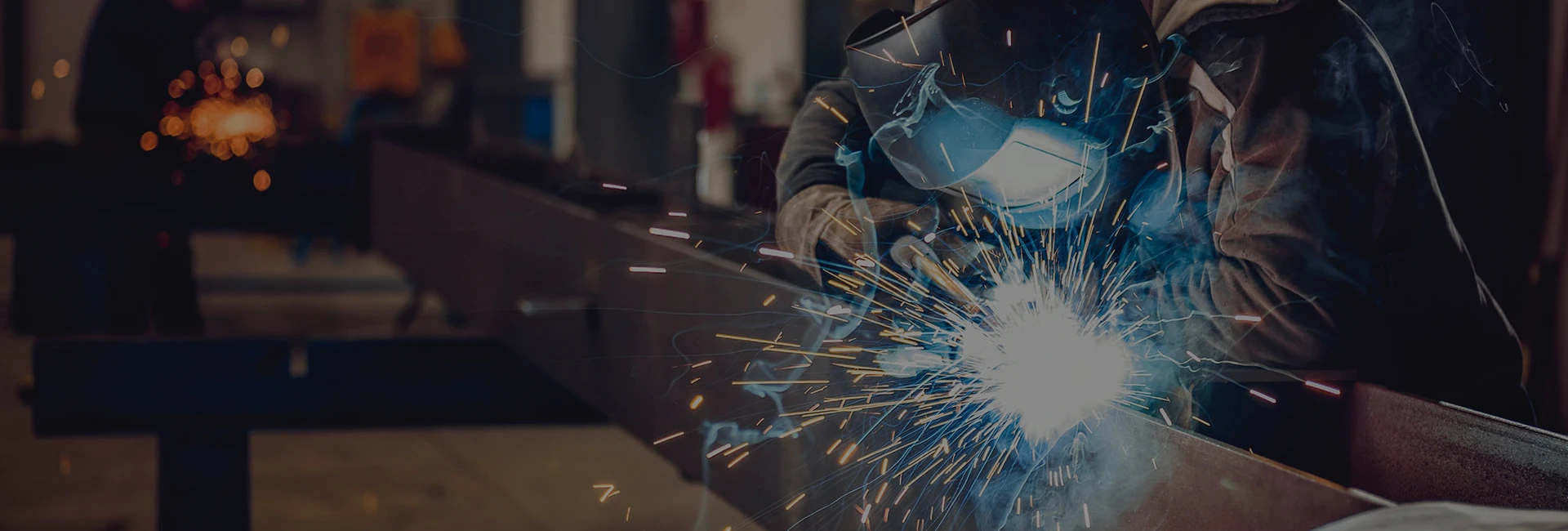
Comprehensive Guide to 7018 Electrode Positive - Specs, Uses & Benefits

Comprehensive Guide to 7018 Electrode Positive - Specs, Uses & Benefits
Dec . 02, 2025 15:50
Understanding the 7018 Electrode Positive: A Global Industrial Backbone
When you hear “7018 electrode positive,” it might sound like something out of a chemistry lab, but it’s actually a cornerstone of the industrial manufacturing world. This welding electrode plays a critical role in infrastructure development, vehicle manufacturing, and pipeline construction around the globe. With billions of dollars tied to welded structures every year, understanding how the 7018 electrode positive works—and why it matters—can provide valuable insights, especially for industries reliant on durable, strong welds.
Essentially, the 7018 positive electrode is a type of welding rod used in shielded metal arc welding (SMAW), known for its durable, crack-resistant welds. It’s especially valued in industries demanding reliability, such as construction, energy, and mining. Globally, the welding market, valued at over $12 billion (according to recent ISO reports), underscores the magnitude of such essential tools. Yet the challenge remains: how to balance performance, cost, and safety in tough working conditions. That’s where understanding the specifics of electrodes like the 7018 positive comes into play.
What Exactly Is the 7018 Electrode Positive?
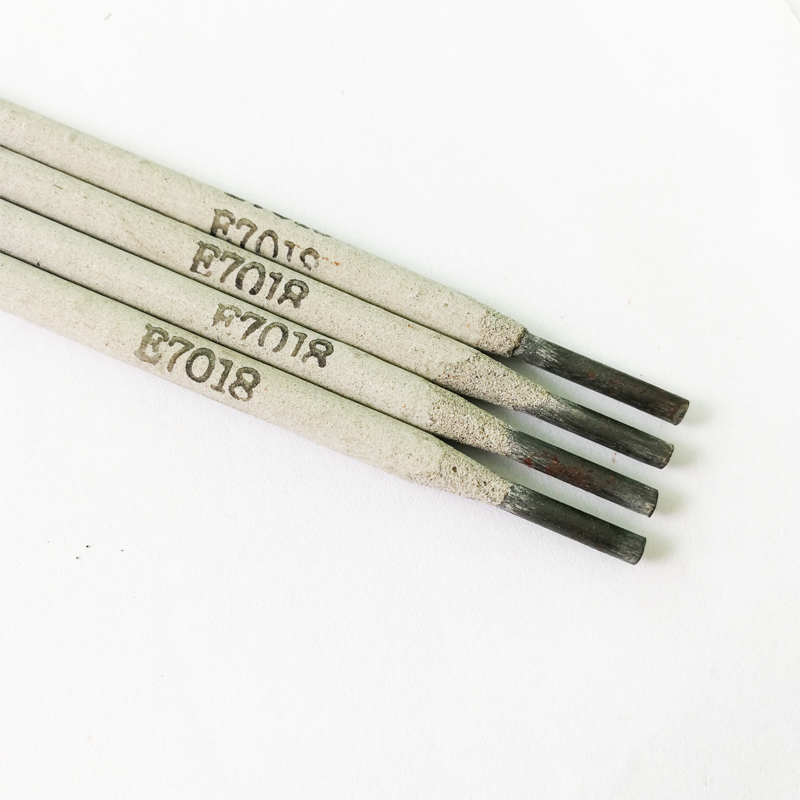
Put simply, the 7018 electrode is a low-hydrogen, iron powder-coated welding rod used primarily for welding carbon and low-alloy steels. The “7018” code breaks down as follows:
- 70 – Represents the minimum tensile strength of 70,000 psi.
- 1 – Indicates it’s suitable for all positions: flat, horizontal, vertical, and overhead.
- 8 – Tells us it has a low-hydrogen, iron powder coating that helps reduce weld cracking and improve bead deposition.
This electrode when used with a DC positive polarity (also called electrode positive or reverse polarity) enhances penetration and ensures a smoother, spatter-free weld. It’s favored in situations requiring a strong, resilient joint, such as in structural steelwork or pressure vessels.
Key Features That Define the 7018 Electrode Positive
Durability & Crack Resistance
One of the standouts with 7018 electrodes is their low-hydrogen coating, which dramatically reduces hydrogen content in the weld, minimizing cracking. This is critical when working with high-stress or load-bearing metal joints.
Weld Strength & Consistency
Thanks to its 70,000 psi tensile strength rating, welds formed with 7018 rods are usually stable and long-lasting — which is absolutely necessary in building bridges, pipelines, or heavy machinery.
Usability Across Positions
Whether you need to weld overhead, vertical, or flat, the 7018 electrode handles all angles gracefully, giving welders flexibility on-site.
Cost Efficiency
While it might be slightly pricier than basic electrodes, the lower rework and failure rates generally make it a wise investment for many industries.
Compatibility with DC Positive Polarity
Using the 7018 electrode positive polarity significantly improves penetration and bead appearance, which translates to a reliable weld with less spatter.
| Attribute | Specification |
|---|---|
| Tensile Strength | 70,000 psi |
| Polarity | DC Positive |
| Position | All positions |
| Electrode Coating | Low-hydrogen iron powder |
| Typical Diameter Range | 1/16” to 5/32” |
Mini summary: The 7018 electrode positive is a versatile, low-hydrogen welding rod designed for durable, high-strength welds across many positions, especially with DC positive polarity.
Global Applications of 7018 Electrode Positive
It’s pretty remarkable how this technical electrode shows up all over the place—in earthquake-prone Japan reinforcing skyscrapers, to oil and gas pipelines sprawling across the Middle East deserts, to shipyards bustling along Europe’s coastlines. In fact, the mining sector in Australia demands heavy-duty welds on equipment subjected to high stress, making the 7018 an ideal choice.
In post-disaster relief, strong weld joints built with 7018 rods can mean the difference between structures that stand and those that collapse—safety isn’t just a number, but dignity and lives at stake.
On top of that, heavy industries like automobile manufacturing benefit from the rod’s reliability when fabricating chassis and frames, ensuring vehicles can withstand rigorous use.
Vendor Comparison: Leading 7018 Electrode Providers
| Vendor | Price per kg | Coating Quality | Packaging Options | Global Availability |
|---|---|---|---|---|
| Jinlong Welding Electrode | $7.50 | Premium low-hydrogen coating | 50 lb, 10 lb packs | Worldwide shipping |
| Global Weld Solutions | $8.20 | Standard low-hydrogen | 40 lb boxes | Limited regions |
| SteelPro Electrodes | $7.90 | Good, with iron powder coating | 25 lb cartons | Mostly domestic |
7018 electrode positive from Jinlong Welding Electrode, notably, combines competitive pricing and global reach, supporting users worldwide with consistent quality.
Advantages & Long-Term Value of Using 7018 Electrode Positive
- Reliable Strength: Minimizes repairs and downtime, saving money and frustration.
- Safety First: Low-hydrogen coating reduces weld cracking, which can cause catastrophic failures.
- Adaptability: Performs well in varied positions and environments, from cold to humid climates.
- Sustainability: Efficient welding reduces material waste and energy consumption.
Honestly, a welder I spoke with last month said it feels like “the 7018 electrode positive is the rockstar of stick welding.” That trust and consistency aren’t just marketing fluff— it’s earned through decades of proven performance.
What’s Next? Future Trends & Innovations
Welding technology isn’t standing still. We’re seeing innovations in electrode coatings to improve weld quality and reduce environmental impact—like developing low-smoke, eco-friendly flux materials. Automation and robotic welding systems increasingly use optimized 7018 rods for precision and speed. Integrating IoT sensors to monitor weld quality in real-time is also on the horizon.
Plus, with industries committing to greener standards, these electrodes’ efficiency helps lessen energy consumption during welding, contributing to sustainability goals.
Addressing Challenges & Solutions
An ongoing challenge with 7018 electrodes is maintaining the dry, low-hydrogen coating, which demands proper storage and preparation. If not dried correctly, weld defects can occur. Experts recommend on-site storage ovens or heated cabinets to keep electrodes in prime condition.
Also, skilled training is crucial—many weld failures stem from improper technique rather than electrode flaws. Investing in welder education can offset these issues.
FAQ: Your Top Questions About 7018 Electrode Positive
- Q: Why is DC positive polarity recommended for 7018 electrodes?
- A: DC positive (electrode positive) polarity increases heat at the workpiece, enhancing penetration and producing a smooth weld bead with less spatter, making it ideal for 7018 rods.
- Q: Can 7018 electrodes be used in outdoor environments?
- A: Yes, but since 7018 rods have a flux coating sensitive to moisture, they must be stored properly and kept dry during use to avoid weld defects.
- Q: How long should 7018 electrodes be baked before use?
- A: Typically, electrodes are baked at 250°C (482°F) for one hour to remove moisture, but always follow manufacturer recommendations for best results.
- Q: Are there alternatives to the 7018 electrode positive?
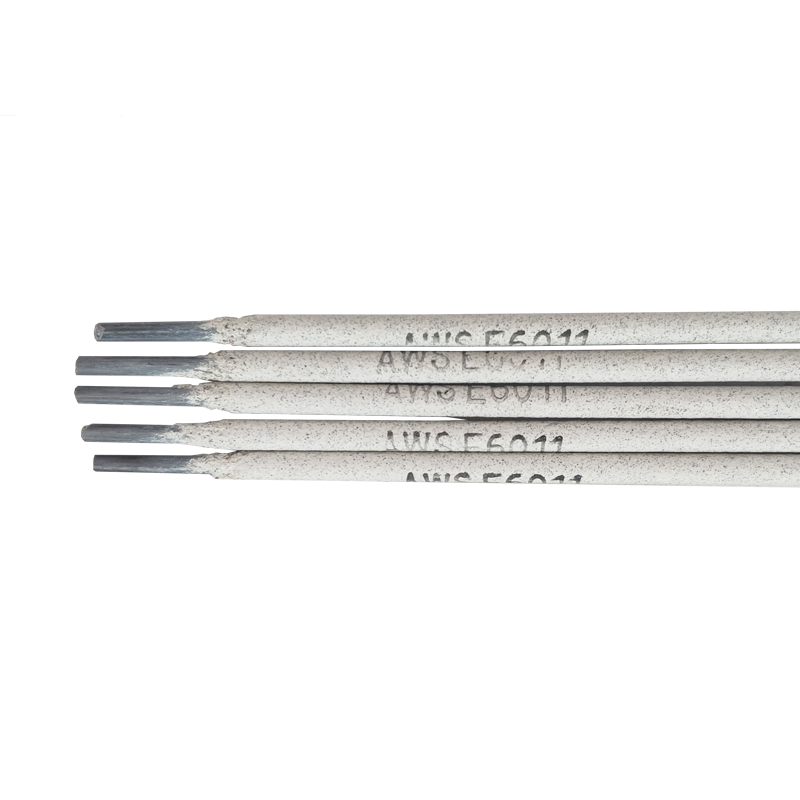
- A: Alternatives like 6010 or 6011 electrodes exist but generally don’t offer the same low-hydrogen, crack-resistant qualities, making 7018 preferred for critical welds.
Conclusion: Why 7018 Electrode Positive Remains a Welding Industry Pillar
So, to sum things up, the 7018 electrode positive isn’t just an arc welding rod — it’s a global workhorse enabling safer, more resilient structures that support everything from skyscrapers to pipelines. It’s about getting welds done right, time after time, minimizing risk and maintenance down the line. If you’re keen to explore top-quality 7018 electrodes, or want to dive deeper into technical specs, visit Jinlong Welding Electrode. They offer dependable products tailored to your needs.
It’s a humble tool, but honestly, one that quietly shapes the world around us.
References

Related Video

Related News
2026-04-16 02:35:10
Precision Guide for e312 16 welding rod and Dissimilar Steel Welding
In the demanding world of industrial fabrication and repair, selecting the correct filler metal is the difference between a structural failure and a lifetime bond. The e312 16 welding rod is specifically engineered to meet the rigorous needs of welding dissimilar steels, offering an exceptional balance of strength and corrosion resistance. Whether you are working on high-pressure pipelines or heavy machinery components, understanding the nuances of this specialized electrode is key to achieving professional-grade results. This guide explores the technical advantages and practical applications of the E312 series to help you optimize your welding workflow.
2026-04-09 02:35:17
Choosing the Right cs to ss welding rod number Professional Guide
Joining carbon steel (CS) to stainless steel (SS) is a common challenge in industrial fabrication, requiring a precise understanding of metallurgy to avoid weld failure. The most critical decision in this process is identifying the correct cs to ss welding rod number to ensure a strong, corrosion-resistant bond. Using the wrong filler metal can lead to cracking or premature oxidation due to the different thermal expansion rates of the two materials. In this comprehensive guide, we will break down the technical specifications and selection criteria to help you achieve a professional-grade weld every time.
2026-04-07 02:25:29
Comprehensive Guide to 409 Welding Rod Selection and Optimal Usage
When it comes to welding applications requiring corrosion resistance and good weldability, the 409 welding rod is a frequently chosen option. This article provides a detailed overview of this versatile welding rod, exploring its composition, applications, benefits, and considerations for optimal use. Whether you’re a seasoned professional or new to welding, understanding the properties of 409 welding rod is crucial for achieving high-quality, durable welds. We’ll cover everything you need to know to make informed decisions for your welding projects.
2026-04-04 02:35:28
Comprehensive Guide to 330 Stainless Steel Welding Rod Applications and Techniques
330 stainless steel welding rods are a crucial component in various industries, offering exceptional corrosion resistance and high-temperature strength. This article provides an in-depth look at these rods, covering their properties, applications, choosing the right rod, welding techniques, safety precautions, and where to find high-quality options. Whether you're a seasoned welding professional or new to the field, this guide will offer valuable insights.
2026-03-31 02:35:08
Comprehensive Guide to 312 Stainless Tig Rod for Superior Welding Performance
When choosing the right filler metal for your TIG welding projects, especially in demanding applications, 312 stainless steel tig rod stands out for its exceptional corrosion resistance and high-temperature strength. This comprehensive guide will explore its composition, applications, benefits, and how it compares to other stainless steel rods. We'll also point you to resources for sourcing high-quality rods.
2026-03-28 02:45:04
Comprehensive Guide to 312 17 Welding Rod Applications and Technical Details
Welding rods are essential consumables in the welding process, and selecting the right one is crucial for achieving strong, durable, and high-quality welds. The 312 17 welding rod is a popular choice for many applications due to its unique properties and versatility. This article delves into the characteristics, applications, benefits, and considerations when using 312 17 welding rods, providing a comprehensive resource for welders and engineers alike. Choosing the right rod directly impacts the success and longevity of any welding project.
2026-03-26 02:35:10
Comprehensive Guide to the 312 16 Welding Rod for Superior Steel Welding
The 312 16 welding rod is a versatile and widely-used electrode in various welding applications. Known for its excellent weldability and strong mechanical properties, it's a go-to choice for professionals and hobbyists alike. This article delves into the specifics of this electrode, covering its composition, applications, advantages, and how to choose the right one for your projects. Understanding the nuances of the 312 16 welding rod is crucial for achieving high-quality, durable welds. The designation "312 16" provides key information about the welding rod. "312" refers to the type of flux coating, specifically a low-hydrogen, iron powder coating. This coating is designed to produce welds with excellent mechanical properties and good resistance to cracking. The "16" indicates the diameter of the rod in 32nds of an inch – so a 312 16 rod has a diameter of 16/32 or 1/2 inch. This combination makes it suitable for a wide range of steel welding applications. The low-hydrogen nature of the flux minimizes hydrogen-induced cracking, a common issue in welding certain steels.
2026-03-24 02:45:07
Comprehensive Guide to 309LSI TIG Rod Welding Applications and Best Practices
The 309LSI TIG rod is a versatile welding consumable widely used across various industries for its exceptional corrosion resistance and weldability. This article will explore the properties, applications, advantages, and best practices associated with using 309LSI TIG rods. Whether you're a seasoned welding professional or new to the field, this guide will provide you with valuable insights into maximizing the performance and longevity of your welds. The 309LSI TIG rod is a stainless steel electrode specifically designed for Gas Tungsten Arc Welding (GTAW), commonly known as TIG welding. The "309LSI" designation indicates the alloy composition: 309 signifies the chromium-nickel content, 'L' denotes low carbon content for enhanced corrosion resistance, and 'SI' signifies stabilized with silicon for improved resistance to carbide precipitation during welding.

 English
  Arabic
  Bengali
  China
China  French
  German
  Hausa
Hausa  Indonesian
  Italian
  Japanese
  Javanese
  Malay
Malay  Persian
  Portuguese
  Punjabi
  Russian
  Spanish
  Swahili
  Telugu
  Vietnamese