

Comprehensive Guide to 7018 h4 Welding Electrodes: Specifications, Uses & Benefits

Comprehensive Guide to 7018 h4 Welding Electrodes: Specifications, Uses & Benefits
Dec . 02, 2025 16:04
Understanding 7018 h4: The Workhorse of Welding Electrodes
If you’re not from the welding world, “7018 h4” might sound like just a jumble of numbers and letters. But for industries worldwide, it’s a staple component that keeps critical infrastructure strong and safe. Essentially, 7018 h4 refers to a specific type of welding electrode known for its versatility, toughness, and reliability. These qualities make it particularly valuable across construction, shipbuilding, pipeline repair, and even humanitarian infrastructure.
Why does 7018 h4 matter? Frankly, because infrastructure failures have real consequences — economic losses, environmental hazards, and even risks to human safety. Understanding 7018 h4 means understanding a piece of technology that helps prevent those failures and extends the life of vital welded joints. That’s why professionals from engineers to project managers keep this electrode top-of-mind when specifying welding materials.
Mini takeaway: 7018 h4 is more than a code—it's a fundamental welding tool ensuring strength and safety across global industries.
Global Industry Context
Let’s zoom out for a moment. According to the International Institute of Welding and supported by standards like AWS (American Welding Society), welding remains integral to infrastructure worth trillions globally. The global welding consumables market itself is projected to exceed USD 25 billion by 2027, reflecting vast demand for quality electrodes like 7018 h4. Industrial expansion in Asia-Pacific, infrastructure rejuvenation in the U.S. and Europe, and increasing energy projects globally depend heavily on reliable welding performance.
However, in many regions, weld failures due to improper electrode choice or poor technique create costly setbacks. 7018 h4 addresses these challenges thanks to its consistent welding arc and high mechanical properties, especially in demanding environments. From offshore oil rigs to urban bridge repair, these electrodes provide a proven solution to prevent cracks, corrosion, and brittle welds.
Mini takeaway: The worldwide need for durable, high-quality welding materials cements 7018 h4's role as a global industrial cornerstone.
What Exactly is 7018 h4?
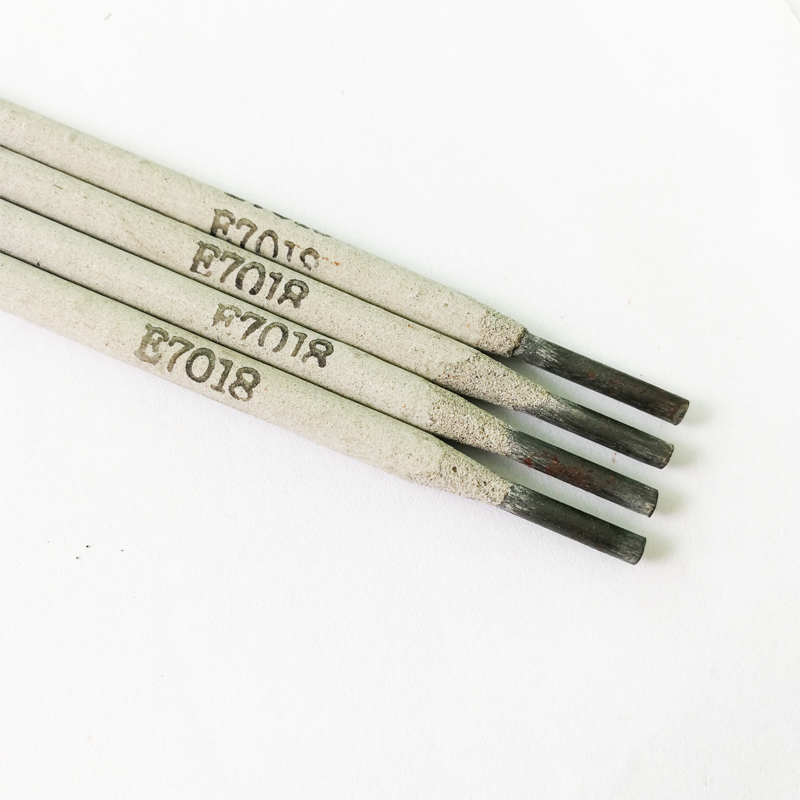
In plain terms, 7018 h4 is a low-hydrogen, iron powder coated welding electrode type classified under AWS A5.1 standards. Breaking down the code: ‘70’ signifies 70,000 psi tensile strength, ‘1’ means it's suitable for all welding positions, and ‘8’ indicates a low hydrogen potassium iron powder coating that favors strong, ductile welds. The ‘h4’ part is crucial because it refers to a moisture absorption threshold—a measure of how dry the electrode must be, influencing weld quality.
This electrode’s low hydrogen content is key for preventing hydrogen-induced cracking, especially in thick steel sections. For industries reliant on structural integrity — think bridges, dams, pipelines, or heavy equipment — this is a game changer. It also ties into humanitarian engineering; in emergency shelters or critical infrastructure rebuilds, 7018 h4 ensures welding processes yield durable joints under challenging conditions.
Mini takeaway: 7018 h4 offers a balanced combination of high strength and reliability with moisture control for quality welds.
Core Features That Make 7018 h4 Stand Out
Durability and Strength
Thanks to its design, the 7018 h4 electrode produces welds with excellent tensile strength and fatigue resistance. That means structures don’t just stand — they endure harsh stresses and strain without failing prematurely.
Versatility Across Positions
The ‘1’ in 7018 h4 means welders can comfortably use it flat, vertical, overhead — every position. It’s practical when working on complex joints where movement is limited or when speed counts.
Low Hydrogen Content
By maintaining a strict moisture level (‘h4’ means a maximum moisture content of 0.4%), 7018 h4 reduces hydrogen absorption, which causes weld cracking. This improves the safety and longevity of structures.
Arc Stability and Smooth Operation
The iron powder coating produces a stable arc with minimal spatter, resulting in smoother, cleaner weld beads that reduce post-weld cleanup time.
Compatibility with Various Steel Types
From carbon steels to some low alloy types, 7018 h4 adapts well to different substrate requirements, which further broadens its industrial appeal.
Mini takeaway: The combination of strength, flexibility in use, and low hydrogen content makes 7018 h4 uniquely suited to demanding welding tasks.
Product Specification Table
| Specification | Details |
|---|---|
| AWS Classification | E7018 h4 |
| Tensile Strength | 70,000 psi (480 MPa) |
| Position Usability | All positions (flat, vertical, overhead) |
| Hydrogen Level | Low hydrogen (max 4 ml/100g weld metal) |
| Coating Type | Iron powder, potassium low hydrogen |
| Moisture Sensitivity | h4 (max 0.4% moisture) |
Global Applications & Use Cases
Where is 7018 h4 used? Practically everywhere that steel structures require dependable welds. Shipyards throughout Southeast Asia rely on it for constructing cargo vessels that brave turbulent waters. North American pipeline projects, often spanning hundreds of miles across rugged terrain, choose 7018 h4 to ensure joints won't crack under pressure or shifts.
In post-disaster rebuilding—say after earthquakes—humanitarian groups specify 7018 h4 electrodes to reconstruct housing and critical bridges safely and quickly. The low hydrogen welds reduce brittle failure, which can be catastrophic in these scenarios.
Oddly enough, even the automotive and heavy equipment sectors sneak in 7018 h4 for maintenance repairs where high strength and controlled weld metal chemistry provide repair durability.
Mini takeaway: From global infrastructure to emergency relief, 7018 h4 welding electrodes prove indispensable wherever safety and strength matter.
Vendor Comparison Table
| Vendor | Electrode Quality | Price per kg | Global Availability | Special Features |
|---|---|---|---|---|
| Jinlong Welding Electrode Co. | Consistently high, meets AWS standards | $4.50 | Asia, Americas, Europe | Low moisture & high arc stability |
| Global Weld Supplies Inc. | Good, with occasional variation | $4.80 | North America, Europe | Standard low hydrogen coating |
| Welding World Ltd. | High quality but limited availability | $5.00 | Europe, Middle East | Eco-friendly packaging |
Advantages & Long-Term Value of Using 7018 h4
Tangible benefits of 7018 h4 are many — lower rework costs, reduced downtime, and extended service life of weldments come top of mind. Economically, it’s a sound investment; the initial cost pales in comparison to possible failure costs. Logically, it ensures structures are resilient to weather, load, and fatigue.
On the emotional side, engineers and supervisors appreciate the peace of mind that comes from choosing a proven, trusted electrode with consistent results. There’s also an element of craftsmanship pride; the aesthetic quality of a clean weld bead is worth mentioning.
From a sustainability angle, 7018 h4’s consistent welds minimize scrap and repair frequency, hence lowering resource waste. In the grand scheme, that supports initiatives to build greener, longer-lasting infrastructure — a global priority aligned with ISO standards on sustainable construction.
Mini takeaway: Combining cost-effectiveness, reliability, and environmental responsibility, 7018 h4 welding electrodes offer unmatched long-term value.
Future Trends & Innovations in 7018 h4 Welding
The welding sector isn’t standing still. Innovations in electrode coatings aim to lower moisture sensitivity even further and improve weld metal toughness with less alloying element usage. Automation and robotics increasingly rely on consistent electrodes like 7018 h4 to maintain quality in high-speed manufacturing environments. Digitally monitored electrode storage and baking processes prevent moisture ingress—meaning fewer weld defects.
Furthermore, as green energy projects (wind turbines, offshore power plants) ramp up, 7018 h4 electrodes will be crucial in fabricating steel components that can withstand harsh coastal and offshore climates.
Oddly enough, ongoing research also explores new electrode formulations that incorporate recycled materials without compromising performance — an exciting prospect that could reduce carbon footprints.
Challenges & Solutions
Moisture control remains the biggest practical challenge with 7018 h4 electrodes — improper storage or prolonged exposure leads to hydrogen pickup and weld cracking. Some welders face difficulty maintaining ideal baking temperatures to restore electrodes once moisture penetrates.
Innovations in packaging and handling, plus training operators on best storage practices, go a long way. Ultrasonic drying technologies and better humidity indicators help keep electrodes ready-to-use. Choosing suppliers like Jinlong Welding Electrode who offer pre-baked, vacuum-sealed electrodes also mitigates this issue.
Mini takeaway: Addressing moisture challenges through smart storage and handling is essential to unlocking 7018 h4’s full potential.
FAQ: Your 7018 h4 Questions Answered
- Q1: What is the ideal baking temperature and time for 7018 h4 electrodes?
- A1: To remove absorbed moisture and restore low hydrogen levels, baking at around 250°C (482°F) for one hour is standard. However, ovens designed specifically for welding rods are recommended to avoid damage.
- Q2: How long can 7018 h4 electrodes be stored before use?
- A2: If unopened and stored in low humidity, they can last several months. Once opened, they should be kept in rod ovens or storage boxes designed to maintain dryness to prevent hydrogen pickup.
- Q3: Can 7018 h4 be used effectively on all steel thicknesses?
- A3: Yes, it's well-suited for thick steel sections due to its low hydrogen content reducing cracking risk, but proper parameters must be followed to optimize penetration and weld bead profile.
- Q4: Are there eco-friendly variations of 7018 h4 electrodes available?
- A4: Some vendors now offer electrodes with recyclable packaging and coatings designed to reduce emissions during welding, aligning with sustainability goals.
- Q5: How does 7018 h4 differ from other low hydrogen electrodes like 6010 or 7024?
- A5: Unlike 6010, which has a cellulose coating for deep penetration but higher hydrogen, 7018 h4 has low hydrogen for crack resistance. 7024 has higher deposition rates but less tensile strength compared to 7018.
Conclusion & Call to Action
To wrap things up, 7018 h4 electrodes embody the essence of welding reliability—high tensile strength, low hydrogen content, and versatile usability. These qualities make it an indispensable choice across global industries, from construction to humanitarian rebuilding. By investing in quality electrodes like 7018 h4, manufacturers and engineers protect their projects against costly failures and contribute to building safer, longer-lasting infrastructure.
If you want to explore more or source premium 7018 h4 electrodes, visit our website. Let’s keep the world welded strong.
Interestingly, the subtle variations in electrode composition impact weld quality profoundly — a reminder that even small materials science details carry big practical weight. As welding technology evolves, so does the humble electrode's importance. For further detail, reliable references include the Wikipedia Welding Electrode page, AWS A5.1 standard documents, and the International Institute of Welding publications.

Related Video

Related News
2026-04-16 02:35:10
Precision Guide for e312 16 welding rod and Dissimilar Steel Welding
In the demanding world of industrial fabrication and repair, selecting the correct filler metal is the difference between a structural failure and a lifetime bond. The e312 16 welding rod is specifically engineered to meet the rigorous needs of welding dissimilar steels, offering an exceptional balance of strength and corrosion resistance. Whether you are working on high-pressure pipelines or heavy machinery components, understanding the nuances of this specialized electrode is key to achieving professional-grade results. This guide explores the technical advantages and practical applications of the E312 series to help you optimize your welding workflow.
2026-04-09 02:35:17
Choosing the Right cs to ss welding rod number Professional Guide
Joining carbon steel (CS) to stainless steel (SS) is a common challenge in industrial fabrication, requiring a precise understanding of metallurgy to avoid weld failure. The most critical decision in this process is identifying the correct cs to ss welding rod number to ensure a strong, corrosion-resistant bond. Using the wrong filler metal can lead to cracking or premature oxidation due to the different thermal expansion rates of the two materials. In this comprehensive guide, we will break down the technical specifications and selection criteria to help you achieve a professional-grade weld every time.
2026-04-07 02:25:29
Comprehensive Guide to 409 Welding Rod Selection and Optimal Usage
When it comes to welding applications requiring corrosion resistance and good weldability, the 409 welding rod is a frequently chosen option. This article provides a detailed overview of this versatile welding rod, exploring its composition, applications, benefits, and considerations for optimal use. Whether you’re a seasoned professional or new to welding, understanding the properties of 409 welding rod is crucial for achieving high-quality, durable welds. We’ll cover everything you need to know to make informed decisions for your welding projects.
2026-04-04 02:35:28
Comprehensive Guide to 330 Stainless Steel Welding Rod Applications and Techniques
330 stainless steel welding rods are a crucial component in various industries, offering exceptional corrosion resistance and high-temperature strength. This article provides an in-depth look at these rods, covering their properties, applications, choosing the right rod, welding techniques, safety precautions, and where to find high-quality options. Whether you're a seasoned welding professional or new to the field, this guide will offer valuable insights.
2026-03-31 02:35:08
Comprehensive Guide to 312 Stainless Tig Rod for Superior Welding Performance
When choosing the right filler metal for your TIG welding projects, especially in demanding applications, 312 stainless steel tig rod stands out for its exceptional corrosion resistance and high-temperature strength. This comprehensive guide will explore its composition, applications, benefits, and how it compares to other stainless steel rods. We'll also point you to resources for sourcing high-quality rods.
2026-03-28 02:45:04
Comprehensive Guide to 312 17 Welding Rod Applications and Technical Details
Welding rods are essential consumables in the welding process, and selecting the right one is crucial for achieving strong, durable, and high-quality welds. The 312 17 welding rod is a popular choice for many applications due to its unique properties and versatility. This article delves into the characteristics, applications, benefits, and considerations when using 312 17 welding rods, providing a comprehensive resource for welders and engineers alike. Choosing the right rod directly impacts the success and longevity of any welding project.
2026-03-26 02:35:10
Comprehensive Guide to the 312 16 Welding Rod for Superior Steel Welding
The 312 16 welding rod is a versatile and widely-used electrode in various welding applications. Known for its excellent weldability and strong mechanical properties, it's a go-to choice for professionals and hobbyists alike. This article delves into the specifics of this electrode, covering its composition, applications, advantages, and how to choose the right one for your projects. Understanding the nuances of the 312 16 welding rod is crucial for achieving high-quality, durable welds. The designation "312 16" provides key information about the welding rod. "312" refers to the type of flux coating, specifically a low-hydrogen, iron powder coating. This coating is designed to produce welds with excellent mechanical properties and good resistance to cracking. The "16" indicates the diameter of the rod in 32nds of an inch – so a 312 16 rod has a diameter of 16/32 or 1/2 inch. This combination makes it suitable for a wide range of steel welding applications. The low-hydrogen nature of the flux minimizes hydrogen-induced cracking, a common issue in welding certain steels.
2026-03-24 02:45:07
Comprehensive Guide to 309LSI TIG Rod Welding Applications and Best Practices
The 309LSI TIG rod is a versatile welding consumable widely used across various industries for its exceptional corrosion resistance and weldability. This article will explore the properties, applications, advantages, and best practices associated with using 309LSI TIG rods. Whether you're a seasoned welding professional or new to the field, this guide will provide you with valuable insights into maximizing the performance and longevity of your welds. The 309LSI TIG rod is a stainless steel electrode specifically designed for Gas Tungsten Arc Welding (GTAW), commonly known as TIG welding. The "309LSI" designation indicates the alloy composition: 309 signifies the chromium-nickel content, 'L' denotes low carbon content for enhanced corrosion resistance, and 'SI' signifies stabilized with silicon for improved resistance to carbide precipitation during welding.

 English
  Arabic
  Bengali
  China
China  French
  German
  Hausa
Hausa  Indonesian
  Italian
  Japanese
  Javanese
  Malay
Malay  Persian
  Portuguese
  Punjabi
  Russian
  Spanish
  Swahili
  Telugu
  Vietnamese