

Comprehensive Guide to 7018 Electrode 1 16 – Specifications, Uses & Global Insights

Comprehensive Guide to 7018 Electrode 1 16 – Specifications, Uses & Global Insights
Dec . 02, 2025 15:34
Understanding the 7018 Electrode 1 16: A Global Welding Staple
When it comes to welding electrodes, the 7018 electrode 1 16 holds a special place in industries worldwide—from construction to shipbuilding, infrastructure repair to manufacturing. But why does this particular welding rod matter so much? Well, it’s not just about putting two pieces of metal together. Its robust strength, versatility, and reliability have made it a go-to product that supports economies and humanitarian projects across continents.
Grasping the nuances of this electrode isn’t simply a nicety for welders—it plays a crucial role in global infrastructure safety, environmental sustainability, and even post-disaster rebuilding efforts. Knowing what makes 7018 electrode 1 16 tick can unlock a better understanding of how modern metalwork safeguards our urban landscapes and remote industrial sites alike.
Global Relevance of the 7018 Electrode 1 16
Interestingly, welding electrodes like the 7018 are quietly embedded in many of the world's critical infrastructure projects. According to the International Organization for Standardization (ISO), welding quality directly impacts the longevity and safety of pipelines, bridges, and nuclear facilities. Statistics from the World Bank indicate that robust welding materials help reduce maintenance costs and improve longevity, especially in developing nations embracing industrialization.
However, the challenge remains: how to ensure consistent welding quality in diverse environments—ranging from the humid tropics to the freezing arctic? The 7018 electrode 1 16 addresses this with its stable arc, low hydrogen content, and excellent slag control, making it feasible for global deployment in both controlled factory settings and rough field conditions.
What Exactly Is a 7018 Electrode 1 16?
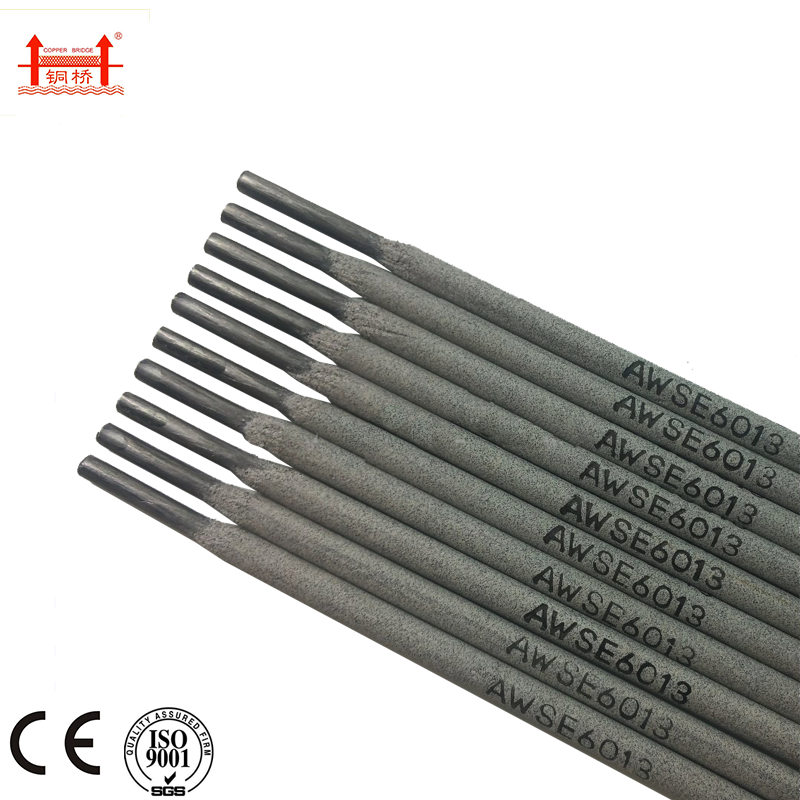
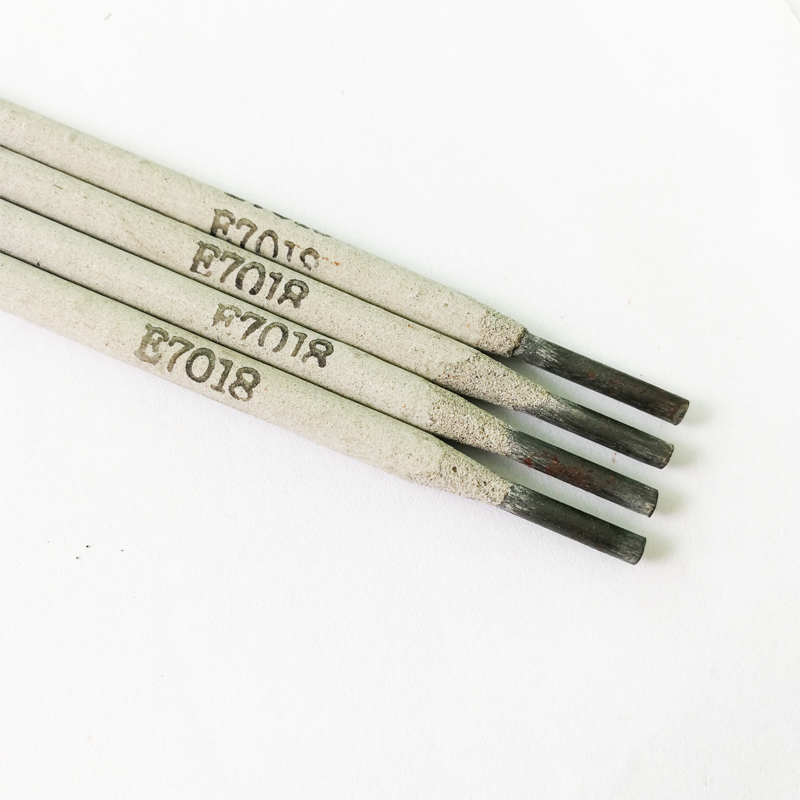
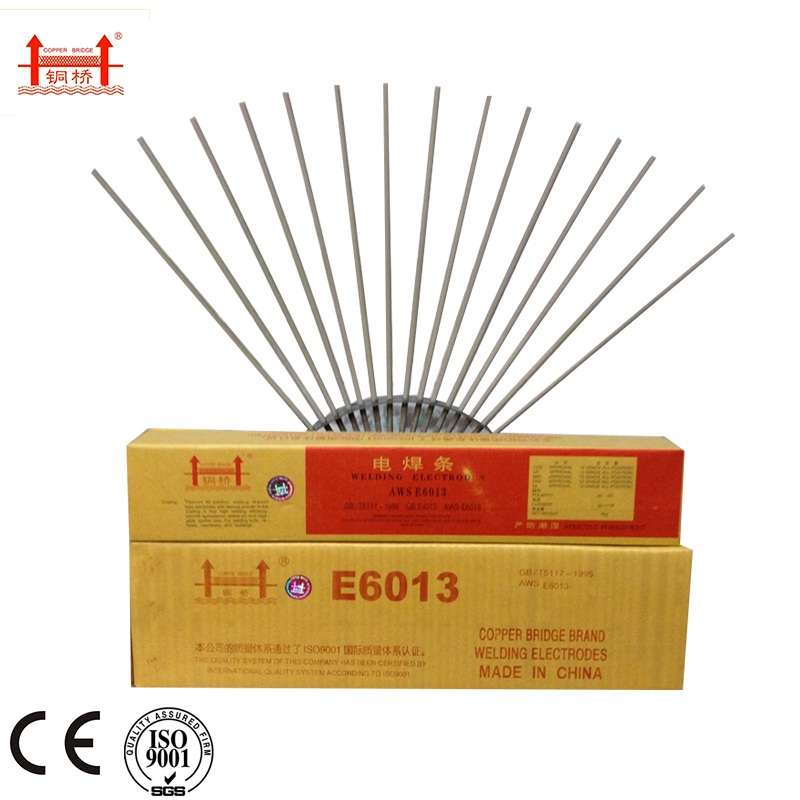
Simply put, the 7018 electrode 1 16 is a low-hydrogen, iron powder-coated welding rod, typically 1/16-inch in diameter. “7018” denotes its tensile strength and suited position welding usability, while “1/16” refers to the thickness of the electrode. A bit like a carefully crafted artisan’s tool, it delivers welds that are tough, crack-resistant, and especially good at handling stresses from dynamic loads.
This electrode is widely favored in the modern industrial world because it balances strength with ease of use. It fits nicely into everything from repairing heavy machinery to constructing skyscraper supports. Oddly enough, its consistency also makes it vital in humanitarian efforts, like restoring water pipelines in remote regions where poor welding can lead to disastrous leaks and delays.
Core Components & Key Factors
1. Durability & Strength
The 7018 electrode offers a tensile strength of about 70,000 psi, which ensures long-lasting joins even under heavy mechanical stress.
2. Low Hydrogen Content
Hydrogen causes brittle welds—something you don’t want. The 7018’s coating reduces hydrogen perils, lowering the risk of cracking after welding.
3. Versatility
From horizontal seam welding to vertical and overhead positions, the 7018 electrode 1 16 can handle it, making it flexible for many field applications.
4. Slag Control & Clean Finish
Its flux coating creates a stable arc and leaves a calcium-based slag that peels off cleanly, reducing post-weld cleanup time.
5. Cost Efficiency
While not the cheapest rod on the market, 7018 provides excellent value considering the quality, lifespan, and safety factors it imparts.
Quick Takeaway:
- 7018 electrode 1 16 excels in durable, crack-resistant welds with good arc stability.
- Low hydrogen coating key to reliability, especially in demanding conditions.
Technical Specifications of 7018 Electrode 1 16
| Specification | Value |
|---|---|
| Diameter | 1/16 inch (1.6 mm) |
| Tensile Strength | 70,000 psi |
| Coating | Low hydrogen, iron powder flux |
| Typical Current | DC - Electrode Positive (DCEP) |
| Positions | All positions (flat, vertical, overhead) |
| Applications | Structural steel, pipelines, pressure vessels |
Global Applications & Use Cases
Across the globe, 7018 electrode 1 16 welders are part of key projects from the bustling factories of China to distant oil rigs along the North Sea. In post-disaster relief operations, this electrode helps quickly repair broken infrastructure—water pipelines, bridges, even power plants—restoring services crucial to millions.
In industrial zones where conditions can be harsh or safety standards exacting, such as the mining sites in Australia or shipyards in Germany, the 7018 rod provides welders with reliable performance. Oddly enough, many small and medium enterprises around Eastern Europe rely on it exclusively for cost-effective yet dependable repairs, underscoring its broad appeal.
Vendor Comparison: Popular 7018 Electrode 1 16 Brands
| Brand | Coating Type | Typical Application | Price per kg |
|---|---|---|---|
| JinLong Welding | Iron powder, low hydrogen | Structural steel, heavy machinery | $4.50 |
| Lincoln Electric | Iron powder, low hydrogen | Shipbuilding, pipeline welding | $5.20 |
| ESAB | Iron powder, low hydrogen | Pressure vessels, construction | $5.00 |
Advantages and Long-Term Benefits
It’s frankly tough to overstate safety when it comes to welds. Using 7018 electrodes means significantly fewer cracks and post-installation failures, which translates to prolonged lifespan for structures and equipment. Beyond the wallet, this reliability reduces downtime and environmental hazards—a win-win.
From an emotional perspective, there’s something reassuring about the tried-and-true performance of this rod. Many welders swear by it, trusting that their craftsmanship won’t fail even under pressure. This intangible confidence fuels innovation and trust within teams.
Looking Ahead: Future Trends and Innovations
With increasing emphasis on sustainability, manufacturers are exploring greener flux coatings and lower emissions during welding. Digital welding machines that automate amperage and arc stability are enhancing the performance of 7018 electrodes. Meanwhile, the rise of electric arc welding in renewable energy projects, like offshore wind farms, is expanding the electrode’s horizons.
Challenges and Their Solutions
One common challenge with 7018 electrodes—and frankly with most low hydrogen rods—is the need for proper storage to avoid moisture absorption. Damp rods lead to weld defects. Industry experts recommend sealed packaging and heated drying ovens on site.
Training welders to maintain the correct arc length and travel speed is another hurdle. However, initiatives by organizations such as the American Welding Society offer standardized training, helping alleviate inconsistent weld quality.
FAQ: Common Questions About 7018 Electrode 1 16
- Q: What makes a 1/16 inch 7018 electrode suitable for all welding positions?
A: The 7018’s low hydrogen flux coating stabilizes the arc and forms a slag that supports weld puddle control, allowing effective vertical, overhead, and flat welding without defects. - Q: How should I store 7018 electrodes to maintain quality?
A: Keep them in dry, sealed containers, ideally in a rod oven at 250°F (120°C), to prevent moisture absorption and ensure optimal performance. - Q: Can 7018 electrodes be used on galvanized steel?
A: Yes, but special precautions like proper cleaning and ventilation are necessary, as welding galvanized coatings can release hazardous fumes. - Q: How does the 1/16 size affect welding speed and precision?
A: The smaller diameter allows for fine, precise welds in thin or confined materials, but requires a lower current and steady hand for optimal results.
Conclusion
The 7018 electrode 1 16 is much more than just a welding rod; it’s a cornerstone of modern industry, safety, and sustainability. Its proven strength, versatility, and reliability address real-world challenges from developing nations’ infrastructure to heavy industrial manufacturing.
If you’re looking to learn more or source top-quality 7018 electrodes, be sure to visit 7018 electrode 1 16 — where performance meets dependability.
Final Takeaway:
Choosing the right electrode isn’t just technical—it’s deciding the future reliability of your work. With 7018 electrode 1 16, you’re in solid hands.
References

Related Video

Related News
2026-04-16 02:35:10
Precision Guide for e312 16 welding rod and Dissimilar Steel Welding
In the demanding world of industrial fabrication and repair, selecting the correct filler metal is the difference between a structural failure and a lifetime bond. The e312 16 welding rod is specifically engineered to meet the rigorous needs of welding dissimilar steels, offering an exceptional balance of strength and corrosion resistance. Whether you are working on high-pressure pipelines or heavy machinery components, understanding the nuances of this specialized electrode is key to achieving professional-grade results. This guide explores the technical advantages and practical applications of the E312 series to help you optimize your welding workflow.
2026-04-09 02:35:17
Choosing the Right cs to ss welding rod number Professional Guide
Joining carbon steel (CS) to stainless steel (SS) is a common challenge in industrial fabrication, requiring a precise understanding of metallurgy to avoid weld failure. The most critical decision in this process is identifying the correct cs to ss welding rod number to ensure a strong, corrosion-resistant bond. Using the wrong filler metal can lead to cracking or premature oxidation due to the different thermal expansion rates of the two materials. In this comprehensive guide, we will break down the technical specifications and selection criteria to help you achieve a professional-grade weld every time.
2026-04-07 02:25:29
Comprehensive Guide to 409 Welding Rod Selection and Optimal Usage
When it comes to welding applications requiring corrosion resistance and good weldability, the 409 welding rod is a frequently chosen option. This article provides a detailed overview of this versatile welding rod, exploring its composition, applications, benefits, and considerations for optimal use. Whether you’re a seasoned professional or new to welding, understanding the properties of 409 welding rod is crucial for achieving high-quality, durable welds. We’ll cover everything you need to know to make informed decisions for your welding projects.
2026-04-04 02:35:28
Comprehensive Guide to 330 Stainless Steel Welding Rod Applications and Techniques
330 stainless steel welding rods are a crucial component in various industries, offering exceptional corrosion resistance and high-temperature strength. This article provides an in-depth look at these rods, covering their properties, applications, choosing the right rod, welding techniques, safety precautions, and where to find high-quality options. Whether you're a seasoned welding professional or new to the field, this guide will offer valuable insights.
2026-03-31 02:35:08
Comprehensive Guide to 312 Stainless Tig Rod for Superior Welding Performance
When choosing the right filler metal for your TIG welding projects, especially in demanding applications, 312 stainless steel tig rod stands out for its exceptional corrosion resistance and high-temperature strength. This comprehensive guide will explore its composition, applications, benefits, and how it compares to other stainless steel rods. We'll also point you to resources for sourcing high-quality rods.
2026-03-28 02:45:04
Comprehensive Guide to 312 17 Welding Rod Applications and Technical Details
Welding rods are essential consumables in the welding process, and selecting the right one is crucial for achieving strong, durable, and high-quality welds. The 312 17 welding rod is a popular choice for many applications due to its unique properties and versatility. This article delves into the characteristics, applications, benefits, and considerations when using 312 17 welding rods, providing a comprehensive resource for welders and engineers alike. Choosing the right rod directly impacts the success and longevity of any welding project.
2026-03-26 02:35:10
Comprehensive Guide to the 312 16 Welding Rod for Superior Steel Welding
The 312 16 welding rod is a versatile and widely-used electrode in various welding applications. Known for its excellent weldability and strong mechanical properties, it's a go-to choice for professionals and hobbyists alike. This article delves into the specifics of this electrode, covering its composition, applications, advantages, and how to choose the right one for your projects. Understanding the nuances of the 312 16 welding rod is crucial for achieving high-quality, durable welds. The designation "312 16" provides key information about the welding rod. "312" refers to the type of flux coating, specifically a low-hydrogen, iron powder coating. This coating is designed to produce welds with excellent mechanical properties and good resistance to cracking. The "16" indicates the diameter of the rod in 32nds of an inch – so a 312 16 rod has a diameter of 16/32 or 1/2 inch. This combination makes it suitable for a wide range of steel welding applications. The low-hydrogen nature of the flux minimizes hydrogen-induced cracking, a common issue in welding certain steels.
2026-03-24 02:45:07
Comprehensive Guide to 309LSI TIG Rod Welding Applications and Best Practices
The 309LSI TIG rod is a versatile welding consumable widely used across various industries for its exceptional corrosion resistance and weldability. This article will explore the properties, applications, advantages, and best practices associated with using 309LSI TIG rods. Whether you're a seasoned welding professional or new to the field, this guide will provide you with valuable insights into maximizing the performance and longevity of your welds. The 309LSI TIG rod is a stainless steel electrode specifically designed for Gas Tungsten Arc Welding (GTAW), commonly known as TIG welding. The "309LSI" designation indicates the alloy composition: 309 signifies the chromium-nickel content, 'L' denotes low carbon content for enhanced corrosion resistance, and 'SI' signifies stabilized with silicon for improved resistance to carbide precipitation during welding.

 English
  Arabic
  Bengali
  China
China  French
  German
  Hausa
Hausa  Indonesian
  Italian
  Japanese
  Javanese
  Malay
Malay  Persian
  Portuguese
  Punjabi
  Russian
  Spanish
  Swahili
  Telugu
  Vietnamese