

Comprehensive Guide to 2.5 mm Stainless Rod Applications and Benefits

Comprehensive Guide to 2.5 mm Stainless Rod Applications and Benefits
Mar . 10, 2026 02:25
Understanding 2.5 mm Stainless Steel Rod: Applications and Benefits
2.5 mm stainless steel rod is a versatile material finding widespread use across numerous industries. Its combination of corrosion resistance, strength, and formability makes it an ideal choice for diverse applications. This article will delve into the properties, common uses, benefits, and sourcing information for this critical component. Whether you're in manufacturing, construction, or a specialized field, understanding this material is essential. Explore with us the reasons why Jinlong Welding Electrode is a trusted supplier of high-quality stainless steel rods.
Key Properties of 2.5 mm Stainless Steel Rod
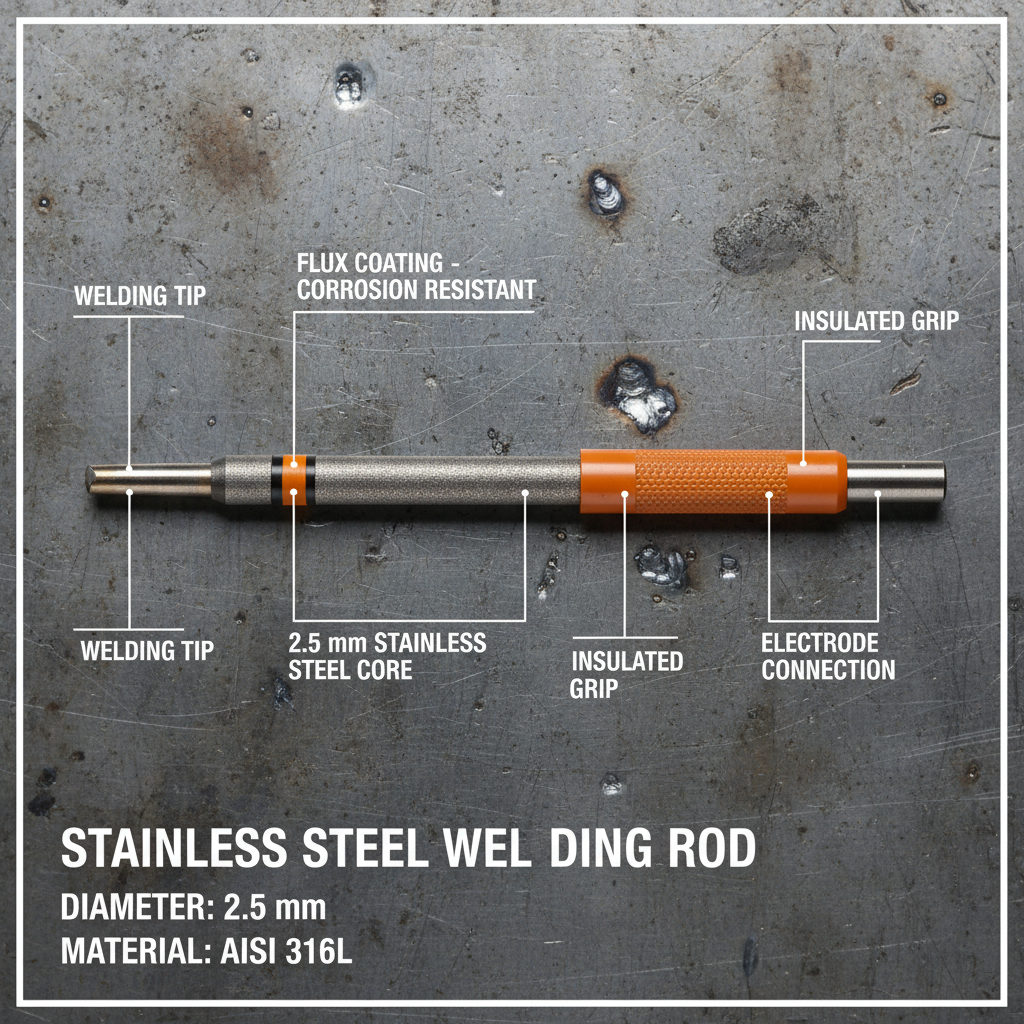
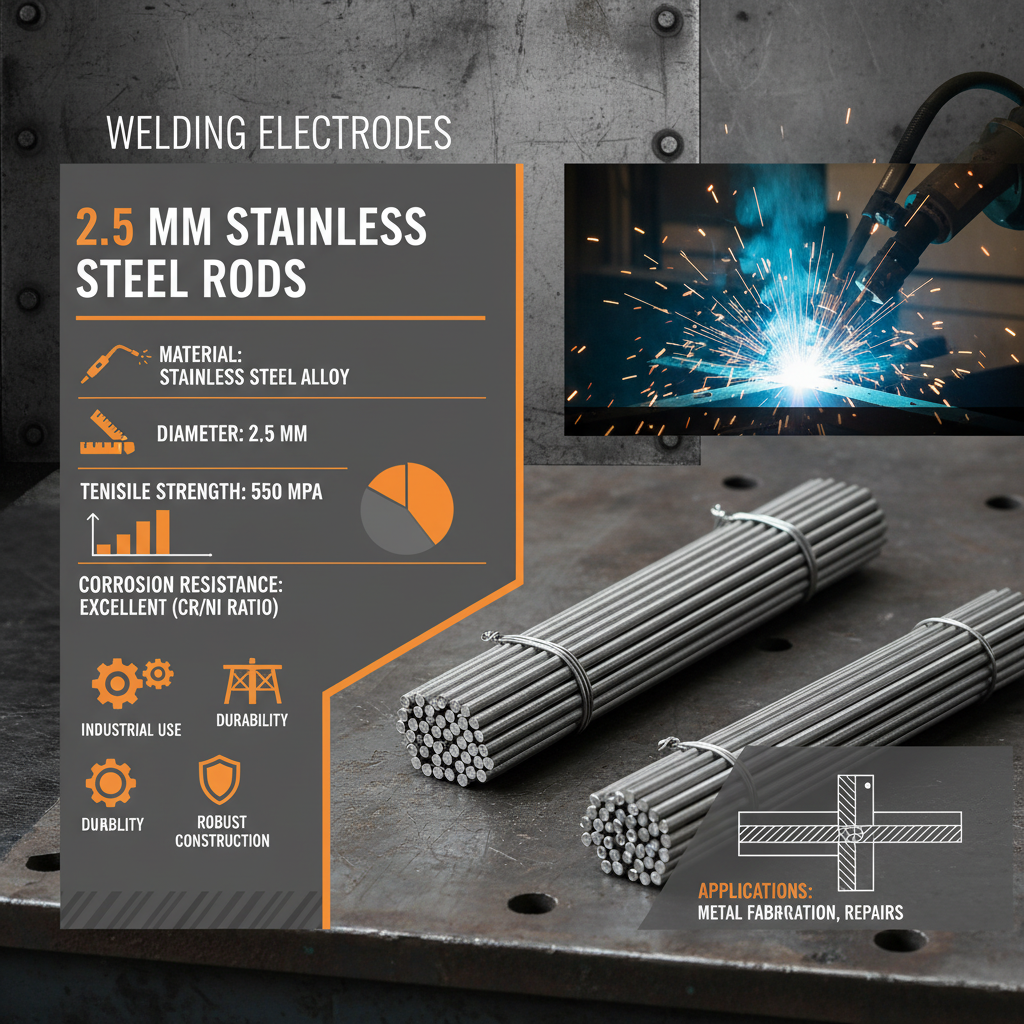
The 2.5 mm diameter is a common size offering a good balance between flexibility and strength. Typically made from 304 or 316 stainless steel, these rods exhibit excellent corrosion resistance, particularly in harsh environments. Stainless steel’s chromium content forms a passive layer, protecting the underlying metal. The tensile strength of this material is considerable, allowing it to withstand significant stress without deformation. Furthermore, it possesses good weldability, making it suitable for fabrication and joining processes. Understanding these properties is crucial when selecting the right material for your specific application.
Key Highlights: Excellent corrosion resistance, high tensile strength, good weldability, and versatile for various applications.
Common Applications of 2.5 mm Stainless Steel Rod
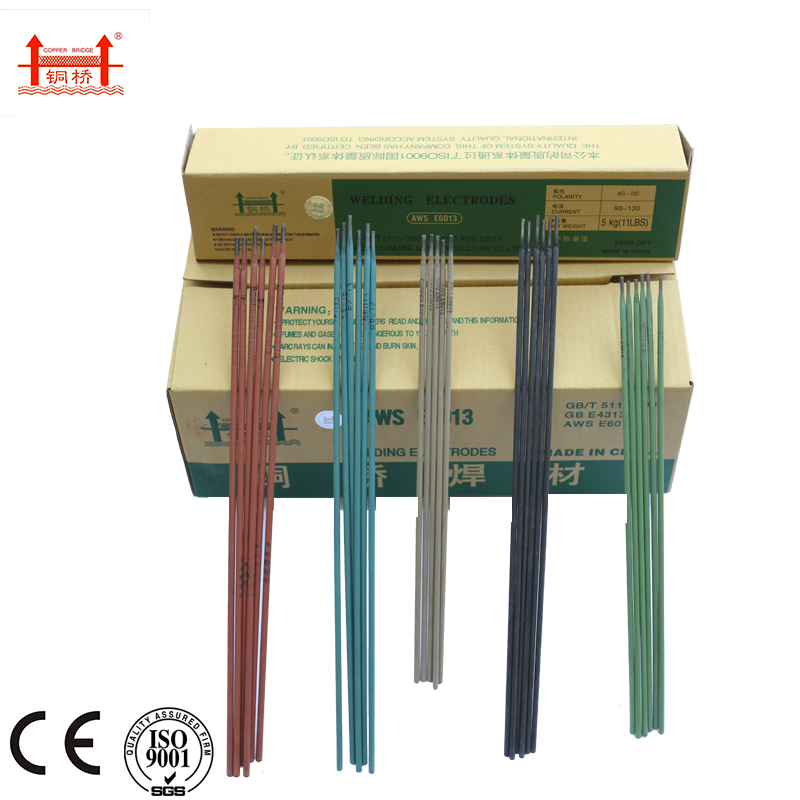
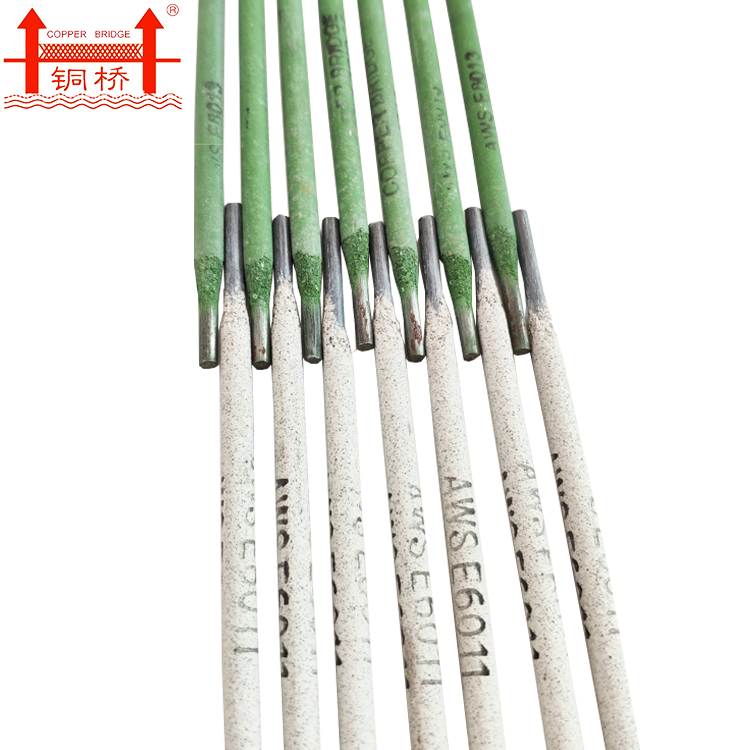
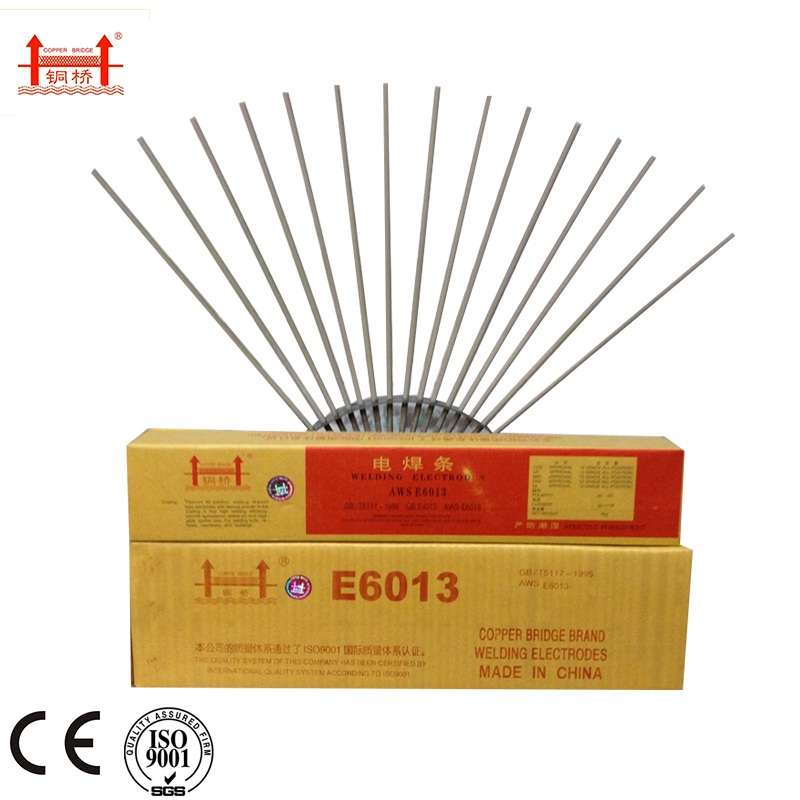
The applications of a 2.5 mm stainless steel rod are incredibly diverse. In the welding industry, it serves as a vital electrode component. It's used extensively in the fabrication of handrails, balustrades, and architectural components where corrosion resistance and aesthetic appeal are important. The rod is also commonly found in the manufacturing of springs, fasteners, and precision parts. Additionally, the medical and food processing industries utilize it for its hygienic properties and resistance to chemical corrosion. Its versatility makes it a staple in many manufacturing processes.
Application Areas:
• Welding electrodes
• Handrails and balustrades
• Spring manufacturing
• Fasteners and precision parts
• Medical and food processing equipment
2.5 mm Stainless Steel Rod: Grade Comparison
Different grades of stainless steel offer varying levels of corrosion resistance and mechanical properties. The two most commonly used grades for 2.5 mm rods are 304 and 316. 304 stainless steel offers excellent corrosion resistance in most environments, while 316 contains molybdenum, enhancing its resistance to chlorides and other corrosive agents. Choosing the right grade depends on the specific application and the anticipated environmental conditions.
Benefits of Choosing Stainless Steel Rod
Investing in 2.5 mm stainless steel rod offers numerous benefits. Its superior corrosion resistance ensures longevity and reduces the need for frequent replacements. The material’s high strength allows for robust constructions capable of withstanding demanding conditions. Furthermore, stainless steel is hygienic and easy to clean, making it ideal for applications in sensitive environments. Its aesthetic appeal also adds value, particularly in architectural applications.
Sourcing Your 2.5 mm Stainless Steel Rod from Jinlong Welding Electrode
Choosing a reliable supplier is crucial when sourcing 2.5 mm stainless steel rod. Jinlong Welding Electrode is a leading provider of high-quality stainless steel products, offering a wide range of grades and sizes to meet your specific requirements. We prioritize quality control and efficient delivery, ensuring you receive materials that meet the highest standards. Contact us today for a quote and experience the Jinlong difference.
Conclusion: Choosing the Right Stainless Steel Rod for Your Needs
Investing in quality 2.5 mm stainless steel rod is a smart choice for a wide range of applications. Jinlong Welding Electrode provides reliable sourcing and expert advice, ensuring you get the right material for your project. Don’t compromise on quality – choose a trusted partner.
Frequently Asked Questions (FAQs)
What is the typical tensile strength of 2.5 mm stainless steel rod?
The tensile strength of 2.5 mm stainless steel rod varies depending on the grade. For 304 stainless steel, the tensile strength generally ranges between 500-700 MPa (72,500-101,500 psi). 316 stainless steel typically has a slightly lower tensile strength, around 485-620 MPa (70,300-90,000 psi). These values are indicative and can vary slightly based on manufacturing processes and specific alloy composition. Always consult the material's data sheet for precise specifications.
What are the common surface finishes available for 2.5 mm stainless steel rod?
Common surface finishes include mill finish, which is a standard rough surface produced during manufacturing; polished finish, offering a smooth, reflective appearance; and brushed finish, providing a linear grain for aesthetic appeal. The choice of finish depends on the application and desired aesthetic. Polished and brushed finishes are often used in architectural applications, while mill finish is suitable for more industrial uses.
Can 2.5 mm stainless steel rod be bent or formed?
Yes, 2.5 mm stainless steel rod is generally bendable and formable, although it requires more force than mild steel. The bending radius should be considered to avoid cracking or weakening the material. Cold forming processes are commonly used, but heat treatment may be necessary for tighter bends or complex shapes. Specialized equipment and expertise are often required for accurate and consistent bending.
What are the advantages of using 316 stainless steel over 304 for coastal applications?
316 stainless steel offers significantly superior corrosion resistance in coastal environments compared to 304. The addition of molybdenum in 316 creates a more robust passive layer that is resistant to chloride attack, which is a major cause of corrosion in saltwater environments. 304 stainless steel is susceptible to pitting corrosion in the presence of chlorides, while 316 maintains its integrity for a longer period, making it ideal for marine applications.

Related Video

Related News


2026-04-16 02:35:10
Precision Guide for e312 16 welding rod and Dissimilar Steel Welding
In the demanding world of industrial fabrication and repair, selecting the correct filler metal is the difference between a structural failure and a lifetime bond. The e312 16 welding rod is specifically engineered to meet the rigorous needs of welding dissimilar steels, offering an exceptional balance of strength and corrosion resistance. Whether you are working on high-pressure pipelines or heavy machinery components, understanding the nuances of this specialized electrode is key to achieving professional-grade results. This guide explores the technical advantages and practical applications of the E312 series to help you optimize your welding workflow.
2026-04-09 02:35:17
Choosing the Right cs to ss welding rod number Professional Guide
Joining carbon steel (CS) to stainless steel (SS) is a common challenge in industrial fabrication, requiring a precise understanding of metallurgy to avoid weld failure. The most critical decision in this process is identifying the correct cs to ss welding rod number to ensure a strong, corrosion-resistant bond. Using the wrong filler metal can lead to cracking or premature oxidation due to the different thermal expansion rates of the two materials. In this comprehensive guide, we will break down the technical specifications and selection criteria to help you achieve a professional-grade weld every time.
2026-04-07 02:25:29
Comprehensive Guide to 409 Welding Rod Selection and Optimal Usage
When it comes to welding applications requiring corrosion resistance and good weldability, the 409 welding rod is a frequently chosen option. This article provides a detailed overview of this versatile welding rod, exploring its composition, applications, benefits, and considerations for optimal use. Whether you’re a seasoned professional or new to welding, understanding the properties of 409 welding rod is crucial for achieving high-quality, durable welds. We’ll cover everything you need to know to make informed decisions for your welding projects.
2026-04-04 02:35:28
Comprehensive Guide to 330 Stainless Steel Welding Rod Applications and Techniques
330 stainless steel welding rods are a crucial component in various industries, offering exceptional corrosion resistance and high-temperature strength. This article provides an in-depth look at these rods, covering their properties, applications, choosing the right rod, welding techniques, safety precautions, and where to find high-quality options. Whether you're a seasoned welding professional or new to the field, this guide will offer valuable insights.
2026-03-31 02:35:08
Comprehensive Guide to 312 Stainless Tig Rod for Superior Welding Performance
When choosing the right filler metal for your TIG welding projects, especially in demanding applications, 312 stainless steel tig rod stands out for its exceptional corrosion resistance and high-temperature strength. This comprehensive guide will explore its composition, applications, benefits, and how it compares to other stainless steel rods. We'll also point you to resources for sourcing high-quality rods.
2026-03-28 02:45:04
Comprehensive Guide to 312 17 Welding Rod Applications and Technical Details
Welding rods are essential consumables in the welding process, and selecting the right one is crucial for achieving strong, durable, and high-quality welds. The 312 17 welding rod is a popular choice for many applications due to its unique properties and versatility. This article delves into the characteristics, applications, benefits, and considerations when using 312 17 welding rods, providing a comprehensive resource for welders and engineers alike. Choosing the right rod directly impacts the success and longevity of any welding project.
2026-03-26 02:35:10
Comprehensive Guide to the 312 16 Welding Rod for Superior Steel Welding
The 312 16 welding rod is a versatile and widely-used electrode in various welding applications. Known for its excellent weldability and strong mechanical properties, it's a go-to choice for professionals and hobbyists alike. This article delves into the specifics of this electrode, covering its composition, applications, advantages, and how to choose the right one for your projects. Understanding the nuances of the 312 16 welding rod is crucial for achieving high-quality, durable welds. The designation "312 16" provides key information about the welding rod. "312" refers to the type of flux coating, specifically a low-hydrogen, iron powder coating. This coating is designed to produce welds with excellent mechanical properties and good resistance to cracking. The "16" indicates the diameter of the rod in 32nds of an inch – so a 312 16 rod has a diameter of 16/32 or 1/2 inch. This combination makes it suitable for a wide range of steel welding applications. The low-hydrogen nature of the flux minimizes hydrogen-induced cracking, a common issue in welding certain steels.
2026-03-24 02:45:07
Comprehensive Guide to 309LSI TIG Rod Welding Applications and Best Practices
The 309LSI TIG rod is a versatile welding consumable widely used across various industries for its exceptional corrosion resistance and weldability. This article will explore the properties, applications, advantages, and best practices associated with using 309LSI TIG rods. Whether you're a seasoned welding professional or new to the field, this guide will provide you with valuable insights into maximizing the performance and longevity of your welds. The 309LSI TIG rod is a stainless steel electrode specifically designed for Gas Tungsten Arc Welding (GTAW), commonly known as TIG welding. The "309LSI" designation indicates the alloy composition: 309 signifies the chromium-nickel content, 'L' denotes low carbon content for enhanced corrosion resistance, and 'SI' signifies stabilized with silicon for improved resistance to carbide precipitation during welding.

 English
  Arabic
  Bengali
  China
China  French
  German
  Hausa
Hausa  Indonesian
  Italian
  Japanese
  Javanese
  Malay
Malay  Persian
  Portuguese
  Punjabi
  Russian
  Spanish
  Swahili
  Telugu
  Vietnamese