

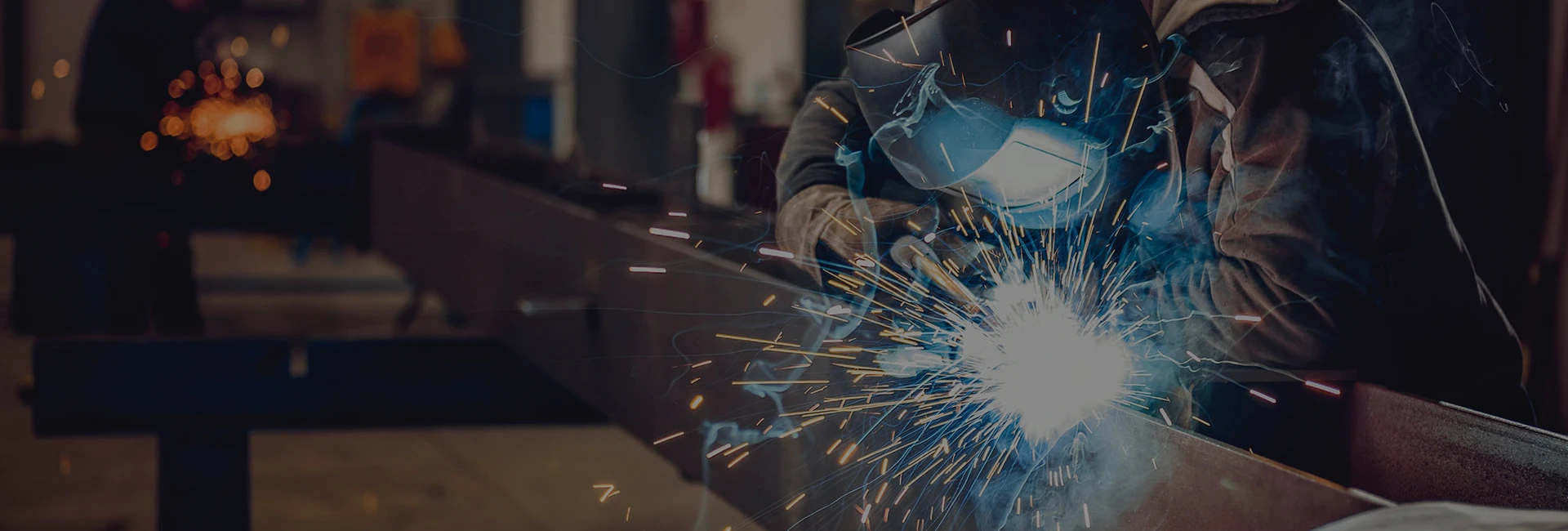
Stainless Steel Arc Welding Rods: Key Industrial Tools for Durability & Innovation

Stainless Steel Arc Welding Rods: Key Industrial Tools for Durability & Innovation
Dec . 07, 2025 19:55
Understanding Stainless Steel Arc Welding Rods: Essential Tools for Modern Industry
If you've ever wondered how stainless steel structures maintain their strength and corrosion resistance in harsh environments, one unsung hero behind the scenes is the stainless steel arc welding rod. It’s a simple yet crucial element in construction, manufacturing, and repair work worldwide, especially where durability and longevity are non-negotiable. Understanding these rods doesn't just matter for industrial engineers—it affects infrastructure resilience, safety, and even humanitarian projects.
Introduction: The Global Importance of Stainless Steel Arc Welding Rods
In a world that’s urbanizing rapidly and demanding more robust infrastructure, stainless steel arc welding rods play a critical role. According to the ISO standards and data from industrial manufacturing reports, stainless steel usage has seen an upward trend of around 5% annually, with welding rods being a pivotal companion in that growth. But here’s the kicker—the rods help solve a big challenge: how to create reliable, corrosion-resistant welds that can withstand chemical exposure, weather, and heavy loads. Without quality rods, weld joints would be the weak spots of modern constructions, risking failures with costly and dangerous consequences.
What Exactly Are Stainless Steel Arc Welding Rods?
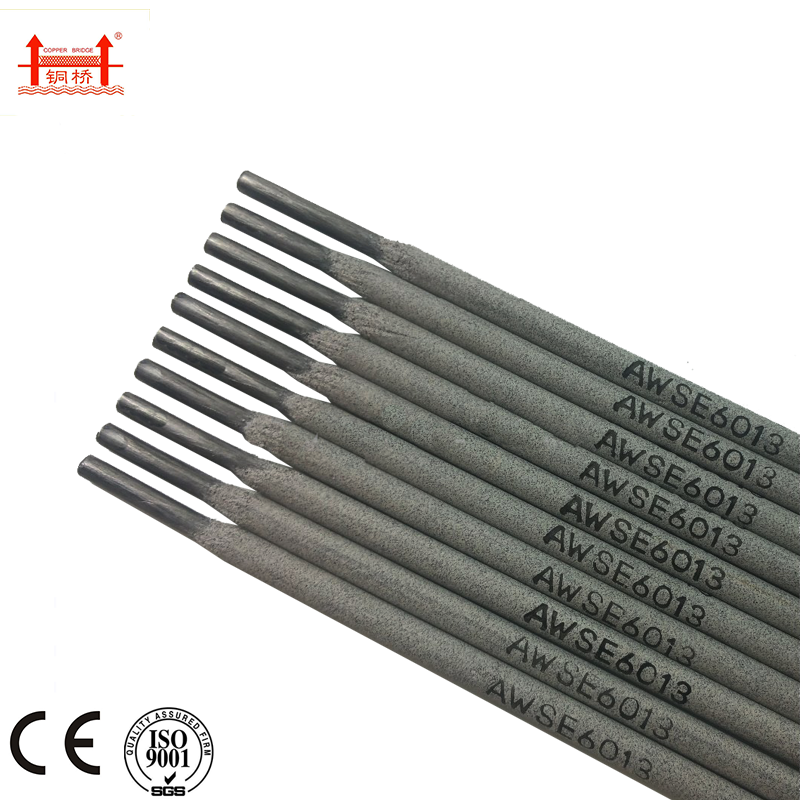
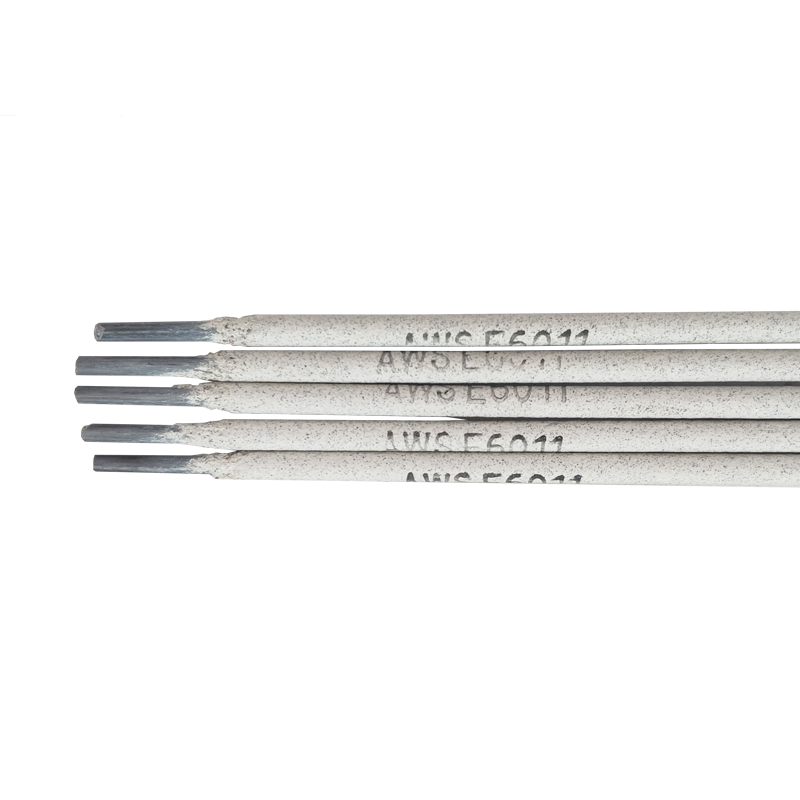
Put simply, these rods are consumable electrodes used during arc welding that provide filler metal compatible with stainless steel base materials. They ensure the weld joint maintains stainless steel's signature corrosion resistance and mechanical properties. This makes them indispensable for constructing everything from food processing equipment to bridges, pipelines, and skyscrapers. In fact, beyond industry, these rods also support humanitarian efforts—think rapid rebuilding after natural disasters, where strong, quick welds can restore critical infrastructure safely.
Key Factors That Define Stainless Steel Arc Welding Rods
Durability & Corrosion Resistance
The primary reason stainless steel rods exist is to match or exceed the corrosion resistance of the components being welded. They contain alloying elements like chromium and nickel, which form chromium oxide layers preventing rust. This longevity reduces maintenance costs and increases safety across industrial sectors.
Heat and L-Metal Compatibility
They must tolerate high heat inputs without embrittling or cracking during welding and afterward. Hence, precise metallurgy balances heat resistance and mechanical strength to avoid weld defects.
Ease of Use & Versatility
Some rods are specially designed for varying welding positions, or tailored for specific grades of stainless steel (e.g., 304, 316). This versatility allows welders to work faster without sacrificing quality.
Cost Efficiency
While stainless steel rods are pricier than carbon steel alternatives, their lifespan and reduced rework make them cost-effective in the long run.
Product Specifications at a Glance
| Specification | Typical Value | Notes |
|---|---|---|
| Material Grade | ER308L / ER316L | Low carbon for reduced carbide precipitation |
| Diameter | 2.5 mm - 4.0 mm | Depends on welding application |
| Current Type | AC or DC+ | Allows maximum arc stability |
| Typical Tensile Strength | ≥ 550 MPa | Ensures joint reliability |
Global Applications & Real-world Use Cases
These rods are everywhere—from the massive oil refineries of the Middle East to the intricate kitchen appliances made in Europe. In post-disaster areas like Japan or parts of the US, emergency welders use stainless steel arc welding rods to repair critical pipelines and bridges quickly and securely. Oddly enough, even remote mining operations in South America rely on these rods to maintain their stainless steel equipment in rugged terrain without frequent replacement cycles.
Thanks to their corrosion resistance, industries like marine vessel construction and chemical processing find these rods essential. You could say they form the backbone of projects that literally must stand the test of time and nature.
Advantages & Long-Term Value
- Cost savings: Lower maintenance and rework mean savings long after installation.
- Environmental impact: Longer-lasting welds reduce material waste and resource consumption.
- Safety & trust: Reliable welds keep workers and communities safe.
- Innovation enabling: Allows engineers to design more ambitious projects with confidence.
All told, stainless steel arc welding rods support a more sustainable and dependable industrial world. They help maintain the dignity of structures, whether it's a skyscraper or a hospital kitchen.
Future Trends & Innovations in Stainless Steel Welding
Looking ahead, the welding industry isn’t standing still. Advances in metallurgy aim to create rods that are even more resistant to extreme conditions—think hydrogen embrittlement or supercritical environments in green hydrogen production. Digital welding machines paired with AI can optimize welding parameters in real time, reducing defects caused by human error. There's also research into rods with embedded sensors for quality monitoring. Plus, sustainability efforts push manufacturers to recycle alloy materials and lower carbon footprints in rod production.
Challenges & Solutions
A common challenge is predicting the exact rod grade for a specialized stainless steel alloy—using the wrong rod risks compromising corrosion resistance. Additionally, welding stainless steel sometimes leads to warping due to thermal expansion differences. Solutions? Training for welders on material science basics, and innovations like pulse welding technology help control heat input better.
Plus, sourcing consistently high-quality rods can be tricky in some regions. Partnering with reputable suppliers ensures adherence to ISO and AWS standards—something I personally advise anyone working on critical projects.
Comparing Top Vendors of Stainless Steel Arc Welding Rods
| Vendor | Product Range | Certifications | Price Range | Global Availability |
|---|---|---|---|---|
| Jinlong Welding Electrode | ER308L, ER316L, ER309L | ISO 9001, AWS A5.4 | $$ | Worldwide |
| Lincoln Electric | Wide stainless rod selection | AWS Certified | $$$ | Global |
| ESAB | Specialized alloy rods | ISO, AWS | $$$ | Global |
FAQ: Frequently Asked Questions About Stainless Steel Arc Welding Rods
- Q: What stainless steel rod should I use for welding 304 stainless?
A: ER308L rods are typically recommended for 304 stainless steel as they match chemical and mechanical properties, preventing corrosion and cracking. - Q: Can stainless steel arc welding rods be used outdoors?
A: Yes, they are designed to weld stainless parts exposed outdoors, maintaining corrosion resistance even in harsh weather. - Q: How do I avoid cracking while welding with these rods?
A: Preheat and use appropriate welding techniques—low heat input and controlled cooling—help prevent cracks. Using low-carbon rods also reduces risks. - Q: Are stainless steel welding rods recyclable?
A: Many manufacturers now offer rods made from recycled materials, aligning with green manufacturing trends, but used rods must be disposed of as per local waste regulations.
Conclusion
In sum, stainless steel arc welding rods are fundamental components that ensure the strength, safety, and longevity of countless structures and equipment worldwide. Their role spans economic, environmental, and social benefits, supporting industries from construction to humanitarian aid. If you want to dive deeper or find high-quality rods tailored to your needs, be sure to visit Jinlong Welding Electrode for professional solutions that combine tradition and innovation perfectly.
To wrap up perhaps surprisingly, the humble welding rod is kind of one of the quiet champions in steel infrastructure—you don’t often notice it, but it quietly holds the world together!
References

Related Video

Related News


2026-04-16 02:35:10
Precision Guide for e312 16 welding rod and Dissimilar Steel Welding
In the demanding world of industrial fabrication and repair, selecting the correct filler metal is the difference between a structural failure and a lifetime bond. The e312 16 welding rod is specifically engineered to meet the rigorous needs of welding dissimilar steels, offering an exceptional balance of strength and corrosion resistance. Whether you are working on high-pressure pipelines or heavy machinery components, understanding the nuances of this specialized electrode is key to achieving professional-grade results. This guide explores the technical advantages and practical applications of the E312 series to help you optimize your welding workflow.
2026-04-09 02:35:17
Choosing the Right cs to ss welding rod number Professional Guide
Joining carbon steel (CS) to stainless steel (SS) is a common challenge in industrial fabrication, requiring a precise understanding of metallurgy to avoid weld failure. The most critical decision in this process is identifying the correct cs to ss welding rod number to ensure a strong, corrosion-resistant bond. Using the wrong filler metal can lead to cracking or premature oxidation due to the different thermal expansion rates of the two materials. In this comprehensive guide, we will break down the technical specifications and selection criteria to help you achieve a professional-grade weld every time.
2026-04-07 02:25:29
Comprehensive Guide to 409 Welding Rod Selection and Optimal Usage
When it comes to welding applications requiring corrosion resistance and good weldability, the 409 welding rod is a frequently chosen option. This article provides a detailed overview of this versatile welding rod, exploring its composition, applications, benefits, and considerations for optimal use. Whether you’re a seasoned professional or new to welding, understanding the properties of 409 welding rod is crucial for achieving high-quality, durable welds. We’ll cover everything you need to know to make informed decisions for your welding projects.
2026-04-04 02:35:28
Comprehensive Guide to 330 Stainless Steel Welding Rod Applications and Techniques
330 stainless steel welding rods are a crucial component in various industries, offering exceptional corrosion resistance and high-temperature strength. This article provides an in-depth look at these rods, covering their properties, applications, choosing the right rod, welding techniques, safety precautions, and where to find high-quality options. Whether you're a seasoned welding professional or new to the field, this guide will offer valuable insights.
2026-03-31 02:35:08
Comprehensive Guide to 312 Stainless Tig Rod for Superior Welding Performance
When choosing the right filler metal for your TIG welding projects, especially in demanding applications, 312 stainless steel tig rod stands out for its exceptional corrosion resistance and high-temperature strength. This comprehensive guide will explore its composition, applications, benefits, and how it compares to other stainless steel rods. We'll also point you to resources for sourcing high-quality rods.
2026-03-28 02:45:04
Comprehensive Guide to 312 17 Welding Rod Applications and Technical Details
Welding rods are essential consumables in the welding process, and selecting the right one is crucial for achieving strong, durable, and high-quality welds. The 312 17 welding rod is a popular choice for many applications due to its unique properties and versatility. This article delves into the characteristics, applications, benefits, and considerations when using 312 17 welding rods, providing a comprehensive resource for welders and engineers alike. Choosing the right rod directly impacts the success and longevity of any welding project.
2026-03-26 02:35:10
Comprehensive Guide to the 312 16 Welding Rod for Superior Steel Welding
The 312 16 welding rod is a versatile and widely-used electrode in various welding applications. Known for its excellent weldability and strong mechanical properties, it's a go-to choice for professionals and hobbyists alike. This article delves into the specifics of this electrode, covering its composition, applications, advantages, and how to choose the right one for your projects. Understanding the nuances of the 312 16 welding rod is crucial for achieving high-quality, durable welds. The designation "312 16" provides key information about the welding rod. "312" refers to the type of flux coating, specifically a low-hydrogen, iron powder coating. This coating is designed to produce welds with excellent mechanical properties and good resistance to cracking. The "16" indicates the diameter of the rod in 32nds of an inch – so a 312 16 rod has a diameter of 16/32 or 1/2 inch. This combination makes it suitable for a wide range of steel welding applications. The low-hydrogen nature of the flux minimizes hydrogen-induced cracking, a common issue in welding certain steels.
2026-03-24 02:45:07
Comprehensive Guide to 309LSI TIG Rod Welding Applications and Best Practices
The 309LSI TIG rod is a versatile welding consumable widely used across various industries for its exceptional corrosion resistance and weldability. This article will explore the properties, applications, advantages, and best practices associated with using 309LSI TIG rods. Whether you're a seasoned welding professional or new to the field, this guide will provide you with valuable insights into maximizing the performance and longevity of your welds. The 309LSI TIG rod is a stainless steel electrode specifically designed for Gas Tungsten Arc Welding (GTAW), commonly known as TIG welding. The "309LSI" designation indicates the alloy composition: 309 signifies the chromium-nickel content, 'L' denotes low carbon content for enhanced corrosion resistance, and 'SI' signifies stabilized with silicon for improved resistance to carbide precipitation during welding.

 English
  Arabic
  Bengali
  China
China  French
  German
  Hausa
Hausa  Indonesian
  Italian
  Japanese
  Javanese
  Malay
Malay  Persian
  Portuguese
  Punjabi
  Russian
  Spanish
  Swahili
  Telugu
  Vietnamese