

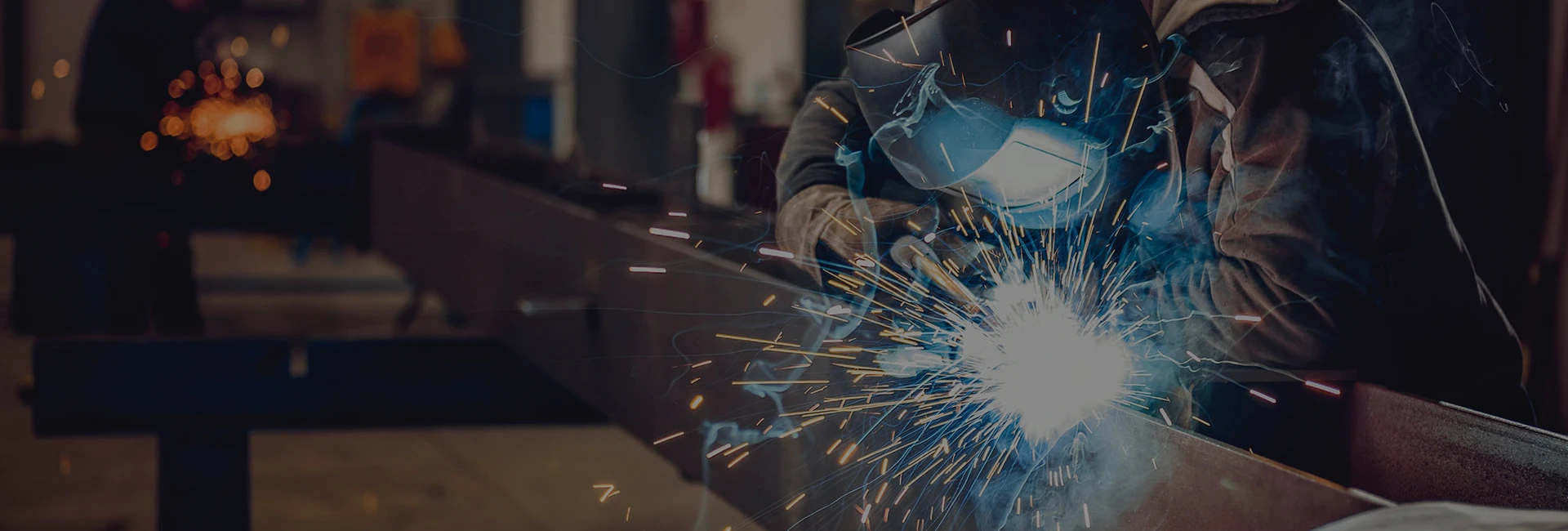
Stainless Steel TIG Welding Rods: Comprehensive Guide on Specs, Uses, and Suppliers

Stainless Steel TIG Welding Rods: Comprehensive Guide on Specs, Uses, and Suppliers
Dec . 07, 2025 18:36
Understanding Stainless Steel TIG Welding Rods: Essential Tools in Modern Fabrication
If you’ve ever peeked behind the scenes in the manufacturing or construction industries, you might have come across stainless steel TIG welding rods. These little rods are the unsung heroes in creating strong, corrosion-resistant welds that can withstand the harshest environments. Why does this matter globally? Well, stainless steel TIG welding rods are instrumental in building everything from skyscrapers to biomedical devices, and even infrastructure in developing regions. Their precise utility and versatility mean they uphold safety and durability standards worldwide, driving innovation and progress in countless sectors.
Introduction: The Global Context of Stainless Steel TIG Welding Rods
The worldwide demand for stainless steel TIG welding rods has been steadily increasing, especially with the growth of the stainless steel market, forecasted by the International Organization for Standardization (ISO) to expand due to infrastructure, automotive, and aerospace developments. According to recent data highlighted by the World Bank, emerging economies are investing heavily in reliable welding technologies to build safe urban environments and industrial facilities. However, challenges such as varying steel grades, weld integrity, and environmental concerns persist, making the choice of welding rods pivotal for quality control.
Defining Stainless Steel TIG Welding Rods
So, what exactly are stainless steel TIG welding rods? In simple terms, they’re filler rods used in Tungsten Inert Gas (TIG) welding — a precise electric arc welding technique — designed specifically for joining stainless steel metals. These rods typically contain various alloying elements like chromium and nickel, which lend the metal its famed corrosion resistance and strength. The rods act as a bridge, melting at the weld pool to form a strong, seamless joint. This connection is vital in sectors where hygiene, durability, or aesthetic finish matter — think food processing plants or surgical instruments.
Key Factors of Stainless Steel TIG Welding Rods
1. Durability & Corrosion Resistance
One of the primary reasons stainless steel TIG welding rods are so favored is their exceptional resistance to rust and chemical degradation. That means welds last longer in marine environments, chemical plants, or anywhere moisture and corrosive agents abound.
2. Precision & Aesthetics
TIG welding is prized for its clean, precise welds without spatter — crucial in industries where appearance counts. The rods enable welders to create smooth joints on critical components like kitchen appliances or architectural panels.
3. Compatibility with Stainless Steel Grades
Not all stainless steel TIG welding rods are created equal — they match specific stainless steel grades (like 304, 316) to ensure metallurgical compatibility and mechanical strength.
4. Heat Resistance & Strength
Many rods offer high-temperature tolerance, useful in power plants or automotive exhaust systems where thermal stress is routine.
5. Cost Efficiency
Though precision welding can be costlier upfront, using the correct stainless steel TIG welding rods reduces rework and material waste — a long-term financial win.
Mini Takeaway: These core features make stainless steel TIG welding rods essential for creating reliable, long-lasting welds in environments where performance and appearance intersect.
Product Specification Table
| Specification | Typical Value | Notes |
|---|---|---|
| Alloy Composition | Chromium 18%, Nickel 8% | Matches 304 grade stainless steel |
| Diameter Range | 1.0 mm - 3.2 mm | Varies with application |
| Melting Point | ~1400°C (2552°F) | Consistent with stainless steel alloys |
| Recommended Shielding Gas | Argon (100%) or Argon-Helium mixture | Ensures clean arc and weld pool |
| Typical Tensile Strength | 500 MPa and above | Meets industry standards |
Global Applications and Real-World Use Cases
From the offshore oil rigs in the North Sea to the food processing factories in Germany, stainless steel TIG welding rods have heavy-duty applications. In post-disaster relief operations, these rods help in constructing temporary shelters and water piping that resist corrosion, even in humid or coastal climates. Industries in regions like East Asia and North America frequently rely on TIG welding to fabricate aerospace parts with stringent quality requirements.
For instance, a major hospital facility in Singapore used stainless steel TIG welding rods to build sterile medical equipment with ultra-clean welds. In remote industrial zones across Africa, where maintenance resources are sparse, the durability of these rods means less frequent repairs — which translates into saved costs and improved worker safety.
Vendor Comparison Table
| Vendor | Product Range | Price | Quality Certifications | Lead Time |
|---|---|---|---|---|
| Jinlong Welding Electrode | Wide range including 304, 316, duplex rods | Competitive | ISO 9001, SGS | 2-3 weeks |
| WeldPro Supplies | Standard 304 rods only | Affordable | CE Mark | 1 week |
| MetalCraft | Premium grade rods, specialty alloys | Higher-end | ISO 14001, AWS certification | 3-4 weeks |
Advantages and Long-Term Value of Stainless Steel TIG Welding Rods
Fairly obviously, one advantage is the unmatched durability of stainless steel TIG welds — their resistance to cracking and environmental deterioration matters long after the welding torch cools down. From the engineer’s standpoint, this means less worry about failures under stress, which is a big deal for user safety and brand reputation.
From a social angle, think about producing clean water infrastructure in developing countries — corrosion-resistant welds deter damage, ensuring communities get reliable access to sanitation. Logically, although you might pay more upfront for high-grade rods, you lower lifecycle costs and environmental waste by preventing early replacements. Plus, the innovation in welding technology and materials keeps pushing these benefits further — better alloy blends, improved flux coatings, and automated welding processes.
Future Trends and Innovations
The welding world is moving towards sustainability and digital integration. Nanoparticle-enhanced rods that increase corrosion resistance and strength are in R&D stages. On the tech front, automation through robotic TIG welding systems uses intelligent controls to optimize rod consumption and energy efficiency — cut down waste while enhancing precision.
Green energy projects, like building hydrogen infrastructure, require ultra-clean welds on stainless steel pipes — a perfect fit for advanced TIG rods. Additionally, companies are exploring eco-friendly rod coatings and recyclable packaging to address industry waste.
Challenges and Solutions in Using Stainless Steel TIG Welding Rods
No material or process is perfect. TIG welding can be slow and requires skilled operators; poor technique can cause porosity or cracks. Sometimes, finding the exact rod grade for exotic steel alloys complicates procurement.
The solution? Training welders thoroughly, adopting automated welding where applicable, and working closely with suppliers for grade-matching. Also, continuous testing under ISO or AWS standards helps catch defects early, reducing costly rework. Robust supply chains — like those established by reputable vendors such as Jinlong Welding Electrode — ease access to certified rods that consistently meet requirements.
FAQ: Frequently Asked Questions About Stainless Steel TIG Welding Rods
-
Q: How do I select the right stainless steel TIG welding rod for my project?
A: Match the rod alloy to the base metal’s grade (e.g., 304 rod for 304 stainless steel) and consider environmental factors like corrosion or temperature exposure. Consulting manufacturers’ datasheets and experts helps ensure compatibility. -
Q: Can TIG welding rods be used outdoors or in humid conditions?
A: Yes, stainless steel TIG rods have excellent corrosion resistance. However, outdoor welding requires shielding gas coverage to avoid contamination; protective curtains or higher gas flows may be necessary on windy days. -
Q: What is a common failure mode when using improper TIG rods?
A: Using an incompatible rod often causes weld cracking, porosity, or discoloration, compromising strength and corrosion resistance. -
Q: Is it practical to switch to automated TIG welding for stainless steel rods?
A: For high-volume, precision-critical applications, automation improves consistency and efficiency despite higher initial setup costs. -
Q: Where can I find certified suppliers of quality stainless steel TIG welding rods?
A: Trusted suppliers, such as Jinlong Welding Electrode, offer ISO-certified rods with technical support.
Conclusion: Why Stainless Steel TIG Welding Rods Matter Long-Term
The right stainless steel TIG welding rods provide more than just filler metal—they are the foundation of durable, safe, and corrosion-resilient welds across countless industries worldwide. Their importance spans from global infrastructure to everyday products, underpinning innovation and sustainability.
For engineers, fabricators, and procurement professionals looking for trusted, high-quality solutions, exploring options at Jinlong Welding Electrode is a step forward in ensuring excellence in every weld.
Sometimes, the tiniest rod really does carry the greatest weight.
References

Related Video

Related News


2026-04-16 02:35:10
Precision Guide for e312 16 welding rod and Dissimilar Steel Welding
In the demanding world of industrial fabrication and repair, selecting the correct filler metal is the difference between a structural failure and a lifetime bond. The e312 16 welding rod is specifically engineered to meet the rigorous needs of welding dissimilar steels, offering an exceptional balance of strength and corrosion resistance. Whether you are working on high-pressure pipelines or heavy machinery components, understanding the nuances of this specialized electrode is key to achieving professional-grade results. This guide explores the technical advantages and practical applications of the E312 series to help you optimize your welding workflow.
2026-04-09 02:35:17
Choosing the Right cs to ss welding rod number Professional Guide
Joining carbon steel (CS) to stainless steel (SS) is a common challenge in industrial fabrication, requiring a precise understanding of metallurgy to avoid weld failure. The most critical decision in this process is identifying the correct cs to ss welding rod number to ensure a strong, corrosion-resistant bond. Using the wrong filler metal can lead to cracking or premature oxidation due to the different thermal expansion rates of the two materials. In this comprehensive guide, we will break down the technical specifications and selection criteria to help you achieve a professional-grade weld every time.
2026-04-07 02:25:29
Comprehensive Guide to 409 Welding Rod Selection and Optimal Usage
When it comes to welding applications requiring corrosion resistance and good weldability, the 409 welding rod is a frequently chosen option. This article provides a detailed overview of this versatile welding rod, exploring its composition, applications, benefits, and considerations for optimal use. Whether you’re a seasoned professional or new to welding, understanding the properties of 409 welding rod is crucial for achieving high-quality, durable welds. We’ll cover everything you need to know to make informed decisions for your welding projects.
2026-04-04 02:35:28
Comprehensive Guide to 330 Stainless Steel Welding Rod Applications and Techniques
330 stainless steel welding rods are a crucial component in various industries, offering exceptional corrosion resistance and high-temperature strength. This article provides an in-depth look at these rods, covering their properties, applications, choosing the right rod, welding techniques, safety precautions, and where to find high-quality options. Whether you're a seasoned welding professional or new to the field, this guide will offer valuable insights.
2026-03-31 02:35:08
Comprehensive Guide to 312 Stainless Tig Rod for Superior Welding Performance
When choosing the right filler metal for your TIG welding projects, especially in demanding applications, 312 stainless steel tig rod stands out for its exceptional corrosion resistance and high-temperature strength. This comprehensive guide will explore its composition, applications, benefits, and how it compares to other stainless steel rods. We'll also point you to resources for sourcing high-quality rods.
2026-03-28 02:45:04
Comprehensive Guide to 312 17 Welding Rod Applications and Technical Details
Welding rods are essential consumables in the welding process, and selecting the right one is crucial for achieving strong, durable, and high-quality welds. The 312 17 welding rod is a popular choice for many applications due to its unique properties and versatility. This article delves into the characteristics, applications, benefits, and considerations when using 312 17 welding rods, providing a comprehensive resource for welders and engineers alike. Choosing the right rod directly impacts the success and longevity of any welding project.
2026-03-26 02:35:10
Comprehensive Guide to the 312 16 Welding Rod for Superior Steel Welding
The 312 16 welding rod is a versatile and widely-used electrode in various welding applications. Known for its excellent weldability and strong mechanical properties, it's a go-to choice for professionals and hobbyists alike. This article delves into the specifics of this electrode, covering its composition, applications, advantages, and how to choose the right one for your projects. Understanding the nuances of the 312 16 welding rod is crucial for achieving high-quality, durable welds. The designation "312 16" provides key information about the welding rod. "312" refers to the type of flux coating, specifically a low-hydrogen, iron powder coating. This coating is designed to produce welds with excellent mechanical properties and good resistance to cracking. The "16" indicates the diameter of the rod in 32nds of an inch – so a 312 16 rod has a diameter of 16/32 or 1/2 inch. This combination makes it suitable for a wide range of steel welding applications. The low-hydrogen nature of the flux minimizes hydrogen-induced cracking, a common issue in welding certain steels.
2026-03-24 02:45:07
Comprehensive Guide to 309LSI TIG Rod Welding Applications and Best Practices
The 309LSI TIG rod is a versatile welding consumable widely used across various industries for its exceptional corrosion resistance and weldability. This article will explore the properties, applications, advantages, and best practices associated with using 309LSI TIG rods. Whether you're a seasoned welding professional or new to the field, this guide will provide you with valuable insights into maximizing the performance and longevity of your welds. The 309LSI TIG rod is a stainless steel electrode specifically designed for Gas Tungsten Arc Welding (GTAW), commonly known as TIG welding. The "309LSI" designation indicates the alloy composition: 309 signifies the chromium-nickel content, 'L' denotes low carbon content for enhanced corrosion resistance, and 'SI' signifies stabilized with silicon for improved resistance to carbide precipitation during welding.

 English
  Arabic
  Bengali
  China
China  French
  German
  Hausa
Hausa  Indonesian
  Italian
  Japanese
  Javanese
  Malay
Malay  Persian
  Portuguese
  Punjabi
  Russian
  Spanish
  Swahili
  Telugu
  Vietnamese